By Alejandro Álvarez, Undersecretary of University Policies of the Nation, for La Derecha Diario.
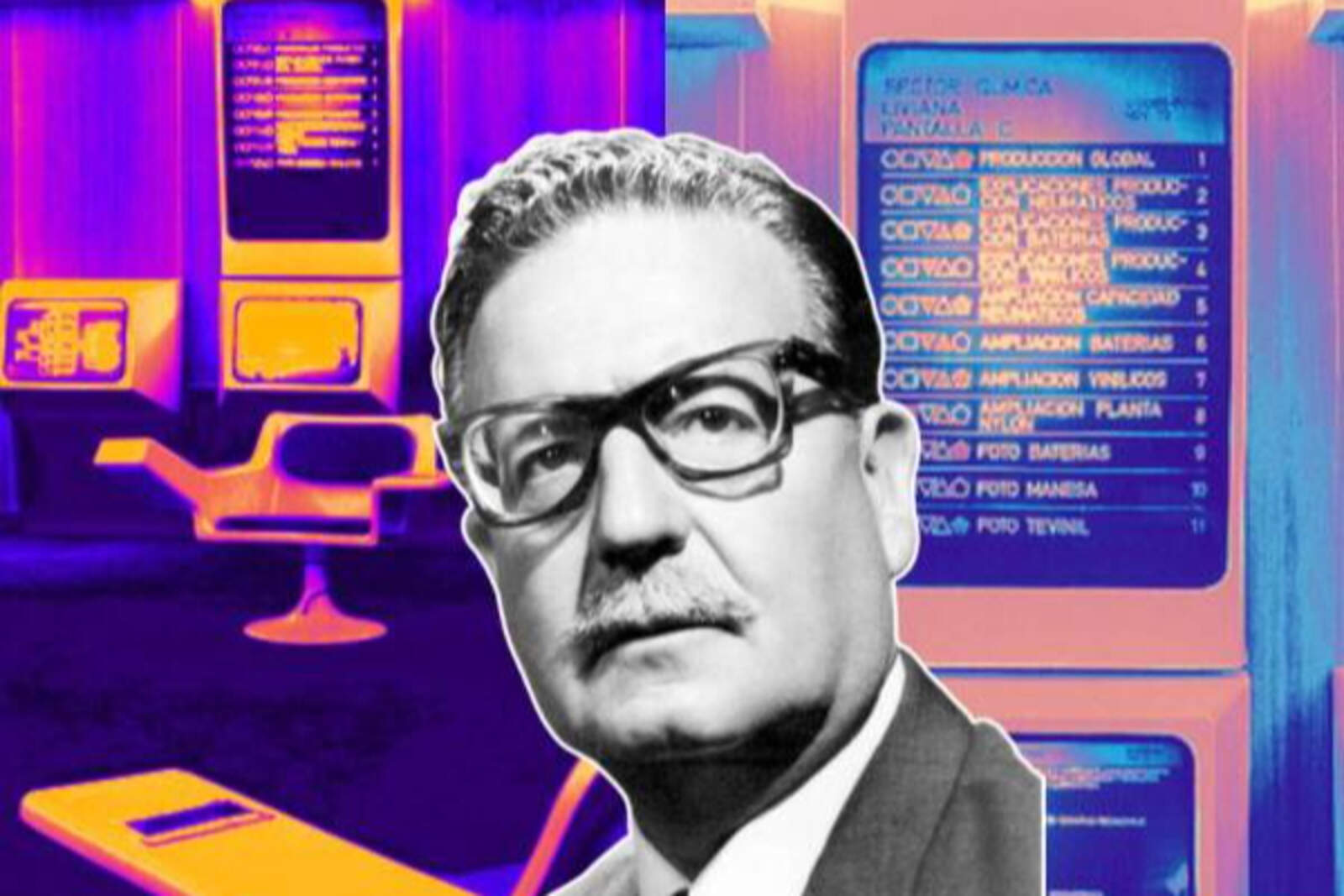
One of humanity's oldest passions is trying to control reality, other men, politics, and, ultimately, the economy. The following image is not from a B-grade science fiction movie, but rather the best and greatest attempt to control an economy through the use of technology.
Paradoxically, Allende's socialist experiment in Chile, in its final hours, relied on the capabilities of a truly capitalist invention: information technology. The paradox is complete when considering that if Allende had had access to the current advances of the very capitalist Internet, he probably would have had a greater chance of prolonging his agony and also of causing much more damage, at least in the idea of controlling the economy in real time.
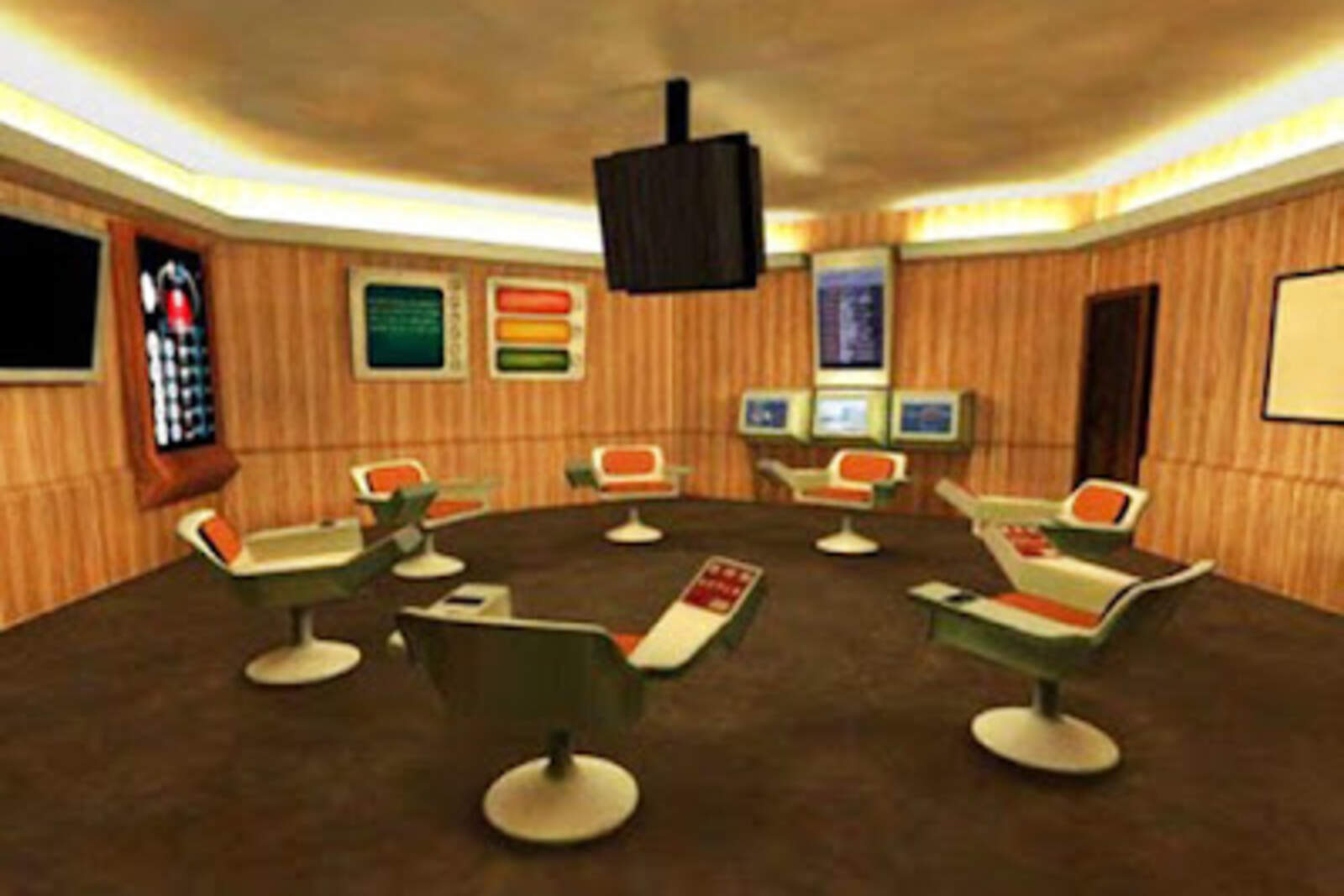
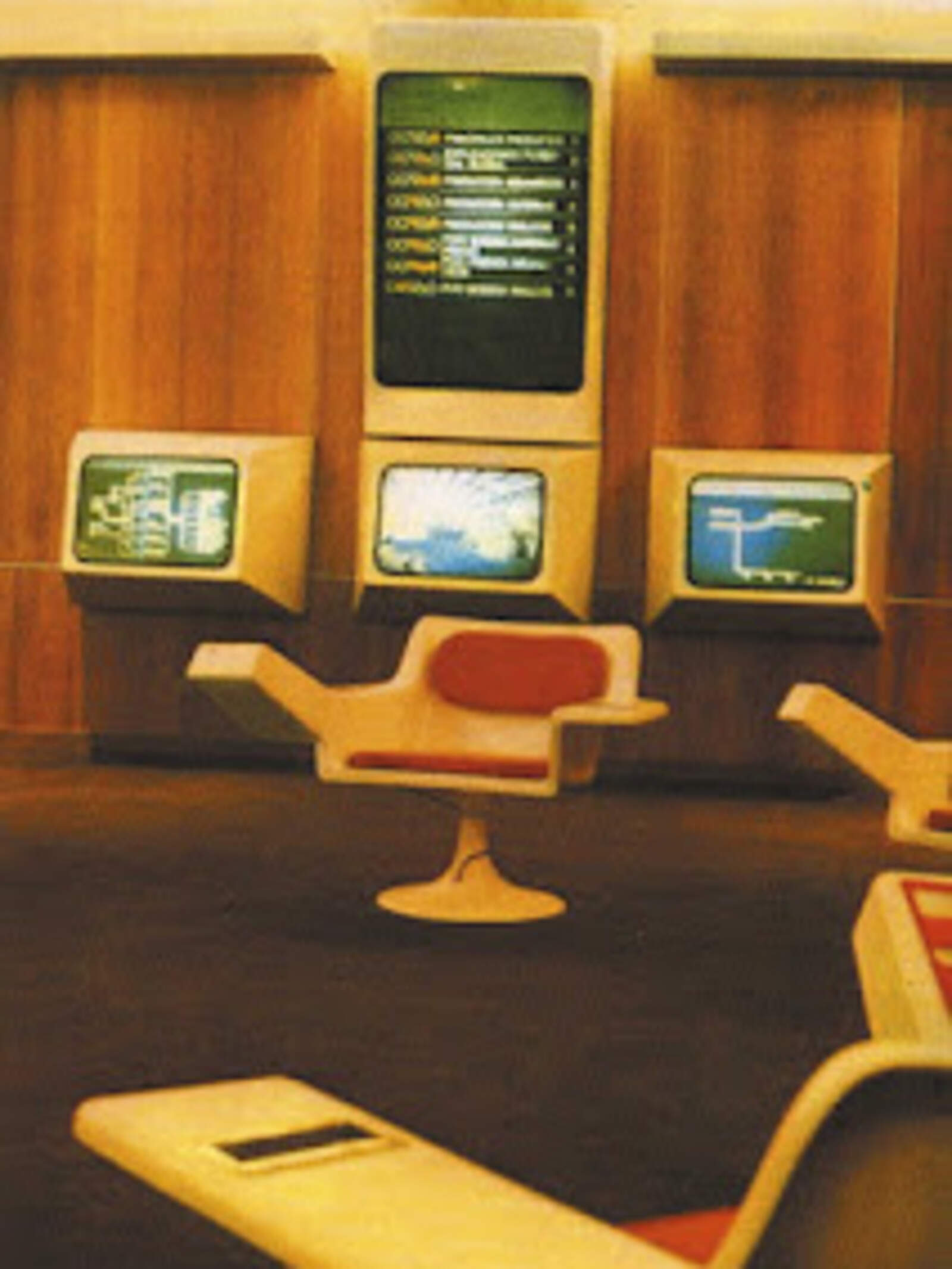
Única foto de la sala de control destinada a Allende y sus ministros
Salvador Allende had become president of the country in 1970 and had carried out a process of nationalization of companies, so the industrial portfolio controlled by the government (existing and nationalized companies) was complex, and it was necessary to develop a management and information model that would help decision-making (without having to wait a long time for a report to be caused).
The management of the business portfolio was led by Fernando Flores, who was appointed Technical General Director of CORFO (Corporación para el Fomento de la Producción de Chile), the public company that managed the nationalized companies.
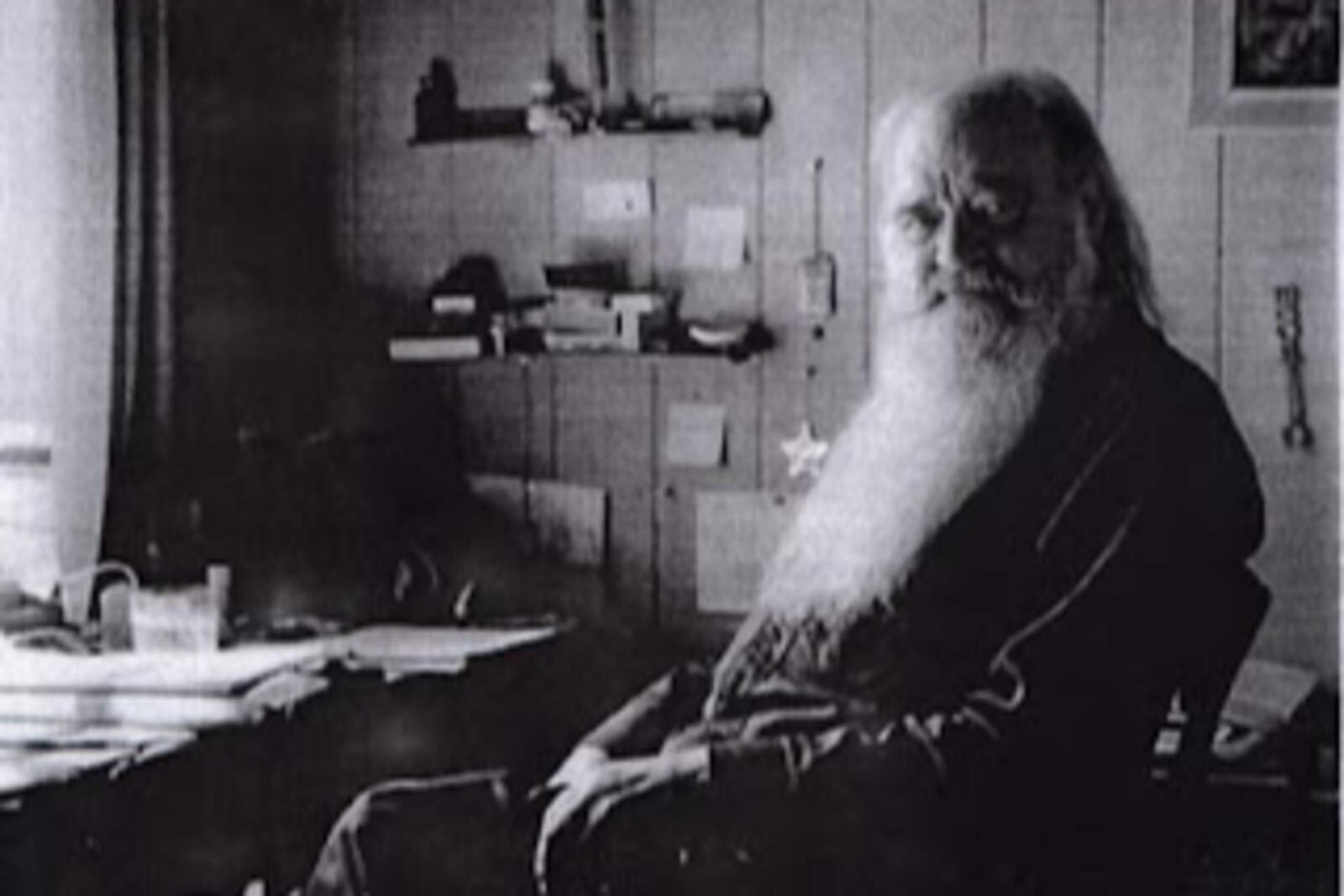
Flores was an engineer who had studied at the Pontifical Catholic University of Chile and, since his student days, had followed with interest the work of Stafford Beer, a British guru who had published works on business organization systems; so Flores decided to turn to Beer to develop a system that would concentrate all the data coming from public companies into a reporting system.
Stafford Beer
After sending a formal invitation, Stafford Beer accepted the offer and began working for the Chilean government in 1971. After several months of defining the system, on November 12, 1971, Beer presented the Cybersyn project to President Allende: "...a nervous system through which important decisions would flow, both at the administrative and judicial, economic, and civic levels."
The idea was to locate an operations center in the presidential residence, in the Palacio de La Moneda, and to develop the communications network, the control software, and the system's governance model, the four pillars on which Cybersyn would be based, which, from today's perspective, is one of the earliest known designs of government-wide corporate networks.
Cybernet was the name given to the communications network of the Cybersyn system and was composed of a set of telex lines that connected the country's various factories so that their systems could send, at least once a day, economic and production data. Cyberstride was the name given to the software that would process the data received from each of the factories and companies that were part of the network.
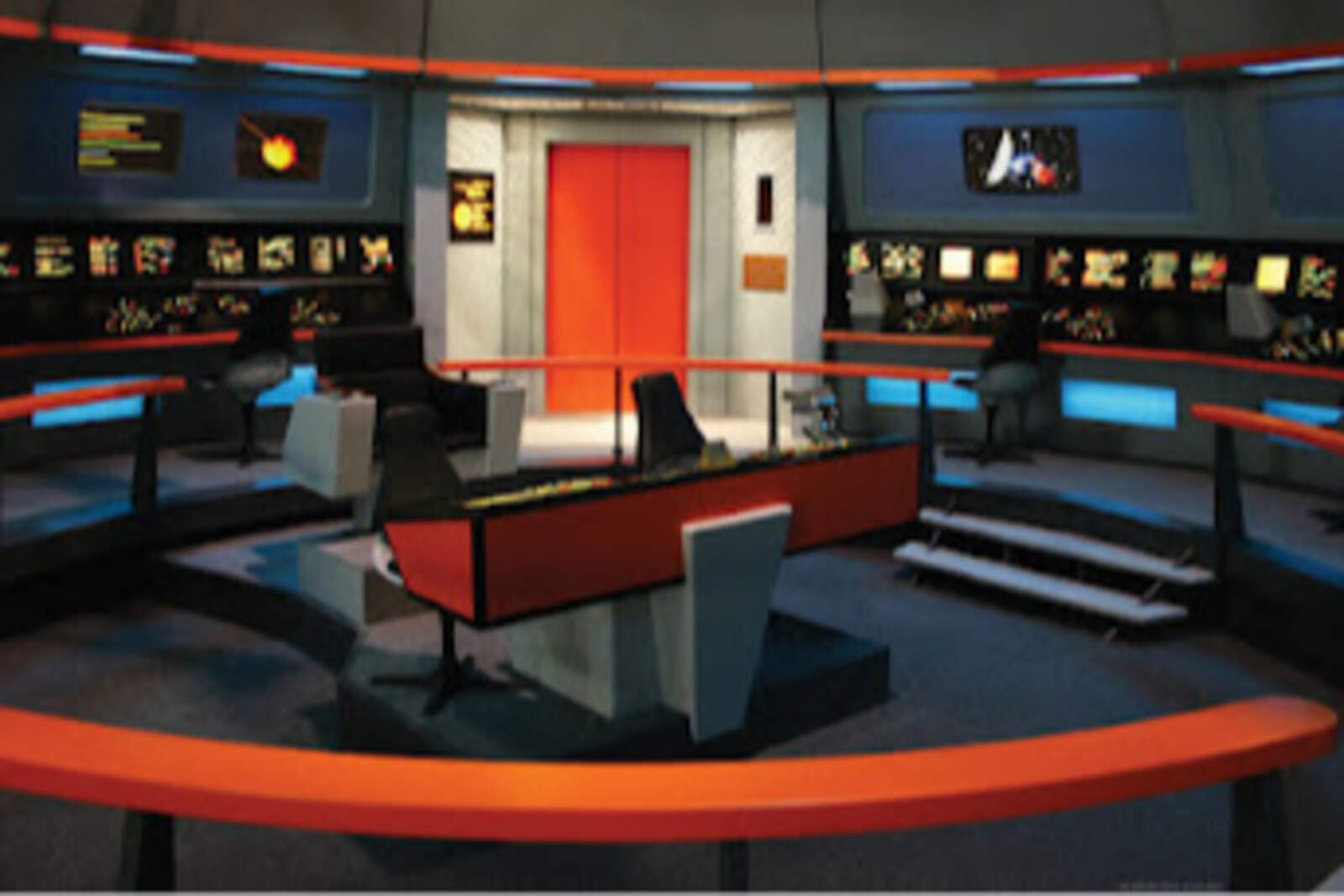
Puente de la Enterprise, serie Star Trek años 60´
Opsroom was the name given to Cybersyn's operations room and constituted the core of decision-making. It was a hexagonal space in which seven swivel chairs were placed, with screens and consoles built into the armrests to control the system, request reports, and display them on the various screens in the room.
The most curious thing is that the screens displaying the information were manually operated by workers behind the walls, creating the "illusion" that by pressing a button it was possible to immediately see the requested information; the workers would place the image to be projected as a slide behind the screen on a reel.
Allende himself was very enthusiastic about the program: he had practiced medicine and instinctively understood what Beer explained to him about the biological characteristics of networks and institutions. Meanwhile, both agreed that Cybersyn should not spy on people.
On the contrary, its objective was to allow workers to manage, or at least participate in, the management of their jobs and, at the same time, to promote the exchange of information. It did not always work that way.
"Some people I spoke with told me it was very difficult for the factories to send their statistics," says Eden Miller, an American who is writing a thesis on Cybersyn.
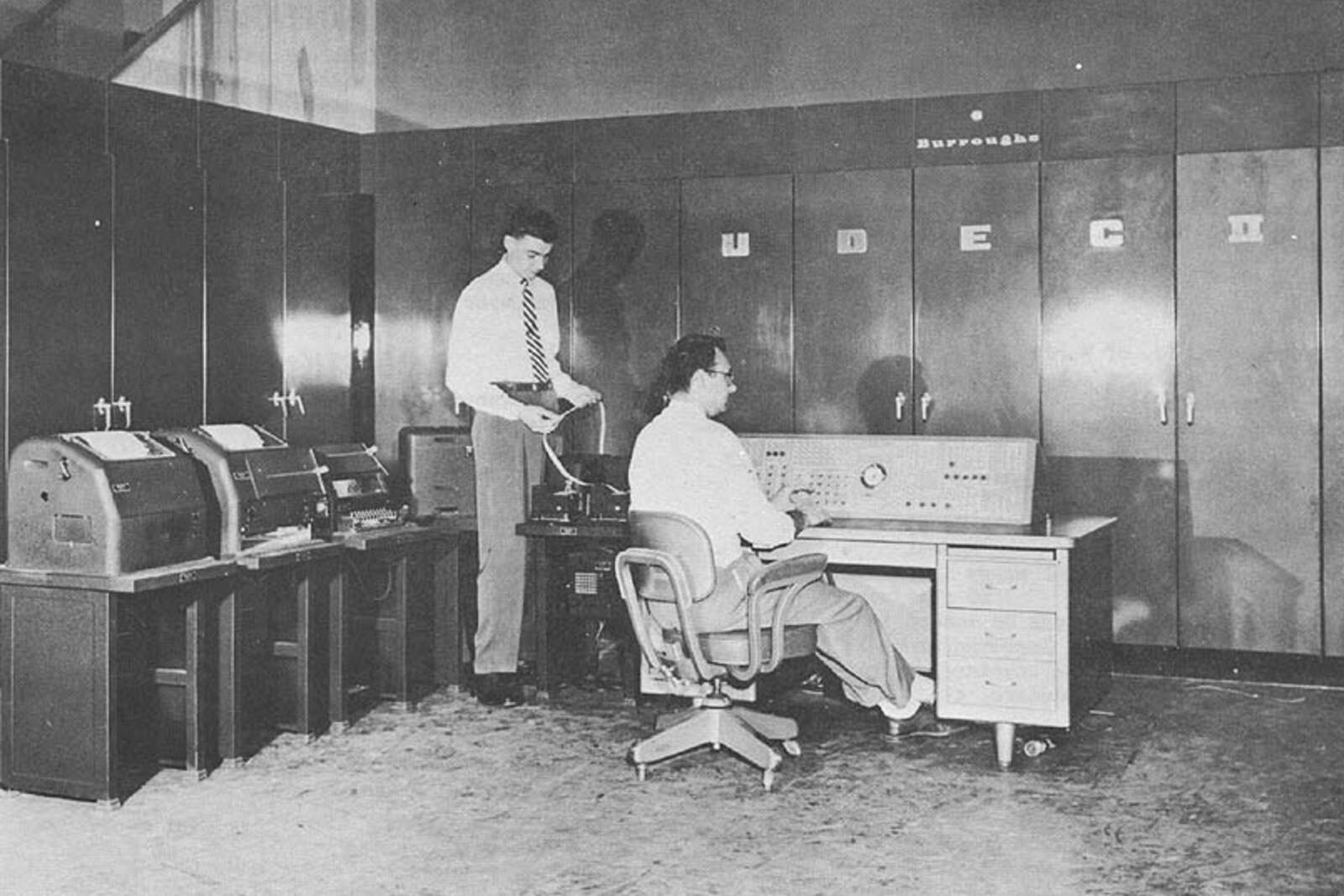
Superordenador llamado Burroughs 3500, procesaba la información
In 1972 and 1973, turbulent years in Chile and much of South America, there were other priorities, not to mention that not all workers were willing and/or able to run their plants. However, there were also successes: factories used their telexes to send orders and complaints to the government and vice versa. In October 1972, when Allende was preparing to face his worst crisis since taking office, Beer's invention became vital.
With the secret support of the CIA, small conservative Chilean business owners went on strike. Food was scarce and fuel supplies were at risk. The government believed that Cybersyn could help it outflank the enemy by using the telexes to obtain information about what was in short supply and alleviate the shortages.
The control rooms in Santiago operated day and night. People slept there, including several ministers. "We felt like we were at the center of the universe," recalls Espejo (a member of the original team). The strike did not succeed in overthrowing Allende. That was the peak of Cybersyn's usefulness. Shortly thereafter, like the government, it began to encounter insoluble problems.
Sala de control de Allende
In 1973, due to the scale of the project, which came to encompass up to 50 percent of the entire nationalized economy, the original team of Beer's disciples had become mixed with less idealistic scientists and, obviously, frictions arose. To make matters worse, at the same time, Beer had begun to focus on other plans.
Unusually, the scientist began to invite painters and popular singers to publicize the principles of "high-tech socialism"; he devoted himself to testing the public opinion meters designed by his son and even organized fishing expeditions to provide the government with some of the dollars it so desperately needed.
Meanwhile, social discontent against Allende became increasingly evident and the economy began to collapse: encouraged by the United States, other countries began to cut off their aid and investments. "There was a lot of tension in Chile. I could have left, in fact, I thought about it many times," Beer later wrote.
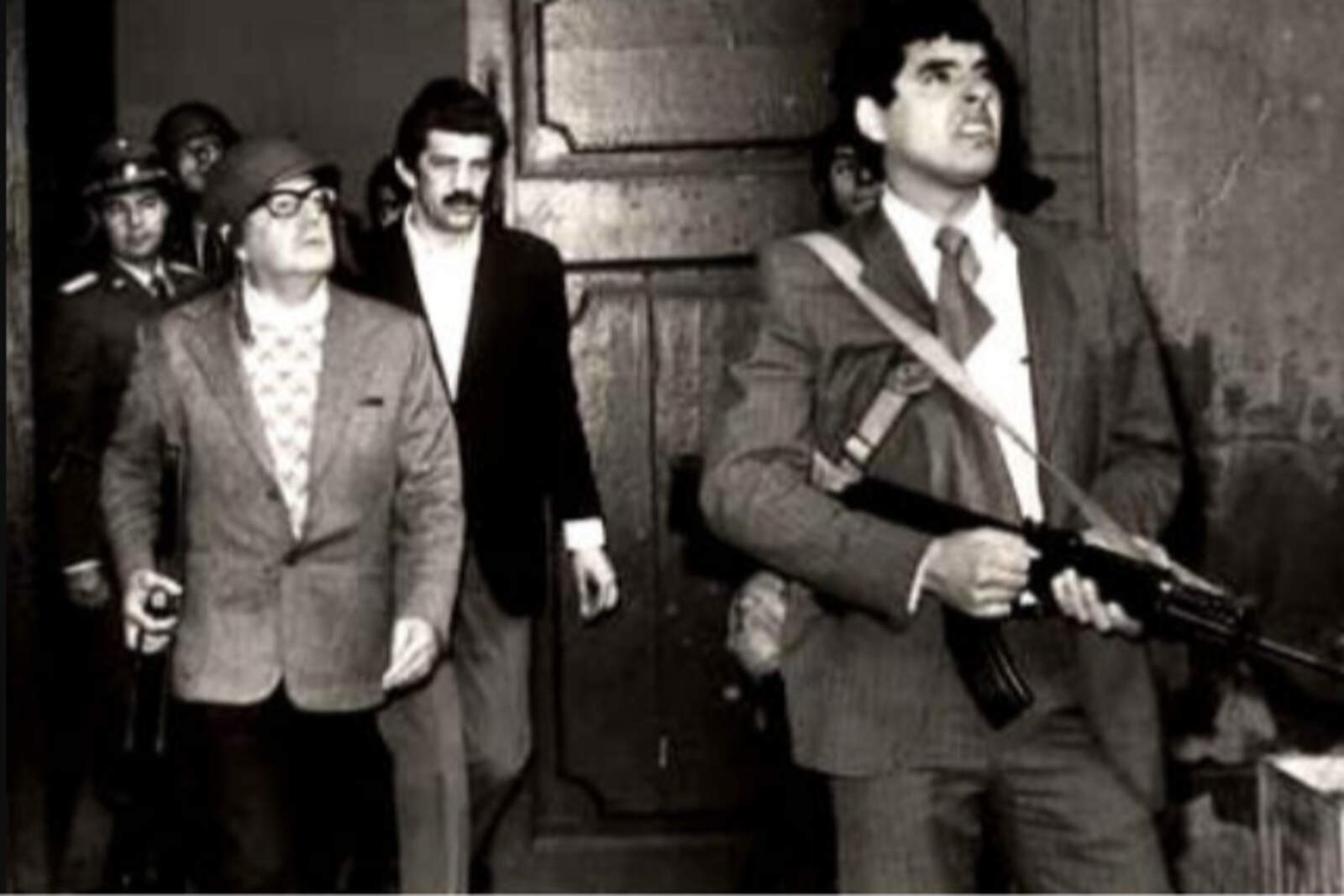
Allende resiste en el palacio presidencial
In June 1973, after being advised to leave the country, Beer rented a house on the coast. For several weeks, he wrote, gazed at the sea, and attended secret government meetings. On September 10, measurements were taken of a room in La Moneda to install a Cybersyn control center there.
The next day, September 11, the palace was bombed by the Chilean Air Force (FACH). Beer was in London, lobbying for the Chilean government and, upon leaving a meeting, read the newspapers: "Allende is dead," they said. The Chilean military found the Cybersyn network intact, but did not know what it was for.
Shortly after the coup, Beer left West Byfleet and also his wife, to settle alone in a cabin in Wales. "I had survivor's guilt," says Simon. Today, Cybersyn and other later, even more esoteric, inventions of Stafford remain alive on obscure socialist websites and, curiously, are often mentioned in some modern business schools to discuss the importance of economic information.