Democratic Senator from Pennsylvania, John Fetterman, once again distanced himself from his party by stating that identification in the electoral process is key
Nuevo
Agregar La Derecha Diario en
Compartir:
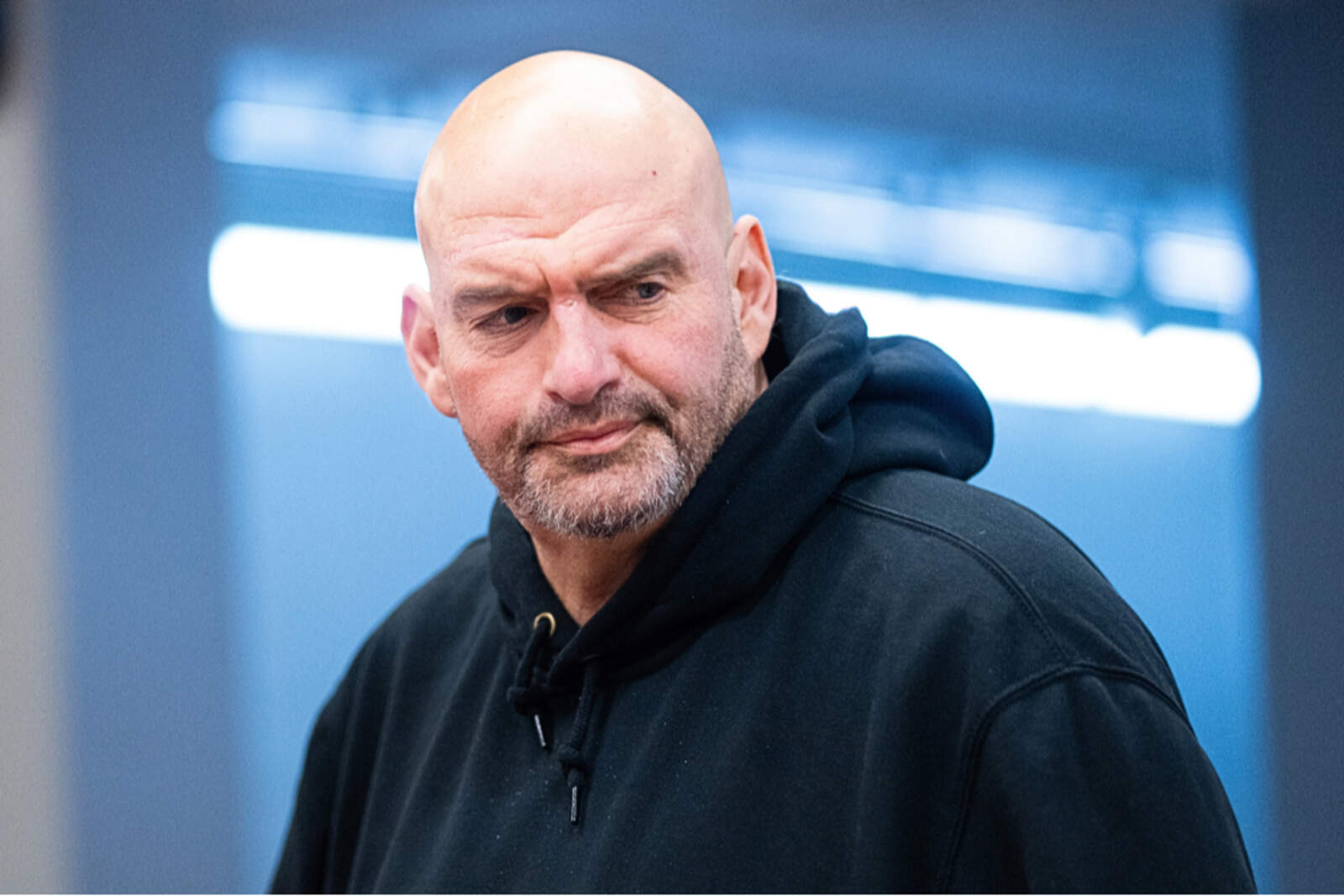
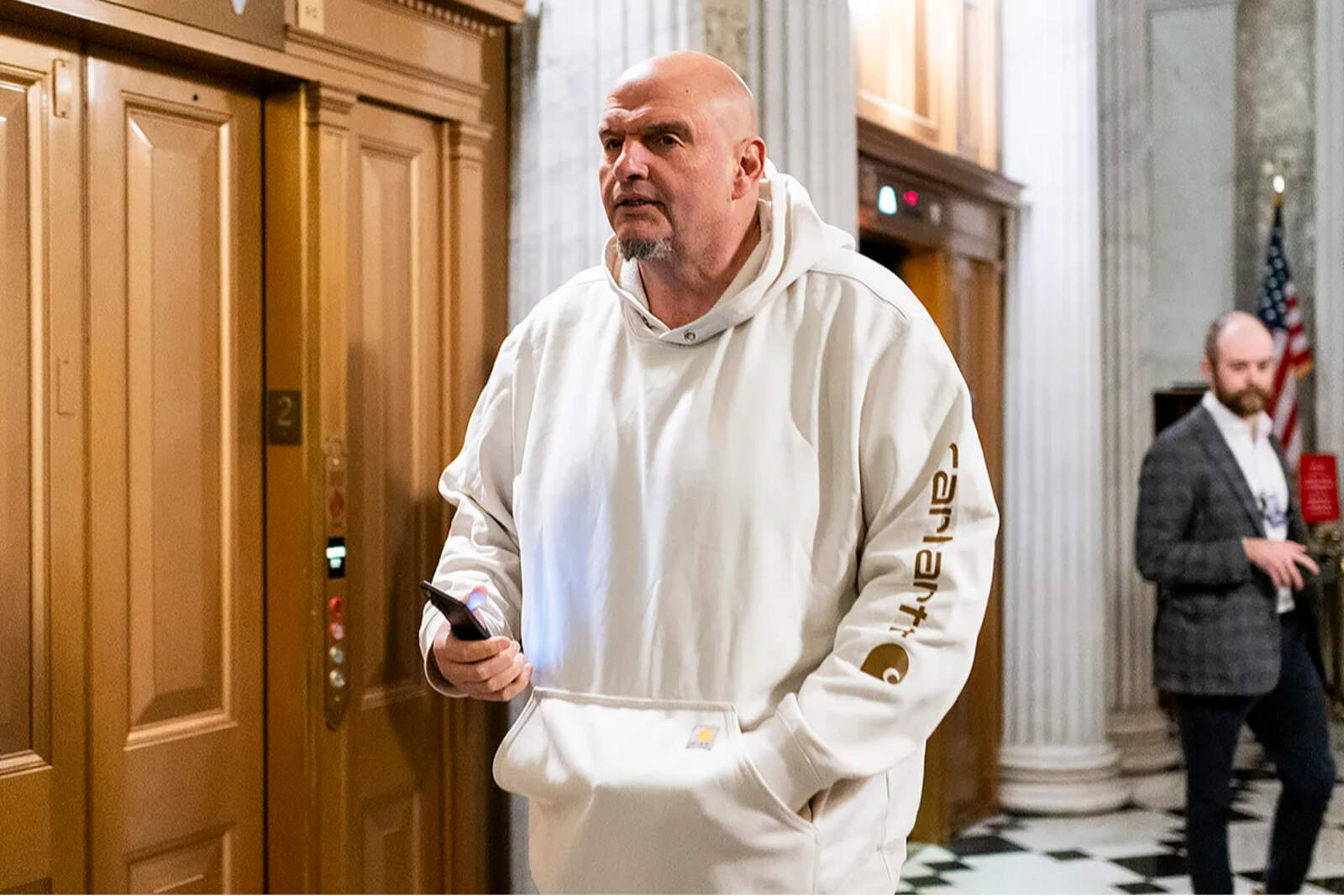
Senator John Fetterman (Democrat from Pennsylvania) once again distanced himself from part of his party's leadership by declaring that he doesn't consider it "unreasonable" to require official identification in order to vote, amid the Senate debate on the Safeguard American Voter Eligibility (SAVE) Act.
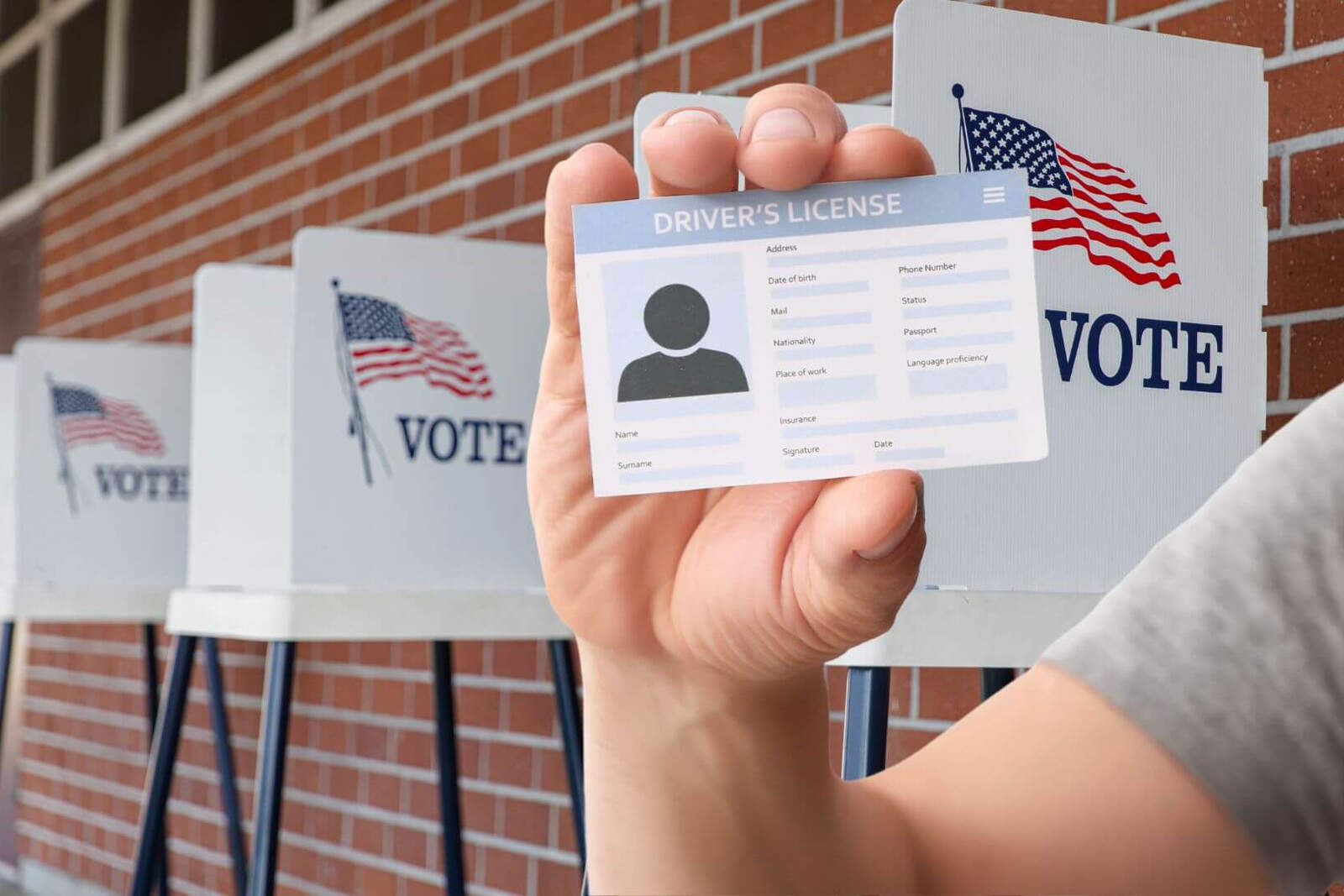
Fetterman maintained that, as a Democrat, he doesn't see a problem with requesting identification from citizens at the moment they cast their vote. "It is not a radical idea for ordinary Americans to show their identification in order to vote," he stated.
He also rejected comparisons between identification requirements and Jim Crow-era laws, noting that, although that period represents a "terrible" chapter in the country's history, the current context is different.
Fetterman volvió a tomar distancia del Partido Demócrata y rechazó las burdas comparaciones con las leyes de segregación racial
The legislator cited as an example the case of Wisconsin, where less than a year ago voters approved by 63% a constitutional amendment that requires showing identification in order to cast a ballot. Fetterman emphasized that this decision coincided with the election of a progressive judge to the state Supreme Court, which, in his view, demonstrates that the identification requirement is not a strictly partisan proposal.
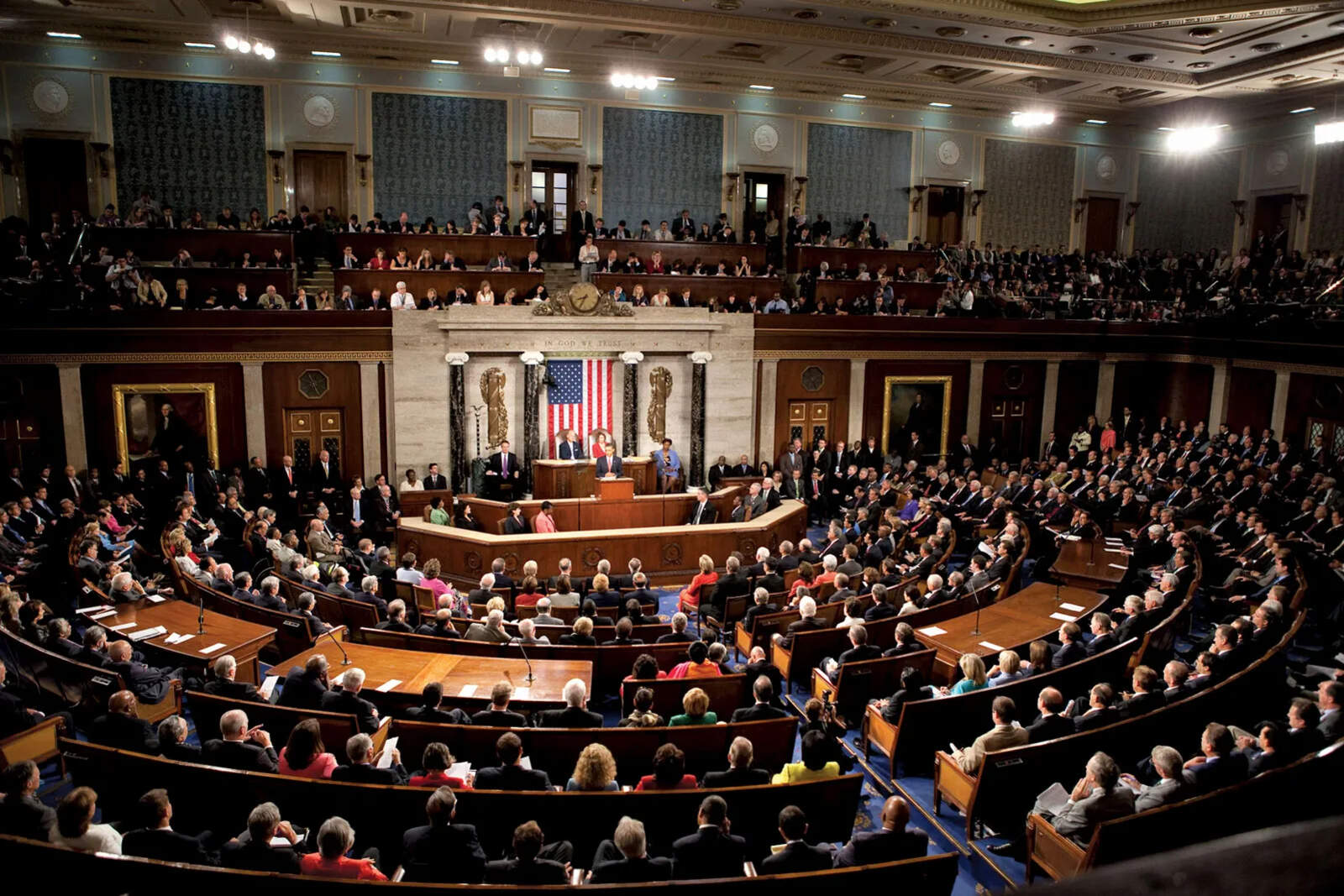
The senator's statements come as the SAVE Act remains stalled in the Senate. The initiative, approved by the House of Representatives in 2025, establishes that states must require proof of U.S. citizenship in order to register for federal elections and sets more uniform standards to reinforce electoral integrity.
Republicans maintain that the measure will strengthen confidence in the electoral system, while several Democrats argue that it could make it more difficult to access the ballot for people without easily available identification documents.
Fetterman, however, stressed that the identification requirement is a common practice in numerous aspects of everyday life, such as traveling by plane or carrying out certain official procedures. In that sense, he considered that applying a similar standard in the electoral process should not be seen as an extreme measure.
Exigir la identificación para poder sufragar elevará la confianza en el sistema electoral
Various national polls indicate that a significant majority of Americans, including a considerable share of Democratic voters, support photo identification requirements in order to vote. This public support has been used by SAVE Act proponents as an argument to push for its consideration in the upper chamber.
Although the senator has not spoken specifically about each provision of the bill, his support for the principle of voting with identification places him in a different position from other Democratic leaders in the Senate, who have criticized the initiative and warned about possible exclusionary effects.
In a political climate marked by polarization and with the upcoming elections on the horizon, Fetterman's stance introduces an element of internal debate within the Democratic Party and could influence future discussions on electoral reforms.
La iniciativa SAVE Act fue aprobada por la Cámara de Diputados el año pasado y se encuentra estancada en el senado