Amid another week filled with suspicions and unrest over refereeing decisions, the mobster Claudio "Chiqui" Tapiaonce again took the least opportune side: that of downplaying the problems of a management clearly tainted by corruption and cronyism. Far from acknowledging the depth of widespread discontent, the disastrous president of the Argentine Football Association (AFA) defended the referees' performance and denied favoritism, once again generating a wave of widespread outrage.
The official's statements came after two incidents that exploded in Argentine football: the controversial qualifications of Deportivo Madryn for the final of the Primera Nacional's Reducido andof Barracas Central, a club historically associated with Tapia himself, for the Clausura Tournament play-offs. Both situations reignited suspicions of favoritism and rekindled a debate that Tapia seems determined to ignore.
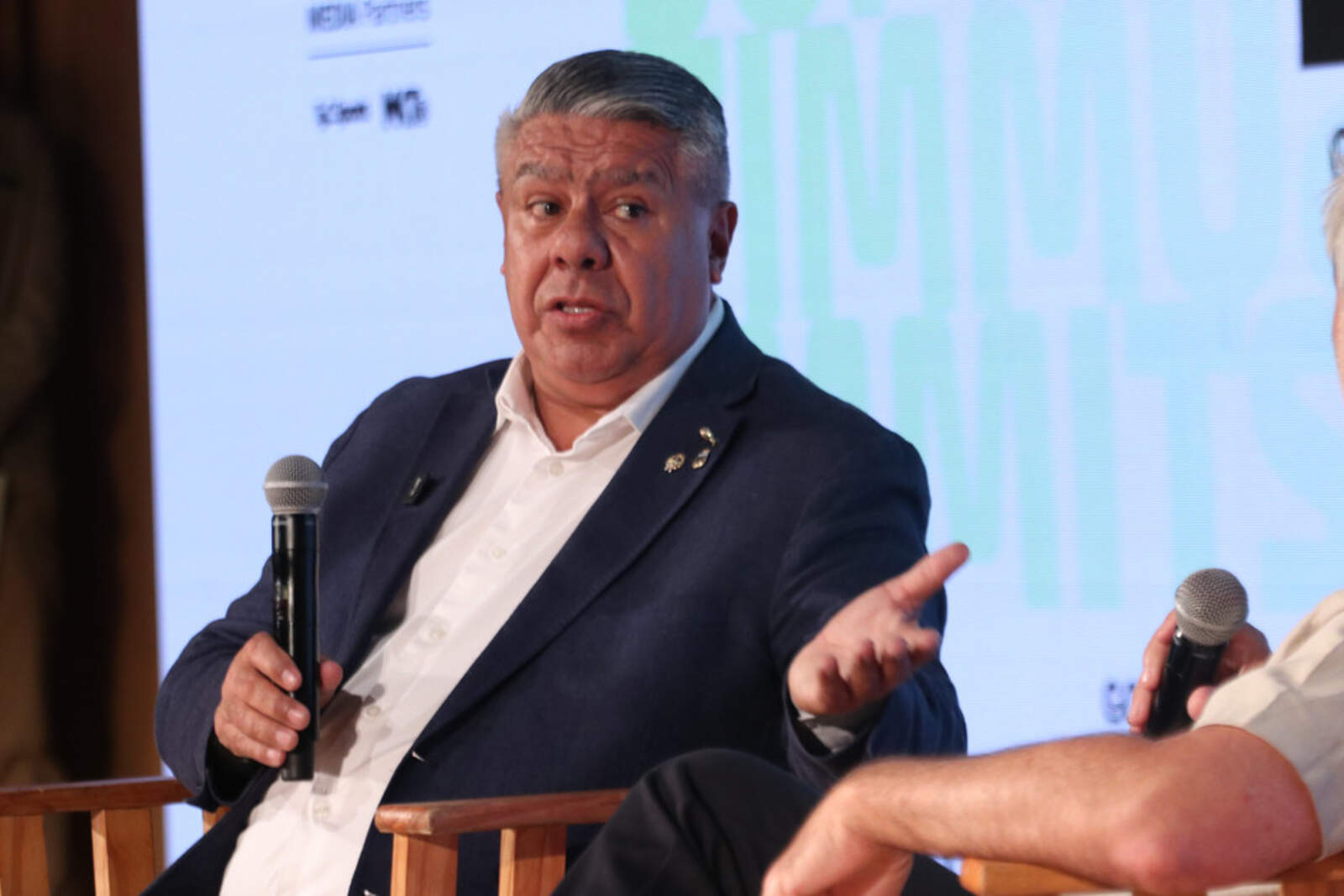
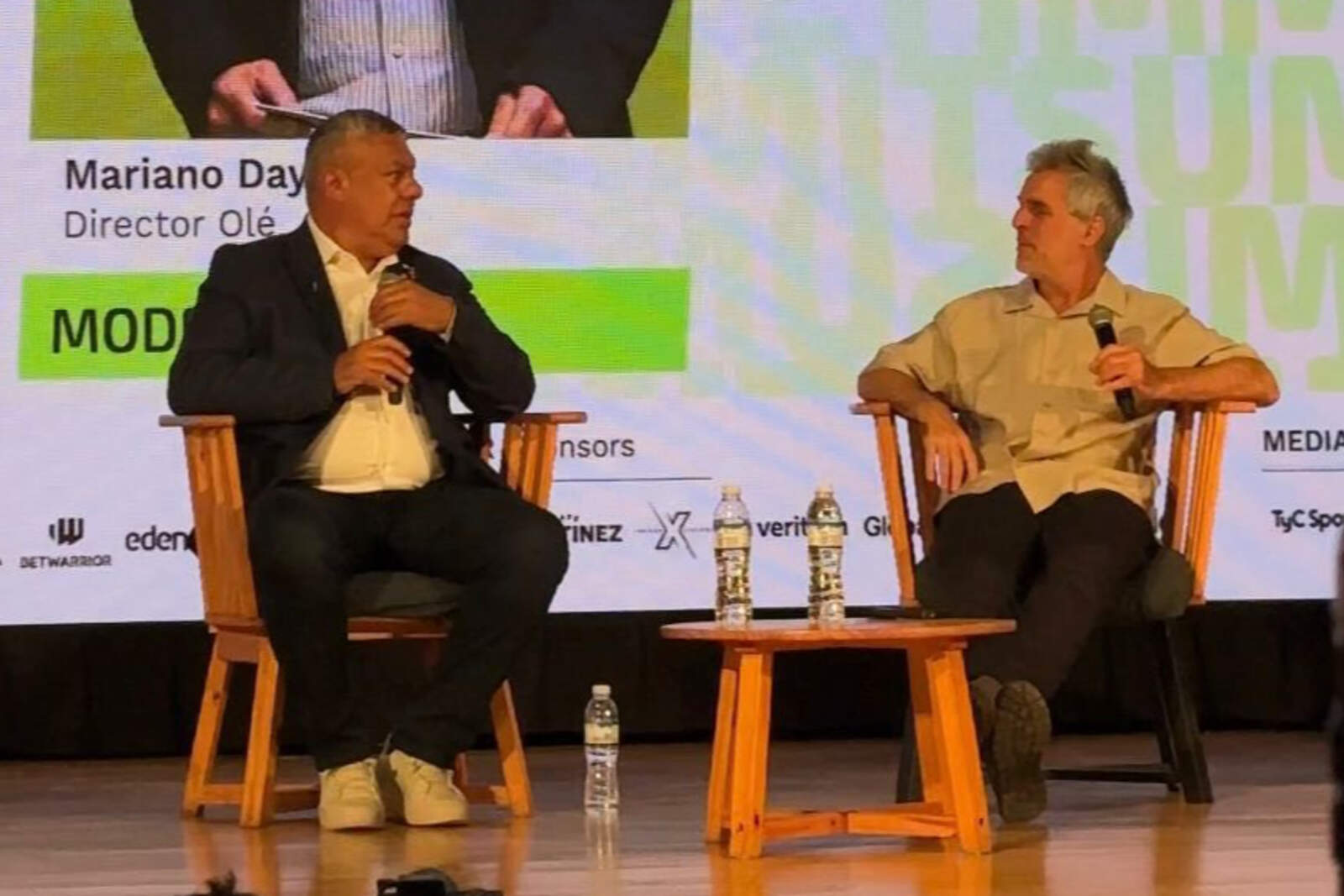
However, during the Olé Summit, the boss tried to shift the focus of the discussion by targeting players and coaches. "Players win and lose matches, and sometimes it seems like they never lose them, or that coaches never make mistakes in their approaches. It seems like it's always because the referee made a mistake".
The defense continues with a relativization that, for many, is incomprehensible in the current context: "Sometimes you have to put yourself in each person's place. Someone who watches all the matches knows that there may be some human error that the media overlooks and doesn't show. Argentine refereeing is not that bad".
Para Tapia, el arbitraje argentino no es "tan malo"
Tapia also appealed to history to dilute responsibility, bringing up examples that are far from improving the institution's image: "There is always suspicion. It has always existed, from Grondona with Arsenal. They talk about Riestra, which went 25 matches without losing at home: how could they be favored for so many matches? Also that Aldosivi was going to be harmed because I am from San Juan. They lost and San Martín was relegated".
Although he ended up acknowledging the existence of controversial decisions, he insisted once again that these are solely unintentional errors: "We know that there are also mistakes that are human, that are decided in fractions of a second, and that fans see as something that harms the other. It's not always the referee's fault, because when a team loses it's because the other one outperforms them. There are surely refereeing errors and we are working to correct them".
The problem for Tapia is that his discourse no longer convinces anyone. In a football world worn down by permanent suspicions, inconsistent refereeing, and an institutional transparency that remains a structural debt, his explanations sound insufficient and, for many, disconnected from reality.
Meanwhile, as controversies pile up and trust erodes, AFA still fails to offer substantive answers. The president's message, more defensive than self-critical, only deepens the gap between the leadership of Argentine football and those who support it week after week: the fans, the players, and the clubs themselves.