The European Union took an important step in the accession process of Ukraine and Moldova by reaching an agreement among its 27 member states to open negotiations on the first block of accession chapters, a decision that comes after Kyiv and Budapest managed to resolve a prolonged dispute related to the rights of the Hungarian minority in Ukrainian territory.
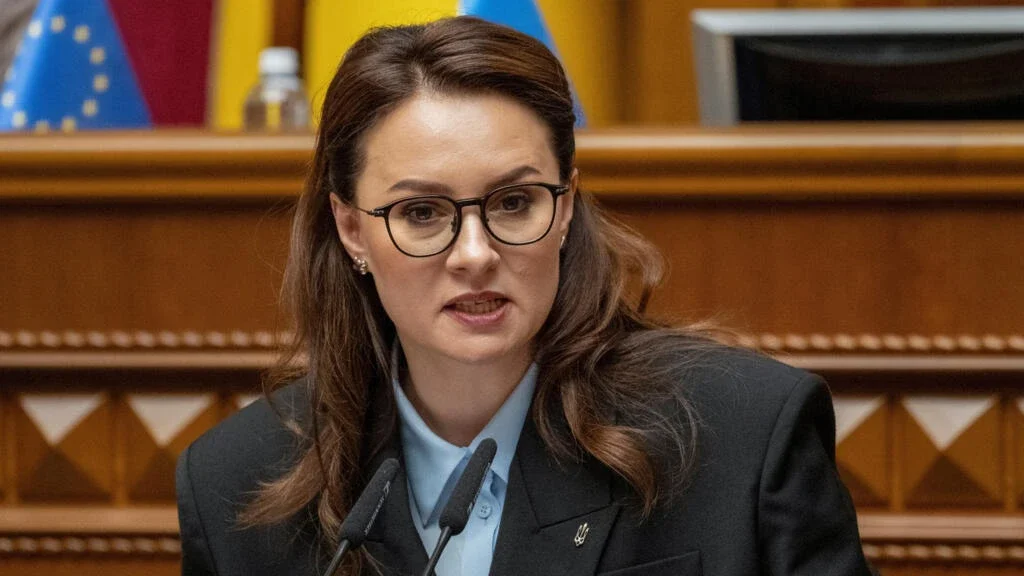
The Prime Minister of Ukraine, Yulia Svyrydenko, celebrated the decision and stated that her country is getting closer to achieving its strategic goal of joining the community bloc.
''We are one step closer to membership in the European Union,'' wrote the Ukrainian head of government after the agreement was announced.
The rotating presidency of the EU, currently held by Cyprus, confirmed that preparations have already begun for the formal opening of negotiations corresponding to the first group of chapters, focused on issues related to the rule of law, democracy, institutions, and fundamental rights.
European authorities described the progress as a significant milestone for the integration of both countries and noted that the decision reflects the unity of the bloc at a time of significant geopolitical challenges.
The Prime Minister of Ukraine welcomed the European Union's decision to move forward with the process of integrating Ukraine and Moldova into the community bloc.
The unlocking of negotiations was made possible after Ukraine and Hungary reached an agreement on the situation of the Hungarian community that mainly resides in the Ukrainian region of Transcarpathia. For over a year, Budapest had used its veto power to hinder the progress of Ukraine's candidacy due to disagreements over linguistic and cultural guarantees for that minority, which consists of approximately 100,000 people.
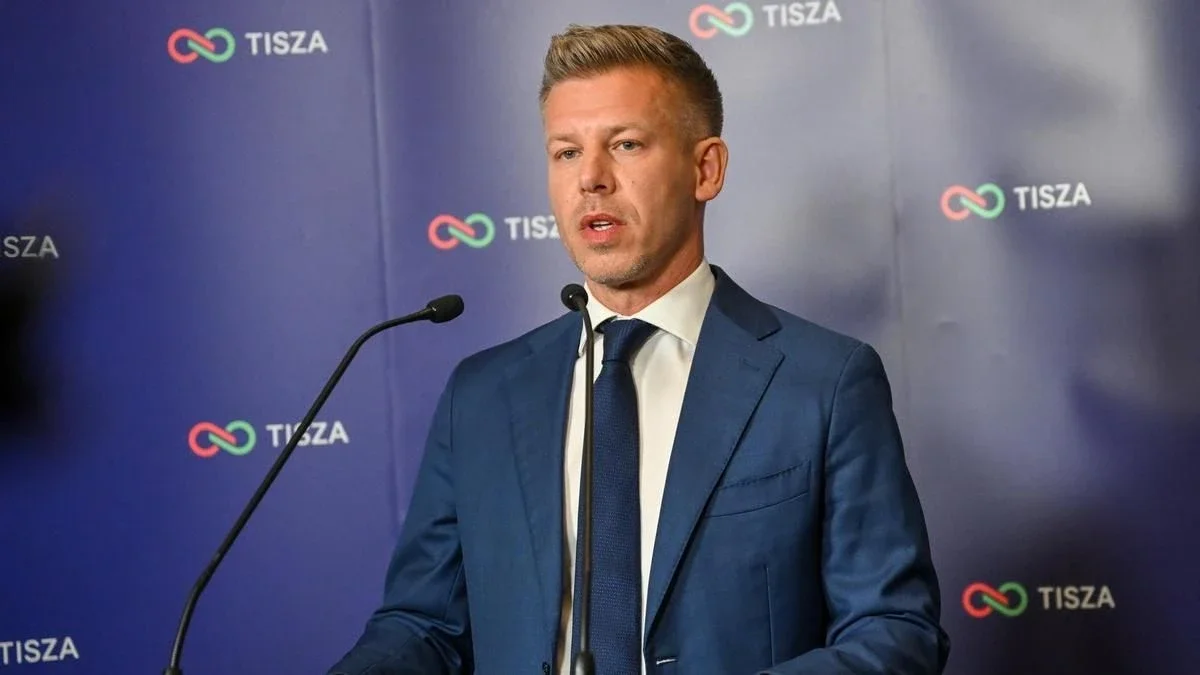
The pro-Brussels Hungarian Prime Minister, Peter Magyar, announced that both governments managed to resolve the differences that were preventing progress in the accession process. The news was welcomed by European institutions, which consider the issue of national minorities one of the key aspects within the enlargement negotiations.
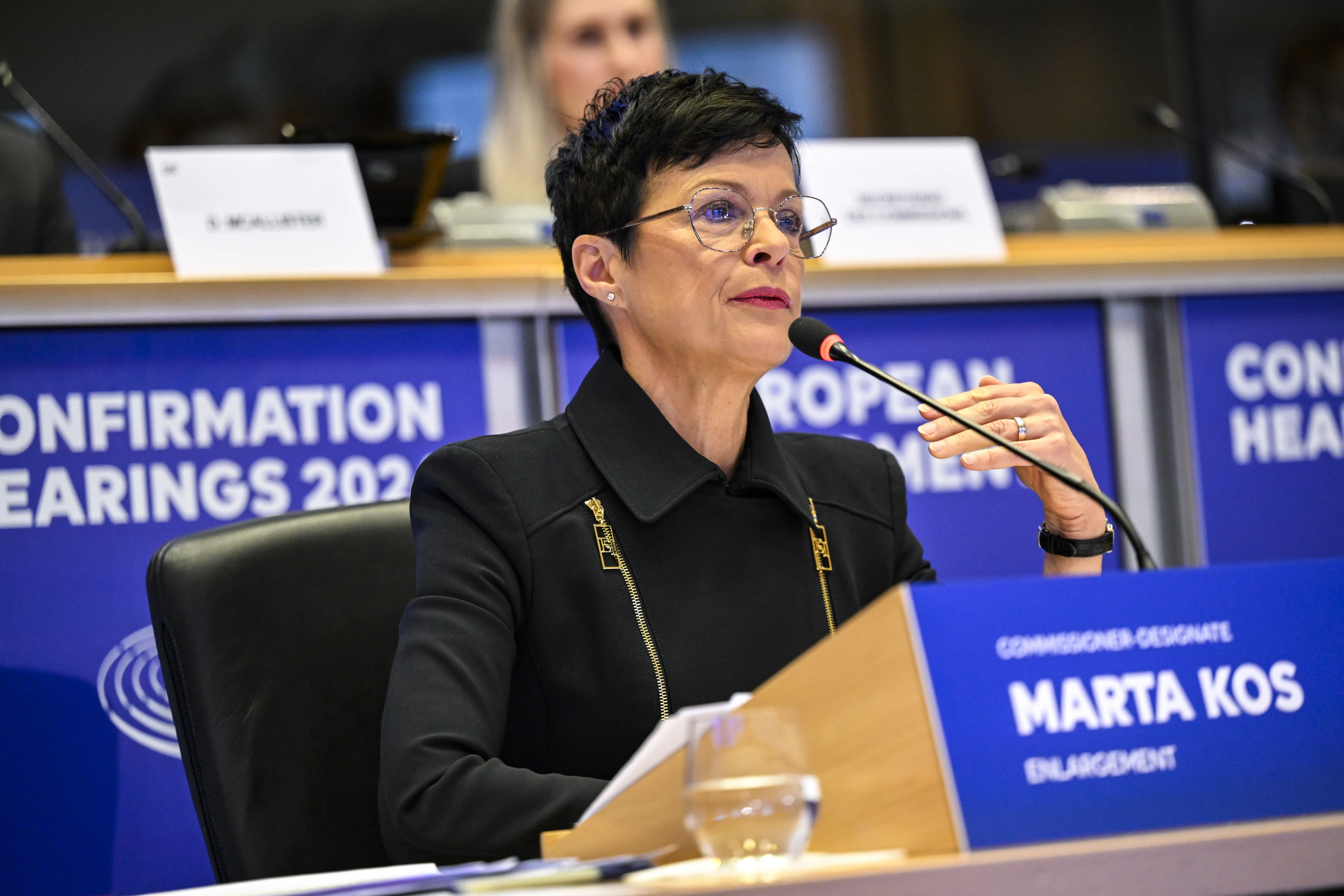
The European Commissioner for Enlargement, Marta Kos, assured that the agreement between Kyiv and Budapest paves the way for new progress in Ukraine's candidacy. She explained that resolving this dispute eliminates one of the main political obstacles blocking the start of formal negotiations.
The European Union employee, Peter Magyar, noted that they managed to resolve the differences between Ukraine and Hungary but assured that the integration process will be very lengthy.
European diplomatic sources indicated that the official opening of the first negotiation block could take place during a ministerial meeting scheduled for mid-June in Luxembourg. Although the definitive date has not yet been confirmed, there is an expectation that the process will be formalized between June 15 and 16.
Accession to the European Union takes place through six major negotiation groups, known as ''clusters,'' which cover political, economic, legal, and institutional areas. Each of them includes various chapters that must be negotiated individually and approved unanimously by all member states.
European diplomats noted that, in addition to the first block, the sixth negotiation group, related to external relations, could also be opened soon. Furthermore, there is the possibility of advancing in some chapters linked to economic competitiveness and certain aspects of the internal market.
European Union officials explained that the advancements allow for progress in Ukraine's candidacy.
However, several officials acknowledge that the war between Ukraine and Russia continues to create difficulties for progress in some specific sectors. Negotiations related to the free movement of goods, services, and people could face greater obstacles as long as the conflict persists.
Complex debates are also anticipated in areas such as agriculture and transport. Some member countries, especially Poland, have reservations about the impact that the future economic integration of Ukraine could have on European producers, particularly in the agricultural sector.
Despite the progress made this week, European authorities emphasize that Ukraine's accession remains a long-term process. The country will need to complete and close 33 negotiation chapters before it can become a full member of the European Union.
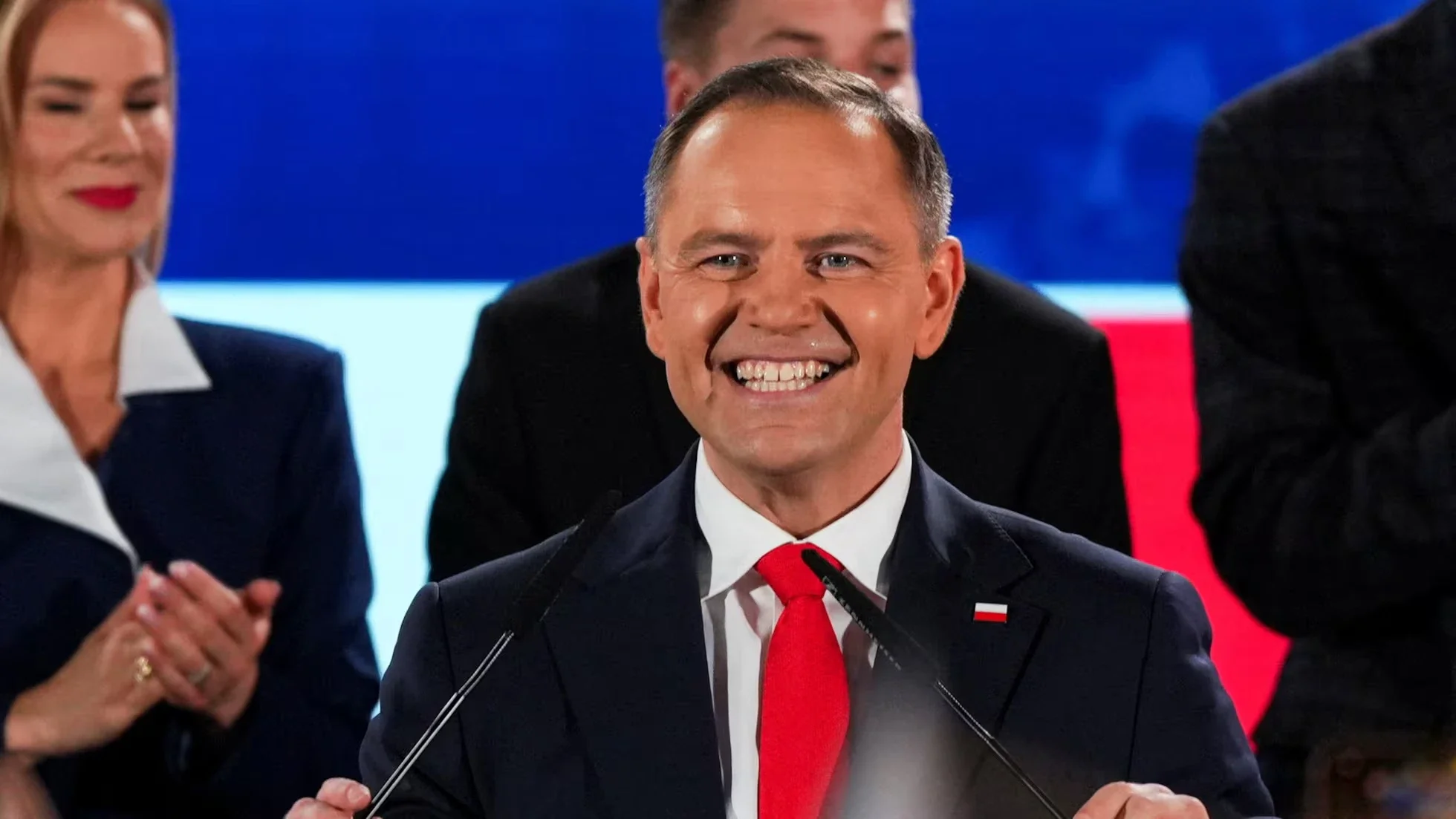
Karol Nawrocki, president of Poland, one of the countries that maintain value reserves in the face of Ukraine's accession process.
Peter Magyar himself acknowledged that the road ahead will still be long. He indicated that even in a favorable scenario, Ukraine could need between ten and fifteen years to meet all the requirements set by Brussels. Additionally, he noted that Hungary plans to submit any potential Ukrainian accession to a popular vote before supporting its definitive entry.
Meanwhile, both Ukraine and Moldova believe that the opening of these negotiations represents a politically significant signal. For both countries, moving towards European integration constitutes a strategic priority amid a regional scenario marked by war, geopolitical tensions, and the pursuit of greater economic and political stability.