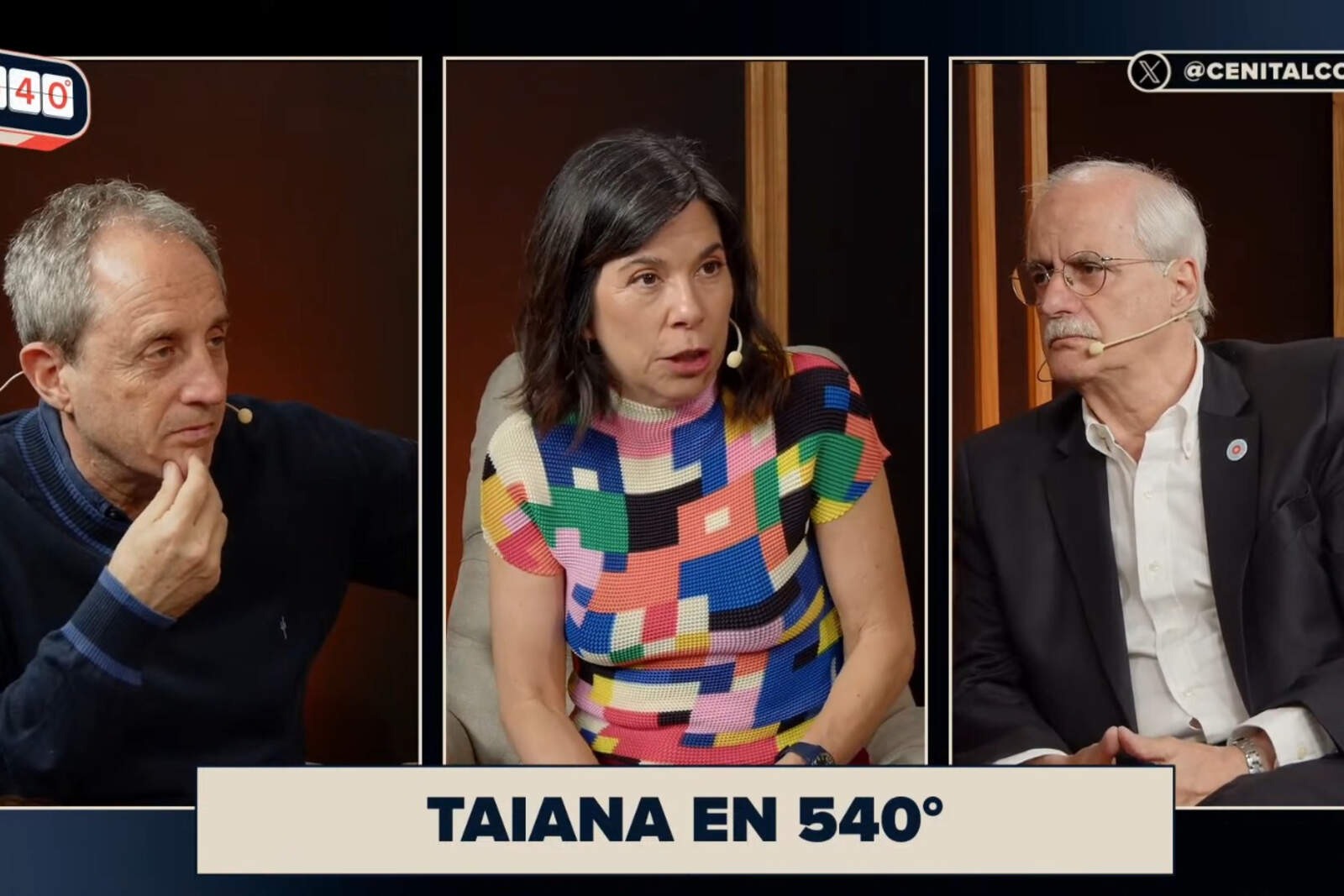

In an interview with Tenembaum and O'Donnell, the Kirchnerist congressional candidate downplayed the allegations of drug trafficking and repression in Venezuela
The Kirchnerist candidate Jorge Taiana once again demonstrated his affinity with left-wing authoritarian regimes on the program hosted byErnesto Tenembaum and María O’Donnell. He openly defended Nicolás Maduro's narco-state and attempted to downplay the serious human rights violations in Venezuela.
When asked whether he considered Venezuela a dictatorship, Taiana avoided giving a clear answer and preferred to focus his speech on an alleged “threat of U.S. intervention” in the Caribbean country. “It has a system of democracy that, I think, has a series of flaws and has a certain authoritarian character in some cases,” he limited himself to saying, attempting to justify the Chavista regime.
Taiana en Cenital.
In response to this evasion, journalist María O’Donnell reminded him: “Democracy means free and competitive elections, and that didn't happen.” Taiana, at a loss for words, replied: “No... it didn't happen... there were some elections, candidates who won, and very strong accusations from a very large sector of the opposition.”
When O’Donnell pointed out that one of the main candidates, María Corina Machado, had been banned, the former minister barely managed to dodge the issue. He argued that she was excluded on her own merits.
Later, journalist Ernesto Tenembaum pointed out the existence of hundreds of Venezuelan exiles in Argentina and in the region, the result of Chavismo's political persecution. Far from empathizing, Taiana once again diverted the discussion by comparing the situation to Paraguayan migration in our country: “There are also Paraguayans and nobody criticizes them,” he stated, even going so far as to question the democratic quality of Paraguay.
His discourse fits with the line that Kirchnerism has historically maintained regarding the Caracas regime: minimizing international complaints, downplaying Chavismo's crimes, and blaming the United States for all regional ills.

During his time as foreign minister and later as defense minister, the former guerrilla has also been singled out for his history of ties with authoritarian governments and judicial cases, ranging from accusations of abuse of authority to alleged irregularities in Tandanor when he was an official under Alberto Fernández.
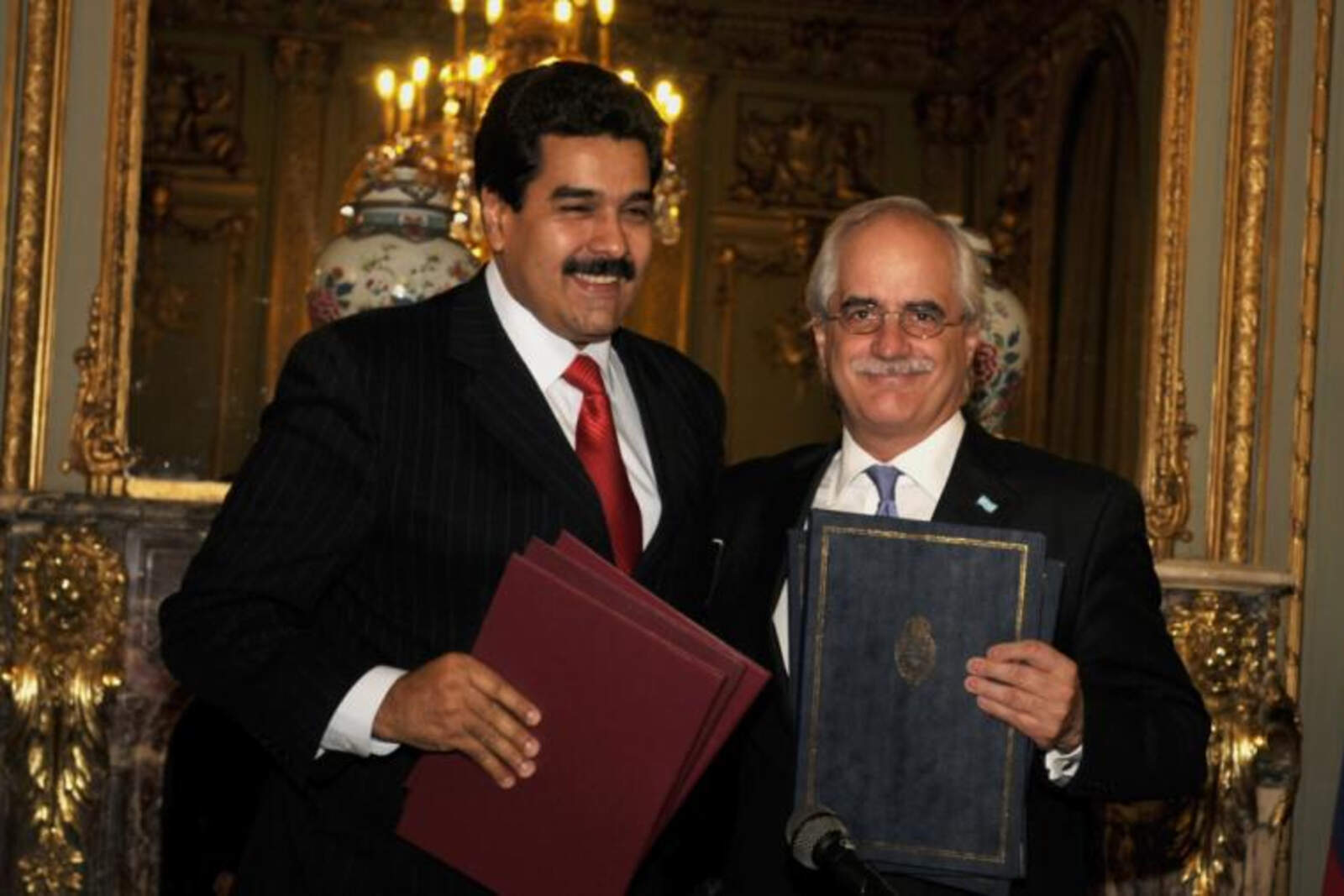
Taiana junto a la condenada.
Meanwhile, eight American countries currently support the diplomatic offensive to isolate Maduro's narco-state, Taiana's defense exposes Kirchnerism's double moral standard: they condemn liberal and democratic governments, but protect dictatorships when they're left-wing.
Taiana's selective silence and constant justification are not an accident: they're the norm for a political space that prefers to align itself with criminal regimes rather than acknowledge the failure of leftist ideas.