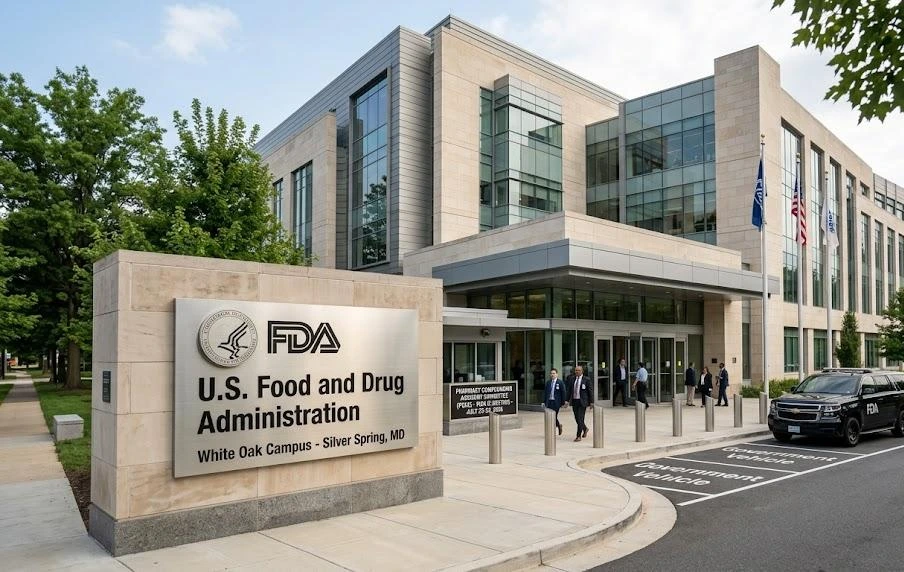

The U.S. Food and Drug Administration has authorized a robotic device designed to automate blood draws in clinics and other outpatient settings. This is the first of its kind to receive this approval for outpatient use.
The device, called Aletta, is an autonomous system capable of drawing blood from a patient's arm. It uses near-infrared light and Doppler ultrasound to locate a suitable vein before proceeding with the rest of the procedure.
Once the vein is identified, the robot takes care of applying the tourniquet, inserting the needle, disposing of it, and applying a bandage to the puncture site. The entire process is automated following the initial intervention of trained personnel.
A trained phlebotomist must initiate the procedure and supervise the operation of the equipment while in use. However, a single person can control up to three Aletta units at the same time, which multiplies the capacity for care.
Response to Staff Shortages
Michelle Tarver, director of the FDA's Center for Devices and Radiological Health, noted that blood draws are among the most common medical procedures in the United States. “Patients may face delays due to a growing shortage of trained phlebotomists,” she stated.
The authorization was based on clinical data demonstrating that Aletta achieves success rates in blood draws comparable to or exceeding those of a human phlebotomist. These results were key to the regulatory approval.

The device aims to reduce wait times in laboratories and clinics, especially in areas where a lack of qualified staff creates bottlenecks. The ability for a single operator to supervise multiple machines represents a significant change in work organization.
Despite the approval, it has not yet been reported when it will begin to be installed in medical offices. The effective arrival will depend on commercial factors and the adaptation of each healthcare center.
A Step Towards Clinical Automation
The incorporation of this type of technology seeks to respond to a growing demand for laboratory services without proportionally increasing the number of available professionals. The system does not eliminate human presence but complements it with remote supervision of multiple units.
Patients will continue to interact with a phlebotomist at the beginning of the process, who verifies the conditions and activates the robot. From there, Aletta executes the mechanical stages with precision guided by imaging and ultrasound sensors.
The combination of near-infrared light and Doppler allows for the detection of blood flow and vein depth, reducing the likelihood of failed punctures. This technological approach underpins the clinical results presented to the regulatory agency.
With the official authorization, the device is enabled for use in outpatient settings under the established supervision conditions. The next challenge will be practical implementation and evaluation of its performance in the real-life setting of clinics.