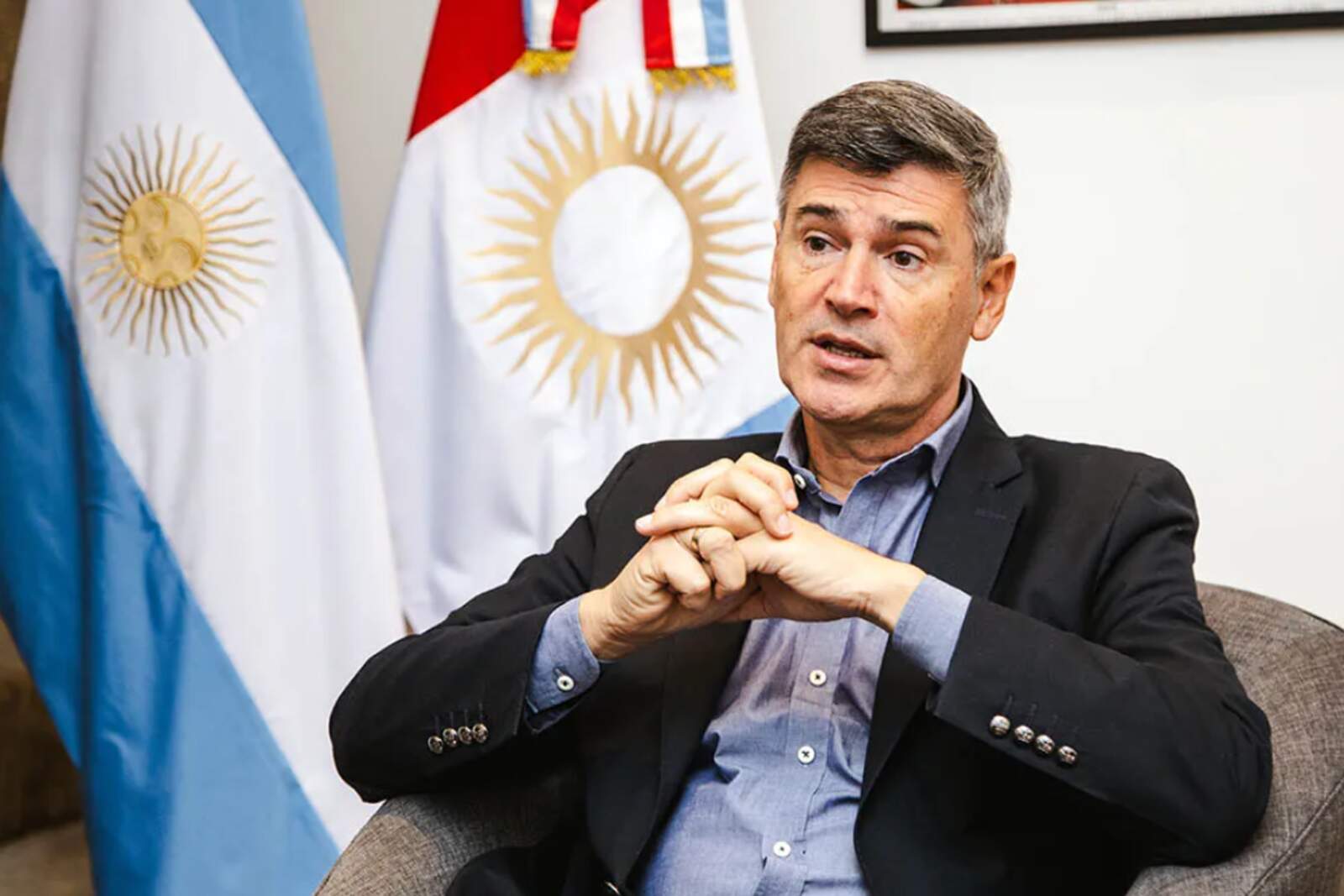

It seems Daniel Passerini had no choice but to look at the accounts and accept what he always denied: Córdoba can no longer bear the exorbitant municipal political spending. The mayor, back after his medical leave, is preparing a major cut in the municipal structure. Not out of conviction, but because the message from the polls and the economic reality pushed him toward the adjustment he tried so hard to avoid.
The idea of reducing undersecretariats, directorates, and subdirectorates has been long awaited by residents who demand fiscal responsibility and less politics. However, behind the austerity rhetoric lies an uncomfortable truth: Passerini is making cuts out of obligation, not ideological decision. His administration is suffocated by inherited debts and a state apparatus that he personally made even larger than necessary.
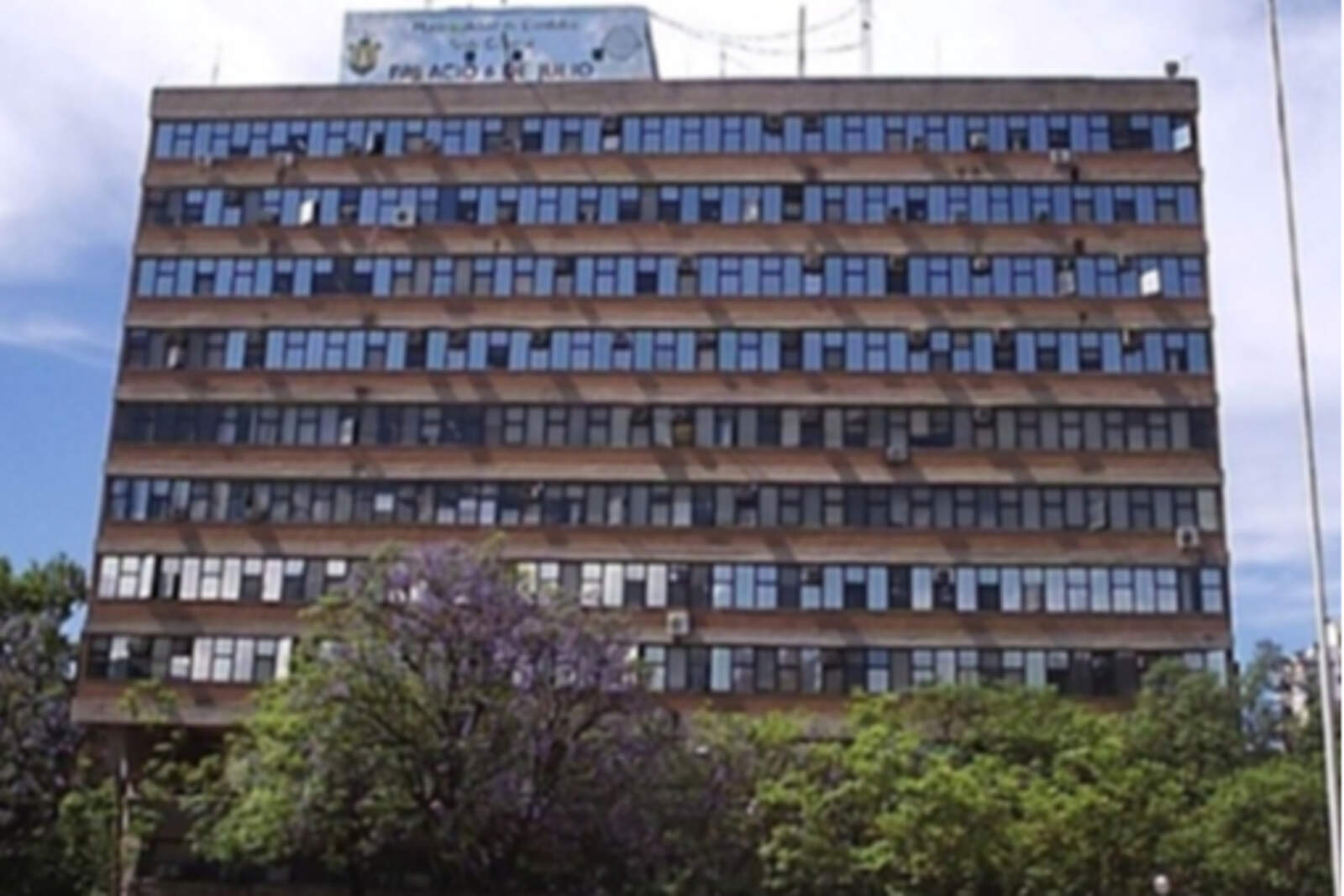
Even before returning to the Palacio 6 de Julio, there were already financial maneuvers to cover immediate gaps. The issuance of bonds for up to 70 billion pesos (154,324,000 pounds) aims to refinance urgent commitments, while leases are suspended and offices are rearranged. Rather than a management relaunch, it seems like a political lifeline.
The adjustment he did not want to make
Within the municipal environment, people speak of "rationalizing expenses," an elegant phrase for a tourniquet that comes too late. The accounts do not balance and the maturities of external debt—about 50 million dollars—have become an impossible obstacle to avoid. Passerini, who always defended and promoted the expansion of the State, now must do exactly the opposite.
The notable lack of national assistance worsens the outlook for Passerini, because help from Buenos Aires is no longer an option. No subsidies, no extraordinary transfers: the municipality will have to manage on its own. Transportation, services, and the drop in revenue leave the mayor facing the reality of an oversized administration.