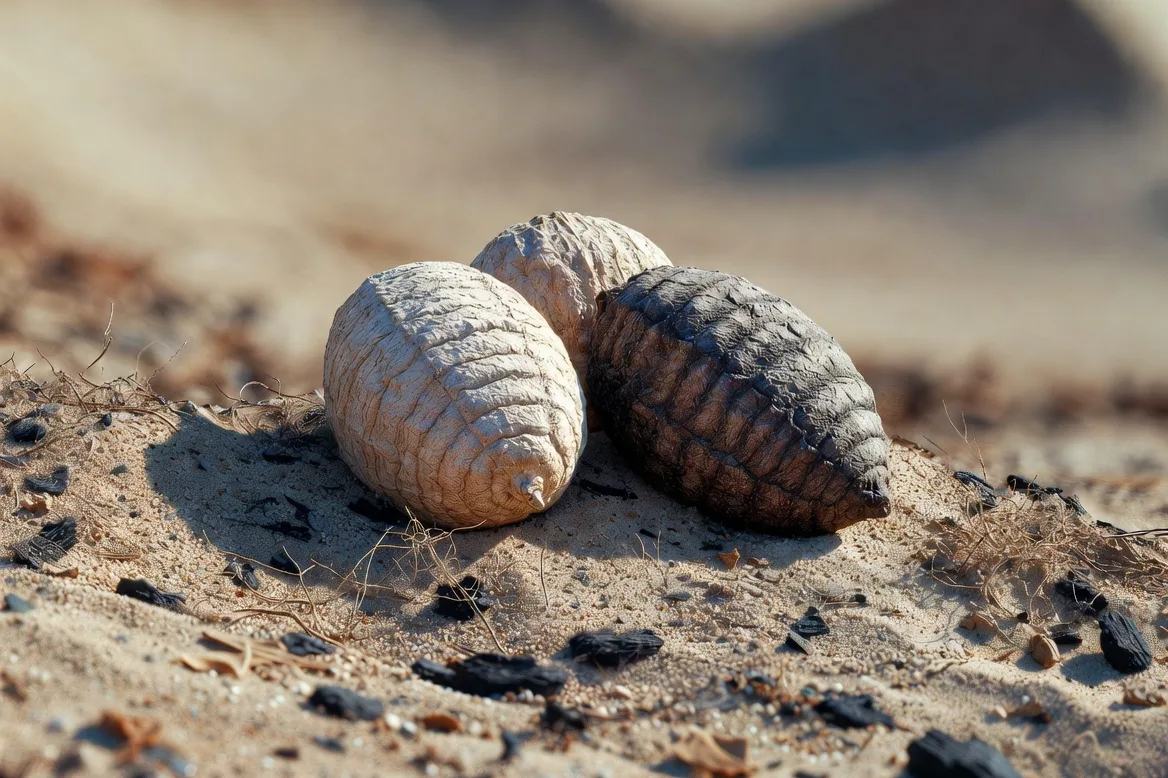

The oldest silk worm cocoons outside of China found in Uzbekistan

The oldest silk worm cocoons outside of China found in Uzbekistan
Imagen de Editorial Team
porEditorial Team
Argentina

Archaeologists discovered evidence of silk worm farming at a Bronze Age site dated around 2000 B.C., long before the Silk Road

Add La Derecha Diario on
Share:

A team of Chinese and Uzbek archaeologists discovered at the site of Sapalli Tepe in Uzbekistan the oldest known evidence of silkworm cultivation outside of China. During excavations at this Bronze Age settlement, they recovered three well-preserved cocoons that confirmed the presence of the species Bombyx mori.

Protein analyses of silk extracted from these cocoons, combined with radiocarbon dating, place the finding around 2000 B.C. As explained by archaeologist Xinyi Liu from Washington University in St. Louis, this is the oldest and most reliable archaeological record of preserved silkworm cocoons with direct dates.

Liu highlighted an interesting fact: even in China, where the silkworm was originally domesticated, no cocoons this old have been preserved. The challenges of archaeological preservation in that territory partly explain the absence of equivalent remains.

Until this discovery, most researchers believed that silk products and the associated technology arrived in the Central Asian region about two thousand years later, coinciding with the development of the Silk Road. The new finding forces a reevaluation of that timeline.
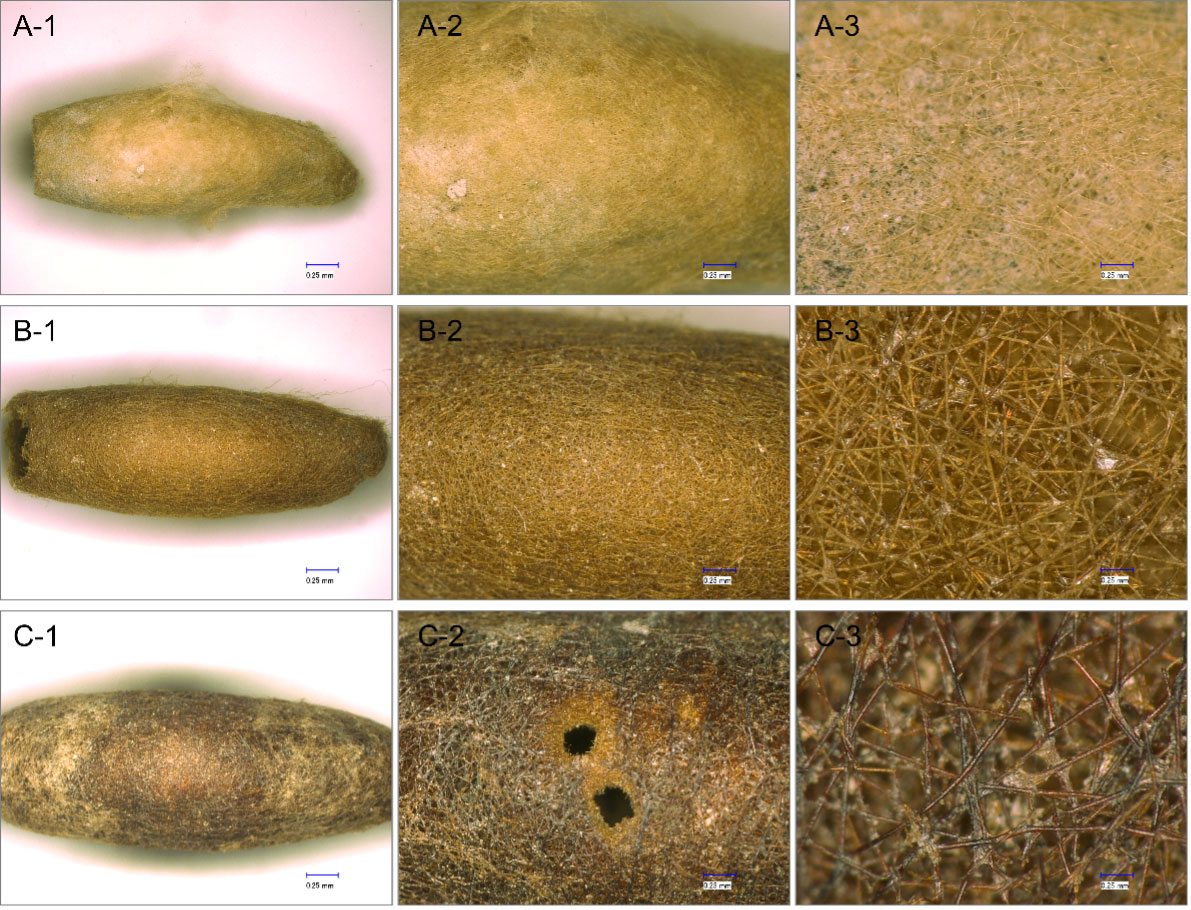
News - Earliest Evidence of Silkworm Cultivation Found Outside of China - Archaeology Magazine

A Change in the History of Silk

The presence of Bombyx mori cocoons at Sapalli Tepe suggests that silkworm breeding was practiced in the area much earlier than previously thought. This is not just about remains of imported fabrics, but direct evidence of local cultivation or technical knowledge already established in the region.
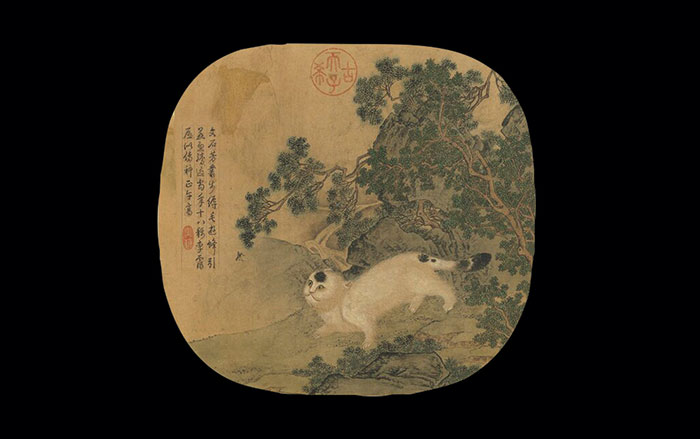

The site of Sapalli Tepe, located in present-day Uzbekistan, corresponds to a Bronze Age community that maintained contacts with other cultures of Inner Asia. The discovery of these cocoons adds a key piece to the map of early sericulture diffusion.

Experts emphasize that the preservation of organic material from that antiquity is exceptional. The three cocoons allowed not only for species identification but also for obtaining reliable dates, something that is rarely achieved with such fragile remains.

News - Earliest Evidence of Silkworm Cultivation Found Outside of China - Archaeology Magazine - image 2

This advancement adds to other studies on the history of silk in Asia. Until now, the dominant narrative linked the arrival of silk technology to trade routes that were established much later. The evidence from Sapalli Tepe shows that exchanges or the transmission of knowledge related to the silkworm occurred at a considerably earlier stage.

Implications for Research

The work, published in the scientific journal Science Advances, raises new questions about how and why the knowledge of silkworm breeding spread so early. It also invites a review of other Bronze Age sites in search of possible similar traces that may have gone unnoticed.

Xinyi Liu insisted that this is the most reliable record of preserved cocoons with direct dates. This methodological precision is central to supporting the claim that sericulture existed outside of China two millennia earlier than previously accepted.


La Derecha Diario logo
TwitterInstagramYouTubeTikTokFacebook
Derecha Diario TV

Nosotros

  • Quienes Somos
  • Autores
  • Donar

Privacidad

  • Protección de datos
  • Canales
  • Sitemap
  • RSS

Contacto

  • info@derechadiario.com.ar
PUBLICIDAD

Related news

Iran conditioned dialogue with the US on Washington accepting its demands and will keep the Strait of Hormuz closed

Iran conditioned dialogue with the US on Washington accepting its demands and will keep the Strait of Hormuz closed

Franco Colapinto revealed Flavio Briatore's demands at Alpine: "He is a competitive animal"

Franco Colapinto revealed Flavio Briatore's demands at Alpine: "He is a competitive animal"

The worrying negative streaks that River reached after the defeat against Tigre

The worrying negative streaks that River reached after the defeat against Tigre

Choosing not to choose is already to have lost: the political problem of centrist parties

Choosing not to choose is already to have lost: the political problem of centrist parties

Unusual goal celebration in Brazil: jumped a barrier, fell into the tunnel of the locker rooms, got injured, and his goal was disallowed

Unusual goal celebration in Brazil: jumped a barrier, fell into the tunnel of the locker rooms, got injured, and his goal was disallowed

Bronze statuettes and human remains found in an Etruscan sacred well

Bronze statuettes and human remains found in an Etruscan sacred well

La Derecha Diario logoLa Derecha Diario logo
ESX logoInstagram logoYouTube logoTikTok logoFacebook
ARGENTINAUNITED STATESECUADORISRAELMEXICODERECHA DIARIO TV
  • ES
    XInstagramYouTubeTikTokFacebook
  • DERECHA DIARIO TV
  • Sections
  • ARGENTINA
  • UNITED STATES
  • ECUADOR
  • ISRAEL
  • MEXICO
  • URUGUAY
  • Countries
  • La Derecha Diario logoLA DERECHA DIARIO
  • La Derecha Diario México logoLA DERECHA DIARIO MÉXICO
  • La Derecha Diario Uruguay logoLA DERECHA DIARIO URUGUAY
  • La Derecha Diario Ecuador logoLA DERECHA DIARIO ECUADOR
  • La Derecha Diario Israel logoLA DERECHA DIARIO ISRAEL
  • La Derecha Diario Estados Unidos logoLA DERECHA DIARIO ESTADOS UNIDOS
  • Topics
  • GUERRA EN IRÁN
  • The Newspaper
  • QUIENES SOMOS
  • AUTORES
  • PUBLICIDAD
  • DONAR






