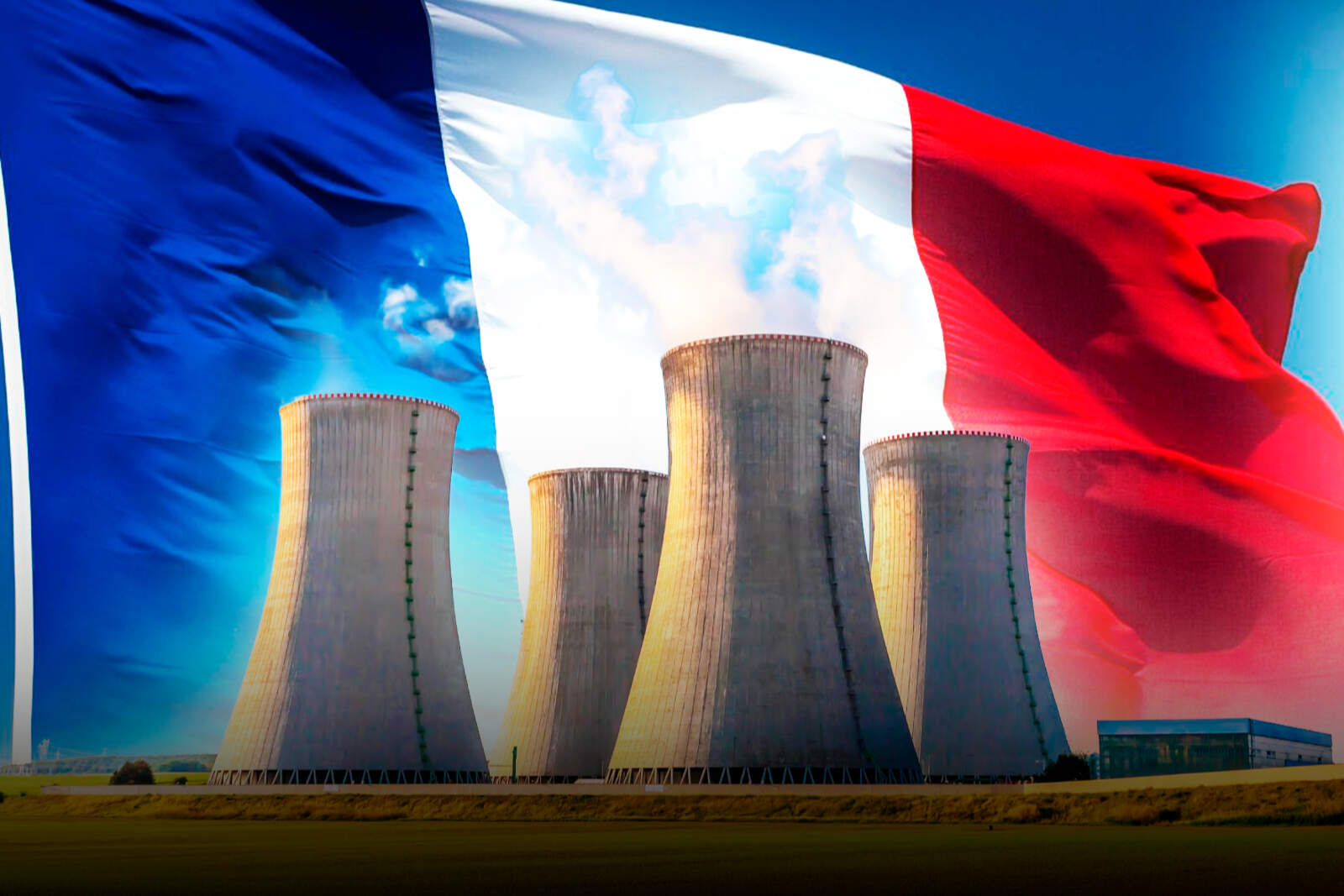
After years of criticism of nuclear energy, prioritizing the environmental agenda, France will build one of the largest nuclear plants in the world
Compartir:
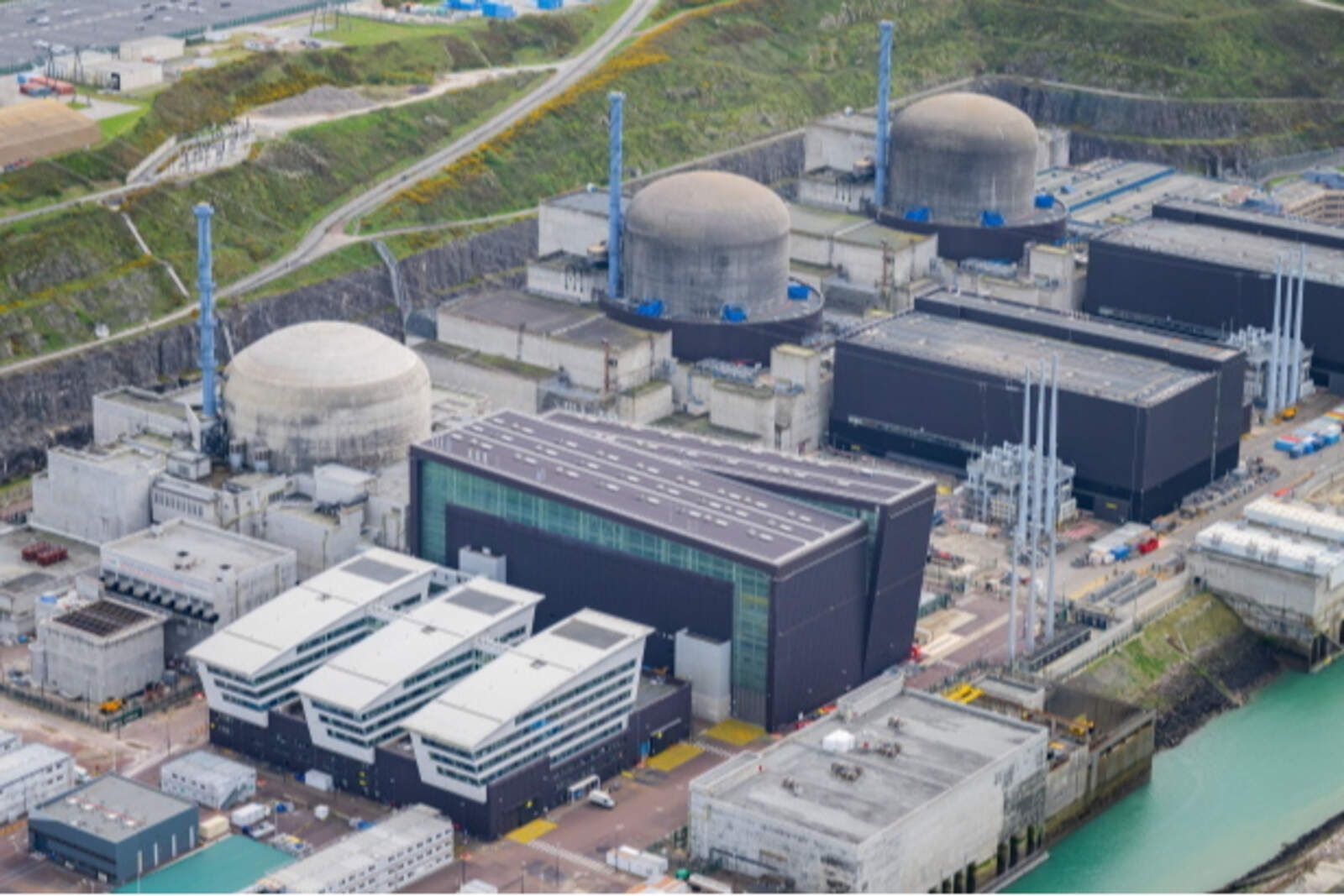
The Flamanville 3 EPR reactor, located in the northwest of France, has reached 100% of its nuclear thermal power for the first time, according to Electricité de France (EDF) in a statement dated December 14, 2025.
The milestone occurred after the authorization granted on December 12 by the Nuclear Safety and Radiation Protection Authority (ASN), which allowed the reactor to exceed the 80% power threshold and move toward its nominal regime.
Flamanville 3 is the first new nuclear reactor to enter operation in France in a quarter of a century. Connected to the national grid in December 2024, its commissioning took place 12 years after the initial schedule, following a long period marked by technical difficulties, cost overruns, and intense political and social debate on the role of nuclear energy in the energy transition.
La Central Nuclear de Flamanville alcanzó por primera vez su capacidad de potencia térmica nuclear al 100%
Despite these delays, the achievement reached this week represents an explicit endorsement of the French energy strategy, which is based on the continuity and modernization of its nuclear fleet.
Over the coming weeks, according to EDF, the reactor's power will vary as part of the commissioning program, with tests at different levels and operations in an internal electrical substation, before its full commercial operation.
Beyond the technical aspect, the entry of Flamanville 3 into full power has a strong political and cultural dimension. France has maintained its commitment to nuclear energy in a European context marked by the rise of anti-nuclear rhetoric, frequently associated with environmentalist left-wing ideological currents as opposed to industrial and scientific considerations.
Greta Thumbreg, una de las voces más incongruentes y críticas del mundo, forma parte de la organización terrorista ambientalista, Greenpeace
Meanwhile, several European countries chose in the last decade to shut down operating reactors or rule out new nuclear investments for political or ideological reasons, while France decided to uphold a long-term policy.
The government and EDF argued that nuclear energy is a key tool to guarantee energy sovereignty, supply stability, and the reduction of carbon emissions, even in the face of divided public opinion and persistent criticism.
The case of Flamanville 3 illustrates this line of continuity. Although the project was harshly questioned because of its delays, the French authorities insisted that abandoning the EPR would have meant giving up a strategic technology.
The ASN's authorization to operate at full power further underscores the French emphasis on regulation and safety, with one of the strictest regulatory frameworks in the world.
El gobierno francés defendió la política de defensa de la energía nuclear como una herramienta clave para la soberanía energética francesa
With Flamanville 3 reaching its full power, France is sending a clear message to the rest of Europe: the energy transition can't be based solely on slogans or ideological trends, but on long-term industrial decisions.
In this regard, the EPR reactor is becoming not only a technical milestone, but also a symbol of how the country has defended its energy model in the face of cultural currents that question nuclear energy as a future option.