
France experienced an exceptional episode in its energy system: on December 8, the price of electricity in the wholesale market dropped to zero, generating a period of hours in which energy was practically free. The phenomenon, reported by Bloomberg, shows the impact of a solid, diversified matrix with a strategic role for the nuclear sector.
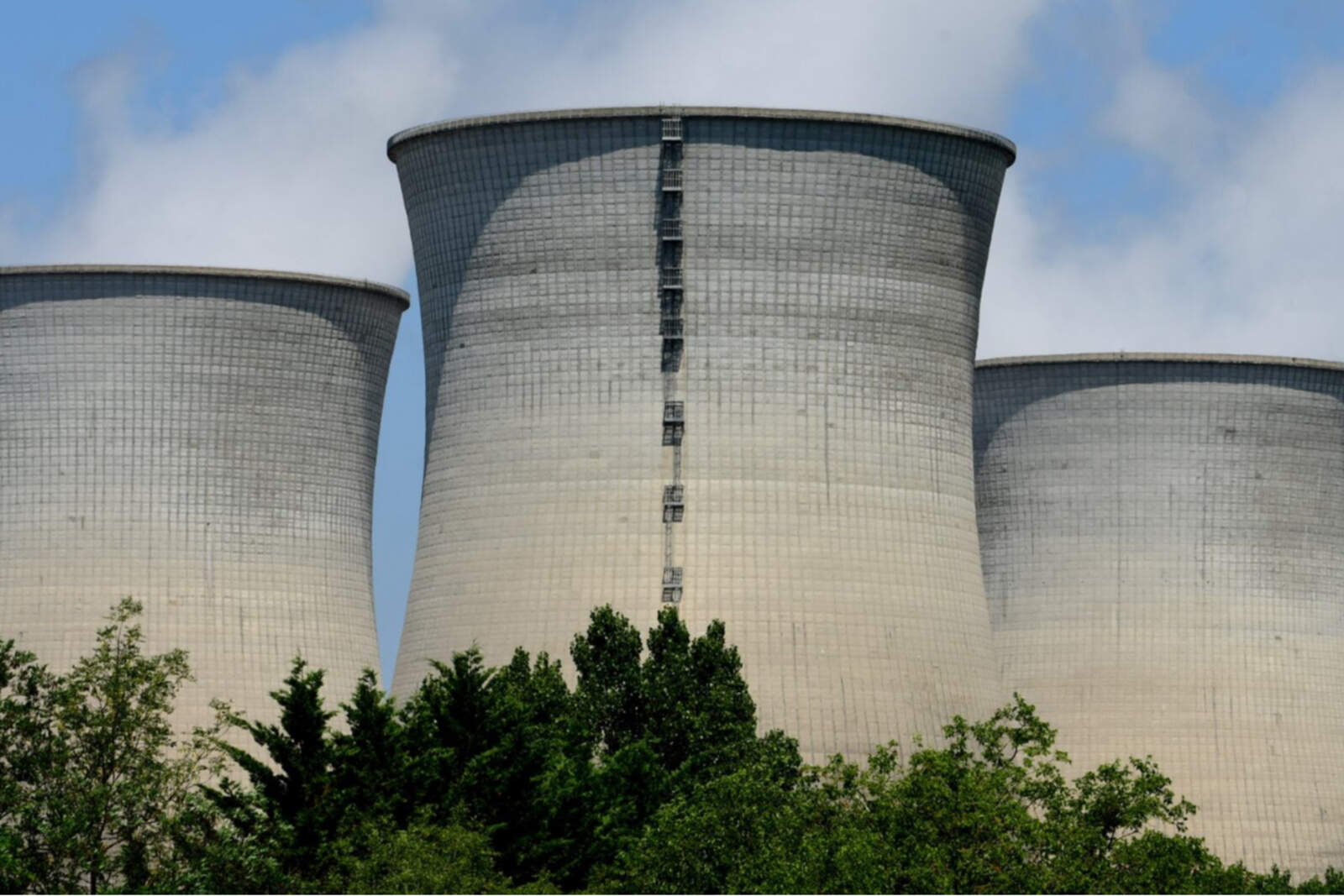
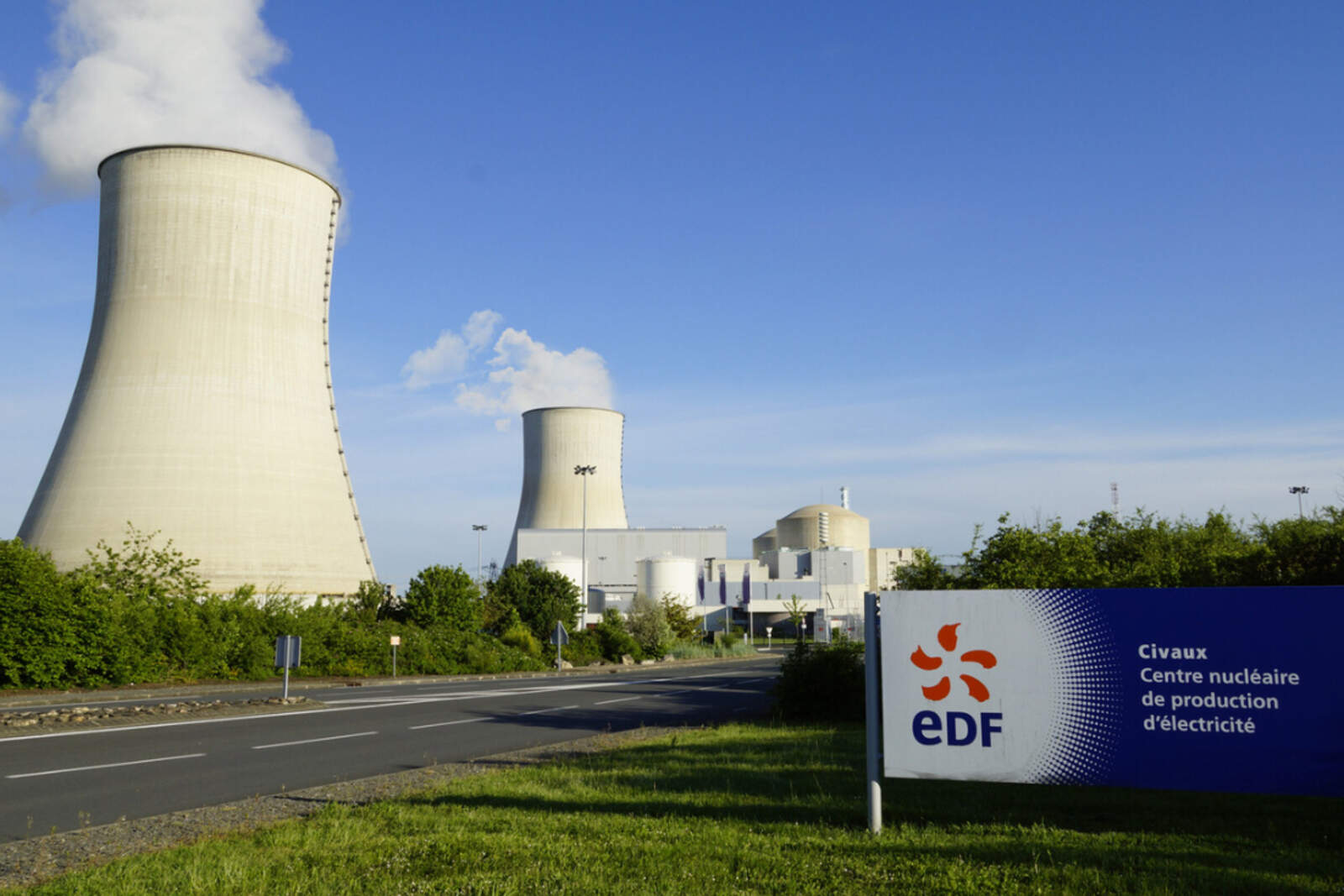
The unusually mild winter reduced the typical demand for heating, while wind coverage delivered higher-than-usual performance. On that basis, nuclear power plants—where France concentrates one of the most important infrastructures in the world—operated at 85% of their capacity, generating a surplus that pushed the wholesale value to the floor.
How the energy surplus occurred
The French electricity system is designed to respond both to domestic demand and to the need for exports to neighboring countries. However, the combination of three extraordinary factors caused a surplus that was difficult to absorb:
- Higher-than-normal temperatures, which reduced the use of heaters and electric climate control systems.
- Strong wind production, sustained by days of continuous wind.
- High nuclear availability, a central vector in the country's energy security.
The result was a momentary imbalance between supply and consumption, which drove daily market prices to zero for several hours.