They investigate the destination of allocations from the 'Argentina Hace' plan sent in 2022. They admitted using construction funds for salaries
Compartir:
National Gendarmerie raided the headquarters of the Cabalango Commune by order of the Federal Justice system as part of a corruption case. The operation seeks to clarify the destination of millions in funds sent in 2022 during Alberto Fernández's administration. Authorities are investigating allocations from the "Argentina Hace" program that were supposed to finance infrastructure.
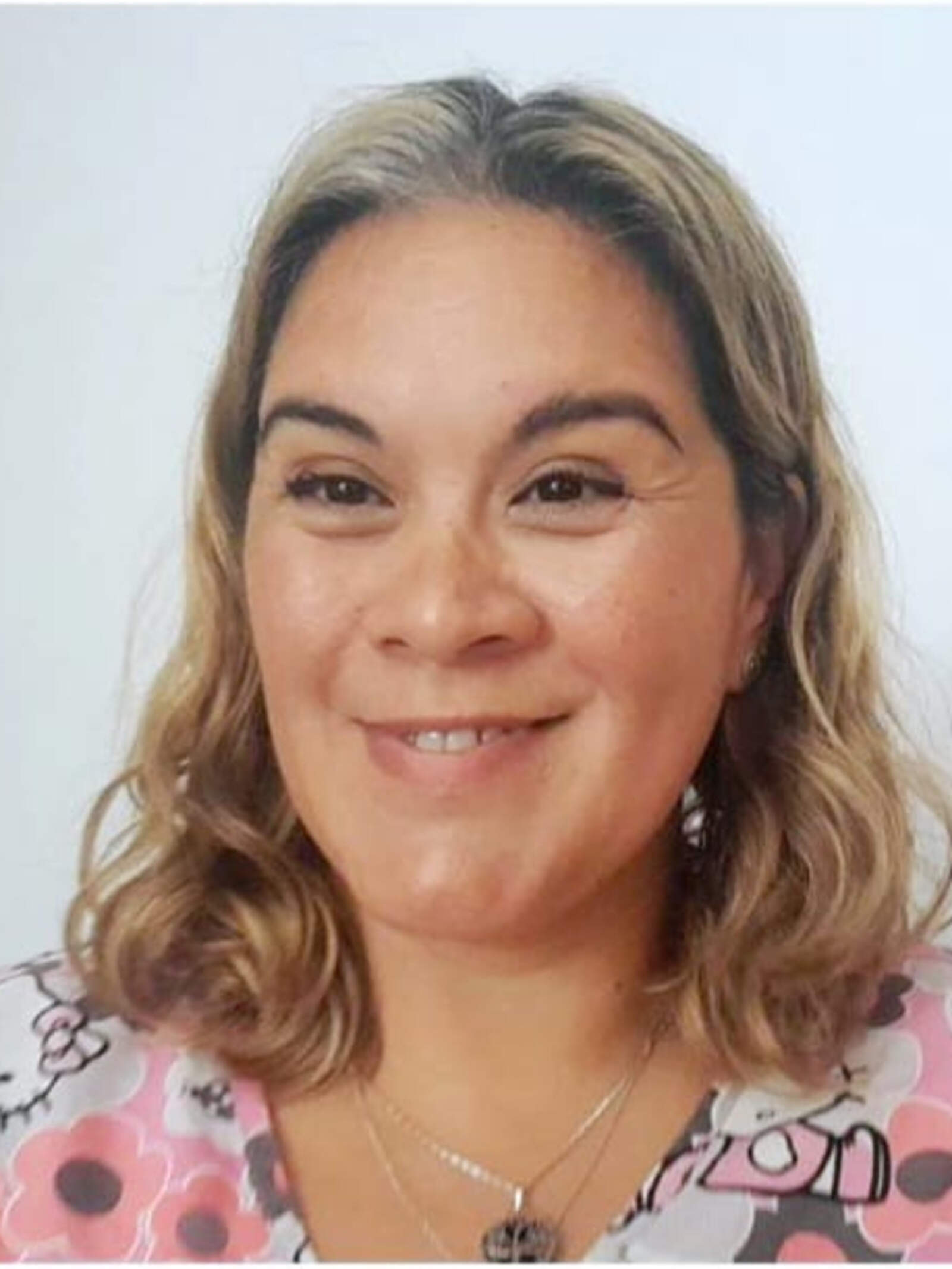
The discretionary transfers took place under the communal presidency of Natalia Sayas and the interim administration of Carla Bruno. Both officials belong to the Provincias Unidas political group and came under judicial scrutiny. The federal investigation is attempting to determine the traceability of the public coffers in that administration.
The money had a specific allocation to build a sports court, curbs and gutters, and a key waterworks project. However, the projects show serious administrative inconsistencies or were not carried out under the agreed terms.
Natalia y Carla Bruno, involucradas en la causa
Lack of control and confessions
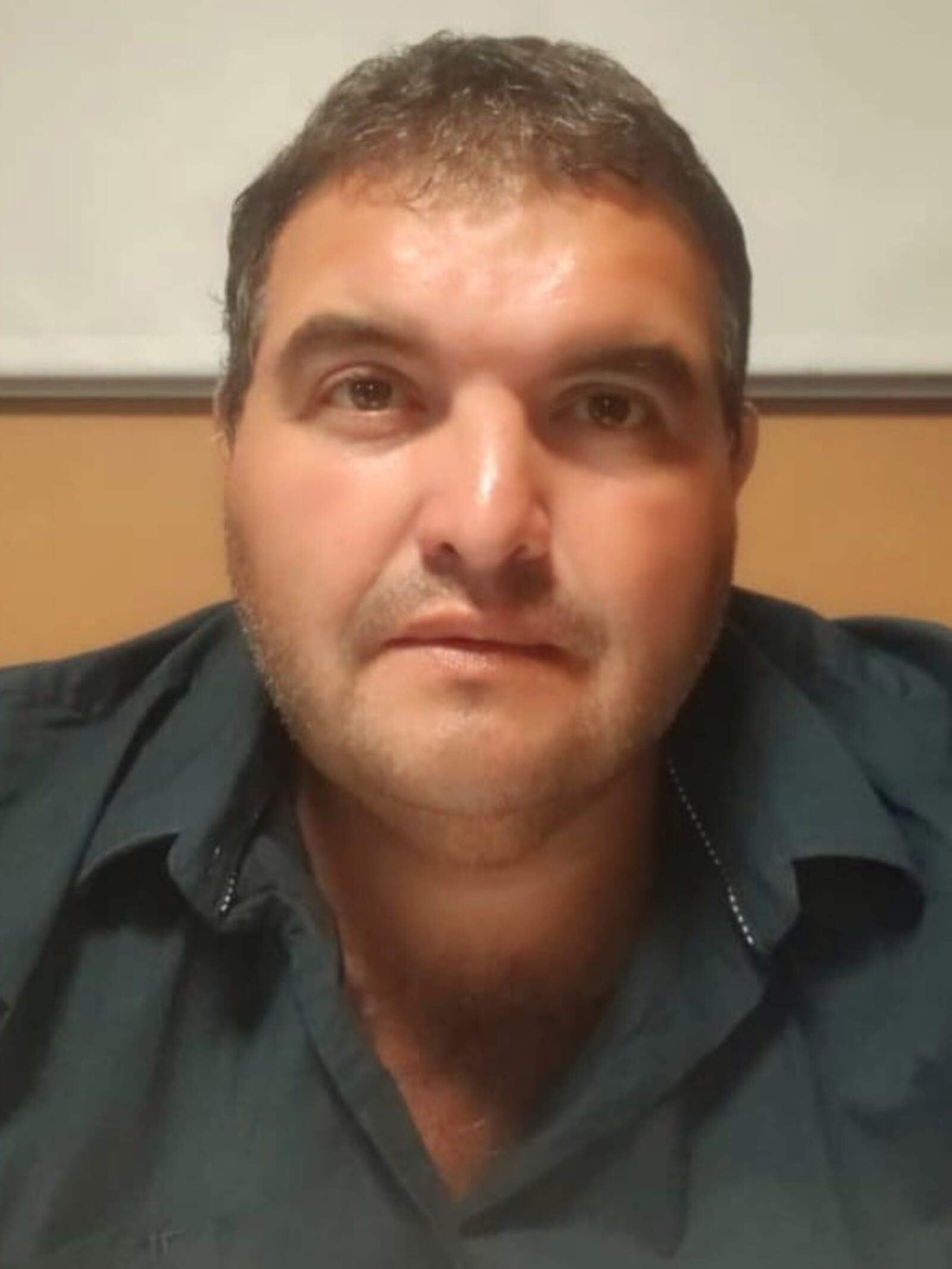
Upon taking office, President Carla Bruno and Treasurer Mario Griglio claimed that they did not know the whereabouts of the public funds. In different administrative instances, they went so far as to state that the resources "had disappeared" from the official accounts. The lack of clear records exposes the precariousness of fiscal management in the commune.
Subsequently, the treasurer acknowledged at an Assembly that the capital funds were used to pay current salaries. The official invoked an alleged internal resolution to justify the diversion of national allocations. This maneuver violates the basic principle of the specific allocation of public works funds.
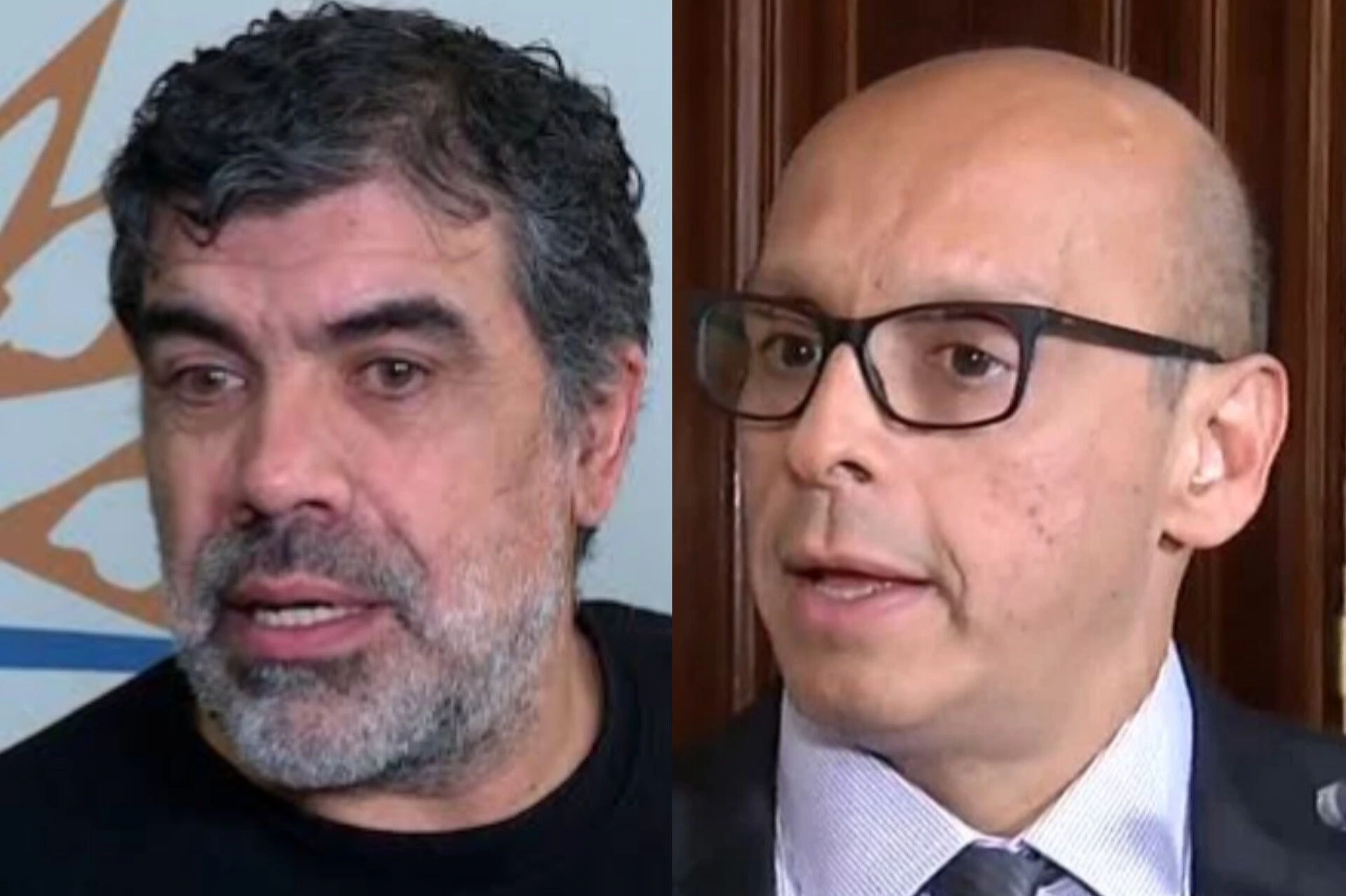
Judicial proceedings began after the criminal complaints filed by local leaders from La Libertad Avanza. Communal secretary Guadalupe Pulitta and auditor Leopoldo Pérez detected the irregularities when they took office. Both officials demanded an investigation into the final destination of taxpayers' money.
Guadalupe Pulitta, referente de LLA en la comuna, y denunciante del caso.
Blocked audit
Pulitta submitted a formal proposal to carry out a comprehensive external audit of the commune's finances. The initiative sought to make the figures transparent to residents, but it was not discussed in committee by the administration. The local ruling party blocked the possibility of opening the accounting books to scrutiny.
The federal raid confirms that the suspicions about the discretionary management of public funds have solid legal grounds. This is not an isolated incident, but the consequence of managing other people's resources without oversight or accountability. Fiscal transparency is a legal obligation and not a political option.