
The practice of panning has once again gained prominence in different regions of the country after new discoveries of gold in Argentine waterways became known. The technique, which dates back several centuries, has reemerged as a tourist and recreational experience for those seeking precious metals in an craft-made way.
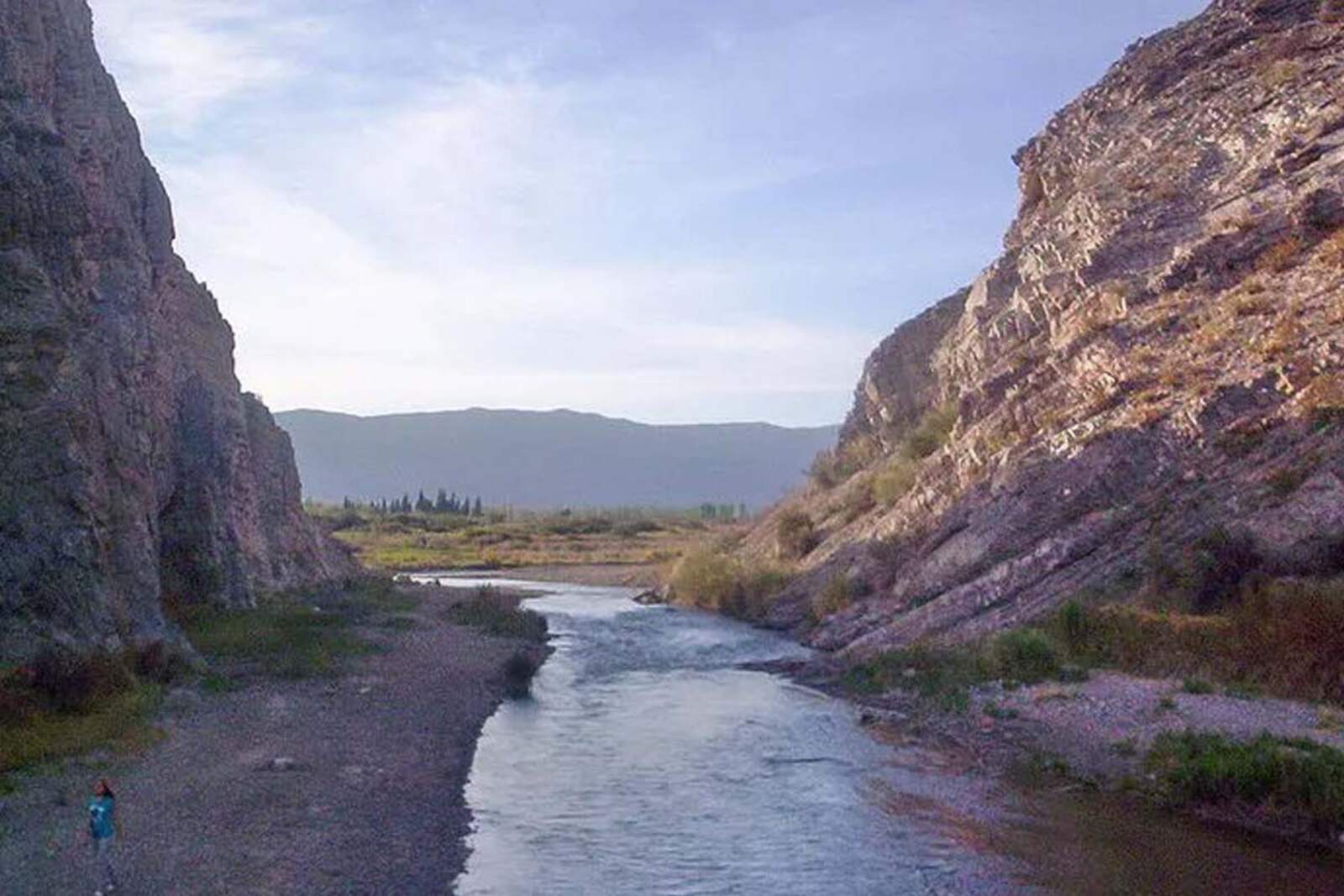
It is still possible to find traces of gold in several rivers in the country. With simple filtering and washing procedures, many enthusiasts have managed to recover small particles of one of the world's most valuable metals, which in 2023 reached historic values.

The best places to look for gold in Argentina
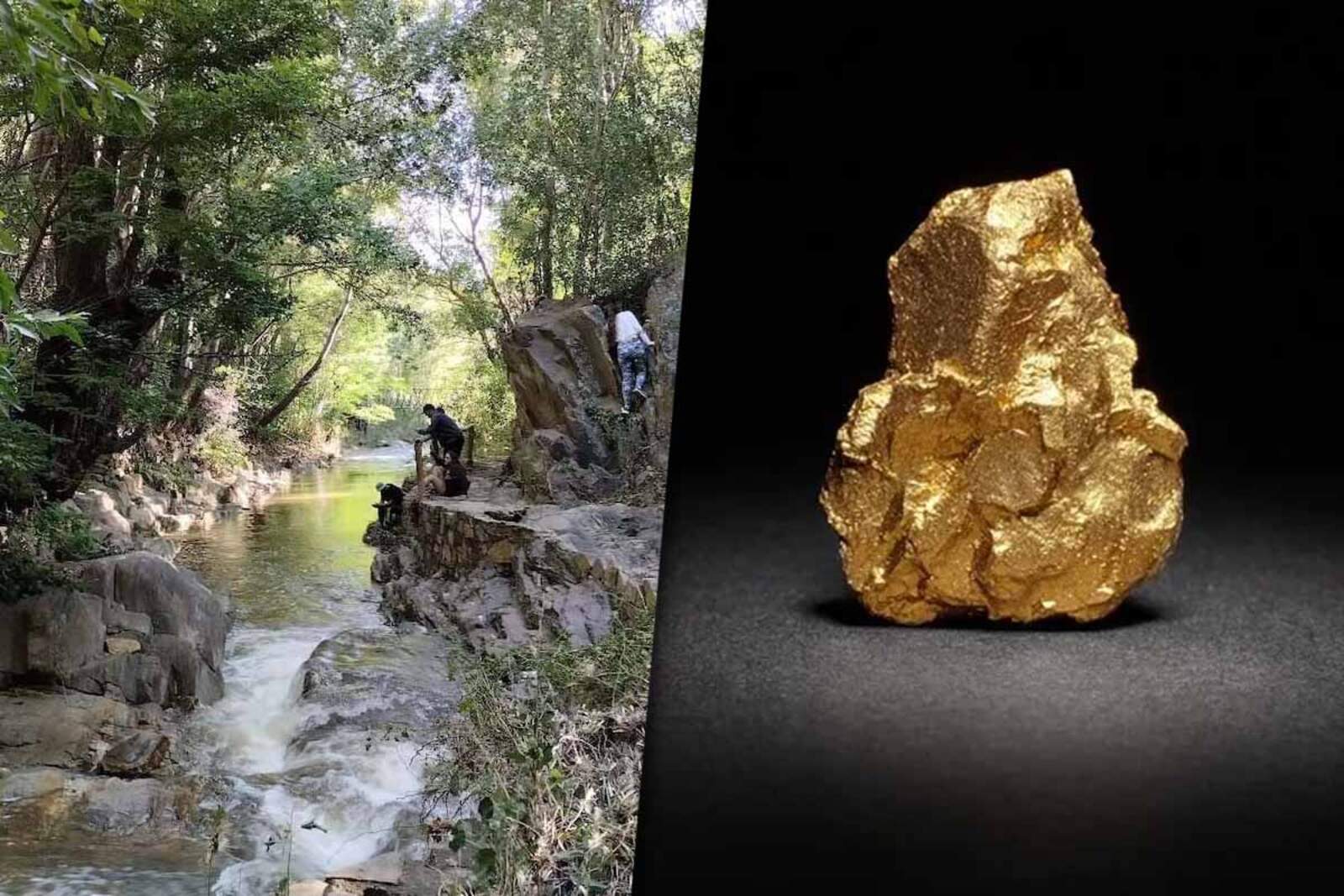
One of the most iconic destinations is La Carolina in San Luis, located at the foot of Cerro Tomolasta. This village has preserved its mining identity since the 18th century and offers guided tours to practice panning in the famous yellow river. There, visitors and locals try to find nuggets that, according to reports, can range between 17 and 20 carats.
The value of a gram found in the area is around $7,000, so collecting a kilogram (2.2 pounds) means reaching a million pesos. Every January, the village celebrates the Provincial Festival of Gold and Water, one of the most popular events of the year.
craft-made panning: how this legal technique works
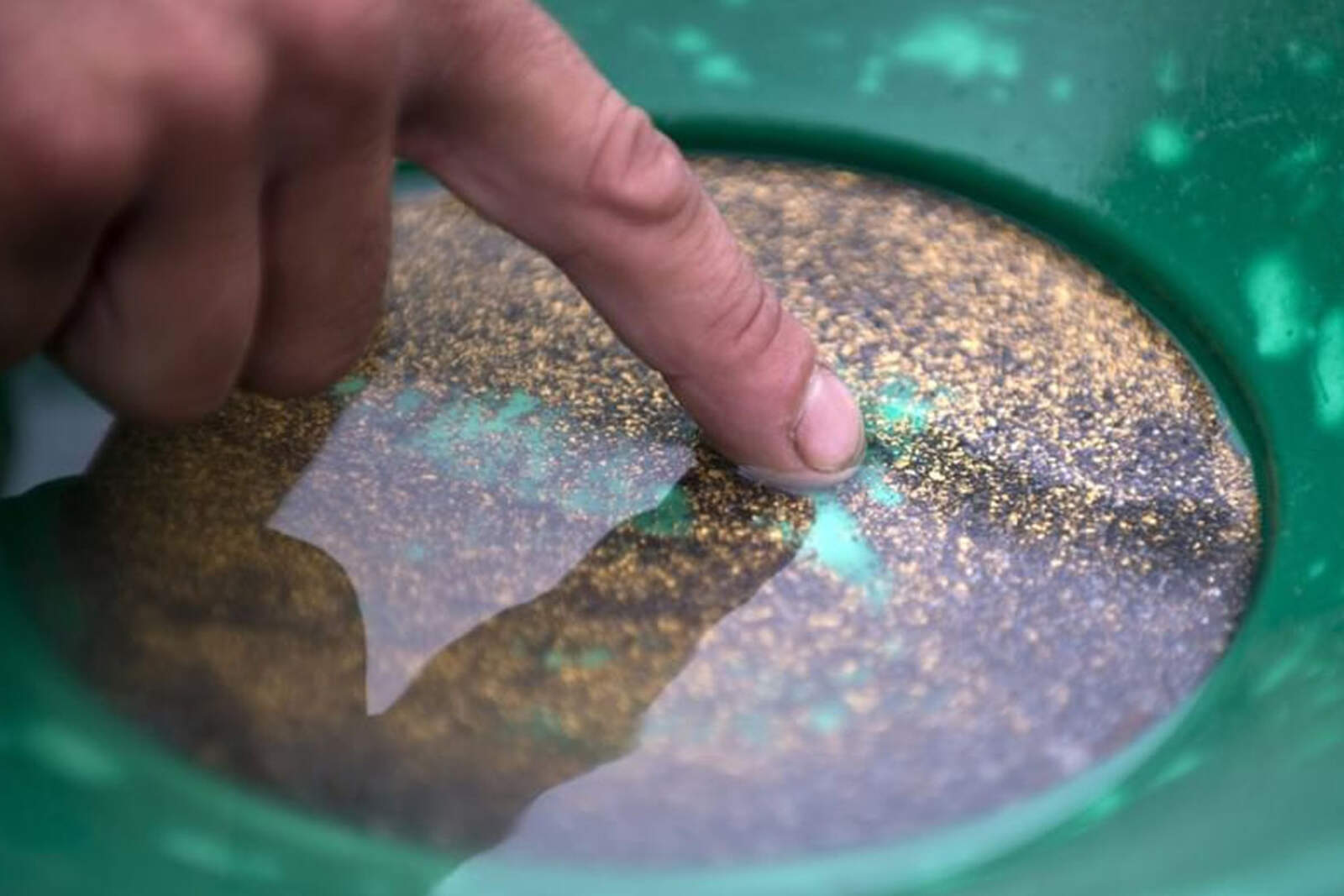
Panning consists of removing river sediments with a concave pan, allowing the water to carry away the lighter soil until the denser gold remains at the bottom. The activity is legal as long as it is done manually and without heavy machinery.