The accumulation of foreign currency is advancing at a record pace and the IMF celebrated the course of the economic plan
Compartir:
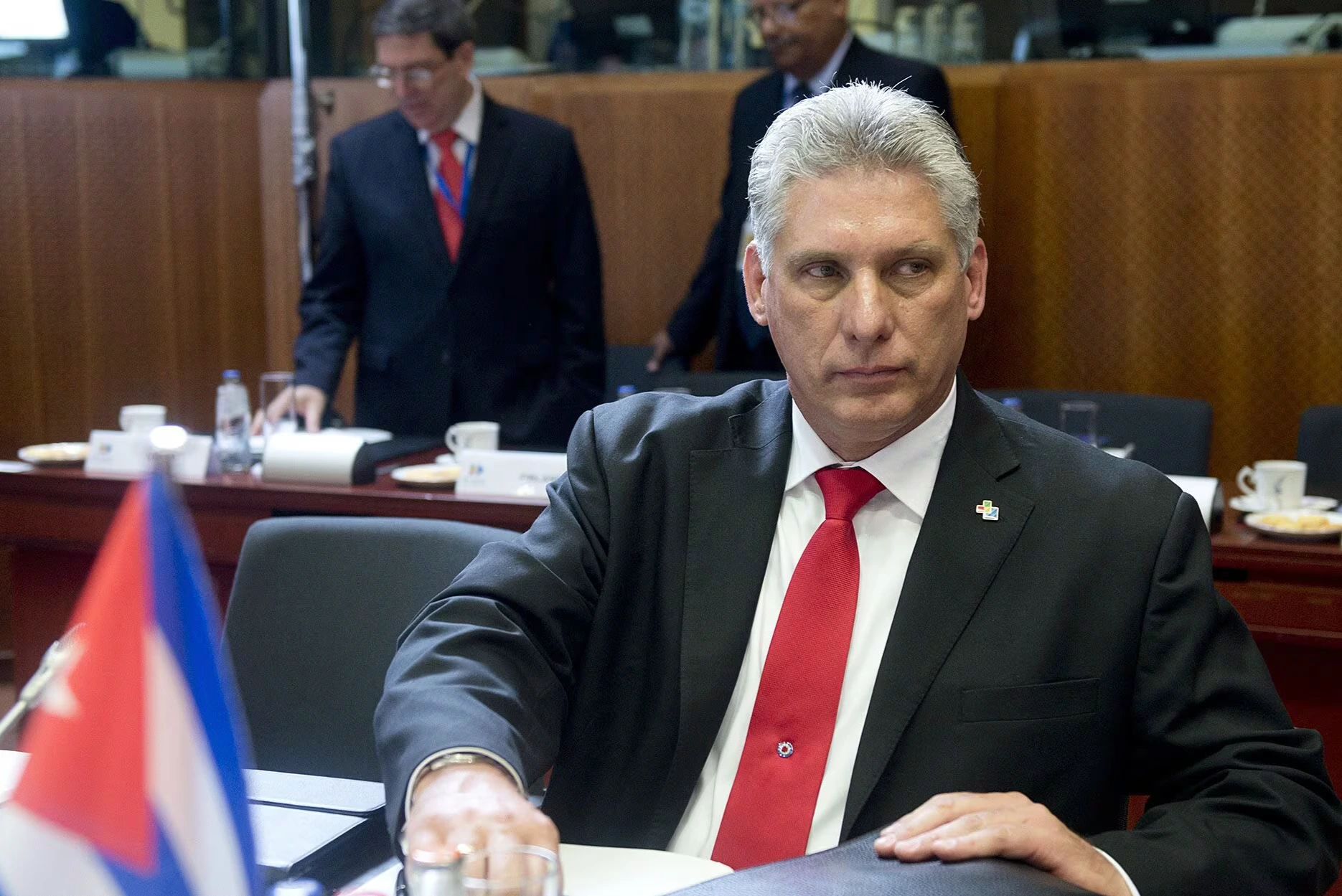
The national Government took a key step in its macroeconomic normalization strategy: the Central Bank has already purchased more than USD 562 million so far in January, consolidating the beginning of the remonetization phase and sending a direct signal to the International Monetary Fund and to financial markets.
This Thursday, the monetary authority acquired USD 47 million, which raised the month's accumulated total to USD 562 million, one of the best performances of the last ten months. The figure did not go unnoticed by the International Monetary Fund, which publicly welcomed the pace of reserve accumulation.
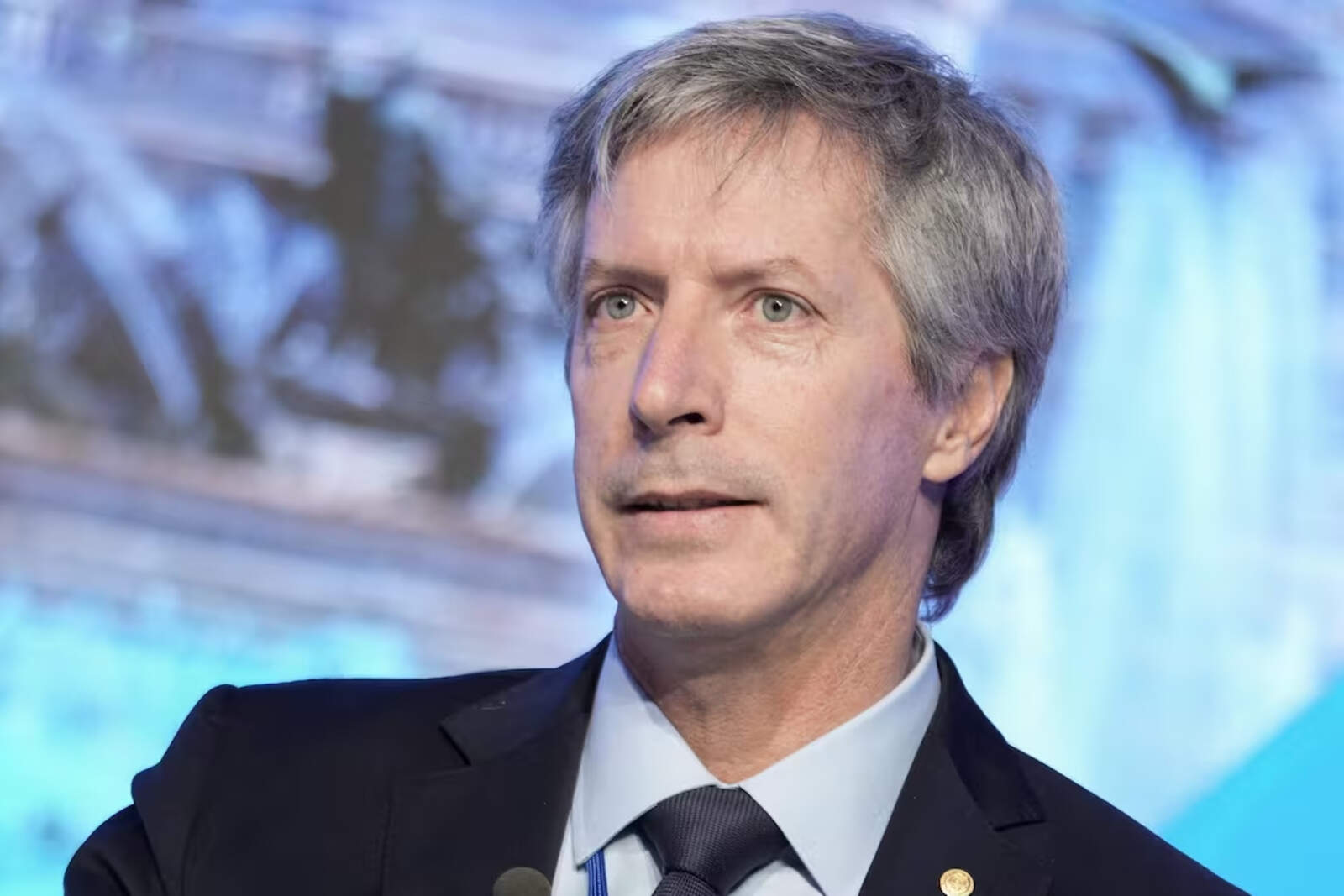
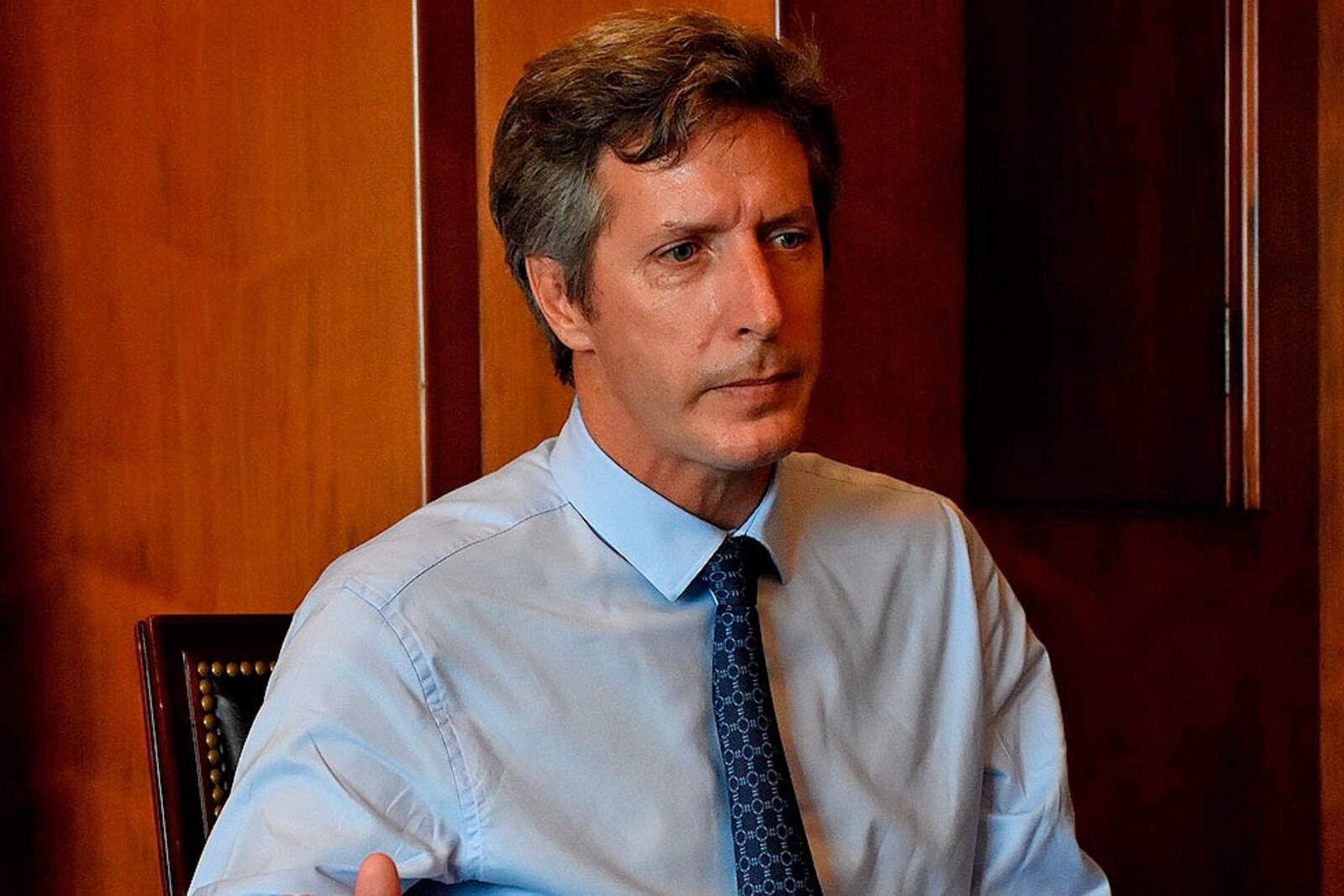
Santiago Bausili, Presidente del Banco Central de la República Argentina.
The spokesperson for the organization, Julie Kozack, stressed that "we are very encouraged by the authorities' action to rebuild reserves" and emphasized that the accumulation started the year at "a faster pace than anticipated." In addition, she underlined that the Central Bank's purchases exceeded the 5% floor of the daily foreign exchange volume in most trading sessions, a strong signal of the economic program's consistency.
Portfolio Personal de Inversiones indicated that on Wednesday the Central Bank of the Argentine Republic purchased USD 187 million, the largest daily balance since March 2025. With that result, the daily average of purchases in January stands at around USD 64 million, a figure that marks a break with the inherited dynamics.
Analysts also pointed out that, on several days, the Central Bank's purchases accounted for more than 70% of the traded volume, which suggests the use of block trades, a tool envisaged within the current remonetization phase. In parallel, the official exchange rate continued downward and closed at around $1,457, reinforcing the signal of monetary order.
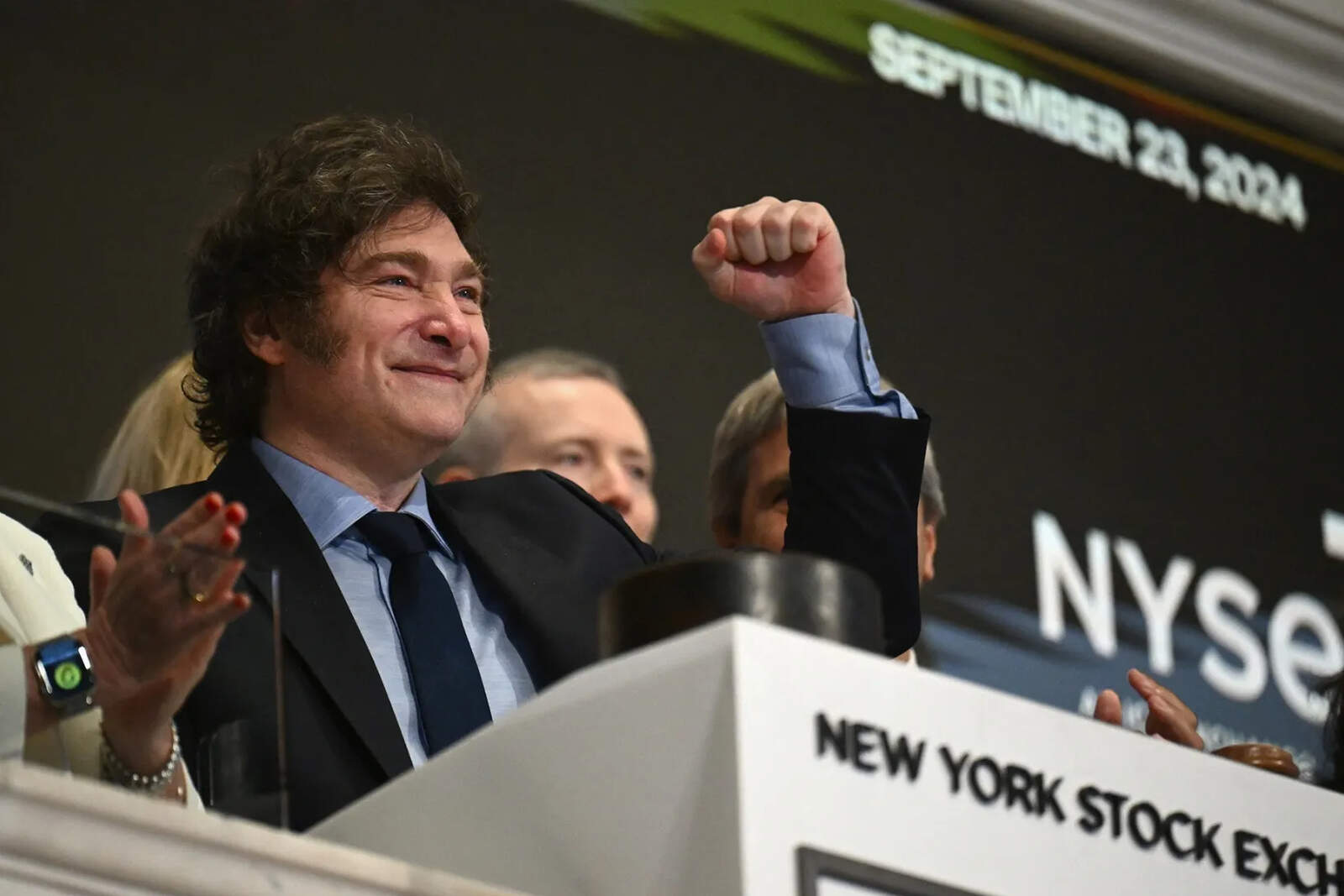
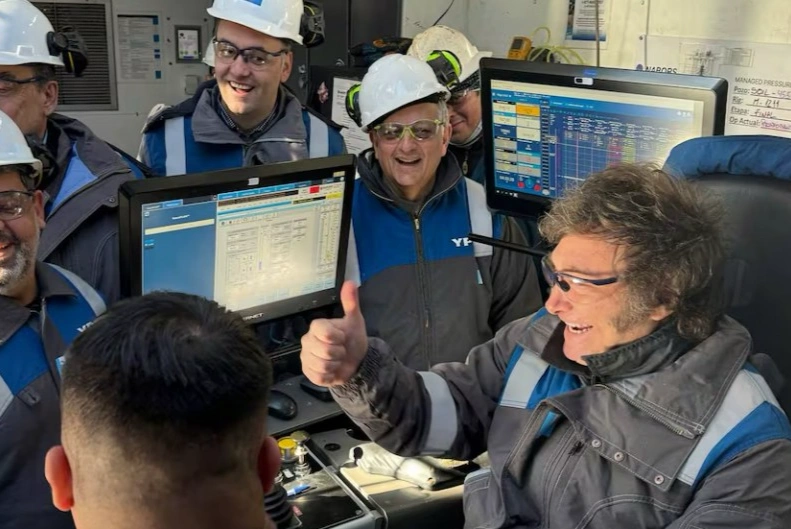
Javier Milei en New York.
Outlier consulting firm highlighted that the official strategy combines higher returns in pesos, exchange rate hedging, and surgical intervention to discourage private demand for dollars and encourage supply. All this takes place within the framework of the triple objective that the Government faces at the beginning of 2026: to accumulate reserves, to end inflation, and to restore economic activity.
Although gross reserves closed the day at USD 44.646 billion, with a daily decline explained by payments to the Inter-American Development Bank and to the World Bank, in the accumulated figure for the year they show an increase of more than USD 3.480 billion. With these numbers, the Government is consolidating a change in trend