The decision was formalized through Decree 682, published in a special supplement of the Official Gazette, and will remain in effect until October 31 or until the stipulated foreign currency is reached, whichever comes first.
The measure comes amid strong exchange rate tensions and a financial scenario marked by falling bonds and stocks, in addition to the growing demand for dollars. The Executive seeks to strengthen Central Bank reserves and guarantee short-term debt payments, which include commitments to the International Monetary Fund (IMF), other multilateral organizations, and bondholders for nearly US$8 billion through the summer.
Javier Milei abrazando a Luis "Toto" Caputo.
From the agricultural sector, the scheme was received as a relief, although producers demanded that it become a permanent measure."The elimination of export duties must be structural, not just a temporary response", representatives from the agro-export sector stated, who had already warned about the impact of fiscal pressure on competitiveness.
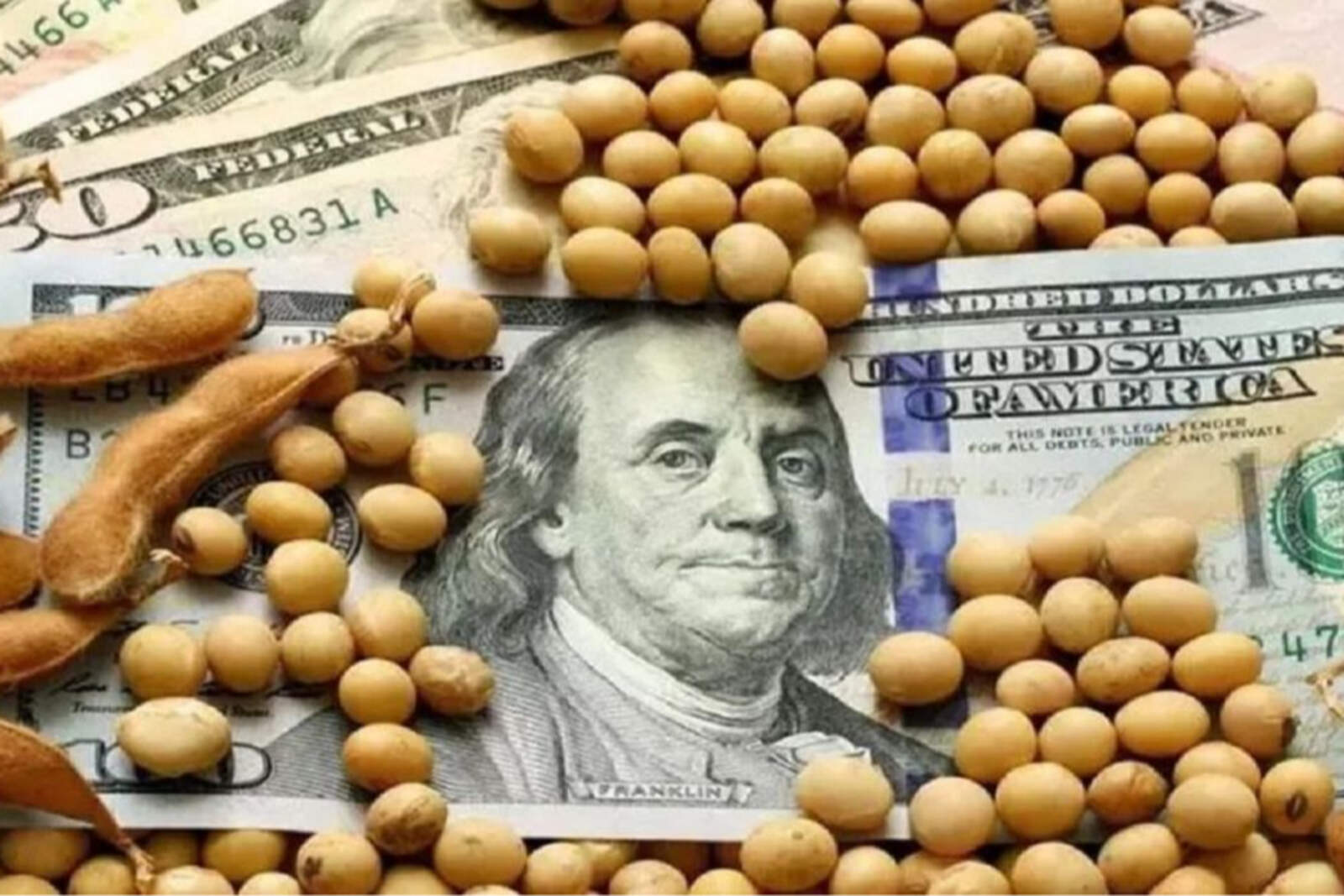
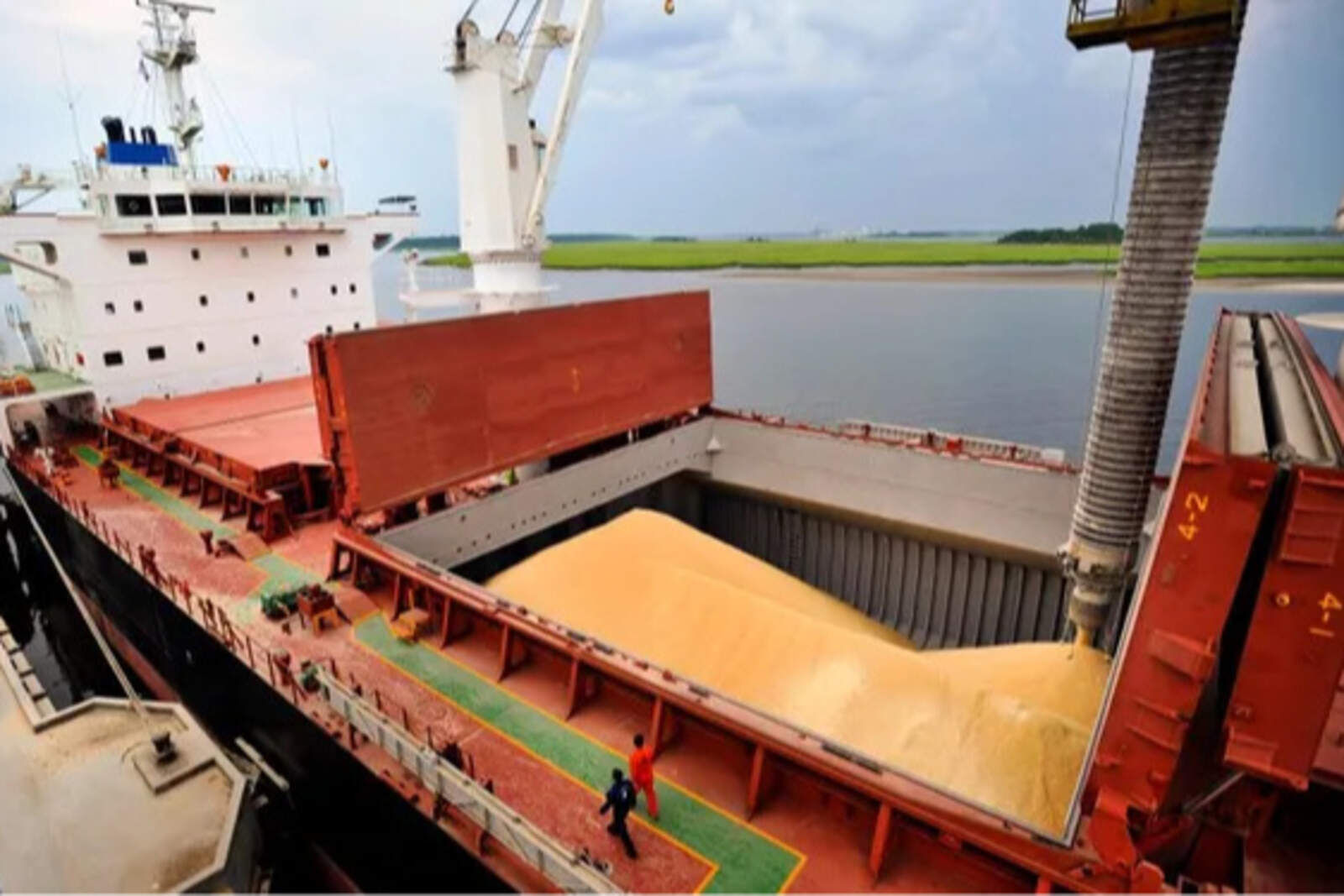
The Government expects that, with this incentive, unsold grain stocks will be liquidated, which amount to a significant volume. In the case of soybeans, producers have sold so far about 32 million tons out of an estimated 50 million harvest, leaving around 18 million tons yet to be marketed.
At current Chicago prices (US$371 per ton), this represents approximately US$6.678billion. Meanwhile, for corn, 27.3 million tons have already been sold out of a total production of 49 million. There are 21.7 million tons left to sell,equivalent to about US$3.5 billion.
Until before this decree, soybeans were taxed at 26% in their natural state and 24.5% for their derivatives, while corn was subject to a 9.5% rate. The suspension of these export dutieswill have an estimated fiscal cost of US$1.2 billion. Analysts warn that if spending is not adjusted in other areas, the official goal of maintaining a surplus could be compromised.
En el caso de la soja, los productores vendieron hasta ahora cerca de 32 millones de toneladas de una cosecha estimada en 50 millones.
The decree also establishes that exporters must settle at least 90% of the foreign currency in the Single and Free Exchange Market(MULC)within three business days after submitting theSworn Export Sales Statement (DJVE). This covers export collections, advance settlements, and external financing operations.
The zero export duty policy comes in a context where the Central Bank has already used more than US$1.1 billion in reserves since September 17 to contain the dollar. The wholesale exchange rate is operating at the upper limit of the floating band, while the retail rate has surpassed $1,500.
In the first eight months of the year, the agricultural sector settled US$21.4 billion, with a record in July of US$4.1 billion, driven by a previous temporary reduction regime for export duties. However, September and October are considered low season months for foreign currency settlement.
The Government's strategy aims to attract fresh foreign currency at a critical moment and dispel market doubts regarding the ability to meet external commitments. The immediate reaction of the private sector will be decisive in assessing the scope of the measure.