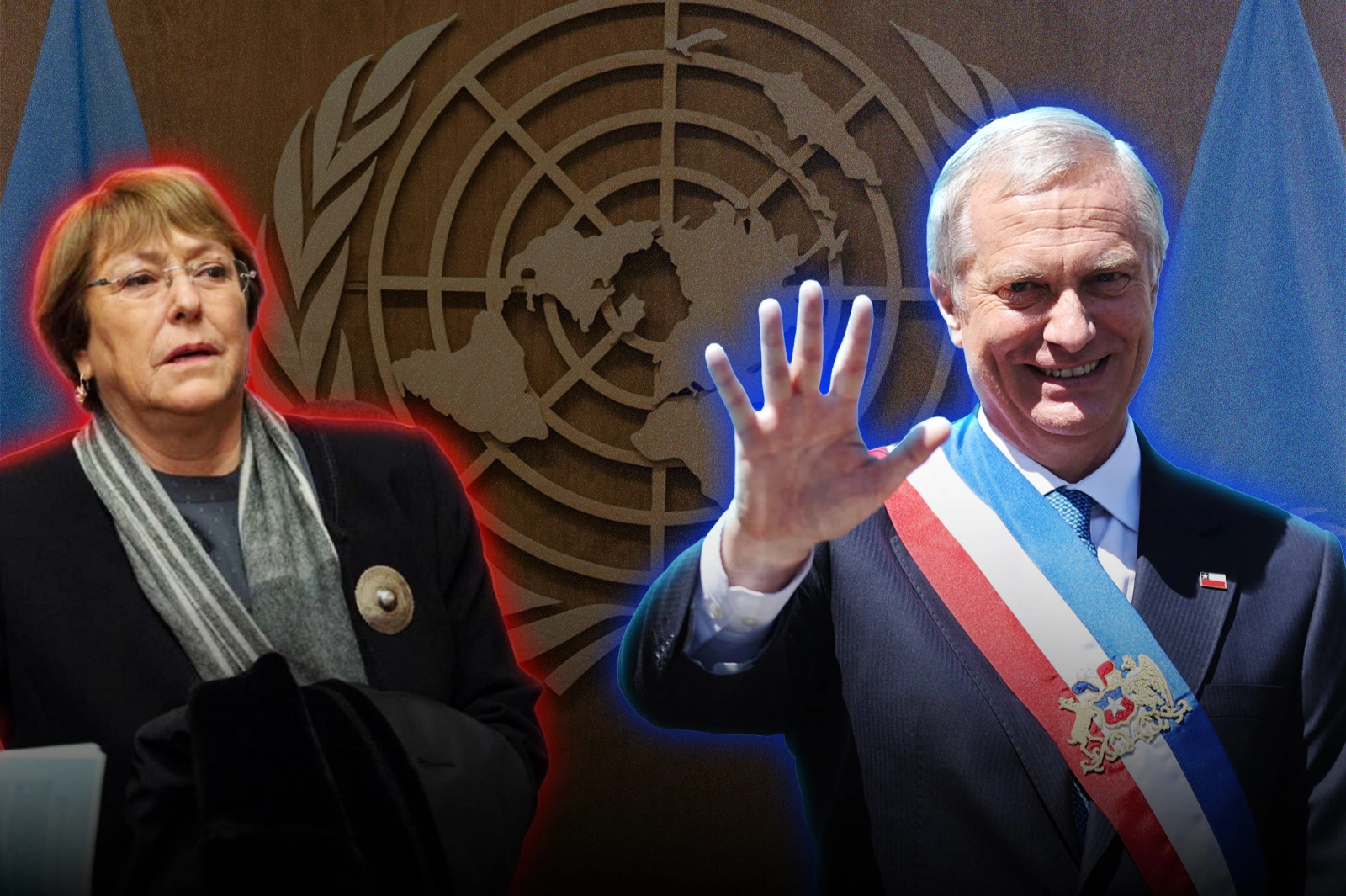
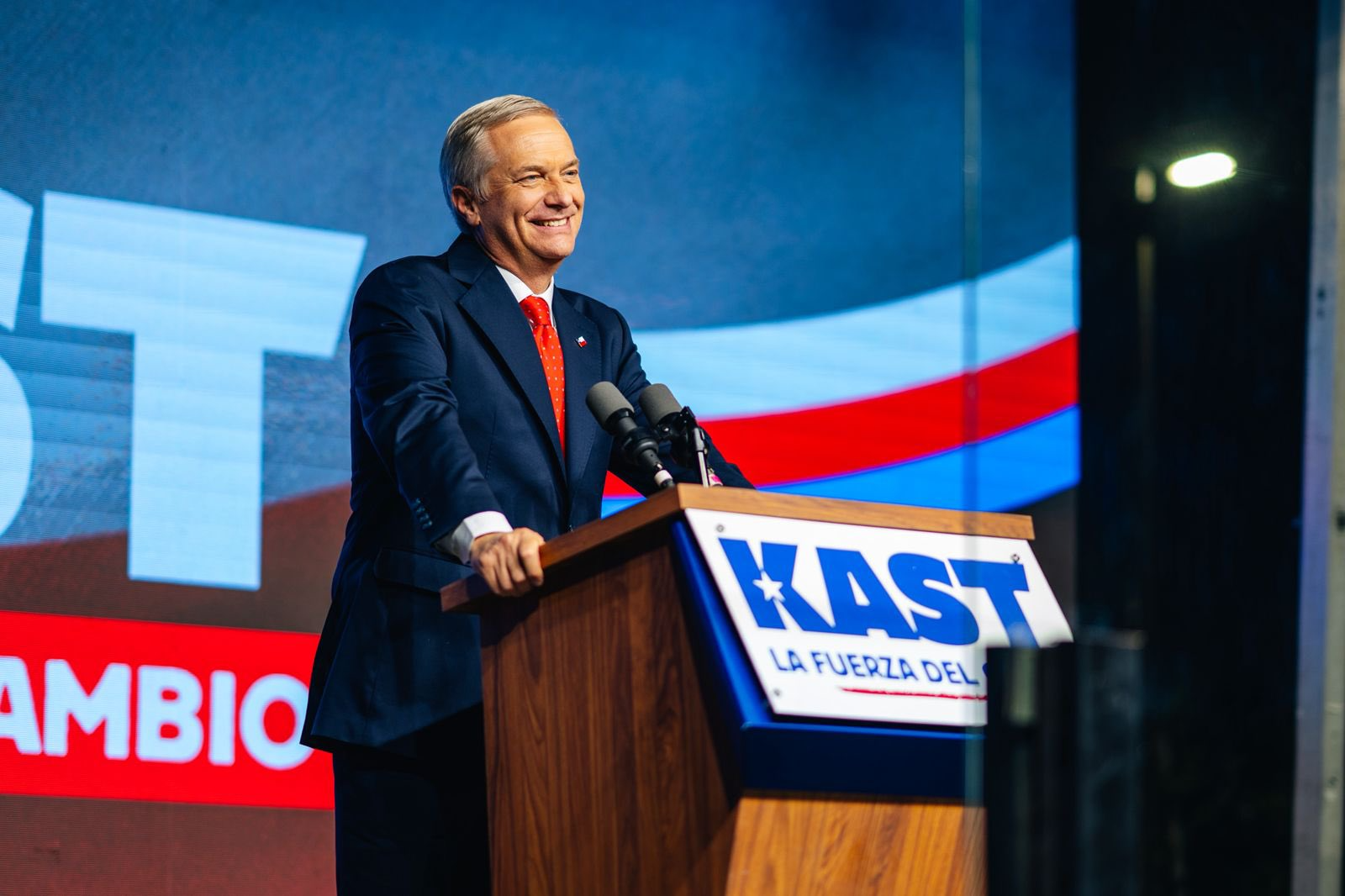
The Chilean government, headed by President José Antonio Kast, confirmed on Tuesday the withdrawal of official support for the candidacy of former communist president Michelle Bachelet to assume the General Secretariat of the United Nations, arguing that the application lacks viability in the current international scenario.
The decision was announced through a brief but categorical statement from the Foreign Ministry, in which it was stated that the electoral context, marked by the dispersion of Latin American candidates and differences with key actors in the process, made the success of the former president unlikely. As a result, the Executive decided not only to withdraw the sponsorship, but also to put an end to any diplomatic effort aimed at promoting its name abroad
.
Since the ruling party, the measure was defended as a sign of pragmatism in foreign policy. Authorities stressed that the candidacy promoted during the administration of communist Gabriel Boric had not been constructed as a State policy, but rather as a limited initiative that failed to consolidate sufficient support either inside or outside the country. In this regard, Deputy Stephan Schubert questioned the origin of the nomination, stating that he did not have the necessary political consensus to sustain an aspiration of that
level. The appointment of Bachelet had been made by the government of the communist Gabriel Boric
Bachelet's application had been presented together with Brazil and Mexico, in an attempt to position a Latin American figure at the head of the international organization. However, the change of government in Chile also involved a review of diplomatic priorities, concluding that insisting on a candidacy without broad support could entail an unnecessary political cost
.
From sectors close to the Executive, criticisms were also raised of the figure of Bachelet in the international context. While his career, which includes two presidential terms and his time at the UN as High Commissioner for Human Rights, was recognized, it was noted that his performance in that position raised questions in various scenarios, which would have weakened his capacity to generate broad consensus among
member States.
In practical terms, the withdrawal of Chilean support represents a significant blow to their aspirations. In the UN diplomatic tradition, the country of origin plays a central role in promoting its candidates, articulating alliances and negotiations. Without that active support, the chances of moving forward in a highly competitive process are considerably reduced.
The Kast government seeks to carry out a process more focused on foreign policy results
Despite this, Bachelet's candidacy was not automatically ruled out. Both Brazil and Mexico maintained their support, which would allow him to continue in the race if he so decided. However, analysts agree that the absence of Chilean support substantially weakens their position vis-à-vis other candidates
.
Among the names that also sound to succeed the current Secretary General, António Guterres, are Costa Rican Rebeca Grynspan and Argentinian Rafael Grossi, both with experience in multilateral organizations. The election will be decided towards the end of 2026, in a process that involves complex negotiations in the Security Council and subsequent ratification by the General Assembly
.
With this determination, the Executive seeks to mark a shift towards a foreign policy more focused on concrete results, prioritizing diplomatic realism over symbolic gestures. The decision, in addition to redefining Chile's role in this election, highlighted the limitations of Bachelet's candidacy in a highly competitive international arena
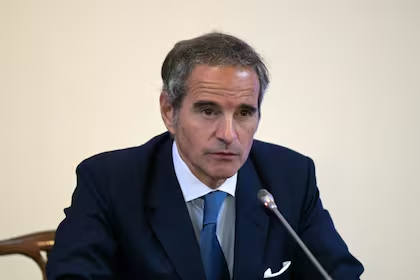
. Argentina's Rafael Grossi is one of the great candidates to become UN Secretary General