The Revenue and Customs Control Agency (ARCA) has launched a new Monitored Export regime, aiming to modernize customs control processes and reduce the delays that have historically affected Argentine foreign trade.
The measure, published in the Official Gazette under Joint General Resolution 5520/2025, establishes that export operations can be remotely supervised by Customs agents, avoiding the need for on-site inspections at plants that delayed logistics and increased costs for companies.
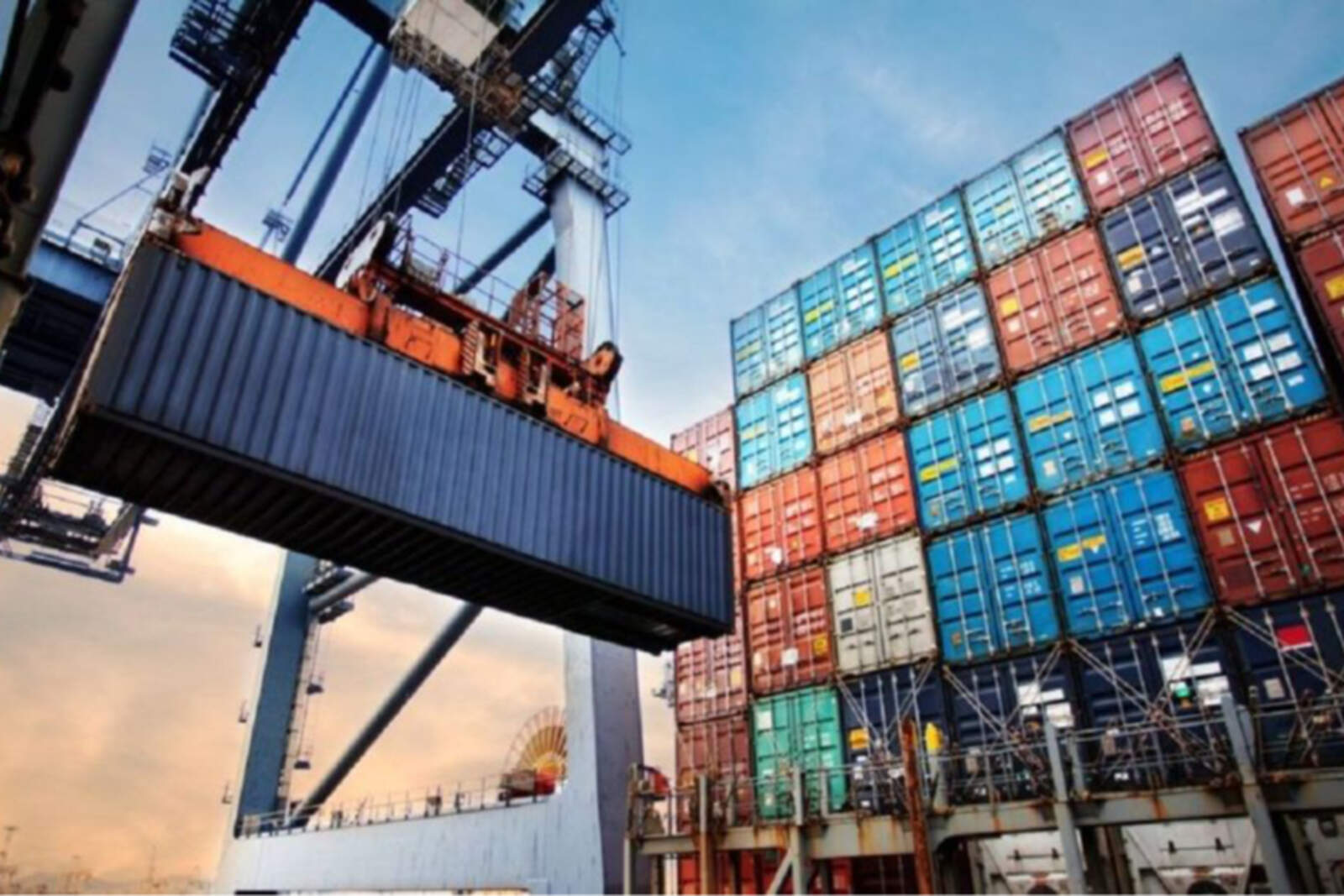
Puerto argentino.
According to the regulations, the new system will allow control procedures to be carried out through video surveillance cameras, digital traceability systems, and online platforms, which will be integrated into ARCA's network. This way, companies will be able to initiate and complete verification without having to wait for the physical presence of an inspector, a practice that used to cause long waits, additional costs, and, in many cases, encourage discretion.
The initiative aims to streamline private sector operations without giving up the state's control capacity. Meanwhile, the regime is part of a broader plan for process digitalization and technological modernization, in line with the government's goal of reducing bureaucracy. This will allow Customs to focus controls on higher-risk operations instead of wasting time on routine low-impact inspections.
Exporting companies will receive authorization to join the regime progressively, provided they meet the required technical and legal conditions. Among these are having at least 2 years of experience in the On-Site Export Regime, installing cameras in production plants, a secure internet connection, and data storage systems that allow Customs to access images in real time.
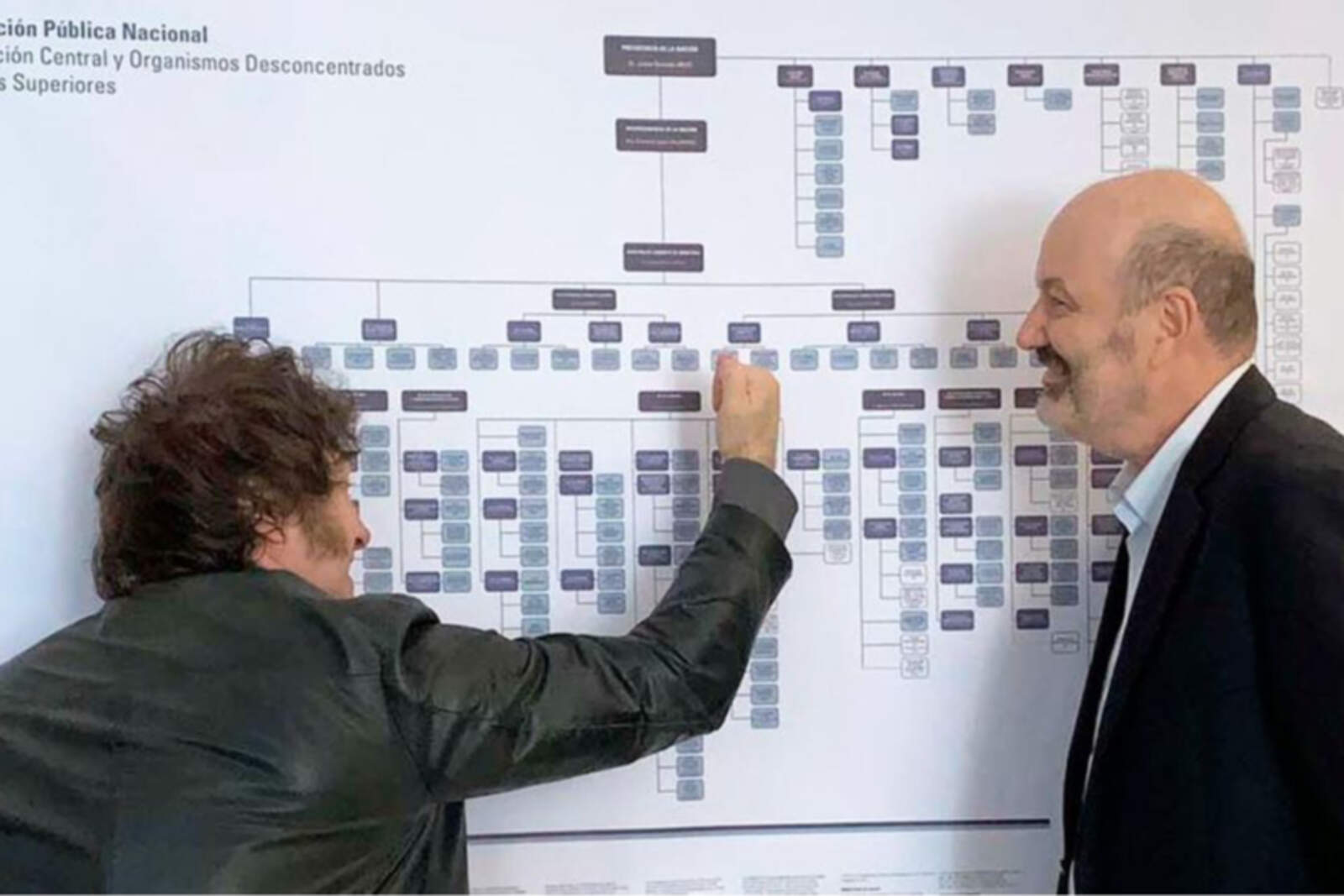
Anuncio junto al gobernador de Mendonza, donde se probará el régimen.
The new scheme aims to reduce merchandise release times, improve the predictability of operations, and facilitate Argentina's integration into international markets. The Government seeks to take another step in eliminating the old bureaucratic obstacles that for years stifled the competitiveness of the export sector.
This transformation not only relieves companies and strengthens the State's ability to monitor operations with greater precision without the need for cumbersome and outdated practices, but it is also a symbol of a new way of thinking about public administration: less bureaucracy, more transparency, and more efficient controls