



Coordination with internal security and international cooperation
The forces will be deployed in rural areas far from urban centers and official border crossings, with the aim of gathering strategic information to strengthen national defense.

The operation foresees an action plan adaptable to the different scenarios presented by the extensive northern border






The forces will be deployed in rural areas far from urban centers and official border crossings, with the aim of gathering strategic information to strengthen national defense.
The "Operativo Roca" is also coordinated with the Plan Güemes, launched in 2023. During an event in Salta, Governor Gustavo Sáenz highlighted: “It was urgent to reinforce the presence of the State with determination and without half measures.”
Meanwhile, the Minister of Security, Patricia Bullrich, emphasized that the purpose is to free territories dominated by drug trafficking: "Not a single inch of Argentine soil can be under the control of criminal gangs."
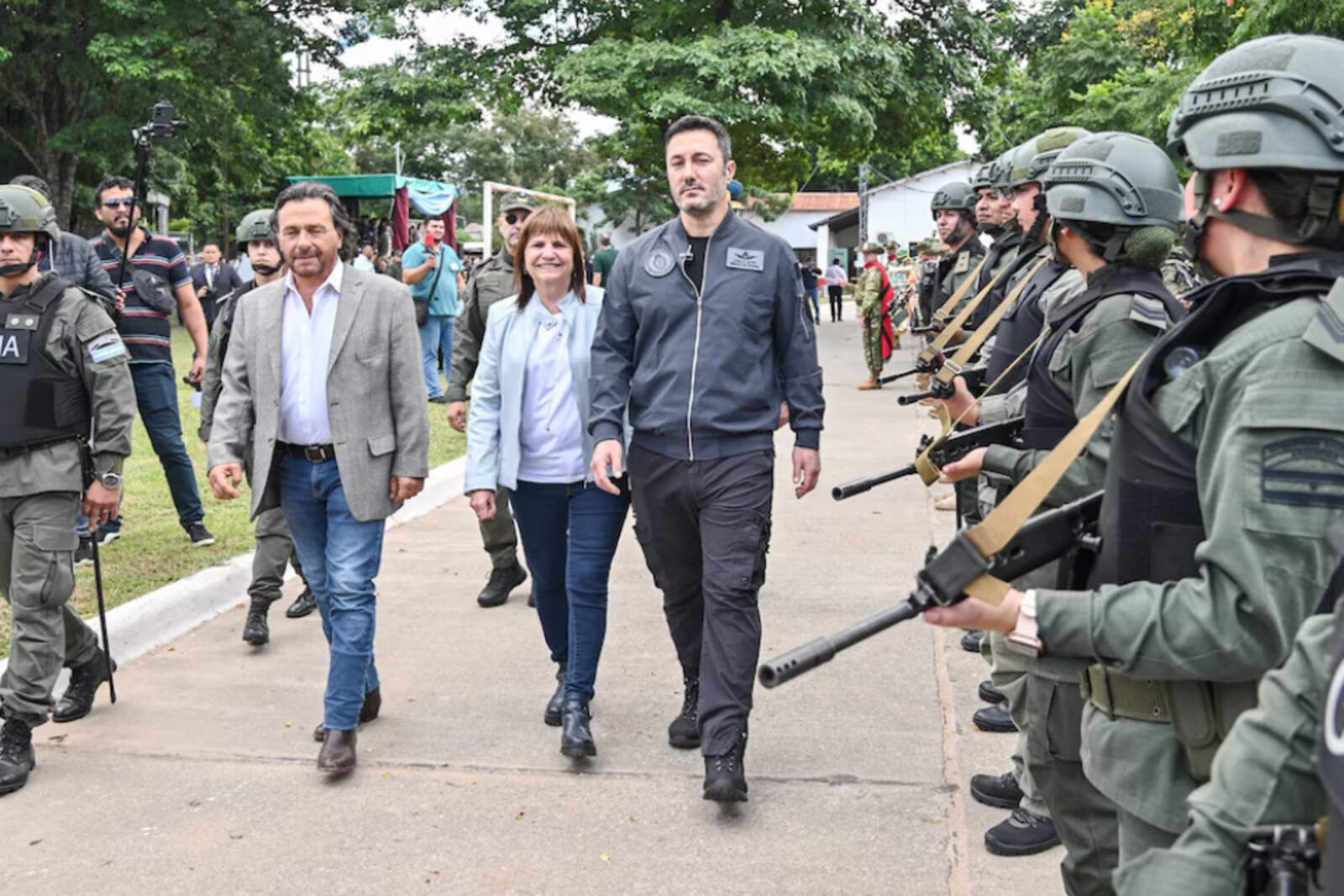
Bullrich also explained that international collaboration will be key. The new system will allow Bolivia to report in real-time on flights coming from its territory, thus improving the interception of illegal activities.
“With cooperation, technology, and political determination, we will regain full control of our borders,” she concluded.
The operation is supported by the provisions of the National Defense Law, the Internal Security Law No. 24.059, and Decree-Law No. 15.385/44, which enable collaboration between military and security forces to protect the life, liberty, and property of Argentines in risk areas.
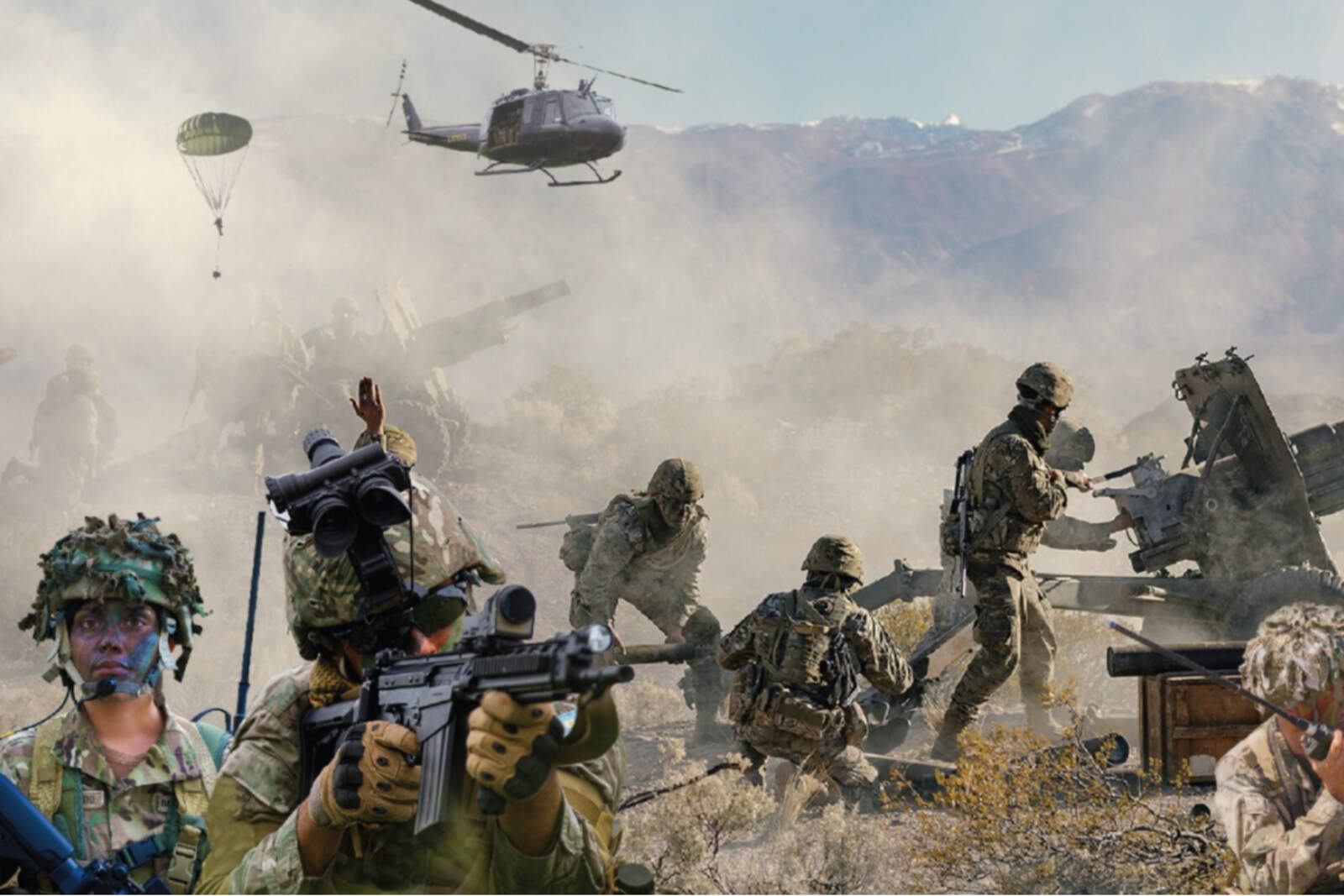
The national government ordered the deployment of the Army and Navy on the northern border, as part of the “Operativo Roca”, in collaboration with the National Gendarmerie.
This action, supported by Decree 1112/2024 and framed within the National Defense Law, includes flexible surveillance of critical areas and authorizes the temporary detention of civilians in cases of flagrante delicto.
Officially announced on April 15, the operation provides for an adaptable action plan for the different scenarios presented by the extensive northern border. More than 10,000 Army personnel participate in the initiative, of which 1,300 remain permanently in the intervention areas.
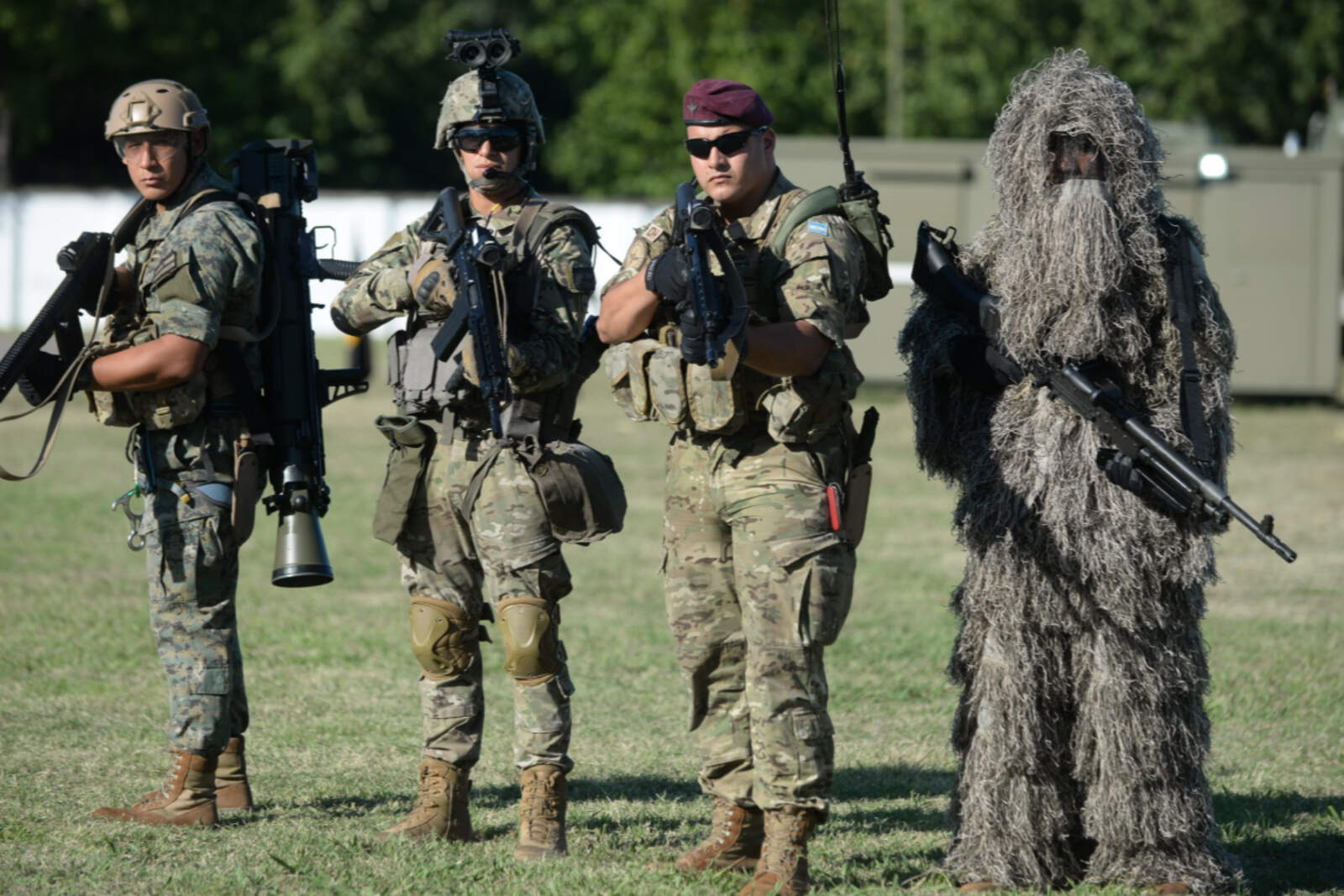
The personnel were instructed under the “Rules of Engagement,” guidelines that define the actions of the troops on national territory, and received new individual protection equipment. Additionally, drones, mobile radars, helicopters, Diamond aircraft, and state-of-the-art communication systems are used for control and survey tasks.
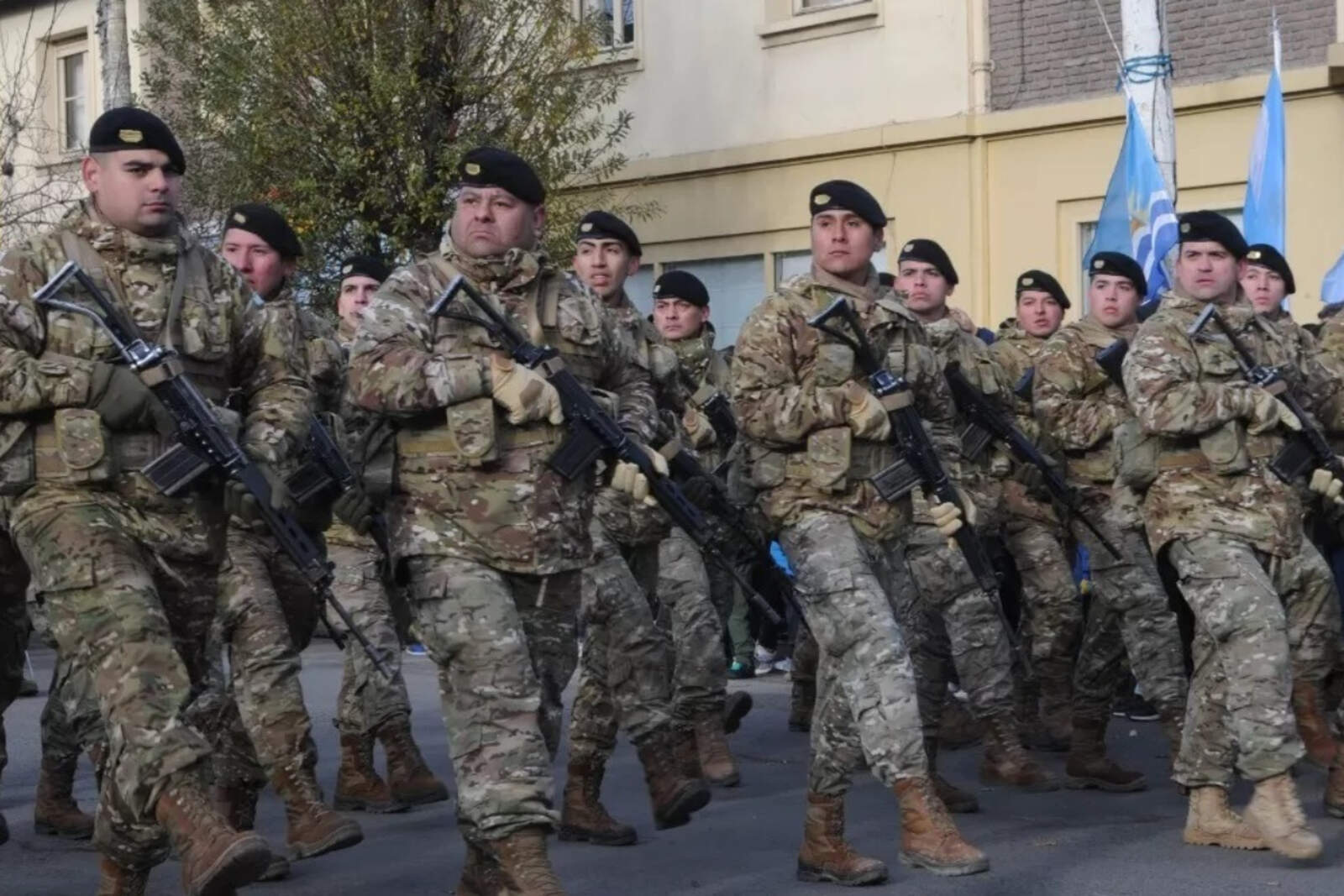
In response to the criticism that arose after the measure was released, the Minister of Defense, Luis Petri, defended it: “Yes, it is a controversial measure for all those who defend drug traffickers, terrorists, and violent criminals. Choose which side you're going to be on.”
Petri emphasized that the law allows the Armed Forces to participate in border control and that detention in flagrante delicto is contemplated in both national and provincial procedural codes. He also questioned that "only the ideological bias" had historically limited these actions.
“All countries bordering Argentina use their armed forces for border control and surveillance; the United States announced it in January. Why are some people here scandalized?” the official added.