From Quito, the measure is presented as an attempt at balance: maintaining control tools linked to security, but at the same time avoiding a further deterioration in economic activity.





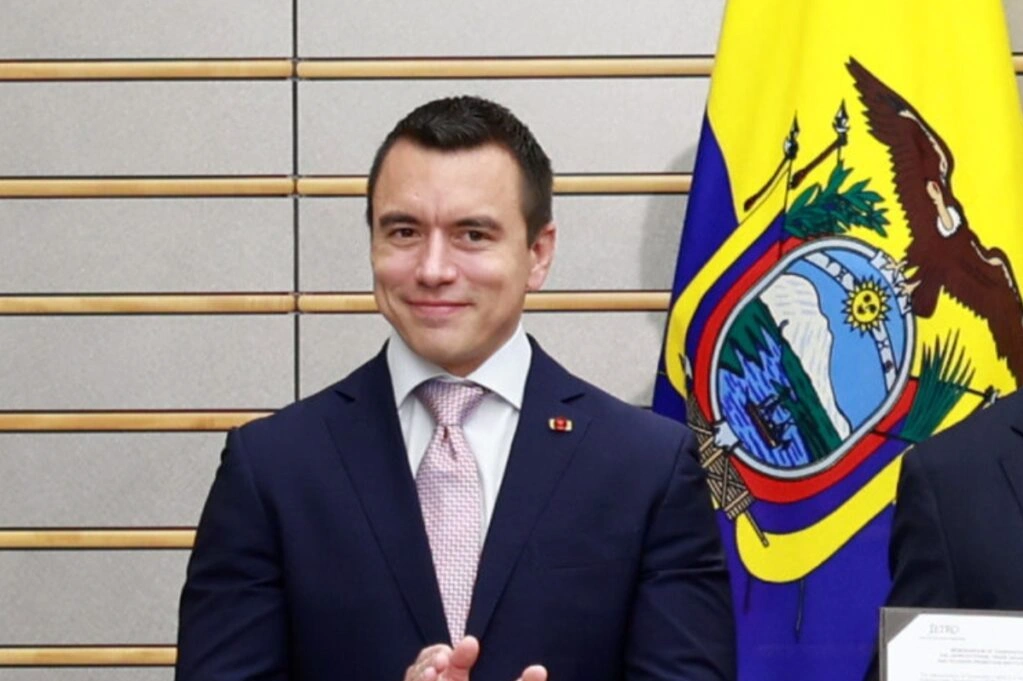

The measure seeks to alleviate the economic impact after months of tensions and record tariffs between the two countries.
From Quito, the measure is presented as an attempt at balance: maintaining control tools linked to security, but at the same time avoiding a further deterioration in economic activity.





The conflict between Ecuador and Colombia is not limited to trade alone. Tensions also have a political and security component, especially in relation to drug trafficking control on the common border, one of the main arguments used by the Ecuadorian government to justify the
initial measures.Analysts point out that the partial reduction of tariffs could open a window to resume dialogue between the two countries, although they warn that full normalization will depend on broader agreements and increased border security by the Colombian government.

In this scenario, Ecuador's decision appears to be a first step towards de-escalation, although the bilateral conflict is still far from being completely resolved
.The challenge for both governments will be to find a balance between security and trade, in a relationship that has historically been key to the regional economy.
The government of Ecuador announced that it will reduce to 75% the security tariffs applied to imports from Colombia starting in June 2026, in an attempt to alleviate the consequences of the strong trade dispute that has faced both countries since the beginning of the year.
The decision comes after several months of tariff escalation. Initially, Quito had progressively increased this rate, from 30% to 50% and then to 100%, as part of a policy linked to border security and the fight against drug trafficking
.The increase in tariffs generated a rapid response from Colombia, which applied similar measures on Ecuadorian products, deepening a conflict that directly impacted bilateral trade.
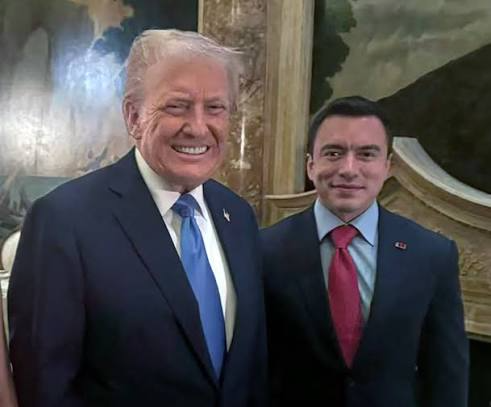
The reduction to 75% now represents a gesture of moderation on the part of the Ecuadorian government, in a context where commercial exchange between the two countries was strongly affected. Recent reports indicate that the flow of goods across the border fell dramatically, affecting both companies and workers on both sides