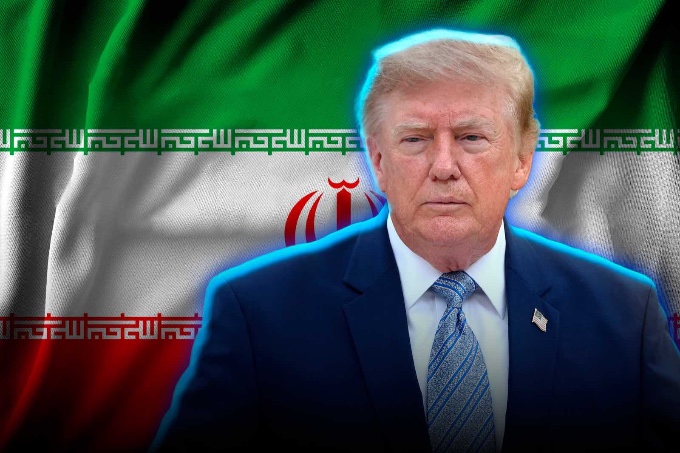
(IRGC) as a terrorist organization and to expel Iranian representative Mohsen Soltani Tehrani.
Through an official statement, the United States State Department expressed explicit support for the Argentine position and differentiated it from the attitude of other “allied” countries, such as those of NATO.
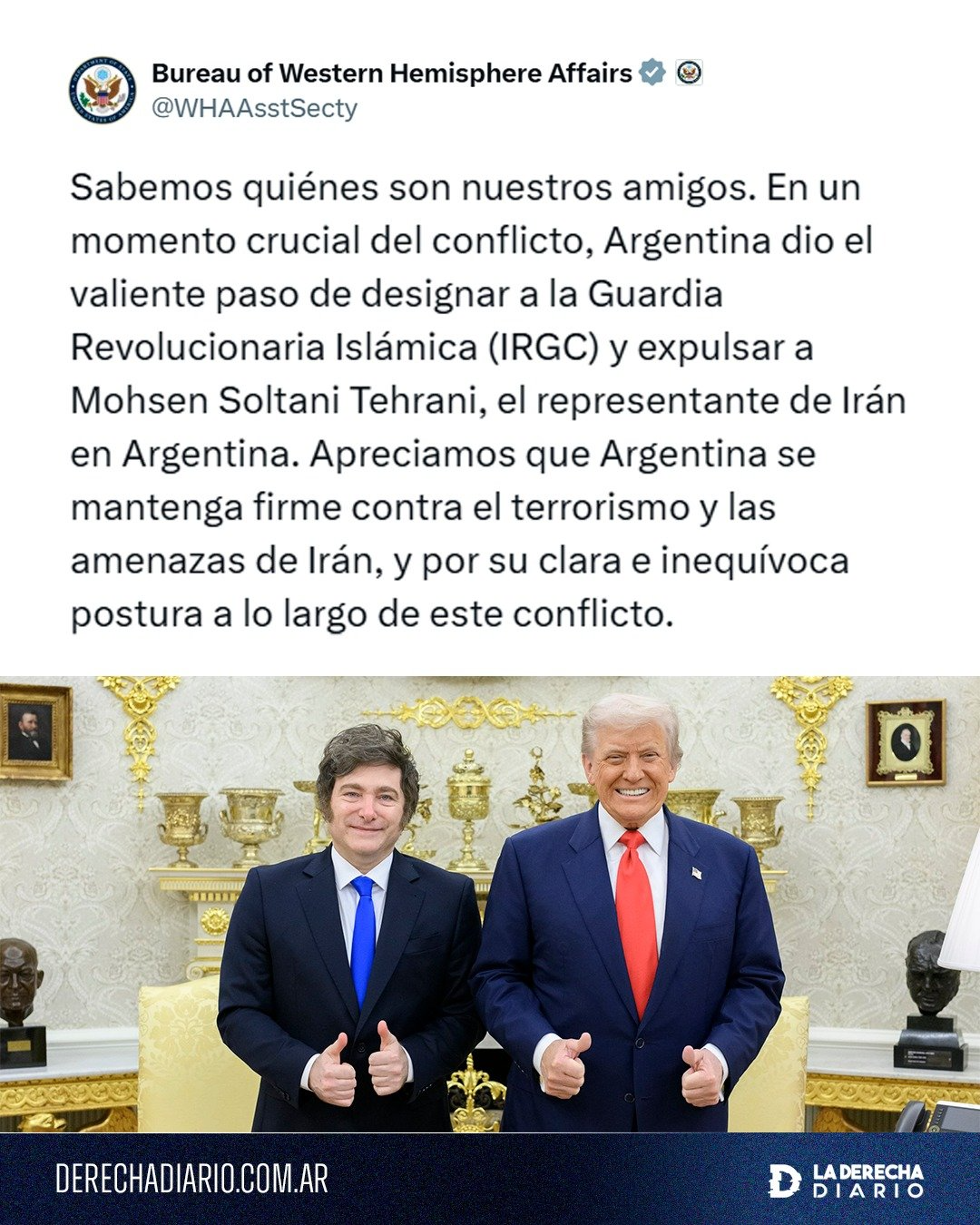
“We know who our friends are. At a crucial moment in the conflict, Argentina took the courageous step of appointing the Islamic Revolutionary Guard (IRGC) and expelling Mohsen Soltani Tehrani, Iran's representative in Argentina,
” the message stated.
“We appreciate that Argentina stands firm against terrorism and threats from Iran, and for its clear and unequivocal position throughout this conflict,” he concluded.
The message from the Trump Administration.
The support for Milei and the anger with NATO The
message not only works as a diplomatic recognition, but also as a political signal in the midst of Washington's growing unease with its international partners
.
In recent weeks, Trump intensified his criticism of NATO for the lack of support in the conflict with Iran, questioning the commitment of European allies.
The US president himself stated that the countries of the bloc “don't understand anything” without pressure and regretted that they “weren't there” when the United States needed them.
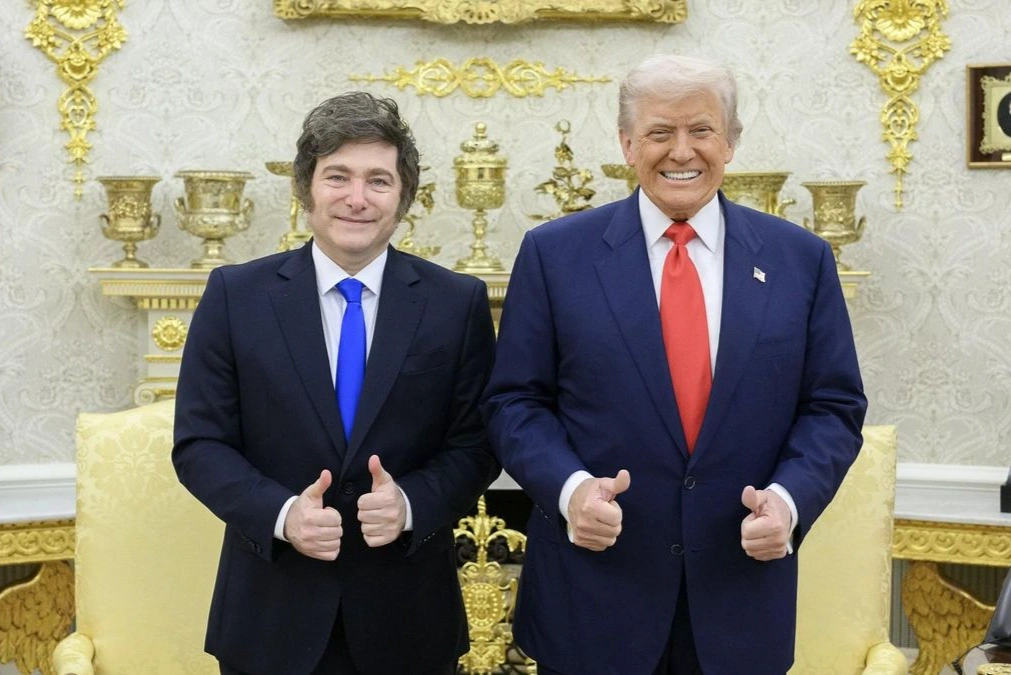
Along the same lines, he went so far as to describe the alliance as a “paper tiger” and accused its members of not getting involved in the conflict, even calling them “cowards”.Javier Milei and Donald Trump.
Tensions were exposed at recent meetings, where the US president was “clearly disappointed” by the allies' refusal to join
the offensive against Iran.
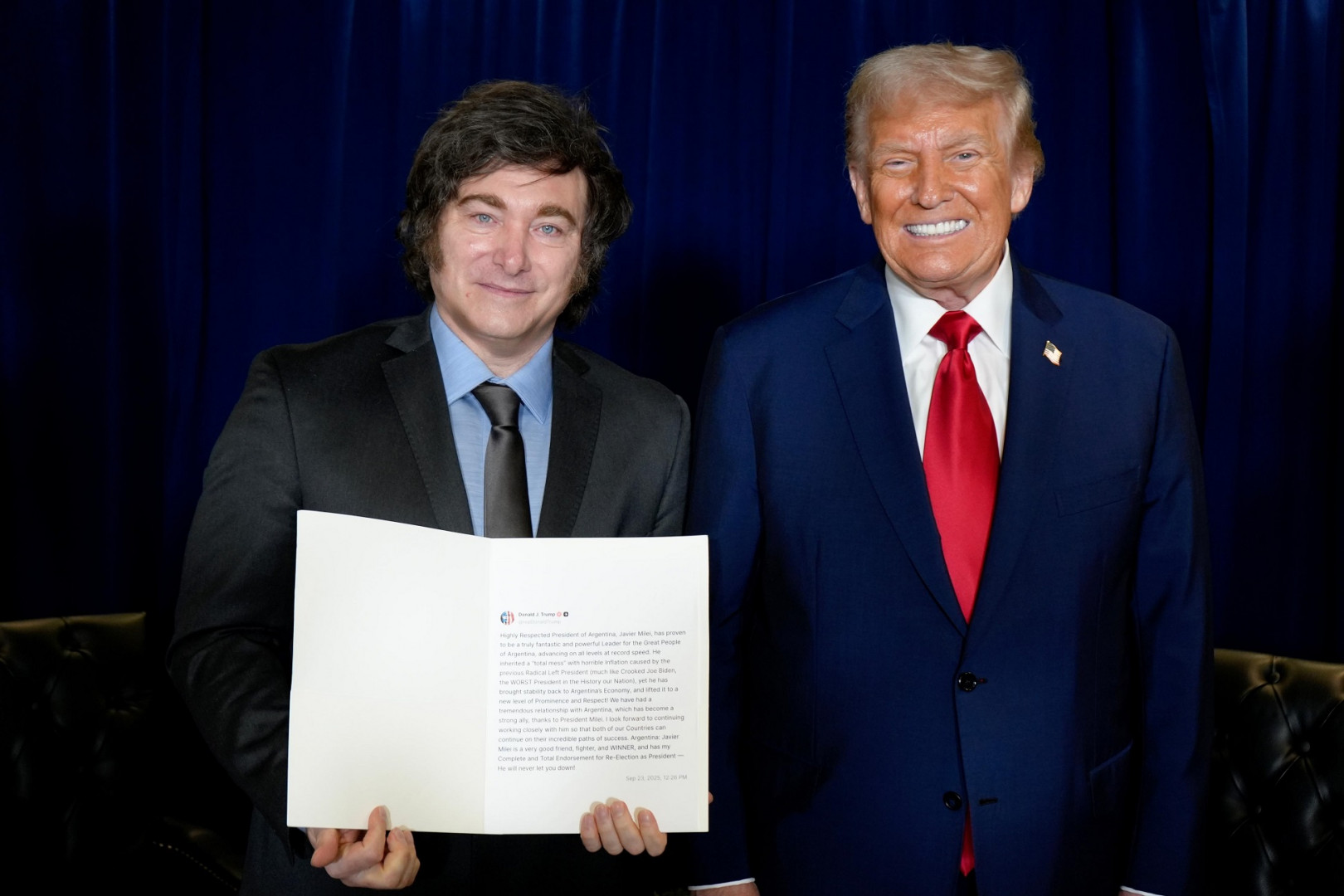
In this context, support for Argentina takes on additional meaning. While the United States questions the lack of alignment of its historical partners, it directly praises the decision of the Milei Government, which it places as a firm ally in the face of threats from terrorism and the Iranian regime
.
In this way, the White House not only celebrates Argentina's decision, but uses it as a contrast to the attitude of other international actors, differentiating between allies that accompany its position and those that remain on the sidelines.