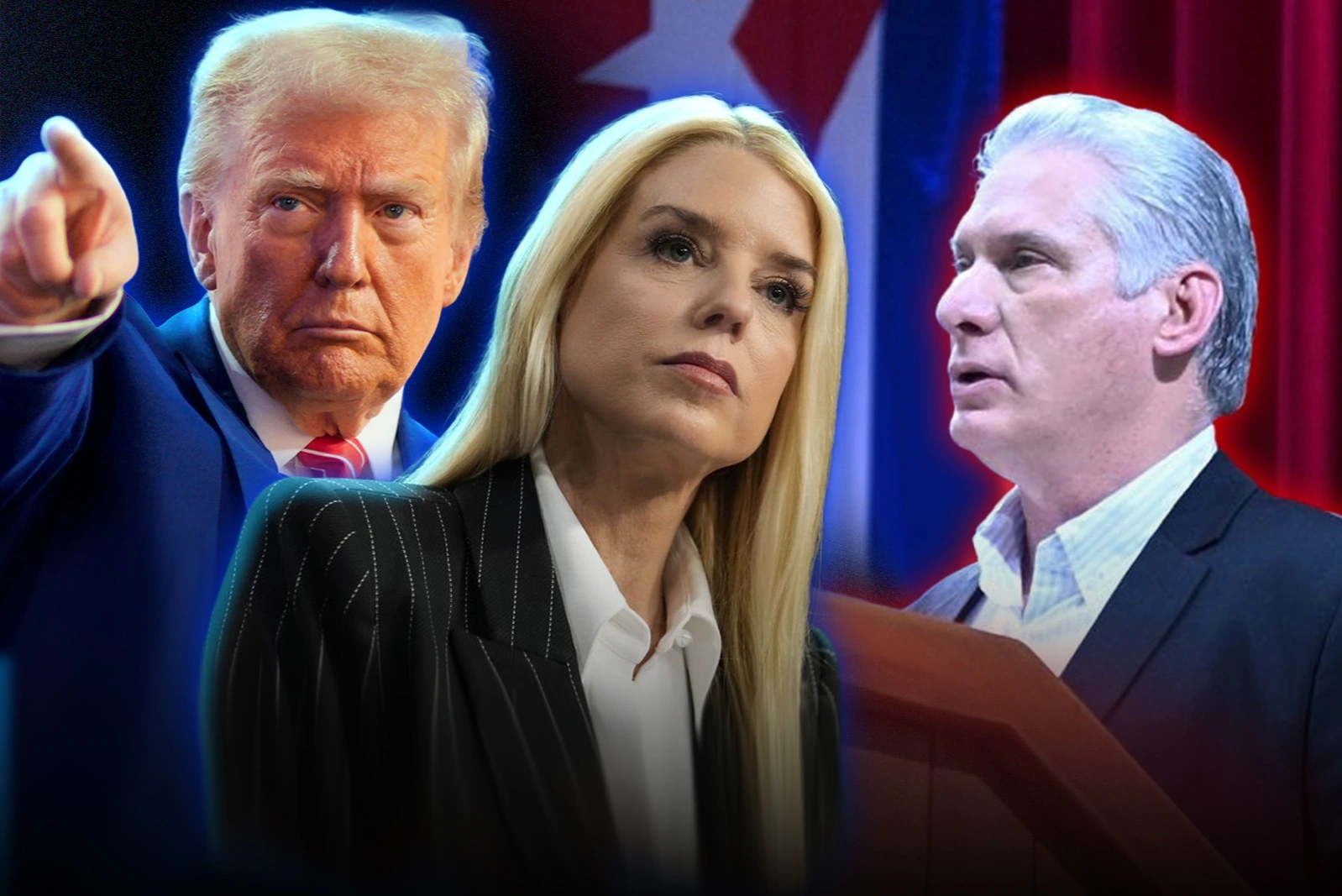
The Donald Trump administration has launched a new legal front against the Cuban regime by creating a working group within the Department of Justice to evaluate federal charges against officials and entities linked to the Cuban government. The initiative is part of a vital strategy of the U.S. administration to increase political, economic and judicial pressure on the island's authorities.
According to officials familiar with the plan, the group brings together representatives from several federal agencies, including the Department of the Treasury, whose participation could lead to new sanctions against Cuban government institutions or figures.
Washington has maintained economic restrictions against Havana for decades, but the current administration has indicated its intention to tighten them if new evidence of corruption, illegal activities or legal violations linked to the regime emerges.
The Trump administration launched a new task force that could lead to new sanctions and accusations against crucial figures of the Cuban terrorist regime
The working group will examine crimes related to economic, migration and national security issues. The investigation will be coordinated by the Federal Attorney's Office for the Southern District of Florida, a jurisdiction that includes the city of Miami, the historic center of the Cuban-American community and a frequent scene of judicial proceedings related
to Cuba.
The federal district attorney, Jason Reding Quiñones, will oversee the team responsible for analyzing potential accusations. According to sources close to the process, federal prosecutors in Florida are also collaborating with local authorities to gather strong evidence that could support future legal proceedings against Cuban government officials
.
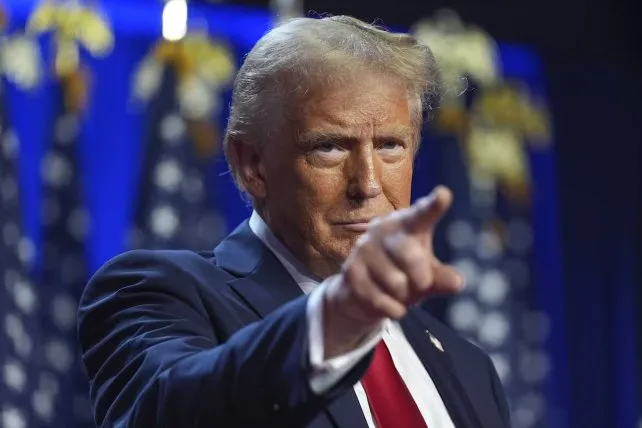
The move coincides with recent statements by President Trump about the political future of Cuba. During a meeting at the White House with Republican legislators from Florida, many of them of Cuban origin, the president stated that the Cuban regime could face significant changes in the near future
.
“It will only be a matter of time,” Trump said, referring to the island's government, suggesting that many Cuban exiles could eventually return to their country if a political transformation occurs.
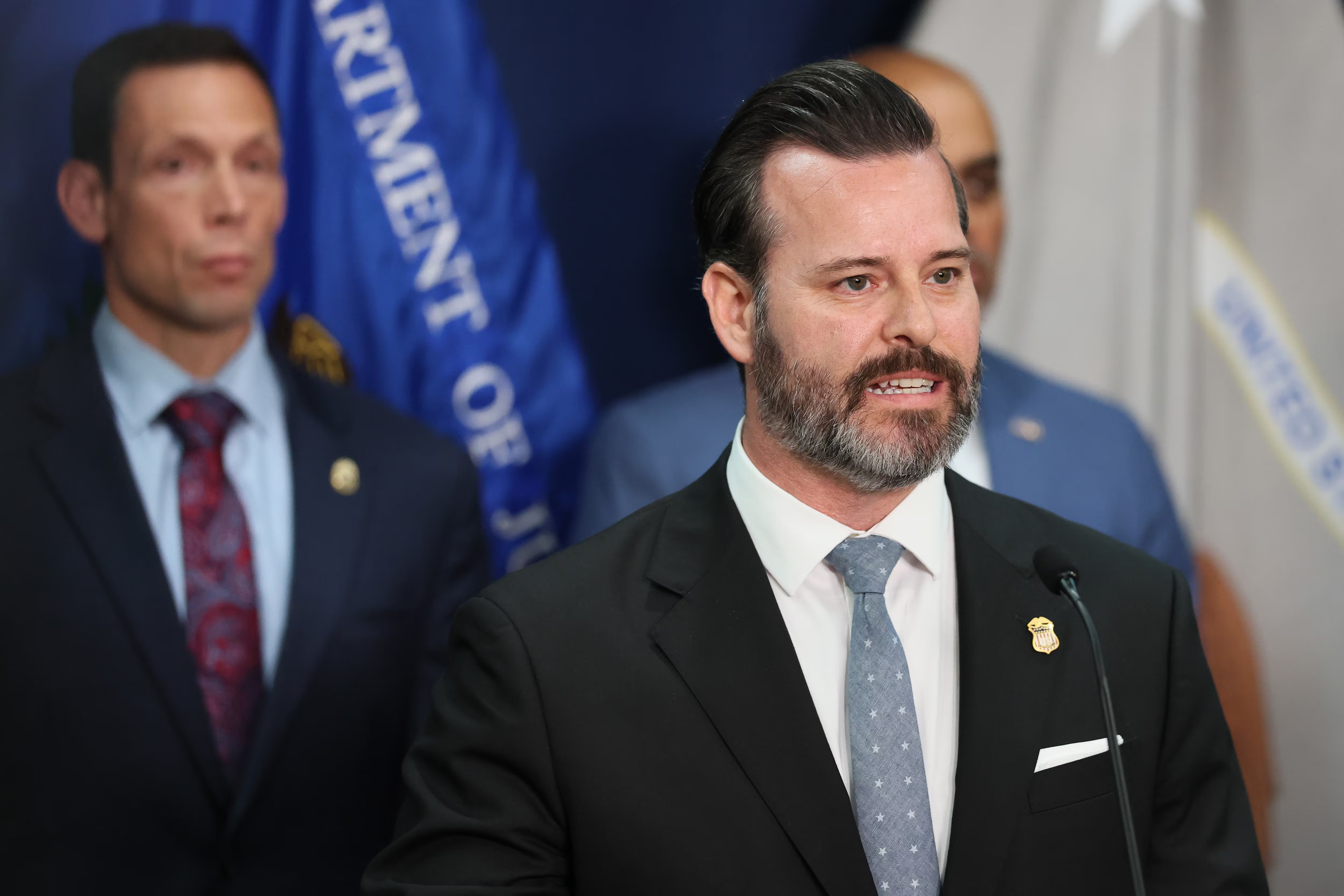
The accusations against Cuban leaders will be led by Jason Reding Quiñones
The strategy recalls the approach previously used by the Department of Justice against the government of Nicolás Maduro in Venezuela. In 2020, U.S. prosecutors brought charges against Maduro for crimes related to drug trafficking and corruption. Although the Venezuelan leader was not extradited at the time, international pressure continued for years until he was captured earlier this year and transferred to the United States to face such judicial
charges.
U.S. officials believe that a similar legal strategy could now be applied against key figures in the Cuban government. The objective would be to collect evidence, present formal accusations and increase the political and economic isolation of the island's authorities
.
Possible research focuses include the military business conglomerate GAESA, which controls large sectors of the Cuban economy, including tourism, imports and part of the financial system. U.S. officials have pointed out for years that this structure concentrates much of the State's economic power and could be linked to corruption practices
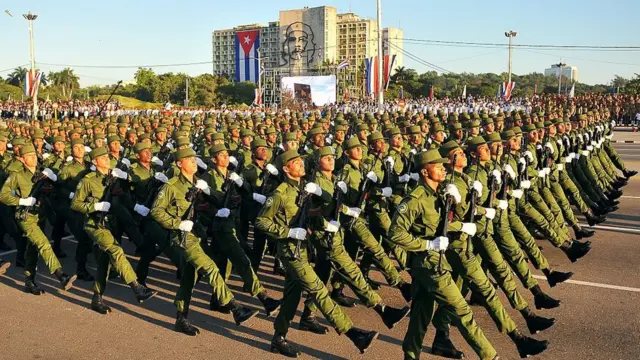
. The military conglomerate GAESA is one of the organizations being targeted by the Trump administration
The Miami prosecutor's office has a long experience in cases related to Cuba. In 2024, for example, he won the conviction of former U.S. diplomat Victor Manuel Rocha, who admitted to having worked for more than four decades as an intelligence agent for the Cuban government while holding sensitive positions in the State Department and the National Security Council
.
In addition, several Republican legislators in Florida have recently called for reopening investigations into incidents attributed to the Cuban government. One of the most prominent cases is the shooting down in 1996 of two civilian light aircraft belonging to the exile group “Brothers to the Rescue”, an attack in which four people died. Some congressmen argue that the then military chief and subsequent president of Cuba, Raúl Castro, would have
ordered the operation.
With the formation of the new working group, the Trump administration seeks to reinforce its policy of pressure against the Cuban government and explore legal avenues to hold officials who may have participated in illegal activities or serious violations to account. Officials close to the process say that the investigation is in its early stages, but it could become one of the most significant judicial efforts against the Cuban regime in recent years
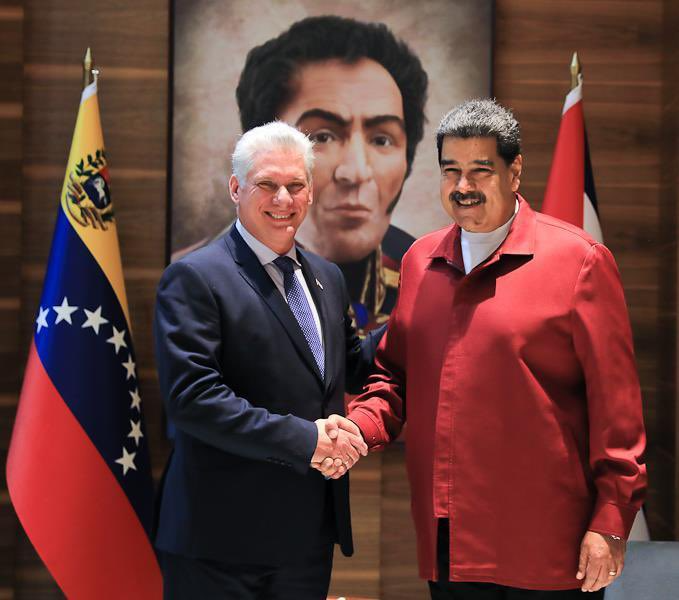
. Diaz Canel could face the same fate as Nicolás Maduro in the coming months