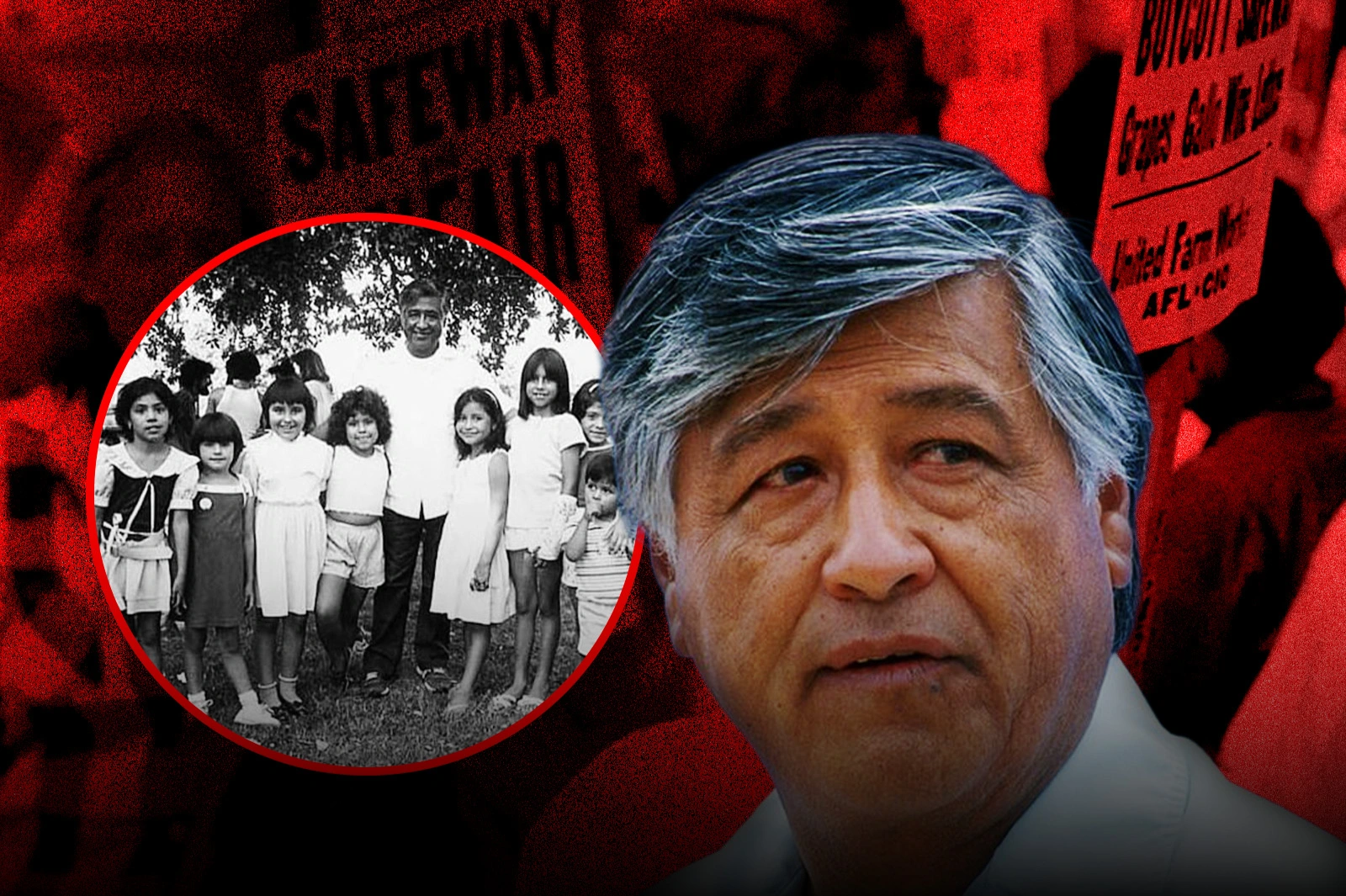









An exhaustive investigation published by the newspaper “The New York Times” has uncovered serious accusations of sexual abuse and exploitation against César Chávez, the legendary co-founder of the Farmers Union (UFW) and central figure of the Democratic Party, who advocated for the rights of agricultural workers and the Latino community in the United States.
Chávez, who died in 1993 at the age of 66, is accused of having sexually abused underage girls and of having assaulted adult women in the movement, during which he became a symbol of “social justice”. Ana Murguia, 66, told the newspaper that Chávez, then 45, called her to his office in La Paz, California, around 1972, when she was 13 years old
.He took her to a yoga mat that she used for meditation, kissed her, pulled down her pants and sexually assaulted her. “Don't tell anyone,” he said later, “they would get jealous.” Murguia said that the encounters were repeated dozens of times over four years, until he
turned 17.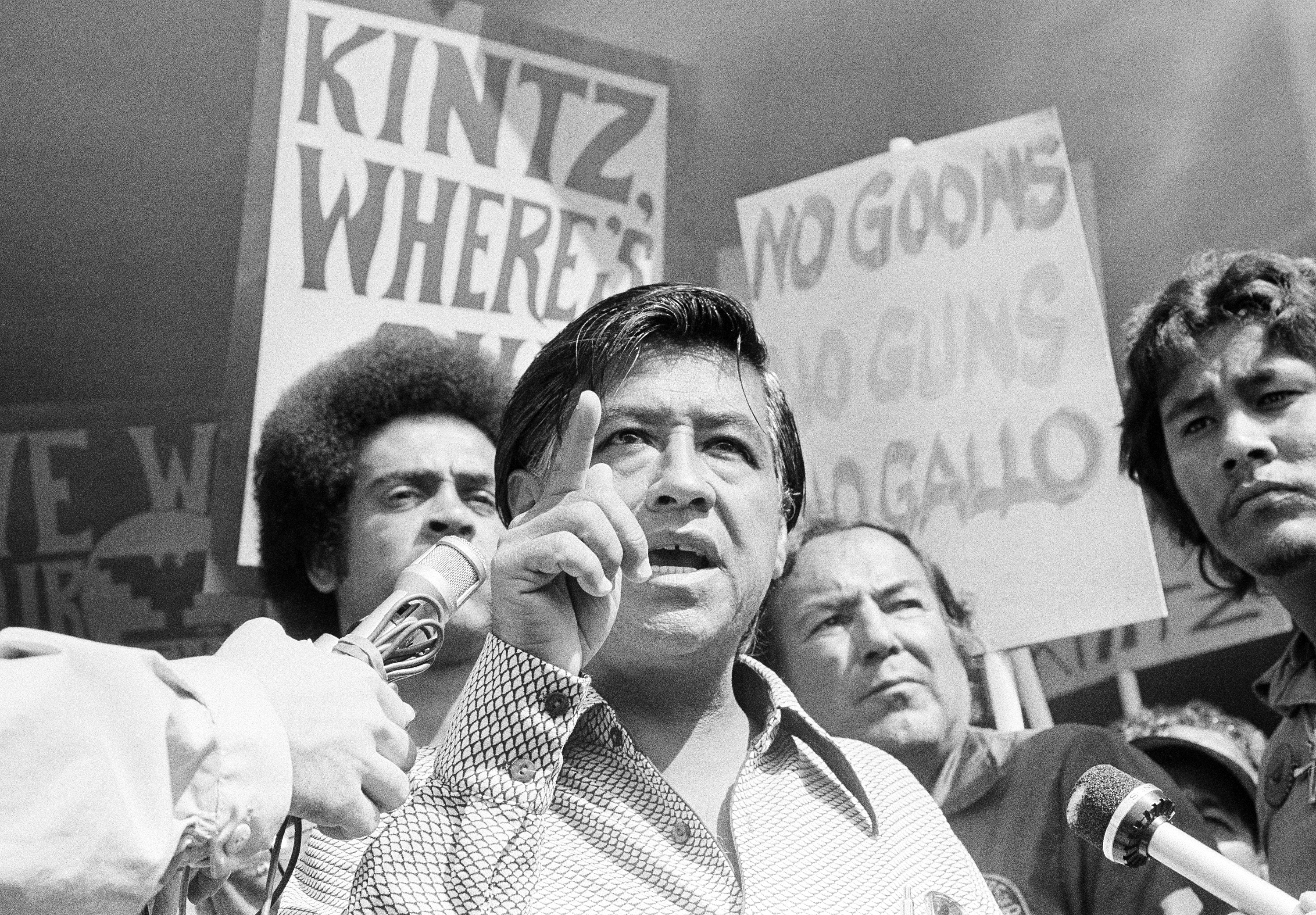
Daughter of veteran UFW organizers, she had known Chávez since she was 8 years old. The trauma led her to multiple suicide attempts before she was 15. Debra Rojas, also 66, said that Chávez touched her inappropriately for the first time at age 12 in the same office, groping her breasts. At 15, during an extended march through California, Chavez arranged for her to stay in a motel and have sexual relations with her, which would constitute rape under California law for lack of valid consent
.Rojas described a “grooming” process: Chávez told him that they would go to Mexico together, asked him to avoid other boys out of jealousy and associated romantic songs like “I Only Have Eyes for You” with his “relationship”.
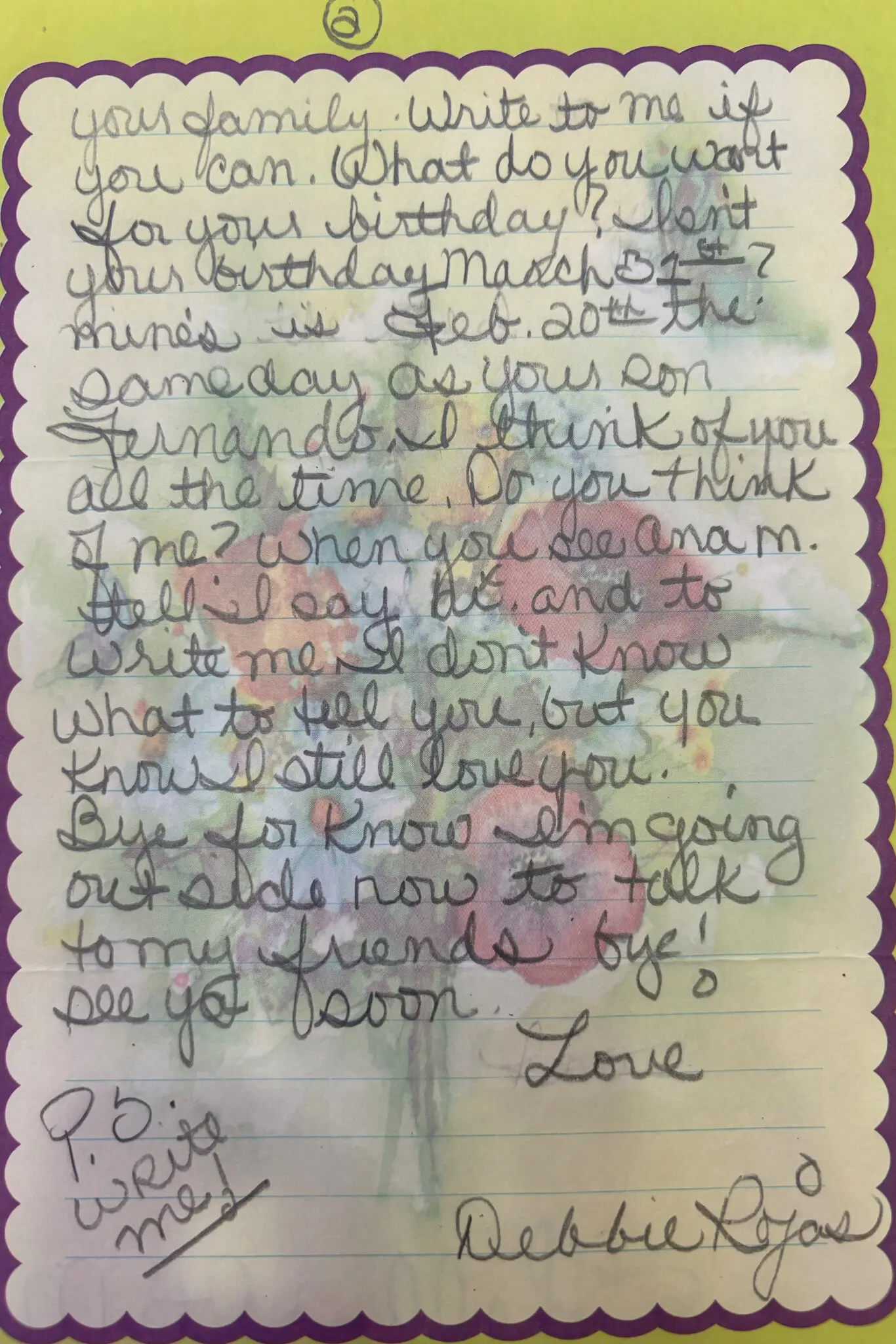
A letter written by Rojas in 1974, at age 13, on children's paper with roses, was found in the archives of the Walter P. Reuther Library and shows childish devotion mixed with references to his closeness.The research, based on interviews with more than 60 people (including former aides, family members and members of the UFW), review of hundreds of pages of union documents, confidential emails, photographs and recordings of meetings, reveals a wider pattern: Chávez had used his power and charisma to sexually exploit many women and volunteers in the movement.