The public institution is consolidating itself as a benchmark in immunohematology and molecular biology, a key specialty to guarantee safe transfusions in complex cases
While most people only recognize groups A, B, AB, and O, human blood has more than 300 blood antigens and extremely rare combinations that can appear in a minimal portion of the population.
When a patient with these particular characteristics needs a transfusion, finding a compatible unit can be an urgent challenge.
Ministro de Salud, Mario Lugones.
"For some people, finding compatible blood is so difficult that there may be only one or two among thousands of donors in the country or even in the world," explains Doctor Claudia Nonaka, head of the Hemotherapy Service at Hospital Posadas.
"That is where our work becomes crucial," she adds.
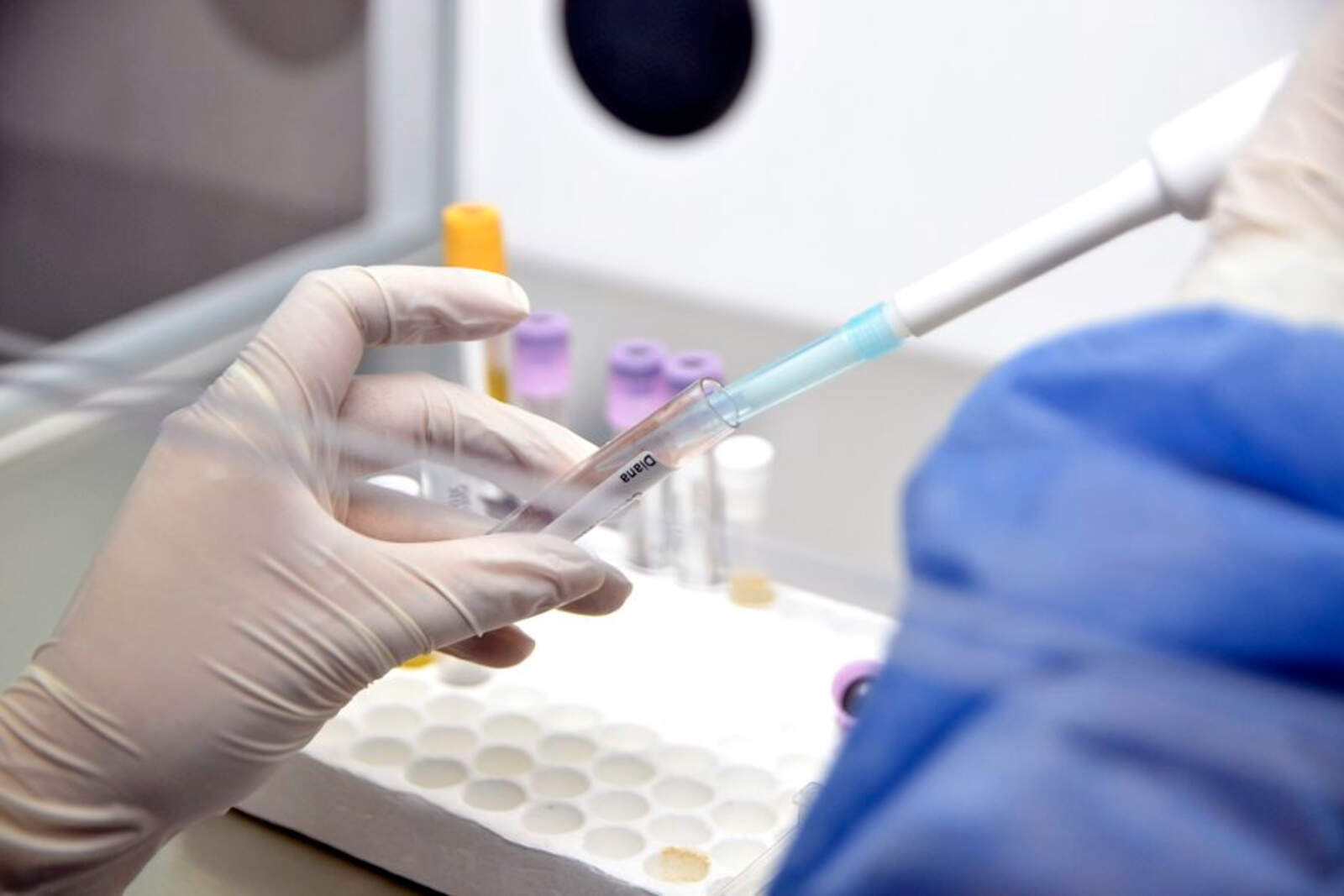
The Immunohematology laboratory uses advanced molecular biology techniques
The Immunohematology laboratory uses advanced molecular biology techniques, such as PCR and molecular typing, which allow the identification of rare genotypes with greater precision than conventional methods.
Hospital Posadas is part of the National Donor Program for donors with rare phenotypes, and it is part of the Ibero-American Rare Donor Group.
This work is a remarkable contribution by this institution to the international registry.
"More than 50% of Argentine donors included in the international panel were detected thanks to studies carried out in our laboratory. It is a source of pride and an enormous responsibility," emphasize the Molecular Immunohematology area representatives Claudia Fernandez and Néstor Zani.
The importance of donating blood
One of the core messages from the team is that any person may have a rare blood group without knowing it.
The only way to discover it is by donating blood and allowing it to be studied.
"A rare donor can save a life that literally has no other option. That's why we need people to come forward to donate, even if it is just once. Maybe that person is the only donor for someone in an emergency," they added.
Posadas's work, silent but vital, sustains the Argentine transfusion network day by day.
Disseminating this work and promoting donation is key to expanding the national registry and ensuring that, in a critical situation, compatible blood is available when it is needed most.
Proof of this work is that this week, the shipment of a sample from rare donors was arranged for diagnostic confirmation at a reference center in Japan.