How Hubble identified the ultraviolet light from MXDFz4.4
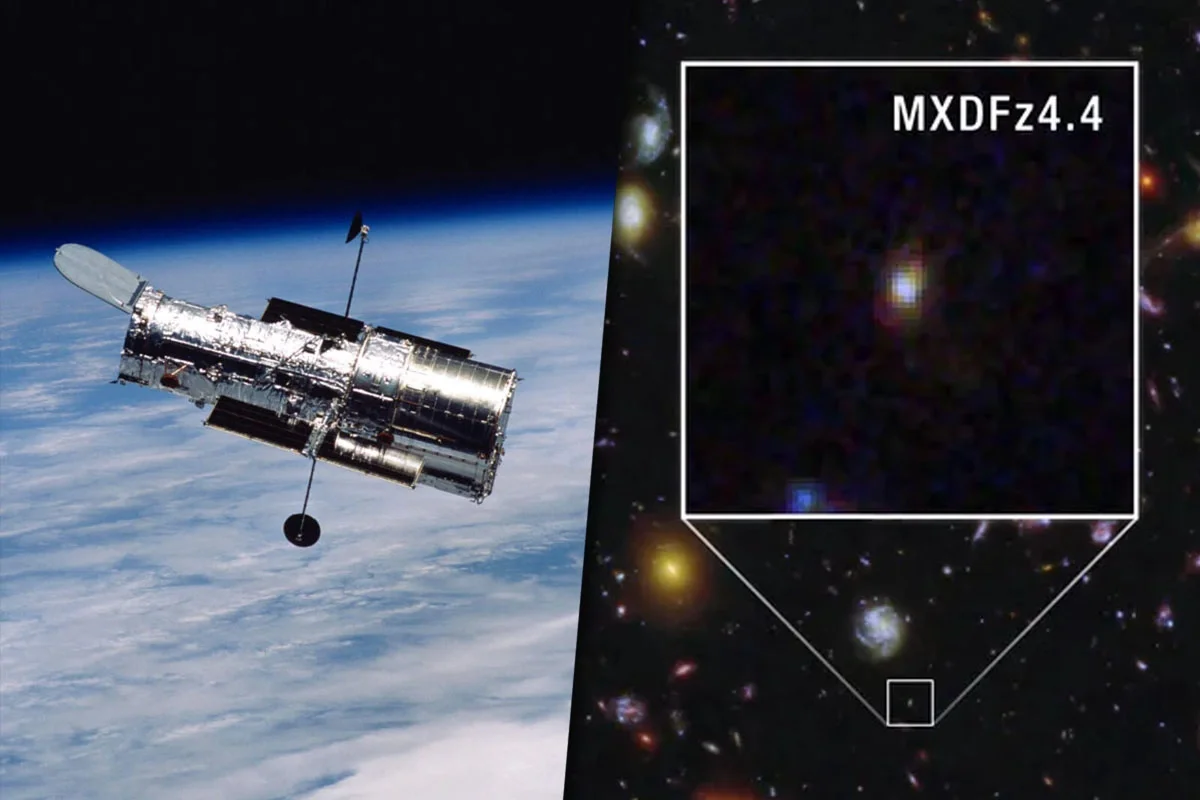
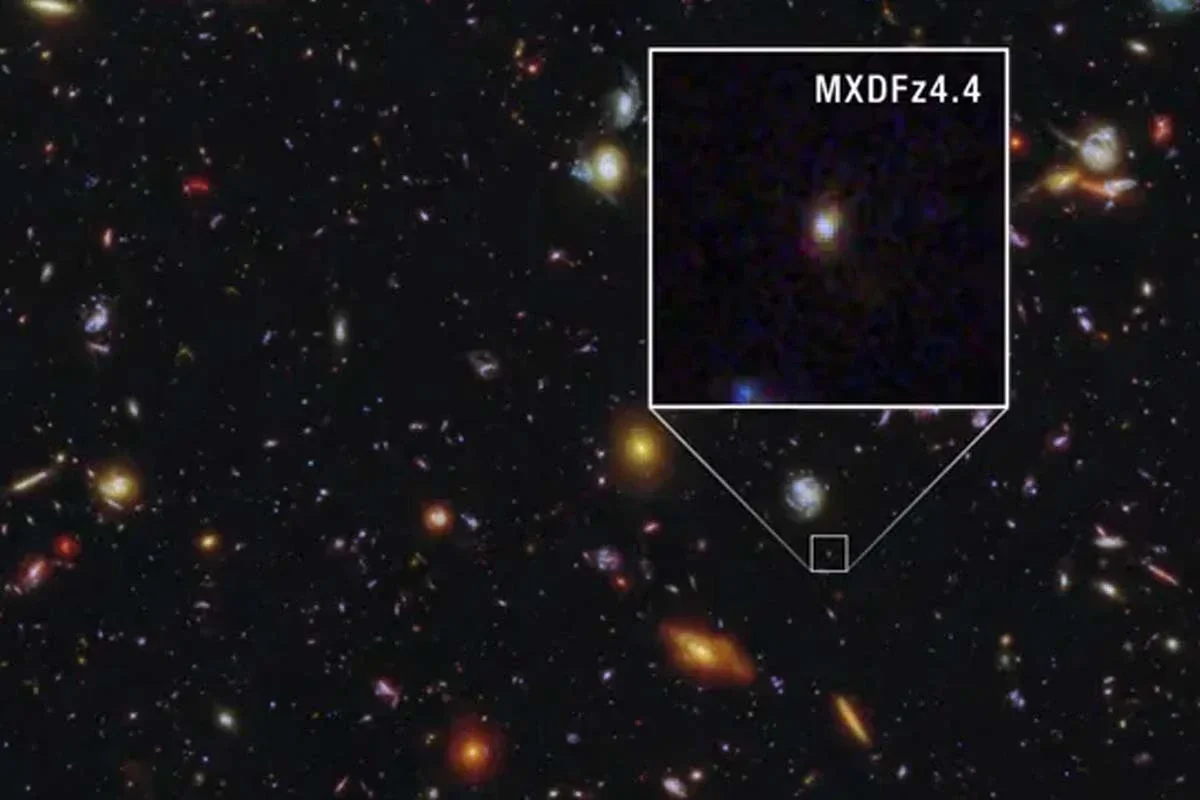
The galaxy was originally identified in the MUSE eXtremely Deep Field (MXDF) project, conducted with the Very Large Telescope at the European Southern Observatory in Chile.
Its designation includes the value "z4.4," indicating that it existed about 12.37 billion years ago.
How did Hubble identify the ultraviolet light from MXDFz4.4
With the expansion of the universe, the ultraviolet light emitted by the galaxy shifted to visible wavelengths that could be detected by Hubble.
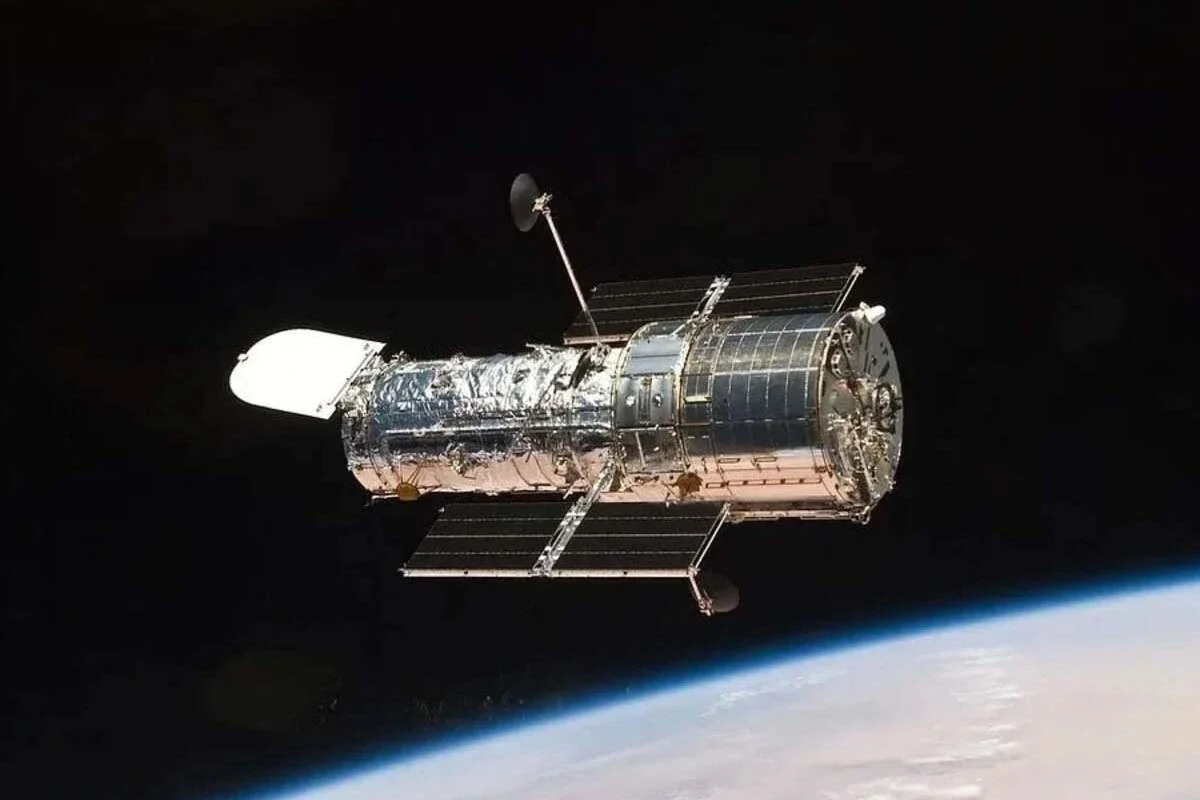
Hubble managed to capture a distant galaxy that, according to scientists, seemed impossible to observe. The discovery provides new clues about one of the most important periods in the early history of the universe.
The observations from the Hubble Space Telescope revealed an intense emission of ultraviolet light coming from the galaxy MXDFz4.4, a signal that helps to understand how the enormous cloud of hydrogen that covered the cosmos in its early times dissipated.
The observations revealed an intense emission of ultraviolet light coming from the galaxy MXDFz4.4
What Hubble discovered in the galaxy MXDFz4.4
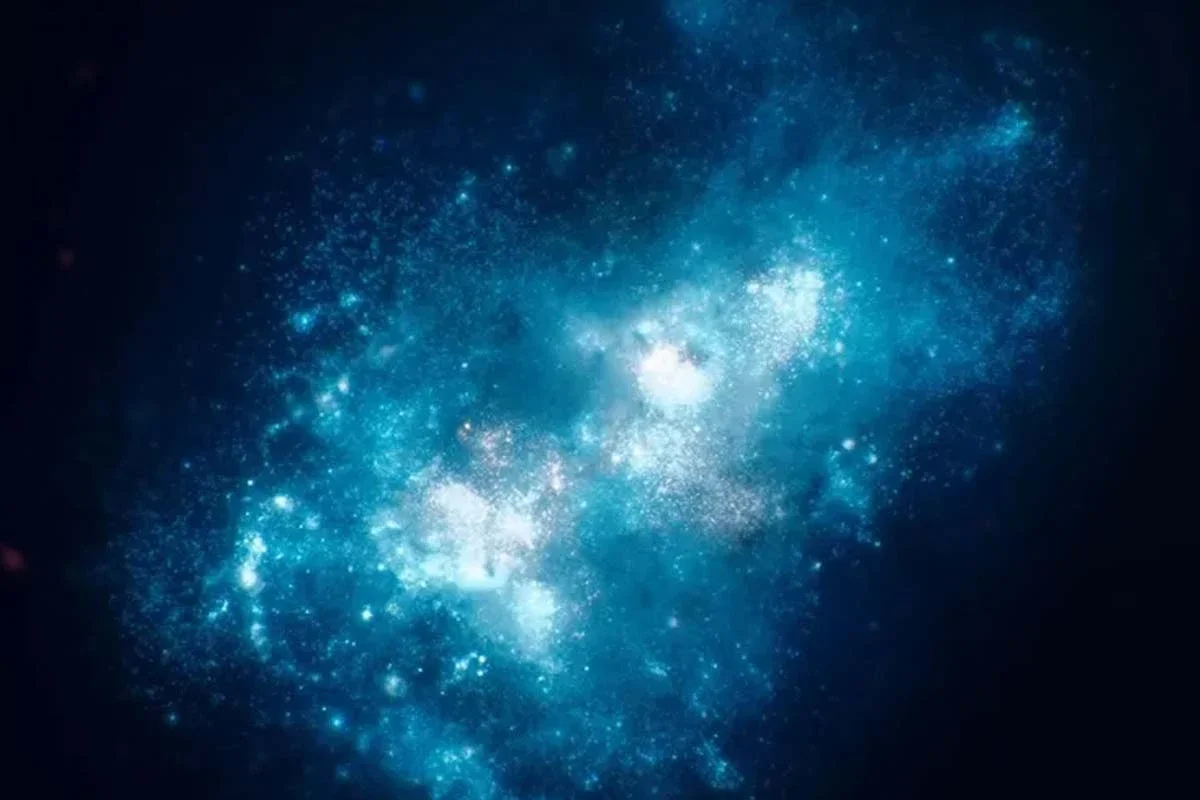
The galaxy MXDFz4.4 existed approximately 1.4 billion years after the Big Bang and contains a compact cluster of young, hot, and massive stars.
According to researchers, this group of stars emits a large amount of ultraviolet light capable of penetrating the hydrogen gas that dominated the universe at that time.
The detection surprised astronomers because it was considered extremely difficult to observe this type of radiation coming from such ancient galaxies.
What did Hubble discover in the galaxy MXDFz4.4
Why this galaxy was considered impossible to detect
During the early times of the universe, large amounts of neutral hydrogen blocked the ultraviolet light emitted by the brightest objects.
This phenomenon made it difficult to identify the sources responsible for producing the radiation necessary to penetrate that cosmic barrier.
Why this galaxy was considered impossible to detect
Ilias Goovaerts from the Space Telescope Science Institute (STScI) explained that observing a galaxy like MXDFz4.4 was considered practically impossible due to the density of that gas.
What the cluster of stars found in the galaxy revealed
Researchers determined that MXDFz4.4 is about 100 times smaller than the Milky Way. However, it forms stars at a rate ten times higher than our galaxy.
What the cluster of stars found in the galaxy revealed
Much of this activity occurs within an extremely bright cluster where young, massive stars are born in a small space.
According to Goovaerts, the concentration of these stars facilitates the ultraviolet radiation to penetrate the surrounding gas.
What the combination of Hubble and James Webb data contributed
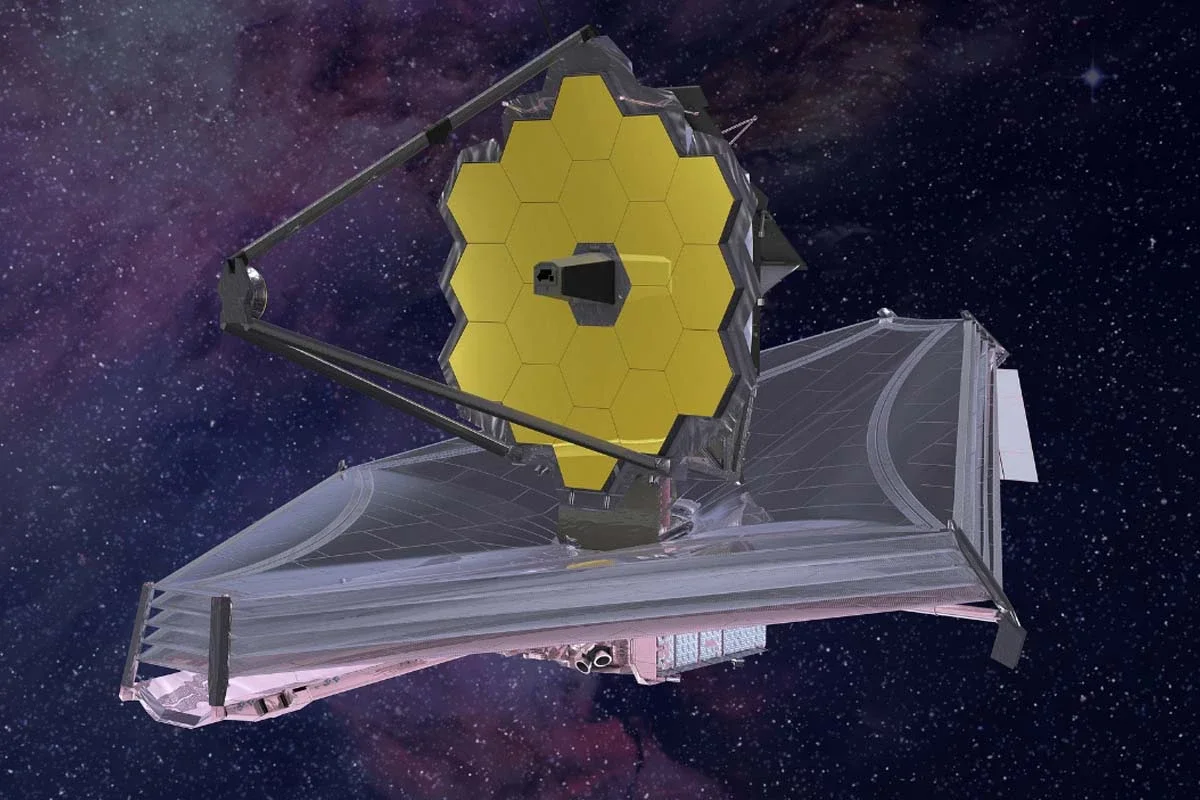
The team compared observations from the Hubble Space Telescope with data obtained by the James Webb Space Telescope (JWST).
What did the combination of Hubble and James Webb data contribute
Thanks to this work, they identified that the stars in the cluster formed in different bursts of stellar activity.
Each episode produced new amounts of ultraviolet radiation, gradually helping to clear the gas surrounding the galaxy.