The vehicleswith hybrid and electric engines are experiencing a historic moment in Argentina. During the first half of 2026, 42,238 units were registered, a volume that quadrupled the figure recorded in the same period last year.
The growth was 339.4% year-on-year, as between January and June 2025, only 9,613 electrified vehicles were registered. This data is even more significant because the total market for cars and light commercial vehicles declined by 11.1% in the same period.
Hybrid and electric vehicles are going through a historic moment in Argentina
Conventional hybrid vehicles remain the most chosen
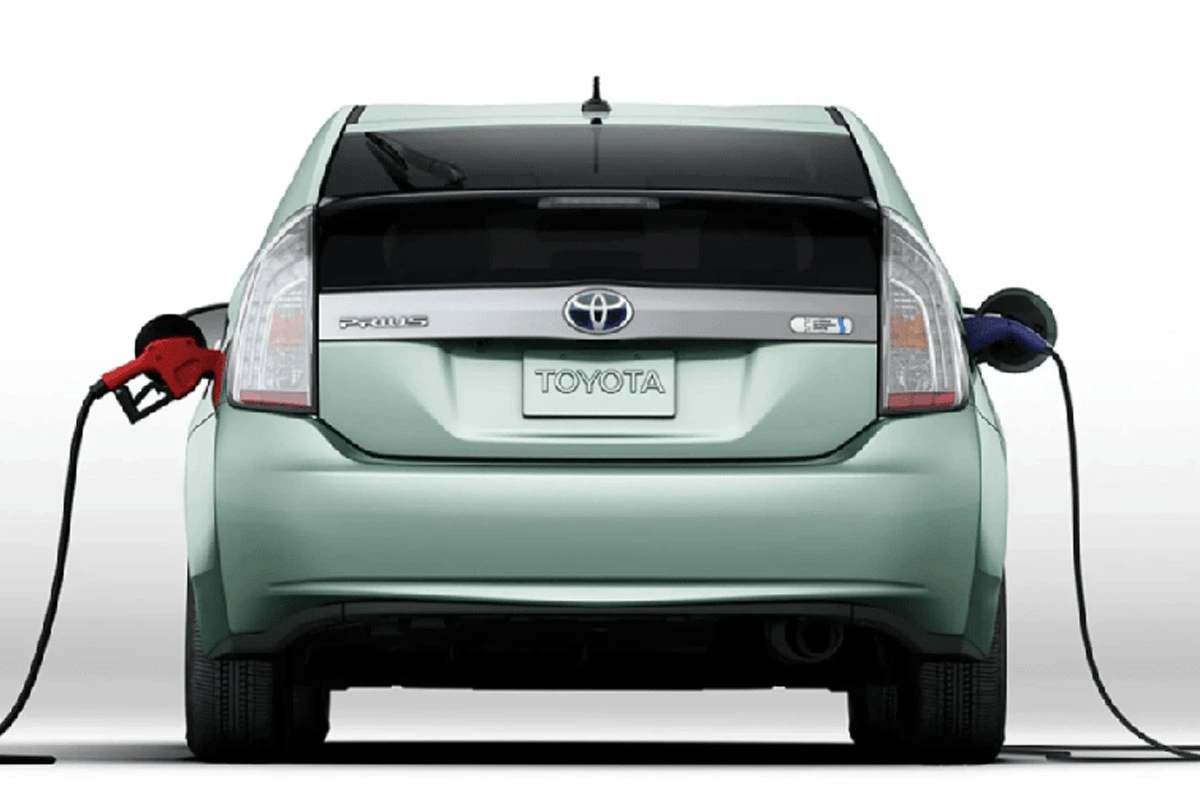
Argentine consumers continue to predominantly favor conventional hybrids (HEV), which do not need to be plugged into a power source to recharge their batteries.
Conventional hybrids (HEV): 23,222 units (55%)
Plug-in hybrids (PHEV): 8,979 units (21%)
Mild Hybrid (MHEV): 6,160 units (15%)
100% electric (BEV): 3,877 units (9%)
One of the most important changes of the semester was the advancement of plug-in hybrids, which displaced mild hybrids and consolidated as the second most sold technology in the segment.
The tax benefit that boosted the arrival of Chinese cars
The engine of growth was the regime created by Decree 49/2025, which established a 0% import tariff for electrified vehicles from outside Mercosur with a FOB value of up to USD 16,000, within an annual quota of 50,000 units.
The tax benefit that drove the arrival of Chinese cars
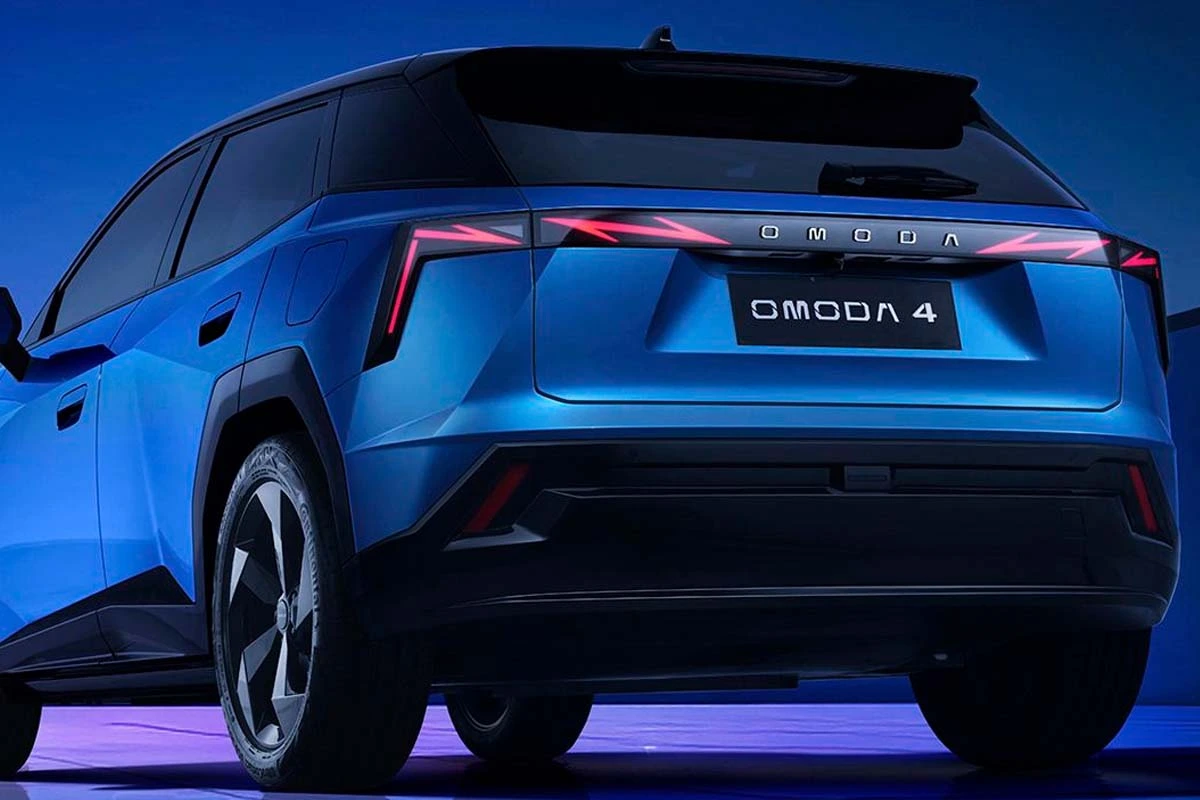
Models manufactured in China were the main beneficiaries: in conventional hybrids, they already represent 29% of sales, with a year-on-year growth of 1,221%. Hybrids from Brazil, on the other hand, account for 19% of the market and grew by only 21%.
So far, three tenders have been held that allowed the entry of 100,000 vehicles under this regime. The 2026 quota distributed 19,280 units for automotive terminals and 30,720 for importers, in addition to reallocating almost 10,000 unused units from the previous quota.
The models manufactured in China were the main beneficiaries
The Government is already analyzing the 2027 tender, which would add another 50,000 units, while studying to raise the FOB value limit and redefine the distribution of the quota. Additionally, Decree 44/2026 expanded the benefit to 18 tariff positions and also included mild hybrid models.
There are more electrified models available than ever
The variety of electrified vehicles has also grown significantly: from 87 models sold in the first half of 2025, the number rose to 145 this year.
Only between January and June, 50 new models were added, with a predominance of plug-in technologies:
19 pure electric (BEV)
17 plug-in hybrids (PHEV)
9 mild hybrids
5 conventional hybrids
There are more and more electrified models available
Charging infrastructure, the main challenge
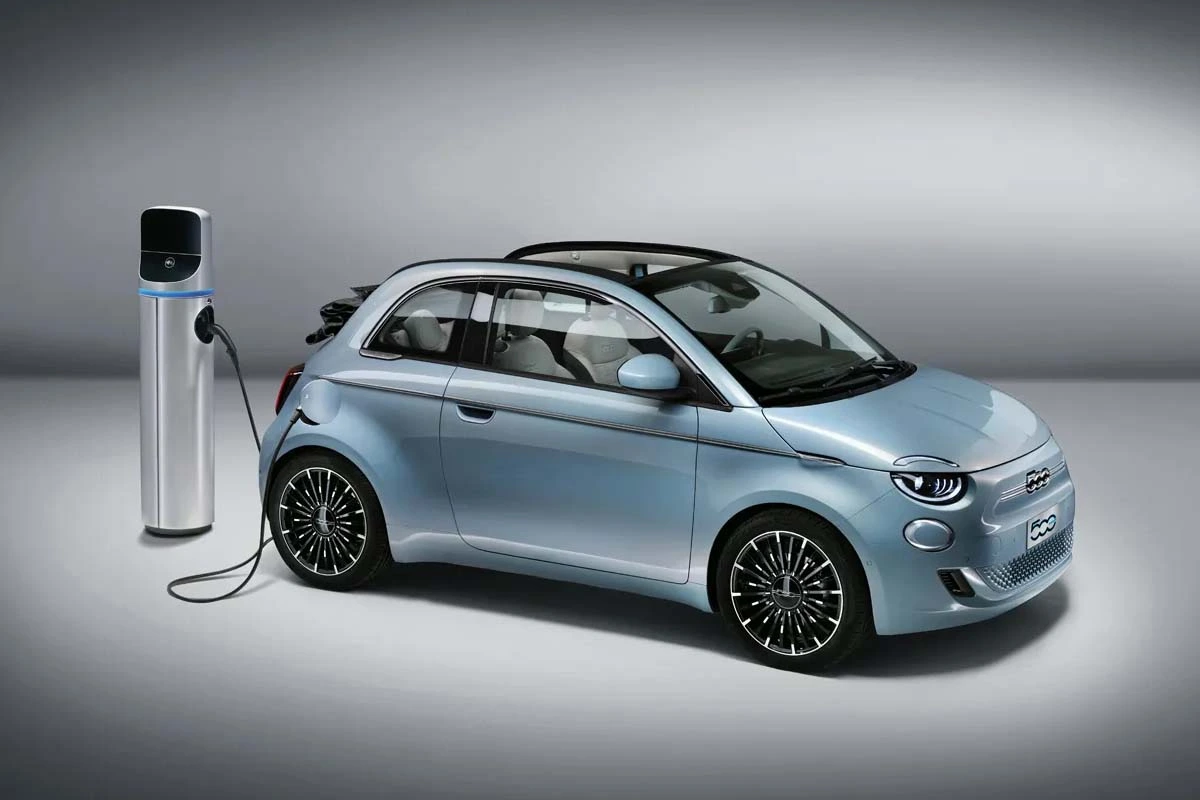
Despite the growth in supply, fully electric cars still represent only 9% of the electrified market. The main obstacle is no longer the availability of vehicles, but the charging infrastructure.
Currently, there are around 260 charging points across the country, which equates to 3.5 chargers for every 100 electrified vehicles. For reference, Chile has approximately eight points for every 100 vehicles.
The charging infrastructure, the main challenge
Only 15% of those chargers correspond to fast charging stations, a factor that still limits mass adoption, although new projects continue to be developed in the AMBA and in various provinces.
BYD dominates the electric market and Ford surprises among hybrids
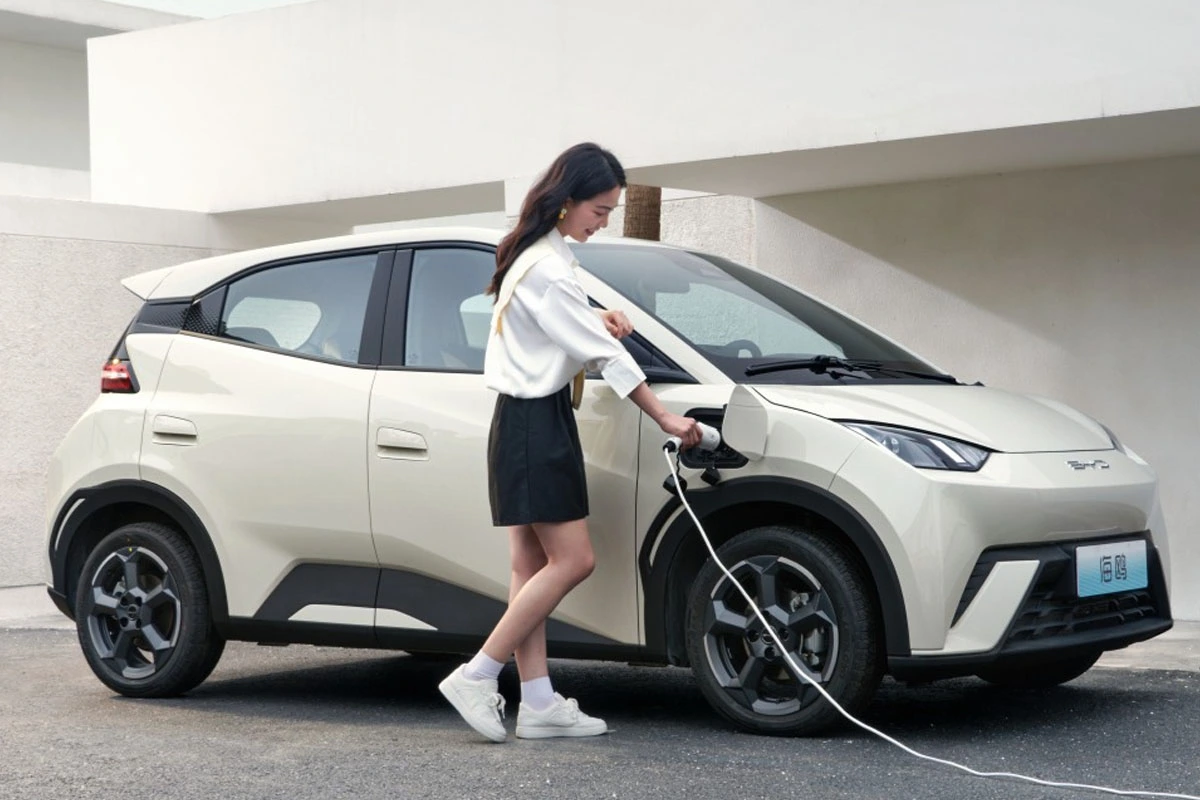
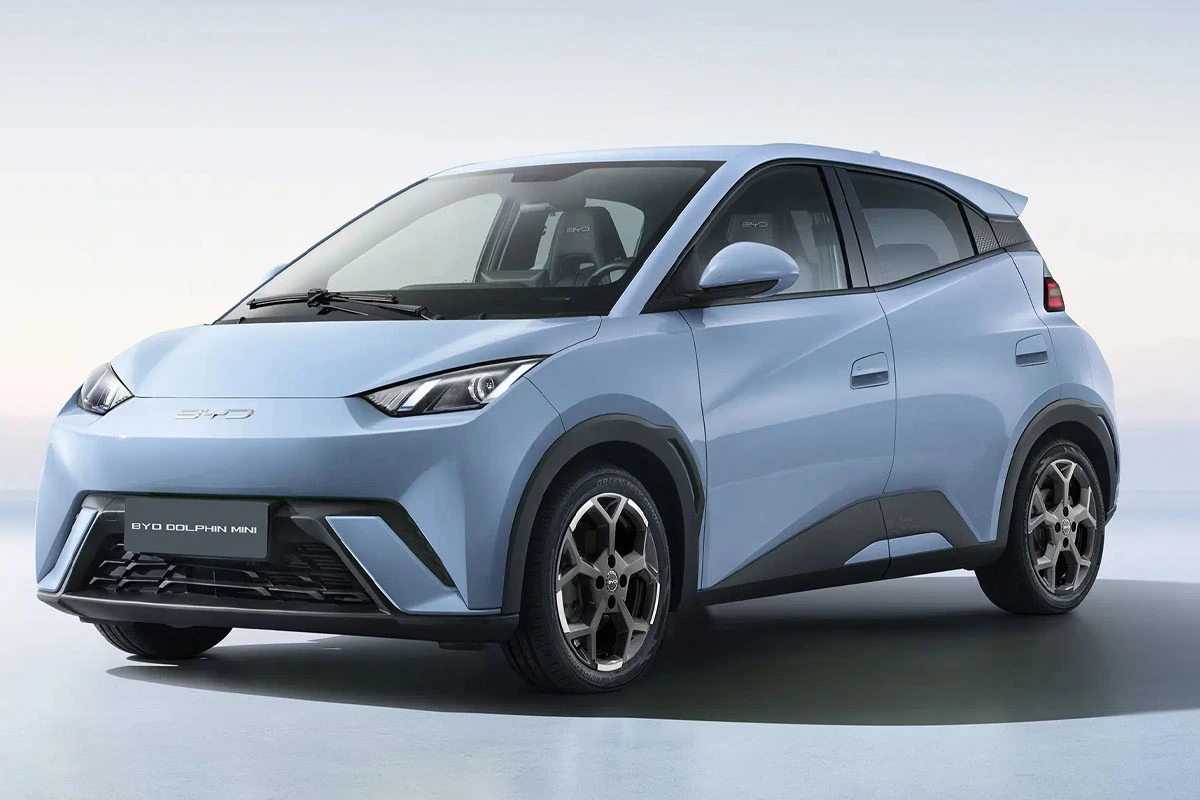
In the 100% electric (BEV) segment, the Chinese brand BYD widely dominates the market: the Dolphin Mini accounts for 56% of segment sales and the Yuan Pro another 18%. In total, Chinese brands represent nearly 90% of the segment.
In plug-in hybrids (PHEV), which increased from 150 to 8,979 units in a year (+5,886%), four models account for 88% of the market: BYD Atto 2, BYD Song Pro, Chevrolet Captiva, and Changan CS55.
BYD dominates the electric vehicles and Ford surprises among hybrids
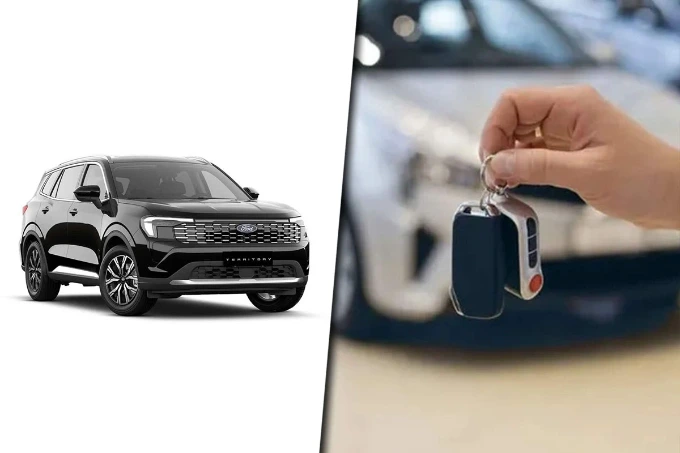
In conventional hybrids (HEV), historically dominated by Toyota, the new leader is the Ford Territory, with 21% of sales of that technology. Following is the BAIC BJ30, with 16%, which has reduced the dominance of the Toyota Corolla Cross and the Toyota Corolla.
The mild hybrids (MHEV) present the most diversified offer, with eleven models accounting for 80% of sales, led by the Chery Tiggo 7 (29%) and the Renault Arkana (16%)