Piro was also blunt about the choice of caregivers: she mentioned that Andrés Nara, the maternal grandfather, had only seen the girls twice and that there are allegations of violence against him. "Biology doesn't make a family," she concluded.
According to Icardi's circle, neither Zaira Nara nor the nanny were available. In fact, Zaira was in Uruguay for work commitments, and the designated caregiver had no prior relationship with the girls.
Mauro Icardi también pasó días en el exterior mientras sus hijas estaban en Argentina al cuidado de distintos adultos.
The footballer also claimed that he never consented to his daughters' schooling in Argentina and that the transfer from Türkiye was made without his approval, describing Wanda's actions as "inadmissible and grossly reprehensible."
Meanwhile, the minors continue attending school under institutional monitoring. The case remains ongoing in the civil court, where it will be determined who will be responsible for the legal and daily care of the girls amid an increasingly heated media environment.
Winter vacation is approaching, but family calm still seems very far away.
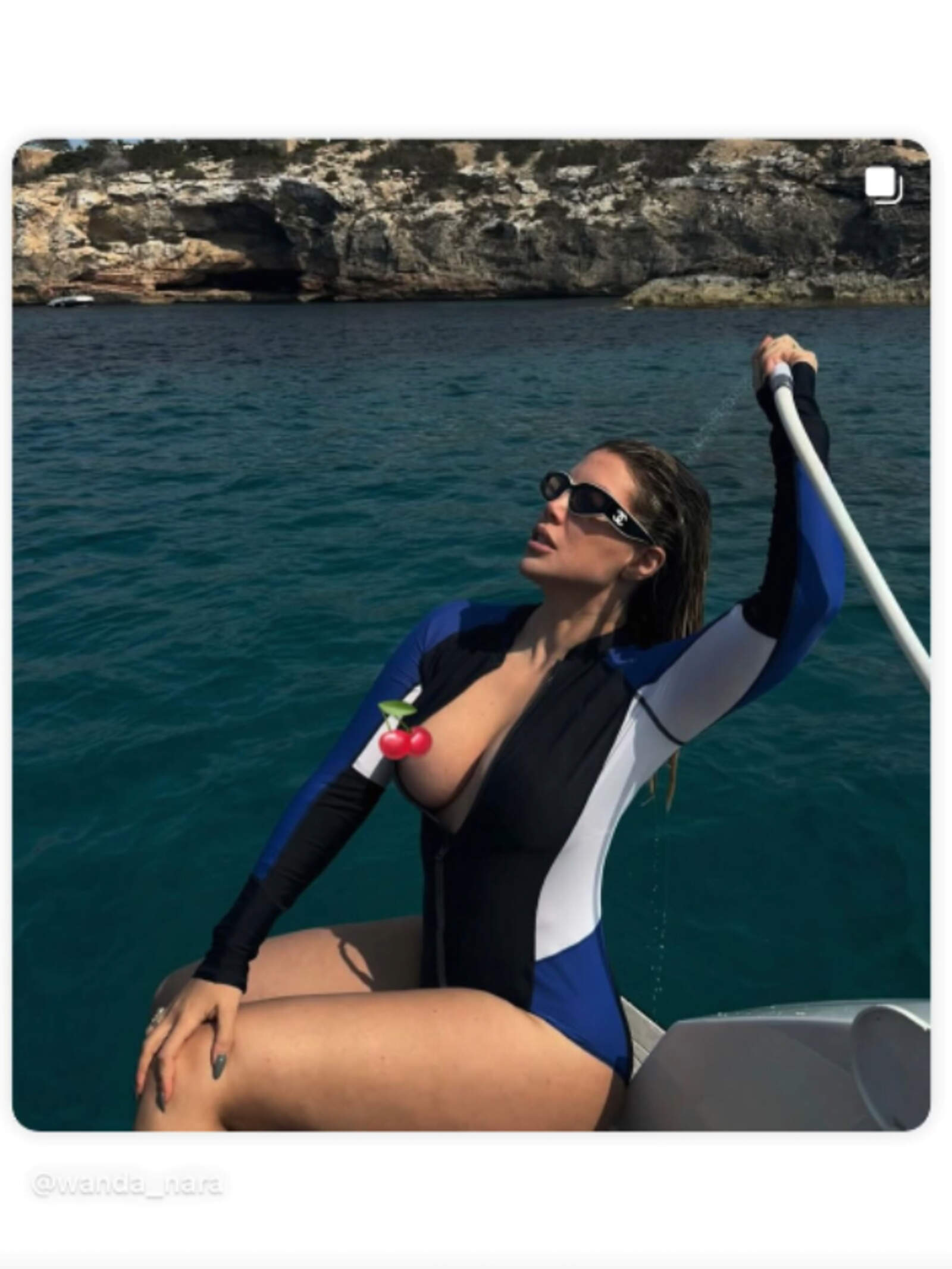
Additionally, she criticized Wanda Nara's attitude, who at the time of the conflict was in Ibiza. "Ms. Nara was vacationing in Europe while her daughters were left in the care of strangers with no emotional ties," she argued.
Wanda Nara de viaje en Europa mientras estalló la polémica en Argentina en el colegio de las hijas que tiene con Mauro Icardi.
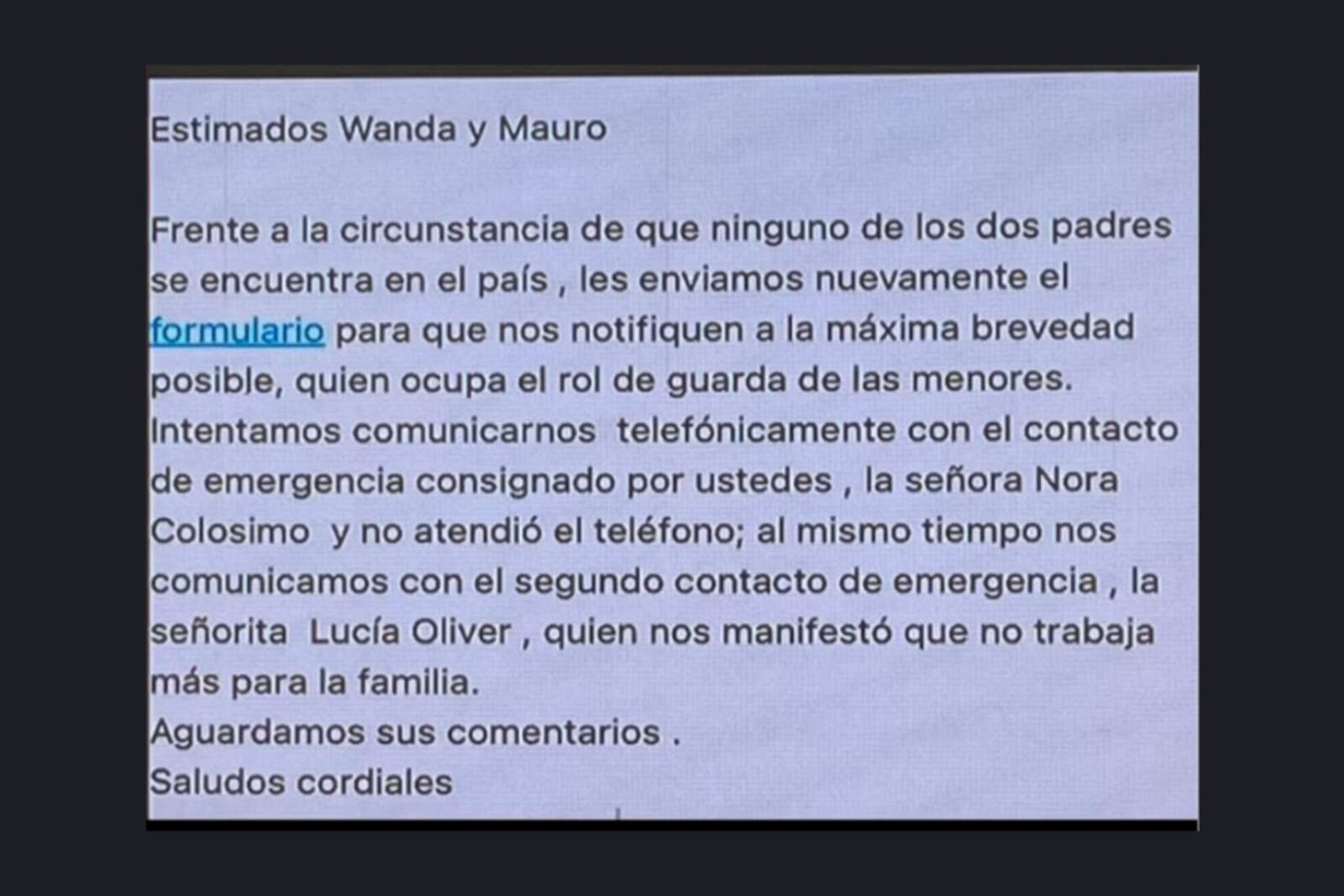
A communication from the school attended by Francesca and Isabella Icardi triggered a new alarm in the conflict between Mauro Icardi and Wanda Nara. On Tuesday, June 3, the educational institution expressed via email its concern about the simultaneous absence of both parents from the country and the lack of available contacts in case of emergency.
The school, unable to reach the individuals designated by the family—the maternal grandmother Nora Colosimo and a former nanny—requested urgent information on who was legally responsible for the minors. This situation, unprecedented in the family record, led to an immediate judicial intervention.
The judiciary intervened after the school's alert
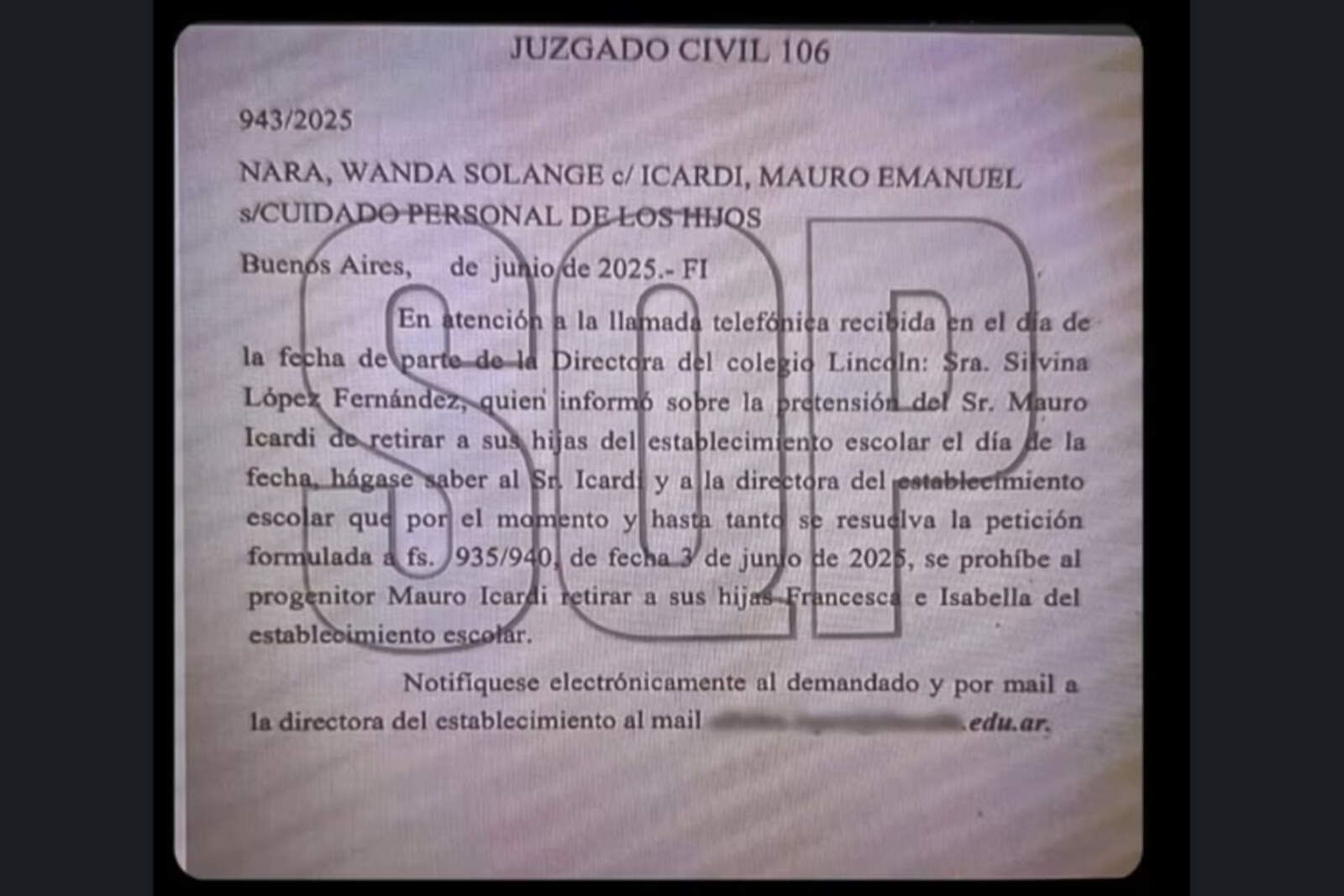
The director of the institution, Silvina López Fernández, submitted the case to Civil Court No. 106, notifying that Icardi intended to withdraw his daughters from the school. That same day, the judge issued a preventive measure: the footballer was prohibited from withdrawing Francesca and Isabella until the petition was formally solved.
La directora del colegio alertó a la Justicia por la inacción de los padres frente al conflicto.
Despite having shared parental custody and authorized contact with the girls, Icardi was temporarily disqualified from carrying out that action. According to his legal team, the decision was arbitrary and lacked legal basis.
In response, Icardi filed a judicial complaint regarding a situation of neglect. He argued that his daughters were left institutionally and emotionally exposed, and held Wanda Nara responsible for the failure in the emergency contact network.
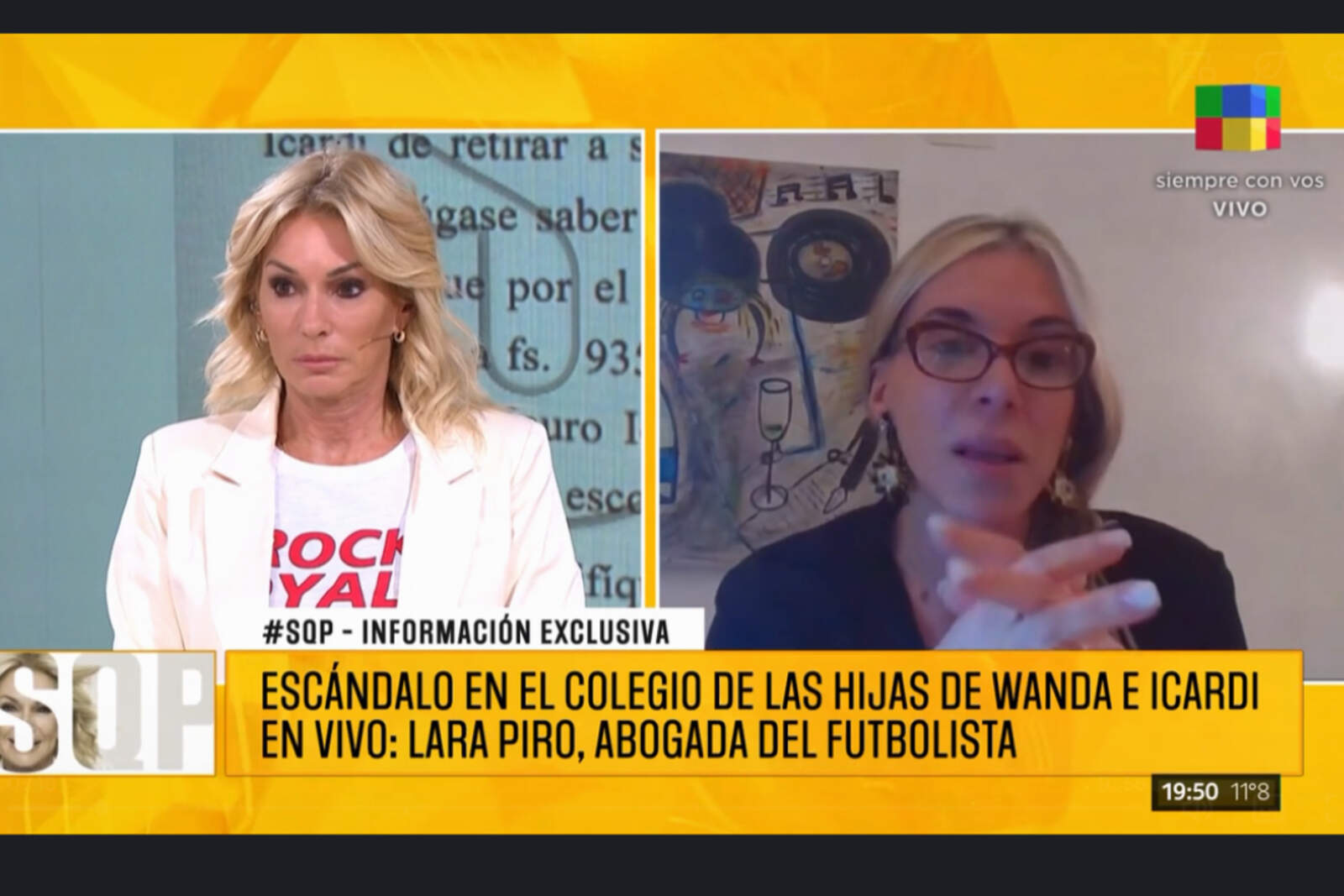
Lara Piro, abogada de Icardi, responsabilizó al juez y a Wanda Nara por la falta de protección hacia las niñas.
Lara Piro's statements: harsh criticism of the judge and Wanda
Lara Piro, the striker's attorney,spoke on Sálvese quien pueda (América) and did not hold back in her criticism of the judge in the case. "Mauro can't be asked for more patience or respect for the judiciary," she stated. She also claimed that for six months the magistrate remained passive, but ruled against Icardi "in five minutes" after the school's call.
"Why couldn't he take them if he has shared custody and there's no contact restriction?" she asked ironically. For Piro, the ruling replied more to media pressure than to legal criteria.