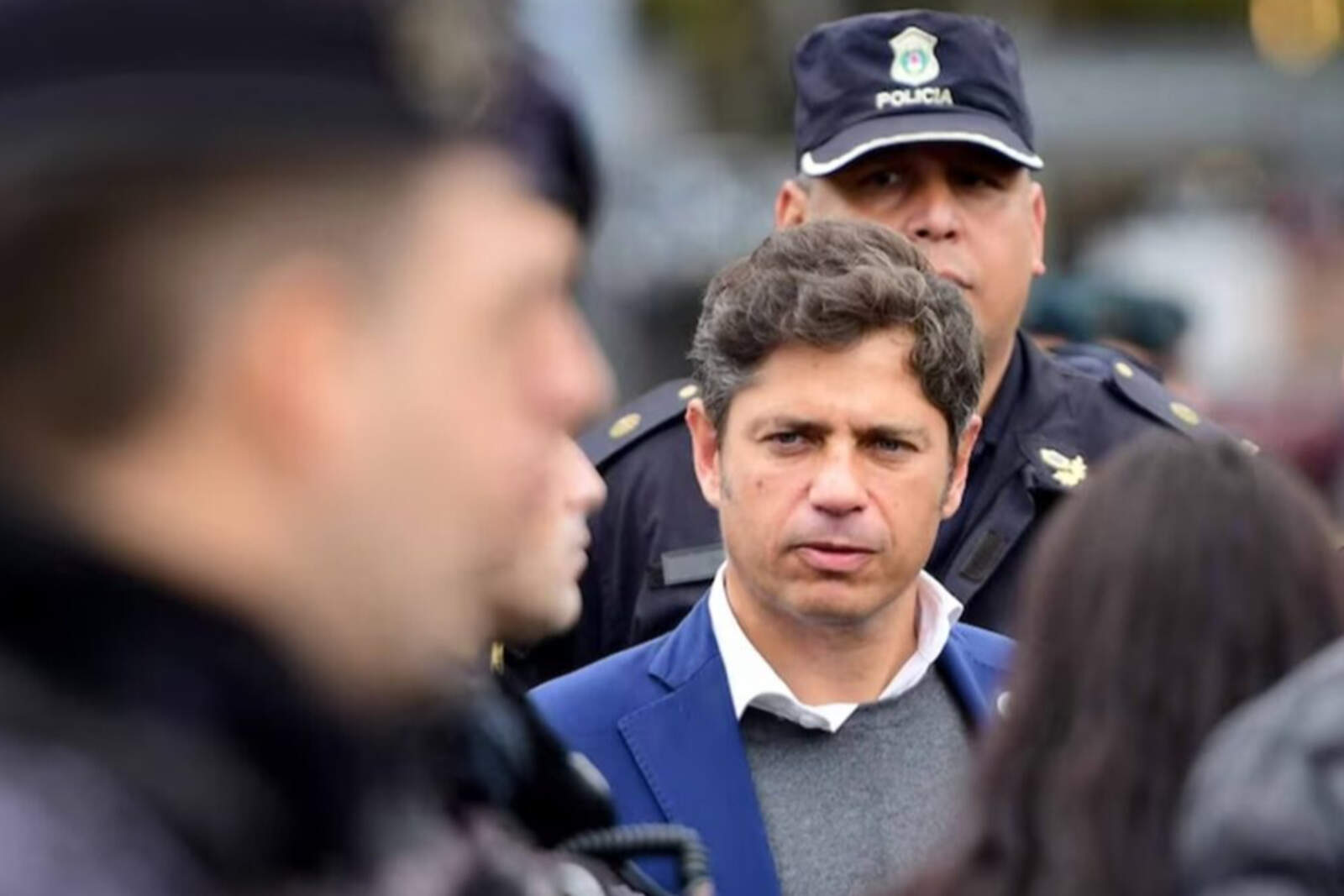

Buenos Aires Province is going through a new bout of institutional tension. In recent weeks, dissatisfaction within the Buenos Aires Police has deepened to the point that different sectors of the force have begun to consider protests and possible mobilizations, with barracks confinement as a latent threat. The main trigger is the wage delay, although the conflict goes far beyond economic issues and exposes an increasingly evident rift between the officers and the provincial political power.
Unlike other public sector workers, the Buenos Aires Police doesn't take part in its own collective bargaining due to a judicial restriction. Its wage increases are applied automatically, mirroring the general agreements of the public administration, which creates a structural lag in the face of inflation.
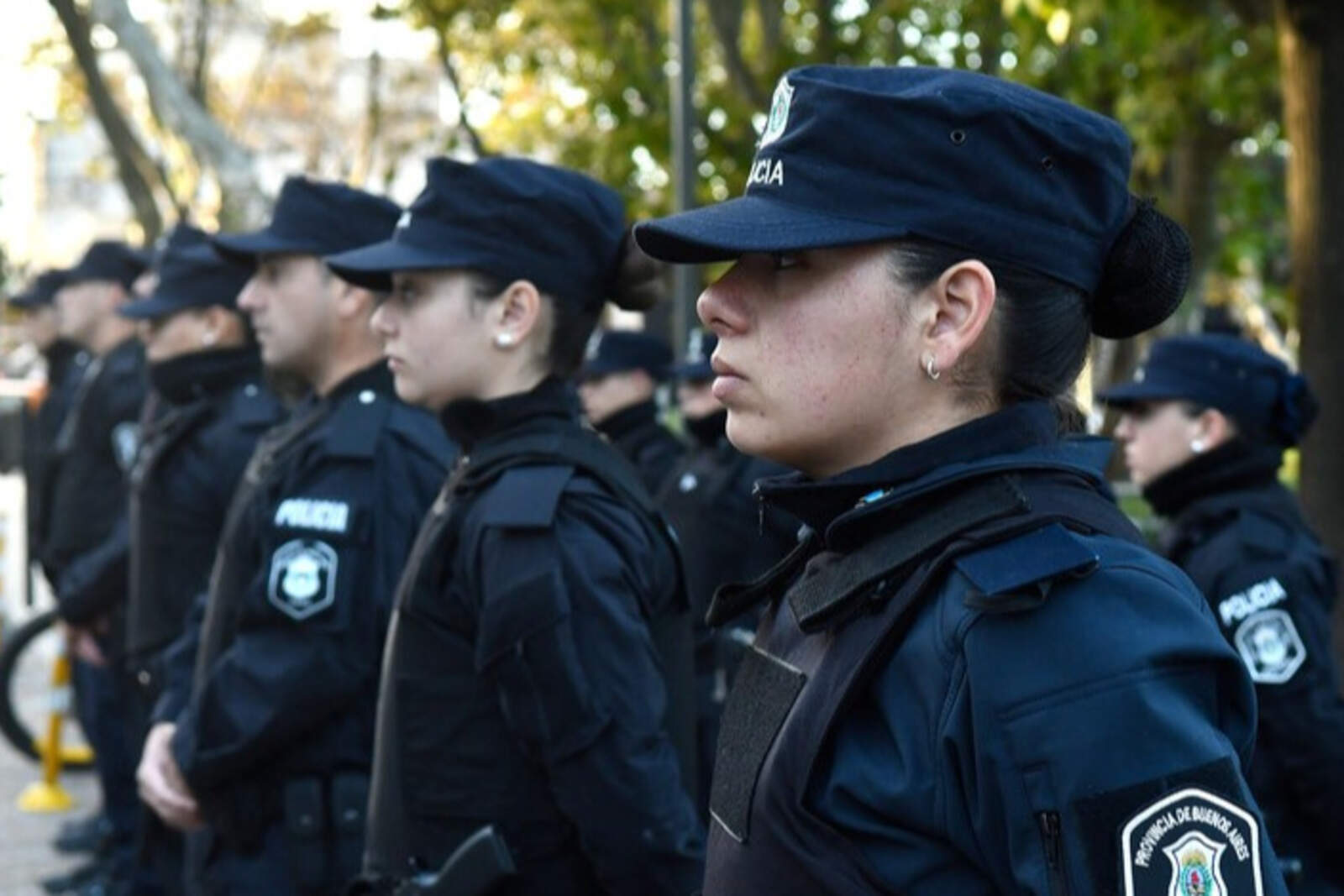
The situation worsened during the summer. The traditional Operativo Sol was not deployed with the same magnitude as in previous years, and many police officers did not receive the seasonal bonus that has historically offset the work overload in the tourist months. At the same time, the season was marked by security conflicts in sensitive areas of Greater Buenos Aires, which increased the pressure on a force that was already pushed to the limit.