Out of every 100 pesos (220 pounds) paid by the user, 33 go to the provincial and municipal governments. Aguas Cordobesas has requested another increase
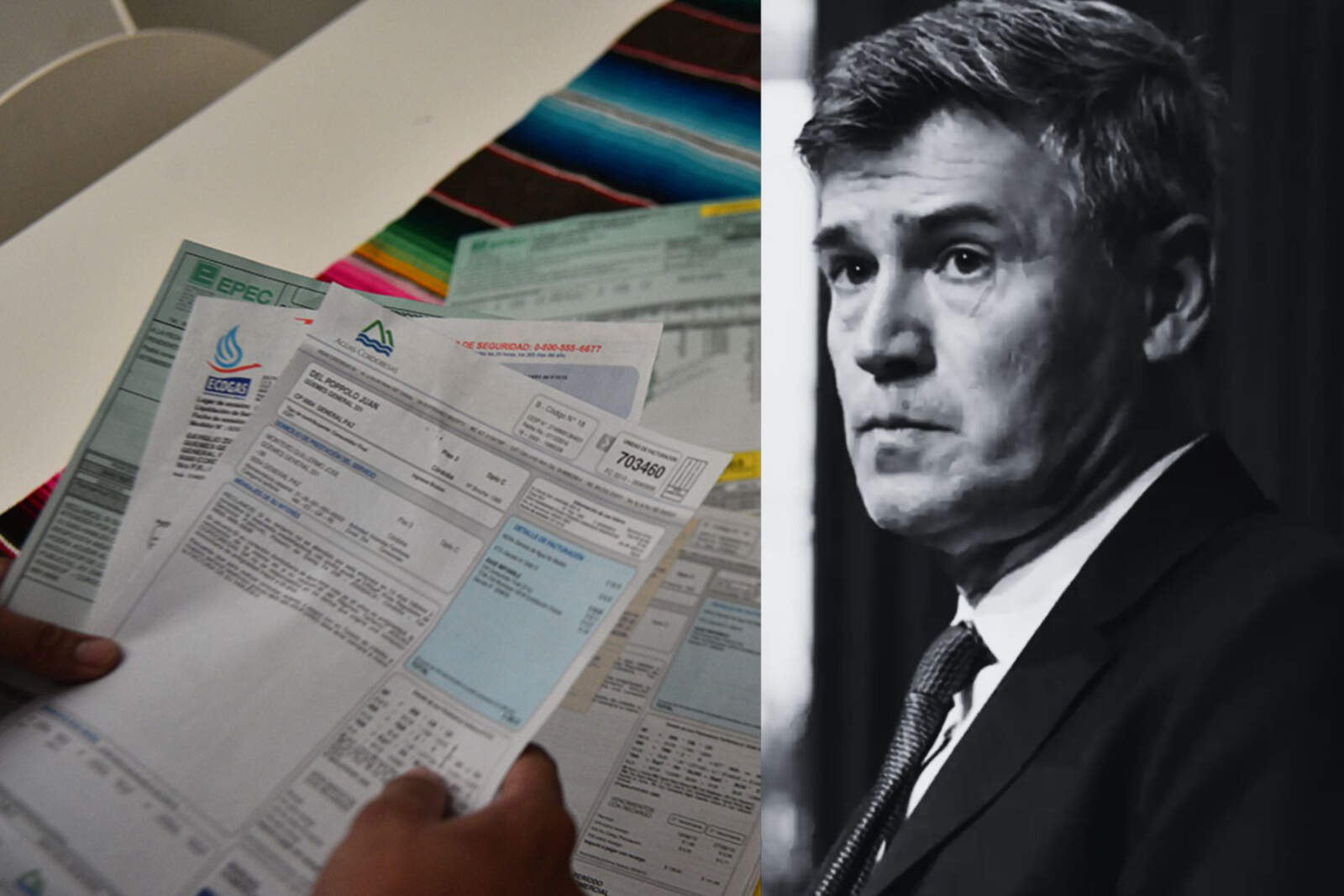
The cost of water service in Córdoba continues to rise.Aguas Cordobesas has requested a new increase of over 8%, which will bring the accumulated increase for the year to more than 30%.But behind the rate hike, the most concerning fact is that the State is keeping an increasingly larger portion of what residents pay.
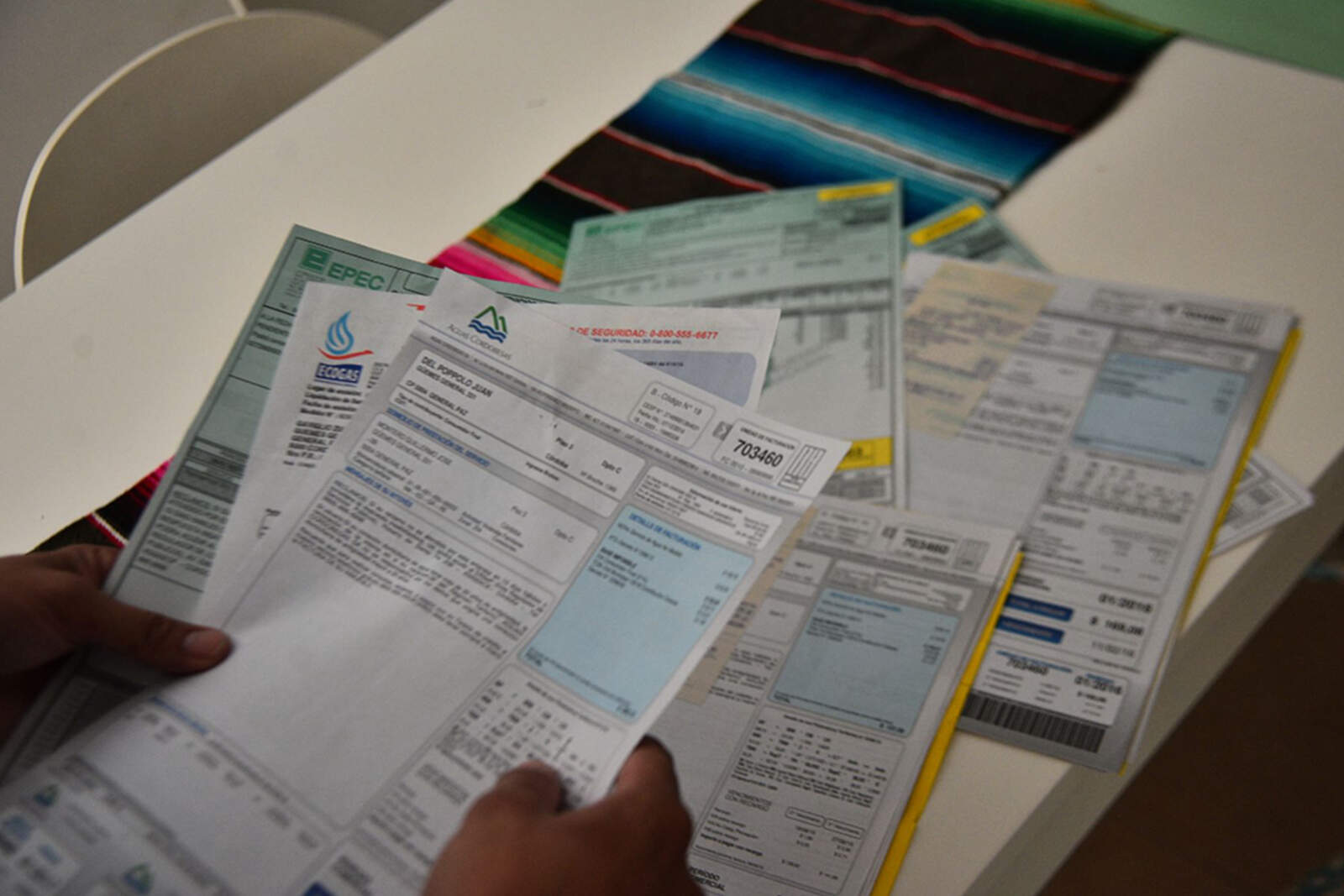
According to a recent report, out of every 100 pesos on a bill, 33 end up in the hands of the Province and the Municipality.The bills include contributions to VAT, provincial contributions, and local fees that have nothing to do with the provision of the service. This way, water becomes an indirect means of political revenue collection.
Users pay 21 pesos in national taxes, another 10 for the provincial resource usage fee, 4 for Gross Income, and 1.20 pesos for the Ersep fee.Additionally, the Municipality withholds 16 pesos for a "sanitary infrastructure" contribution, a concept that has remained for years without review or effective oversight.
Aguas Cordobesas pidió un nuevo aumento superior al 8%, que llevará el incremento acumulado del año a más del 30%.
Charges that persist despite the national ban
Upon taking office, Javier Milei ordered that local governments could not include fees or taxes unrelated to the service within the bills.The measure sought to stop the practice of disguising taxes behind administrative concepts. However, several municipalities appealed the regulation and managed to maintain the collection scheme.
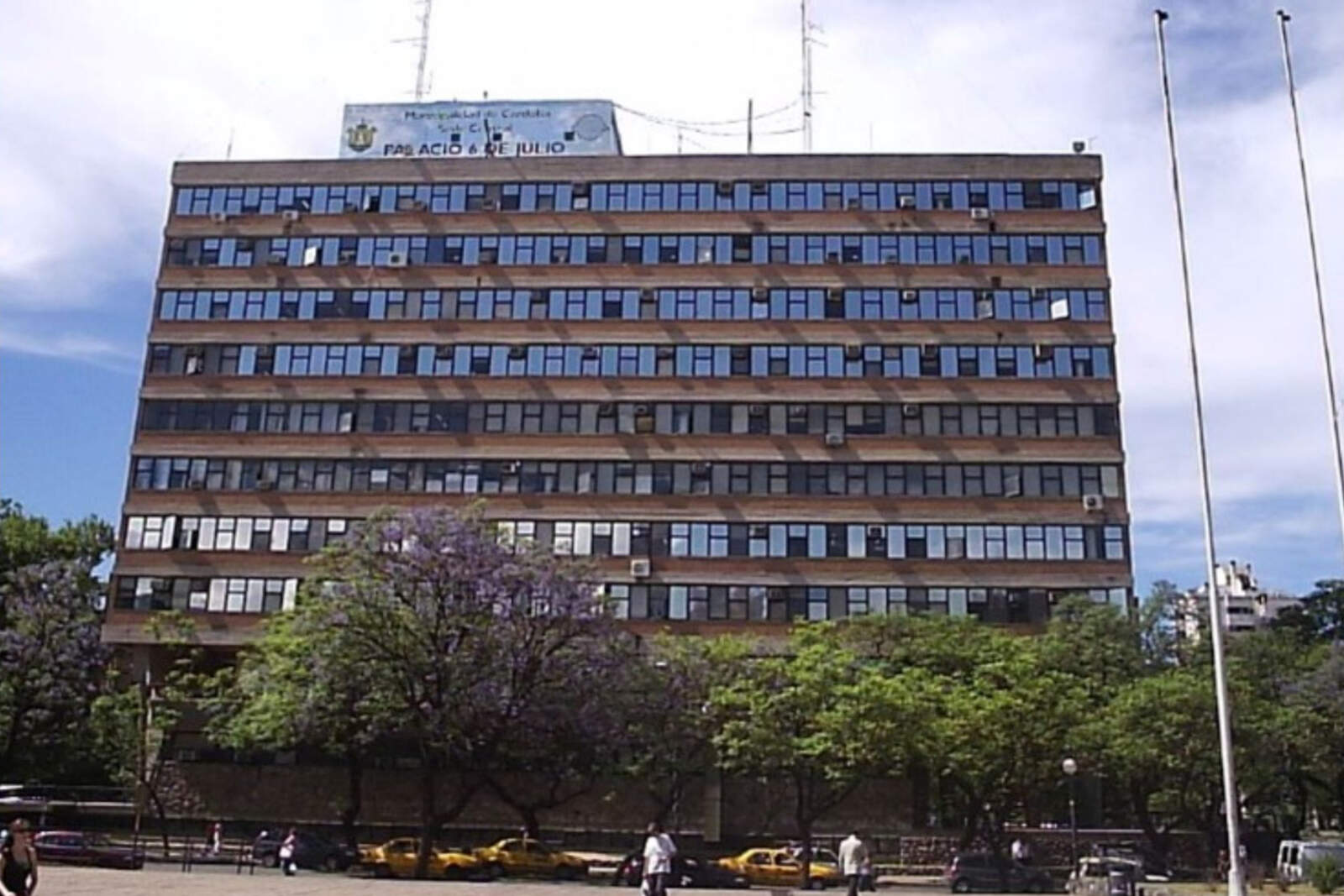
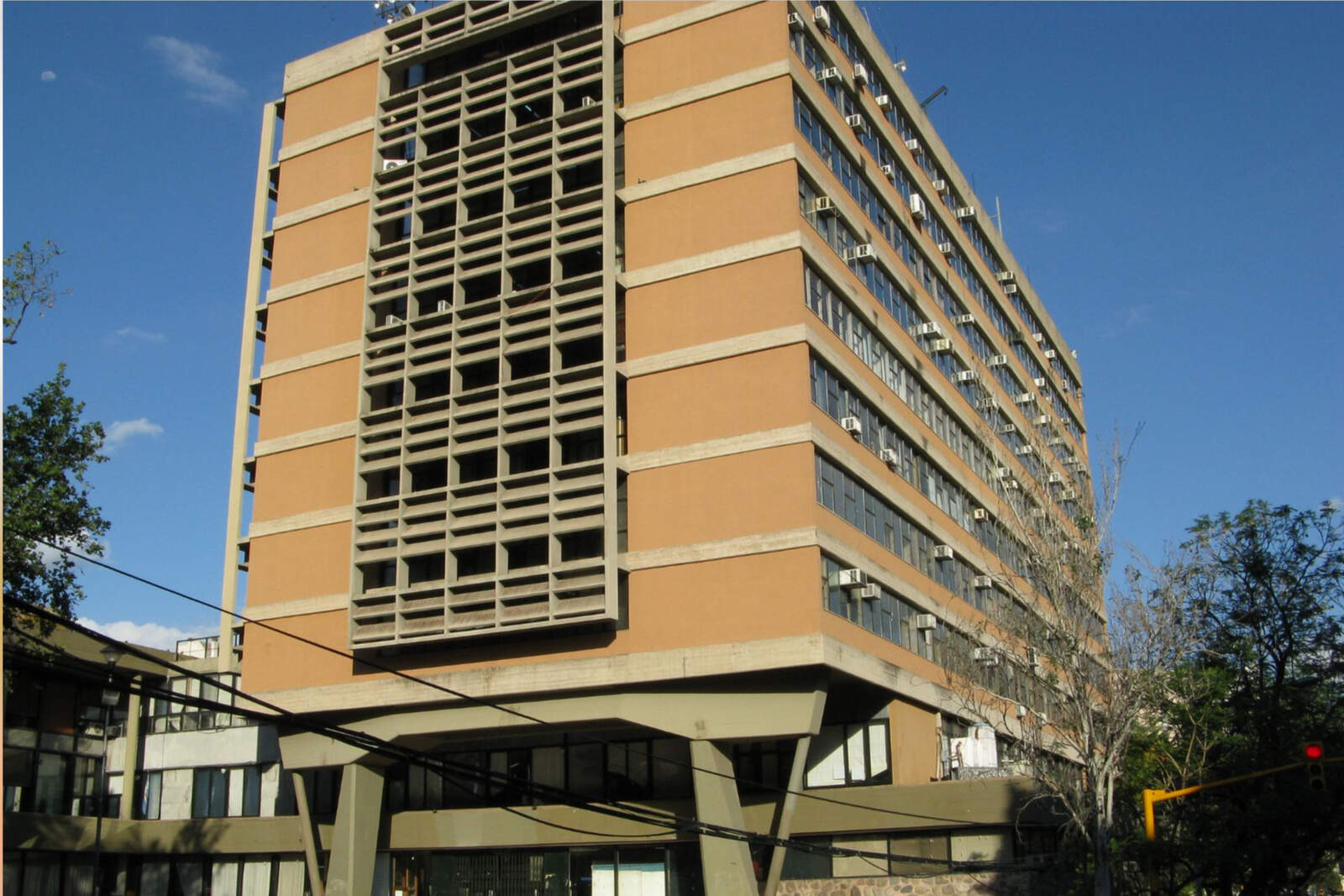
Córdoba capital was one of those that resisted this provision.The Municipality obtained a ruling that allowed it to keep the sanitary infrastructure contribution within the water bill.In practice, this means that users continue to finance political spending through an essential service.
The practice is challenged by consumer protection organizations, which argue that water has become a "liquid tax." The charges are presented under technical names that make it difficult to identify which part of the bill corresponds to actual consumption.El Municipio retiene 16 pesos por una contribución “para infraestructura sanitaria”
Public hearing and new rate adjustment
The Public Services Regulatory Agency (Ersep) called a public hearing to address the 8.3% increase request submitted by Aguas Cordobesas.If approved, the adjustment will be added to the increases in January and June, which had already raised the service by a total of 21%.
The company, controlled by Grupo Roggio, argues that the increase is due to higher operating and maintenance costs. But the underlying discussion concerns the tax structure that inflates rates before reaching the resident's pocket.The State collects more for administering than for guaranteeing potable water.
With each adjustment, the bill becomes a compendium of taxes, fees, and contributions that have little to do with the service provided.Instead of improving efficiency or reviewing spending, local authorities keep intact a model where citizens pay a lot and receive little.
El Ente Regulador de Servicios Públicos (Ersep) convocó a una audiencia pública para tratar el pedido de aumento del 8,3% presentado por Aguas Cordobesas.
The State's weight in every basic service
The case of water reflects a broader trend: the use of public services as a tool for permanent revenue collection. More than 55% of what an Aguas Cordobesas user pays goes to taxes and political charges, not to the service.
That structure contradicts the principle of fiscal transparency promoted by the national government. Meanwhile, while Milei seeks to dismantle the privileges of public spending, local governments sustain their coffers through hidden mechanisms.Water, which should be an essential good, has become another mandatory tax.
For Córdoba households, the result is an increasingly expensive and less transparent service.The State, far from easing the burden on citizens, deepens it with every bill. In Córdoba, turning on the tap also means financing political power.La Municipalidad obtuvo un fallo que le permitió conservar la contribución por infraestructura sanitaria dentro de la boleta de agua.