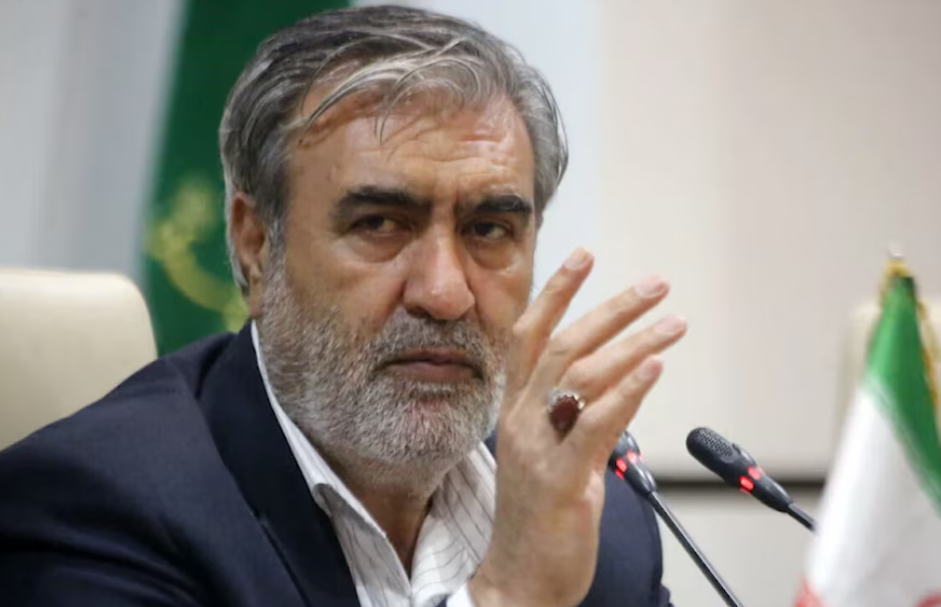
The Iranian regime officially announced the creation of a new authority aimed at managing the Strait of Hormuz, the strategic maritime route through which nearly 20% of the oil and liquefied natural gas consumed worldwide circulates.
The measure deepens Iranian control over the maritime corridor and reinforces the geopolitical pressure that Tehran has been exerting since the beginning of the war with the United States and Israel on February 28.
Iran formalizes control over Hormuz
The announcement was made by the Iranian Supreme National Security Council, which officially presented the new Persian Gulf Strait Authority (PGSA).
Through social media, the agency reported that it will provide:
“real-time updates”
operational monitoring of the strait
regulation of maritime traffic
management of passage authorizations
Additionally, Iranian state media indicated that ships have already begun receiving instructions and official regulations issued by the new agency.
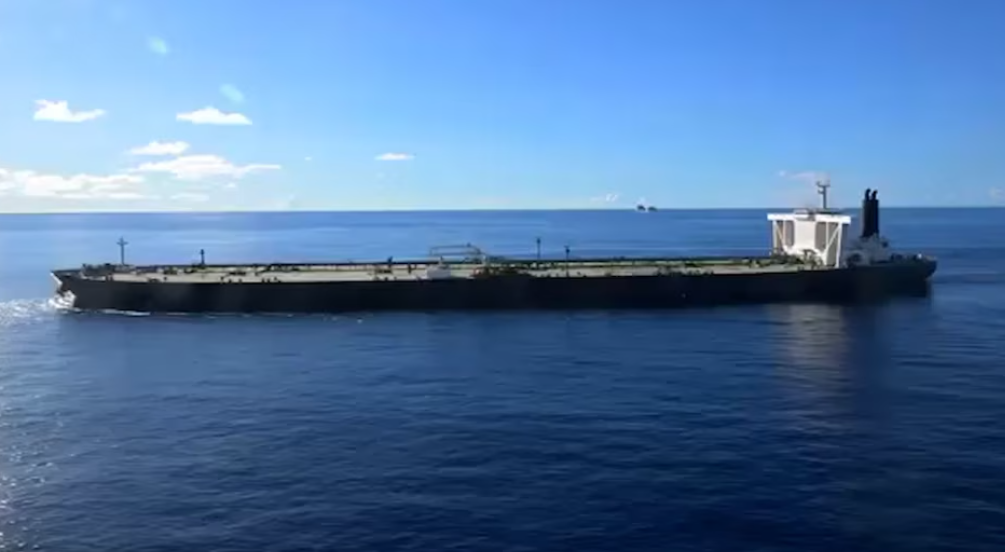
The Iranian regime seeks to charge tolls to ships
According to state television Press TV, the new authority represents a mechanism to exercise “sovereignty” over the Strait of Hormuz.
The central objective would be:
to control maritime traffic
to impose new navigation conditions
to charge fees and tolls
to manage special passage authorizations
The head of the Iranian Parliament's National Security Commission, Ebrahim Azizi, also confirmed that Iran has developed a “professional mechanism to manage traffic” in the area.
“Only commercial ships and parties that cooperate with Iran will benefit,” he stated.
He also warned that fees will be charged for the “specialized services” provided by Tehran.
Hormuz remains partially blocked
Although a ceasefire has formally existed since April 8, the Iranian regime maintains restrictions on maritime traffic in the strait.
The situation has strongly disrupted:
global energy markets