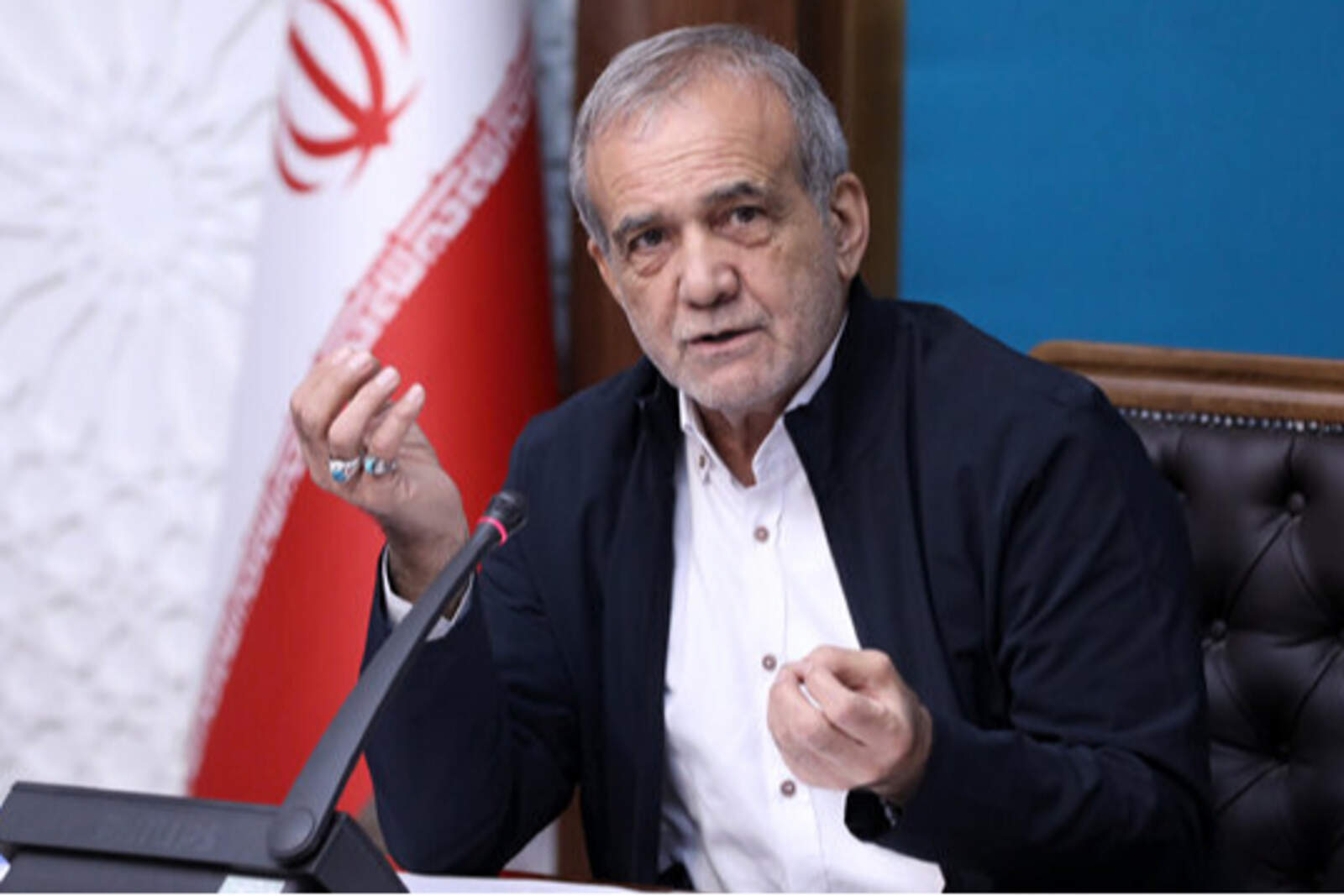
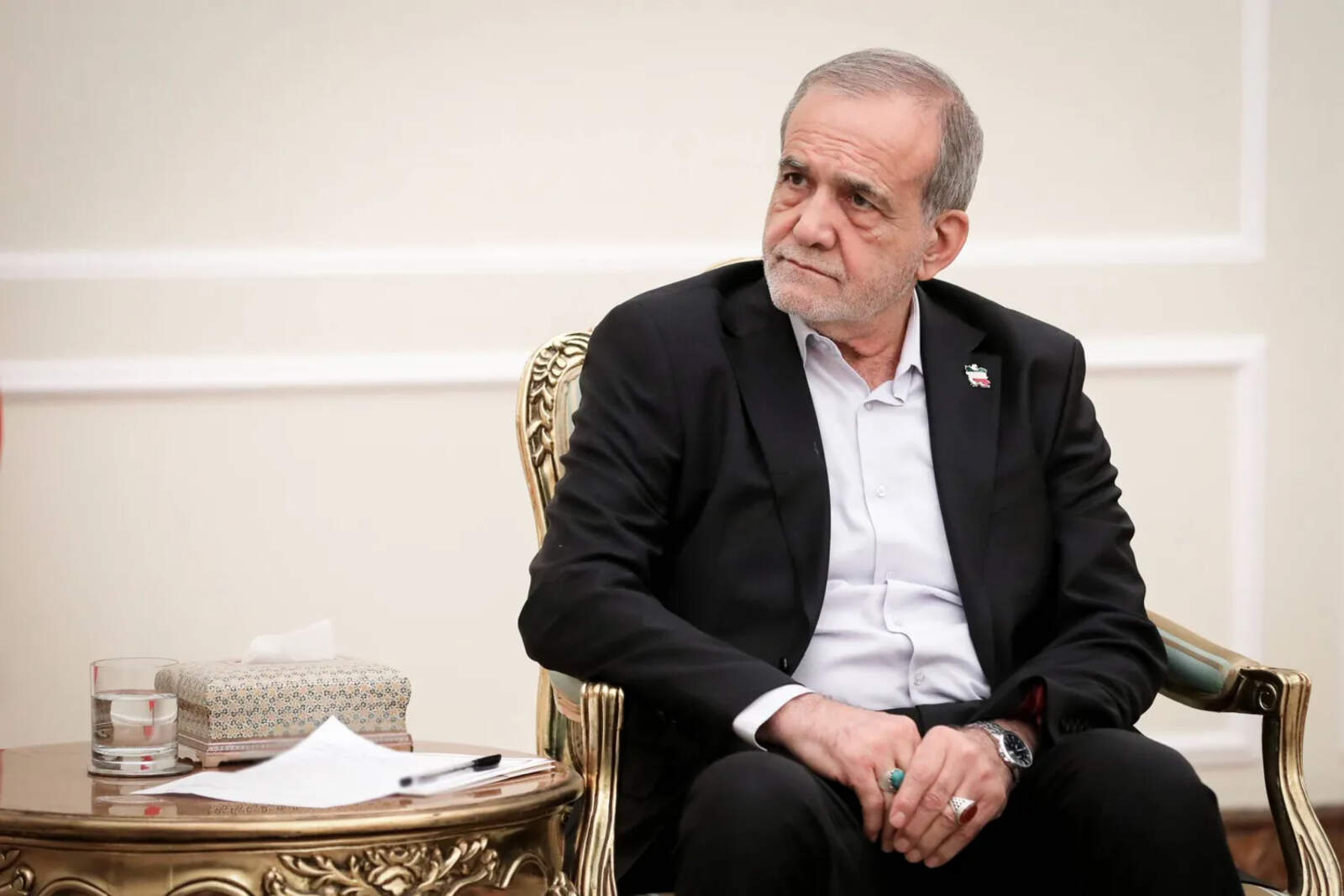
Iranian President Masoud Pezeshkian announced the end of the exchange rate known as the 'Jahangiri Dollar,' which is used for the import of basic products
The president of the Islamic Republic of Iran, Masoud Pezeshkian, officially announced the end of the subsidized exchange rate used for the import of basic goods, known as the "Jahangiri dollar", a measure that marks a significant shift in the country's economic policy and could have a strong impact on prices and on the population's standard of living.
During a meeting with political and social activists in the province of Chaharmahal and Bakhtiari, Pezeshkian stated that his government will stop allocating the preferential exchange rate of 28,500 tomans per dollar (280,000 rials), one of several special exchange rate regimes in force in Iran.
From now on, importers will have to acquire foreign currency at the free market exchange rate, which currently stands at around 1,350,000 rials per dollar.
The head of state justified the decision by pointing out that the system of multiple exchange rates has encouraged corruption and rent-seeking, benefiting intermediaries and privileged actors instead of protecting consumers.
Pezeshkian anunció el cese del ofrecimiento del ''dólar Jahangiri'' para productos básicos y anunció que se deberá acceder al TC del mercado libre
"Anyone who received the 28,500-toman dollar pocketed it, so we are no longer going to provide it," Pezeshkian declared, in a direct criticism of importers who, according to the government, falsified documents and resold the foreign currency on the parallel market.
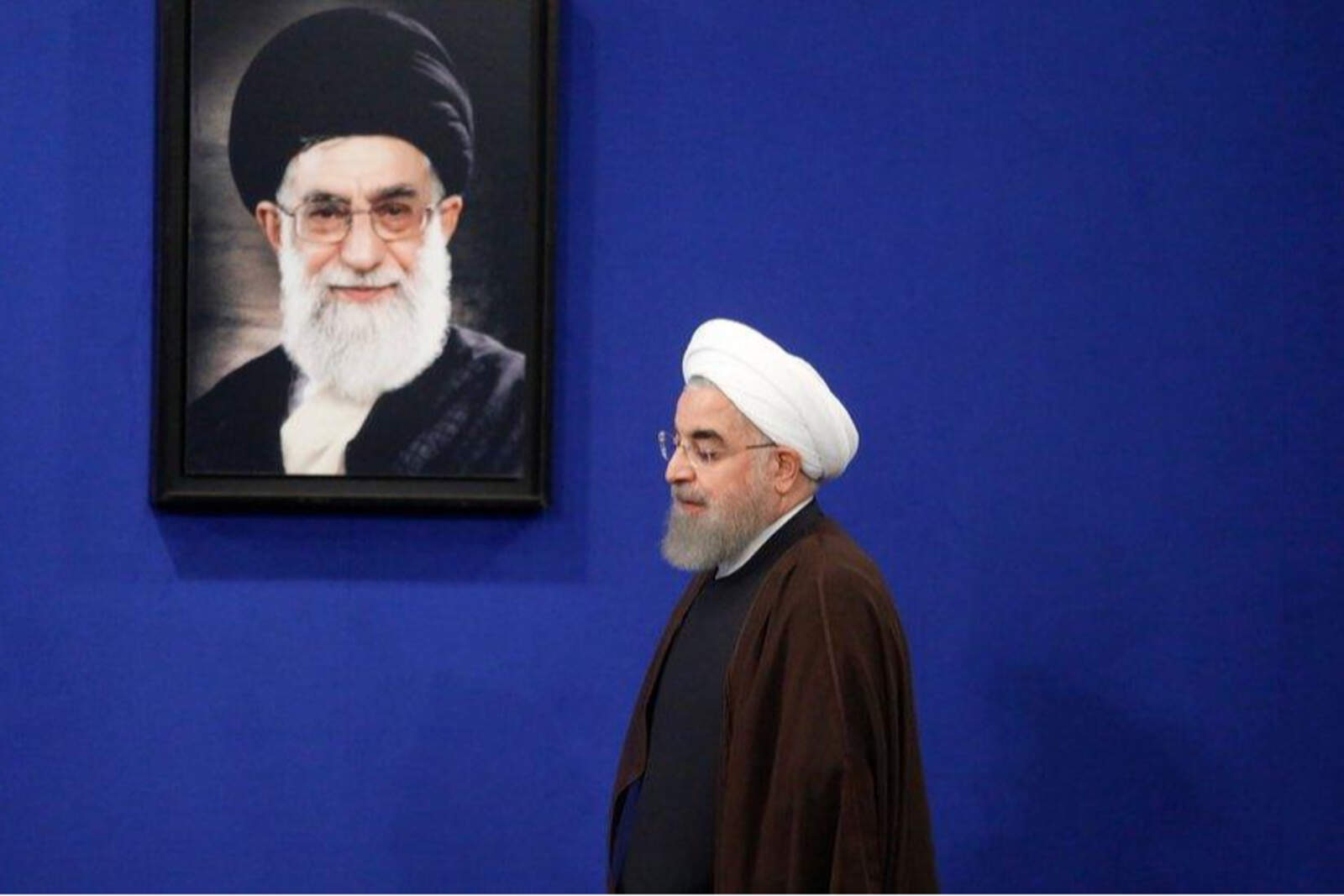
The "Jahangiri dollar" was introduced in 2018 during the government of former president Hassan Rouhani, in a context of growing economic pressure following the tightening of United States sanctions.
The initial objective was to stabilize the prices of basic goods and ensure their availability for the population. However, economists and lawmakers have warned for years that the gap between the official and market exchange rates created incentives for arbitrage and deepened inequality.
El ''dólar Jahangiri'' fue impuesto por el ex mandatario iraní Hassan Rouhani
Pezeshkian asserted that the state has spent around 18 billion dollars on exchange rate subsidies, a considerable sum for an economy affected by high inflation, currency depreciation, and external constraints.
According to the president, those resources could have been used more efficiently to directly improve the population's living conditions. "With this money we could have planned so that everyone's table would be the same," he stated.
Despite the announcement, the government insists that subsidies will not be eliminated, but redirected. Pezeshkian maintained that state aid will be transferred to the final consumer instead of benefiting producers or intermediaries, and that sectors such as livestock feed will receive support at the final stage of the production chain. Nevertheless, the authorities have not detailed how these new compensation mechanisms will be implemented.
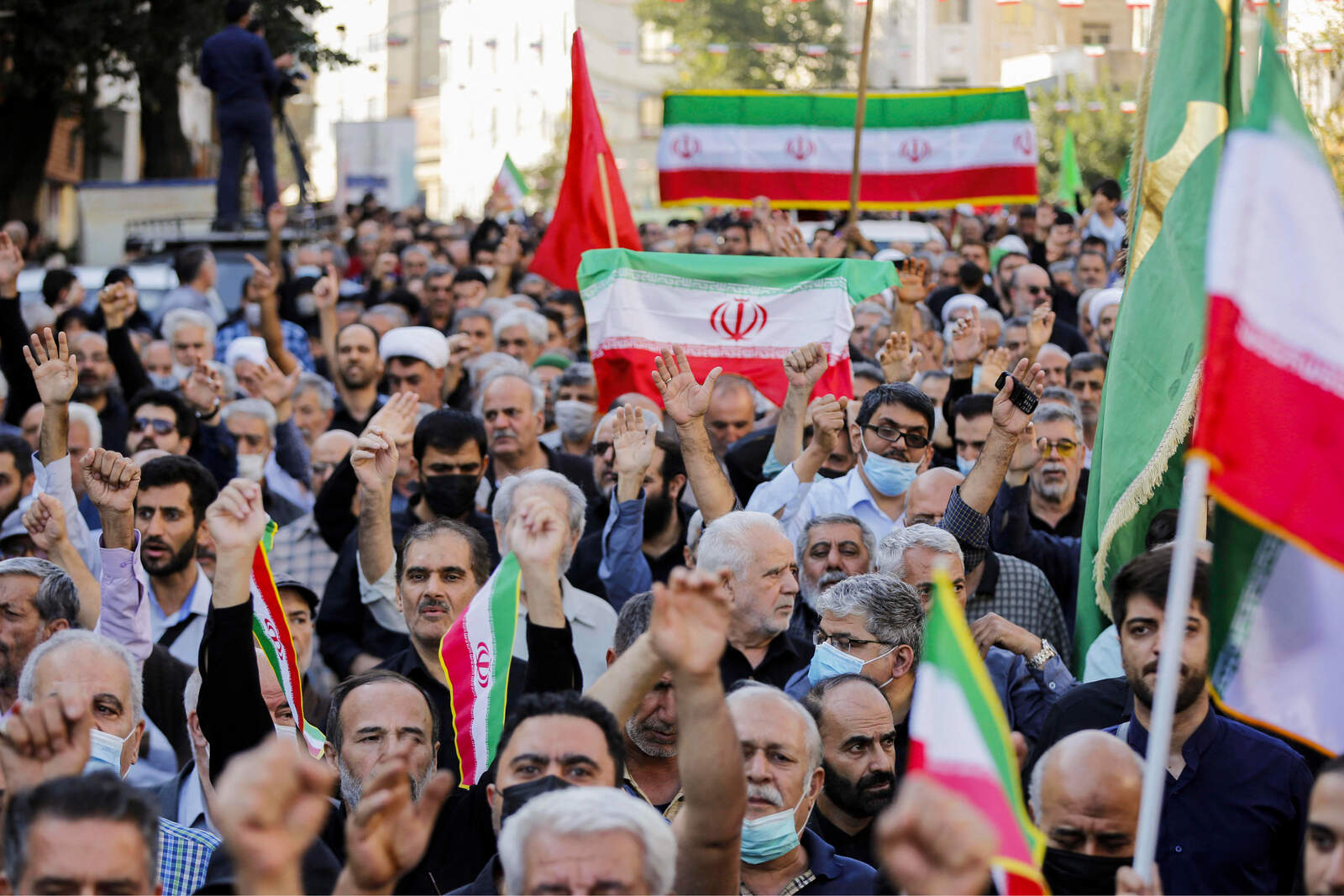
Fuertes protestas se llevaron a cabo en Teherán por la situación económica en el país
The announcement comes amid growing questions about the management of the country's foreign currency. At the end of last month, Hossein Samsami, a member of the parliament's economic committee, stated that more than 116 billion dollars in non-oil export revenues have not been repatriated since 2018, citing official data.
Analysts warn that the elimination of the subsidized exchange rate could trigger a new wave of price increases in basic goods, putting even more pressure on Iranian households.