Tehran issued harsh warnings against Donald Trump while it faces massive protests, thousands of deaths, and growing military and diplomatic pressure from the United States
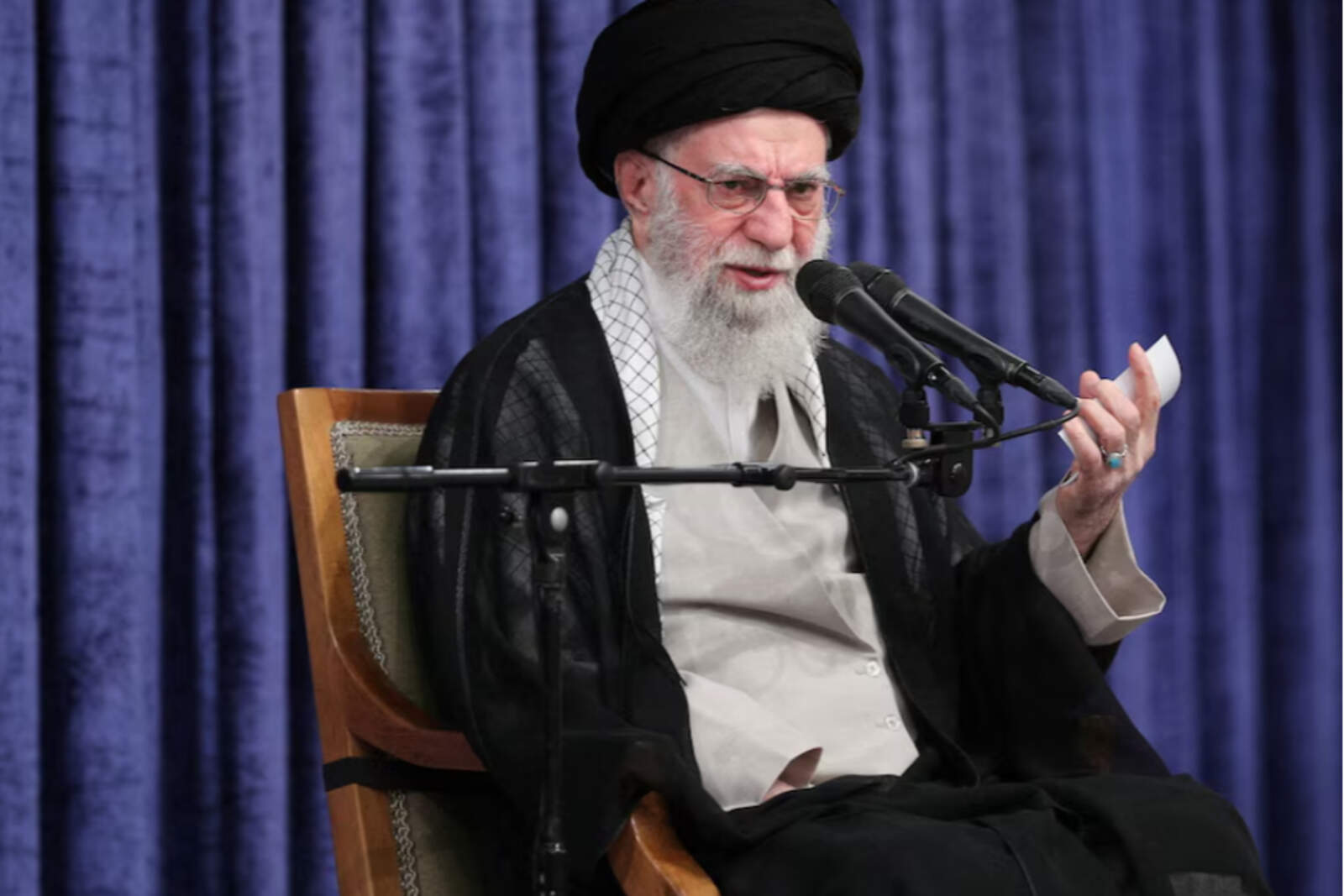
Iran's regime issued an explicit threat against United States President Donald Trump by warning that it will take retaliatory action if there is any move against the supreme leader, Ayatollah Ali Khamenei. The message came in a context of maximum bilateral tension, marked by unprecedented domestic protests and the deployment of United States naval forces in a strategic area.
"Trump knows that if any hand of aggression is extended toward our leader, we will not only cut off that hand, but we will also set his world on fire", stated General Abolfazl Shekarchi, spokesperson for the Iranian armed forces, in a declaration that reflects the regime's belligerent tone.
Trump questioned the Iranian leadership and called for political change
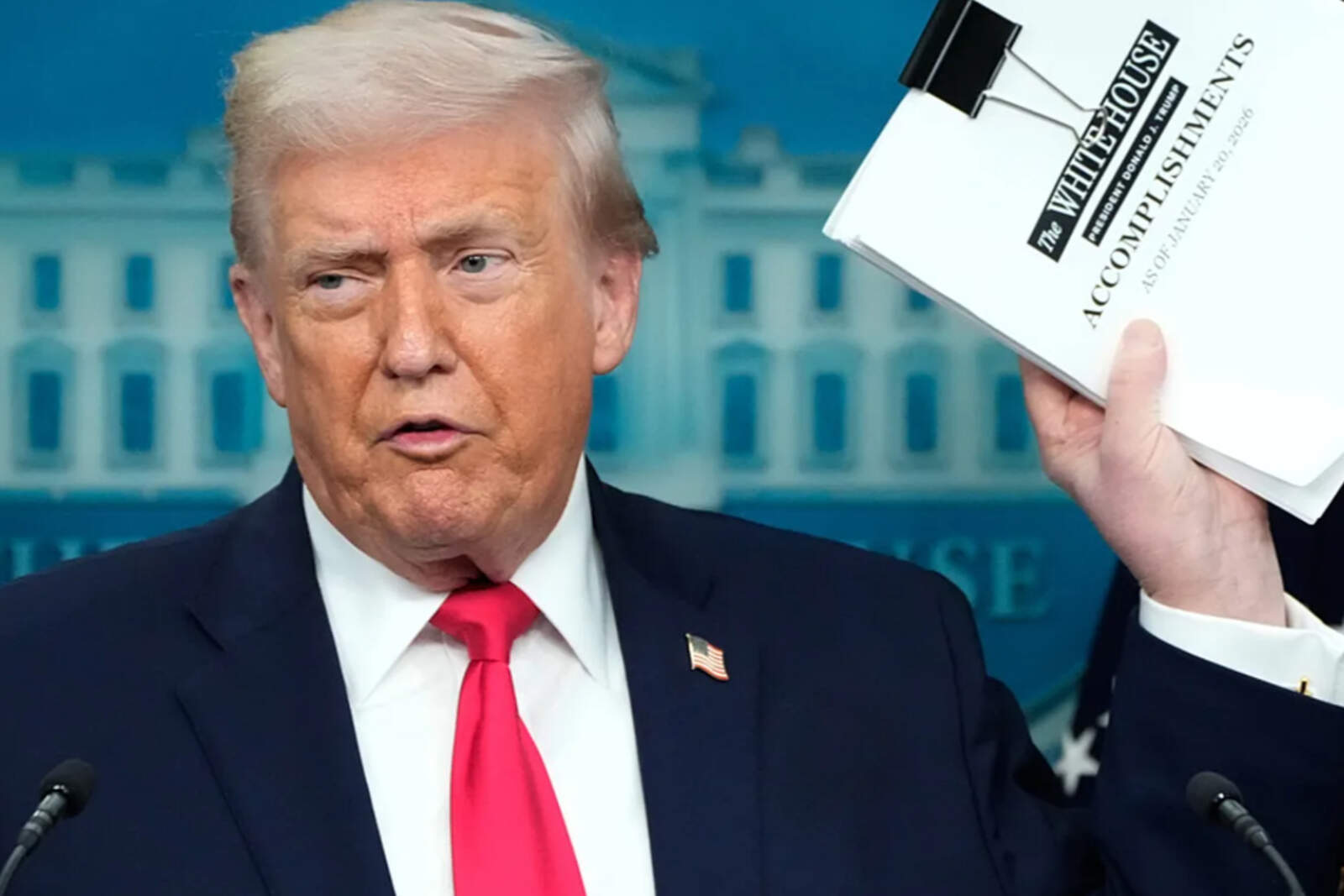
Tehran's warnings came after Trump openly questioned Khamenei in an interview with Politico. There, the United States president described the Iranian leader as "a sick man who should govern his country properly and stop killing people" and maintained that "it is time to seek new leadership in Iran".
Trump's statements align with his historical stance of condemning the authoritarianism of the Islamic regime and his explicit support for the demands of the Iranian population in the face of state repression.
El régimen iraní advierte a Trump mientras enfrenta miles de muertos: 'Prenderemos fuego a su mundo'
Mass protests and unprecedented repression in Iran
The verbal escalation is occurring while the regime faces one of the worst internal crises since the 1979 revolution. The protests began on December 28, driven by economic deterioration, and were repressed with extreme violence.
According to the United States-based Human Rights Activists News Agency, at least 4,519 people died as a consequence of the repression. The organization indicated that the data were verified through a network of activists inside Iran, despite the severe information restrictions imposed by the government.
Trump drew two clear red lines for Tehran: the killing of peaceful demonstrators and the carrying out of mass executions after the protests.
Mass arrests and fear of executions
In addition to the thousands of dead, more than 26,300 people were arrested, according to the same source. The figures sparked international concern over the possibility that the regime will proceed with executions, a habitual practice in Iran, one of the countries with the highest application of the death penalty in the world.
Khamenei himself publicly acknowledged that the protests left "several thousand" dead and blamed the United States, in what was read as an attempt to divert attention from the internal repression.
El régimen iraní advierte a Trump mientras enfrenta miles de muertos: 'Prenderemos fuego a su mundo'
United States military presence as a deterrent message
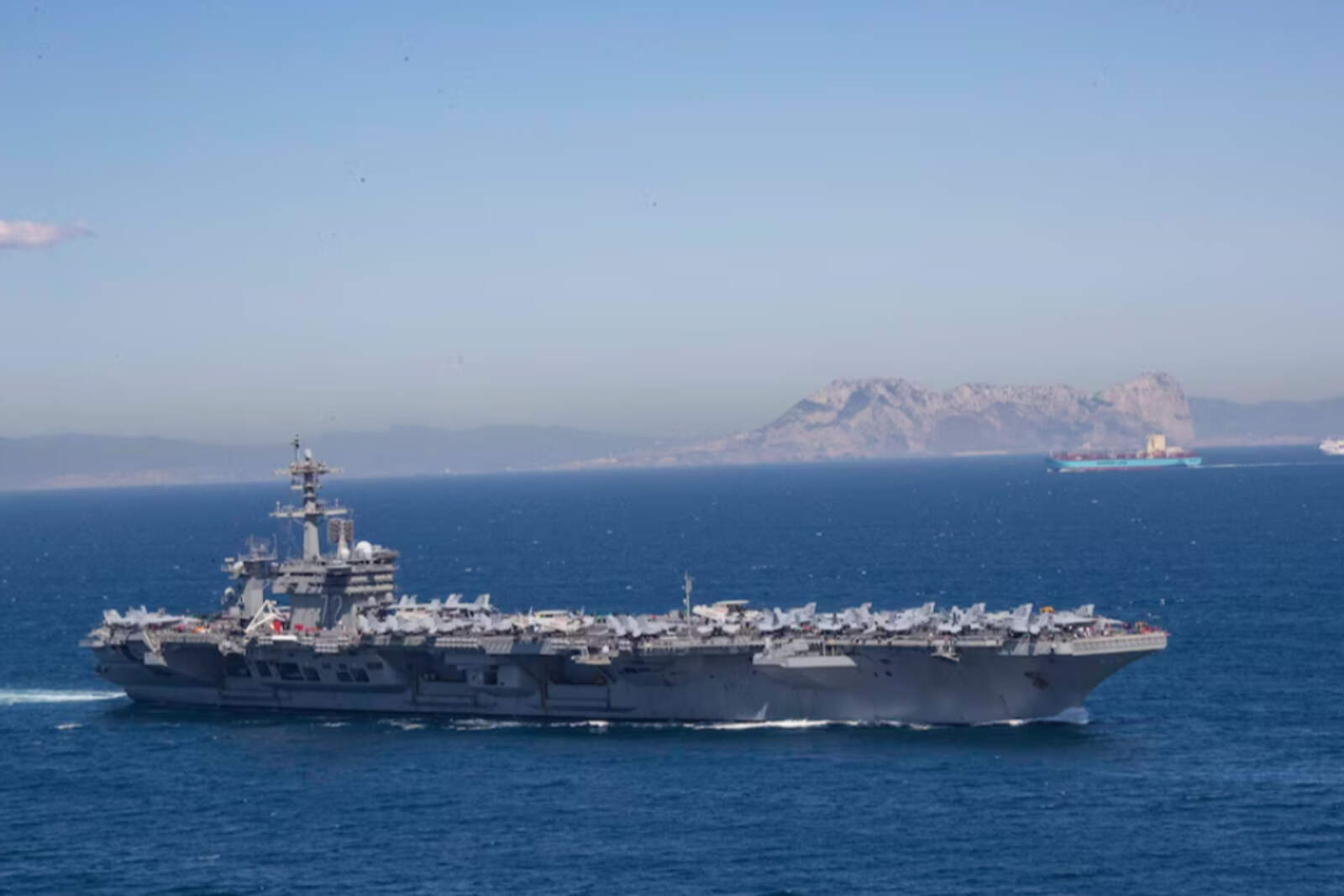
In parallel with the political and social crisis, the United States reinforced its naval presence in the region. The aircraft carrier USS Abraham Lincoln transited through the Strait of Malacca, a key maritime route that connects the South China Sea with the Indian Ocean.
The movement was interpreted as a deterrent signal in the face of the Iranian regime's threats and as support for the sustained pressure strategy that Trump keeps on Tehran.
A cornered regime and an open confrontation
The combination of mass protests, allegations of crimes against civilians, international isolation, and military pressure exposes a weakened Iranian regime that responds with threats while it tries to hold on to its power.
In that scenario, Trump once again positioned himself as one of the main critics of the Iranian leadership, reinforcing a strategy that seeks to curb the regime's abuses and push for political change in the face of one of the most repressive governments in the world.