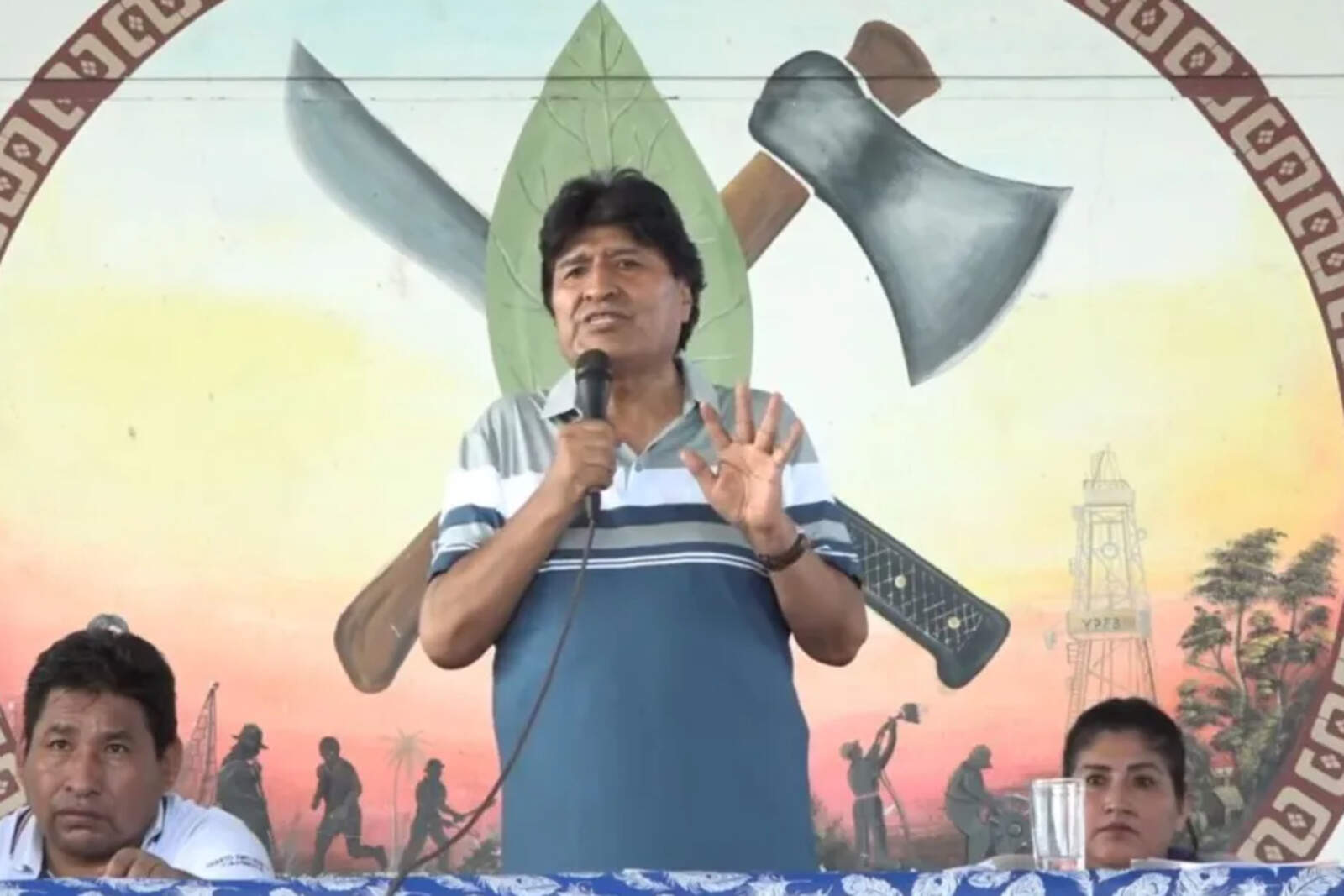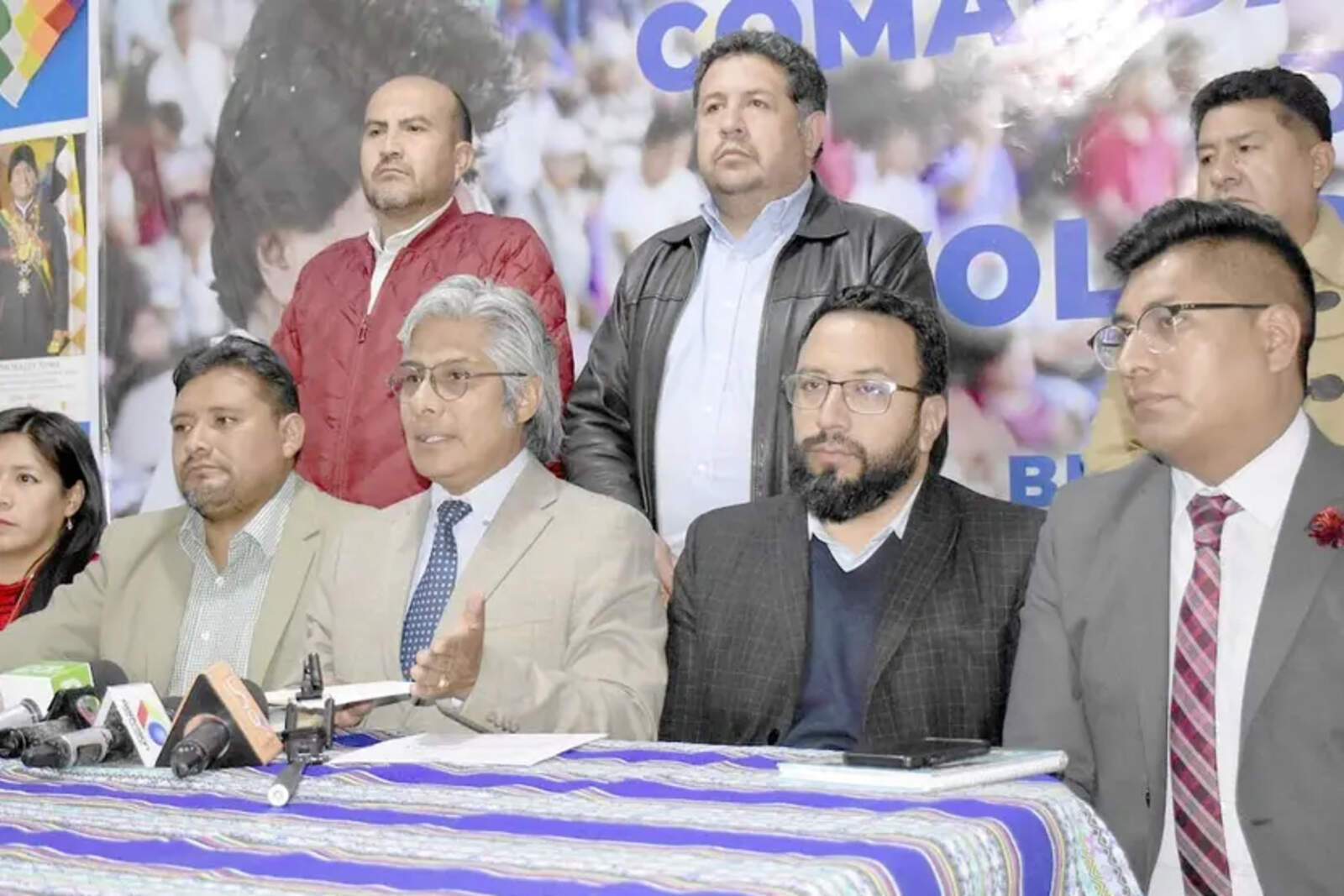

Morales, meanwhile, claims that he defeated the government judicially and politically. He attributes his victory to the truth and not to state power, he also denounced attempts to attack his life. He said he received information from police and military, warning that any attack will be the responsibility of the current government.
The Council of the Judiciary announced an investigation against Judge Moreno, she was the one who annulled the arrest warrant against Morales. The Supreme Court of Justice also expressed its rejection and criticized allowing those prosecuted for pedophilia to evade justice. The controversy puts the entire judicial system under pressure.
From social media, the population criticized Chávez's statements, indicating that with them the former state attorney justifies relationships with minors. The statements evidently seek to support Morales's actions and perpetuate impunity. They also called on the Public Ministry to open a process against him.
Bolivian regulations don't allow minors' consent in sexual relations. Even if the victim doesn't report, the State can act ex officio, because crimes against children don't require a private accusation. Lawyer Chávez omits this legal basis in his defense, specialists describe his statements as dangerous and erroneous.
The Morales case continues to generate political and social tensions, his legal defense mixes legal arguments with political denunciations. Meanwhile, the judicial process continues in Tarija. The public opinion watches how justice handles such a sensitive case.
Wilfredo Chávez's discourse is not only ethically reprehensible, but it also evidences a dangerous normalization of child abuse under the protection of political power. That a lawyer with institutional trajectory minimizes such serious crimes demonstrates the moral deterioration of the country's authorities. More alarming still is the passivity of the judicial system, which in the face of evidence and current orders, allows an accused to evade justice.