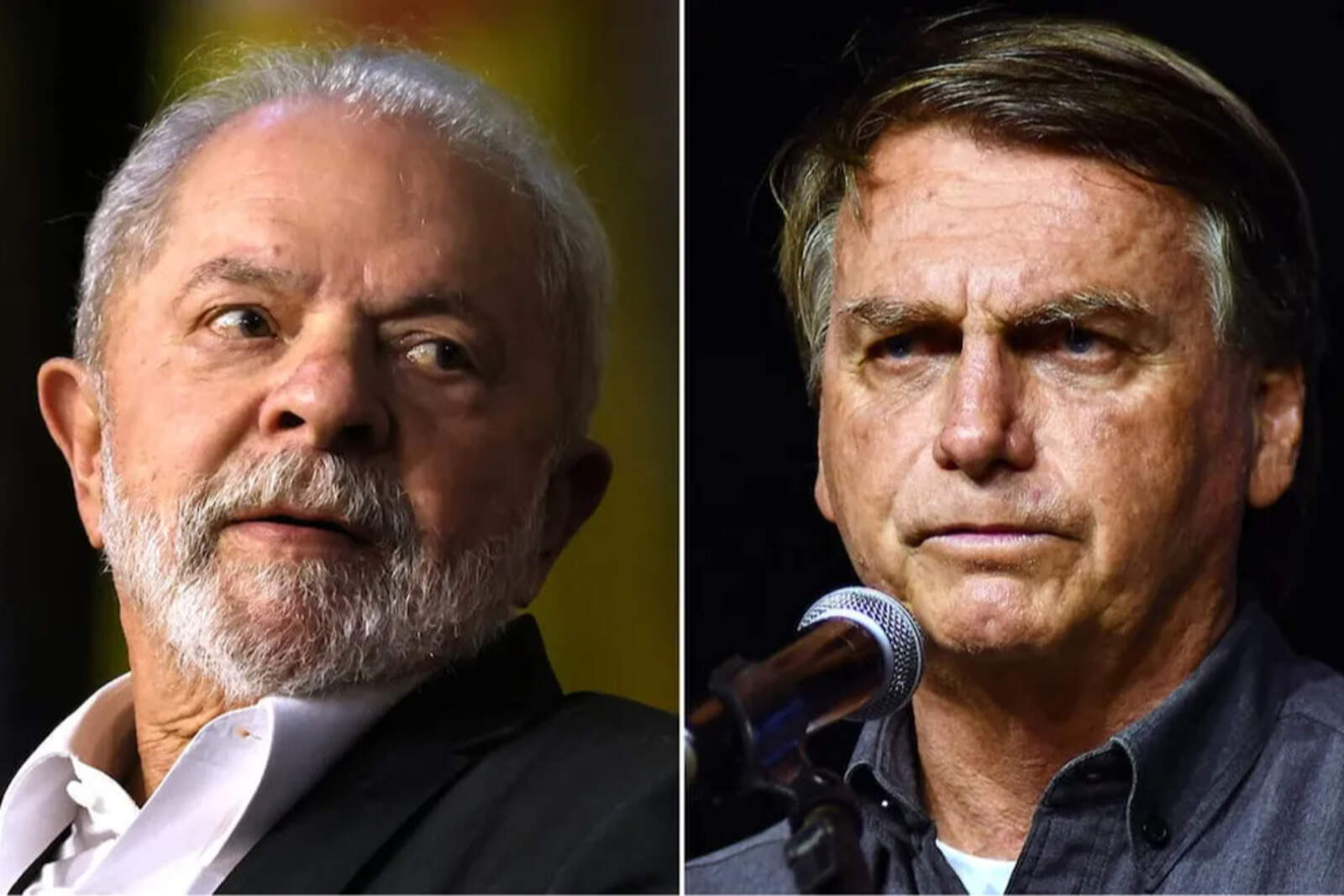
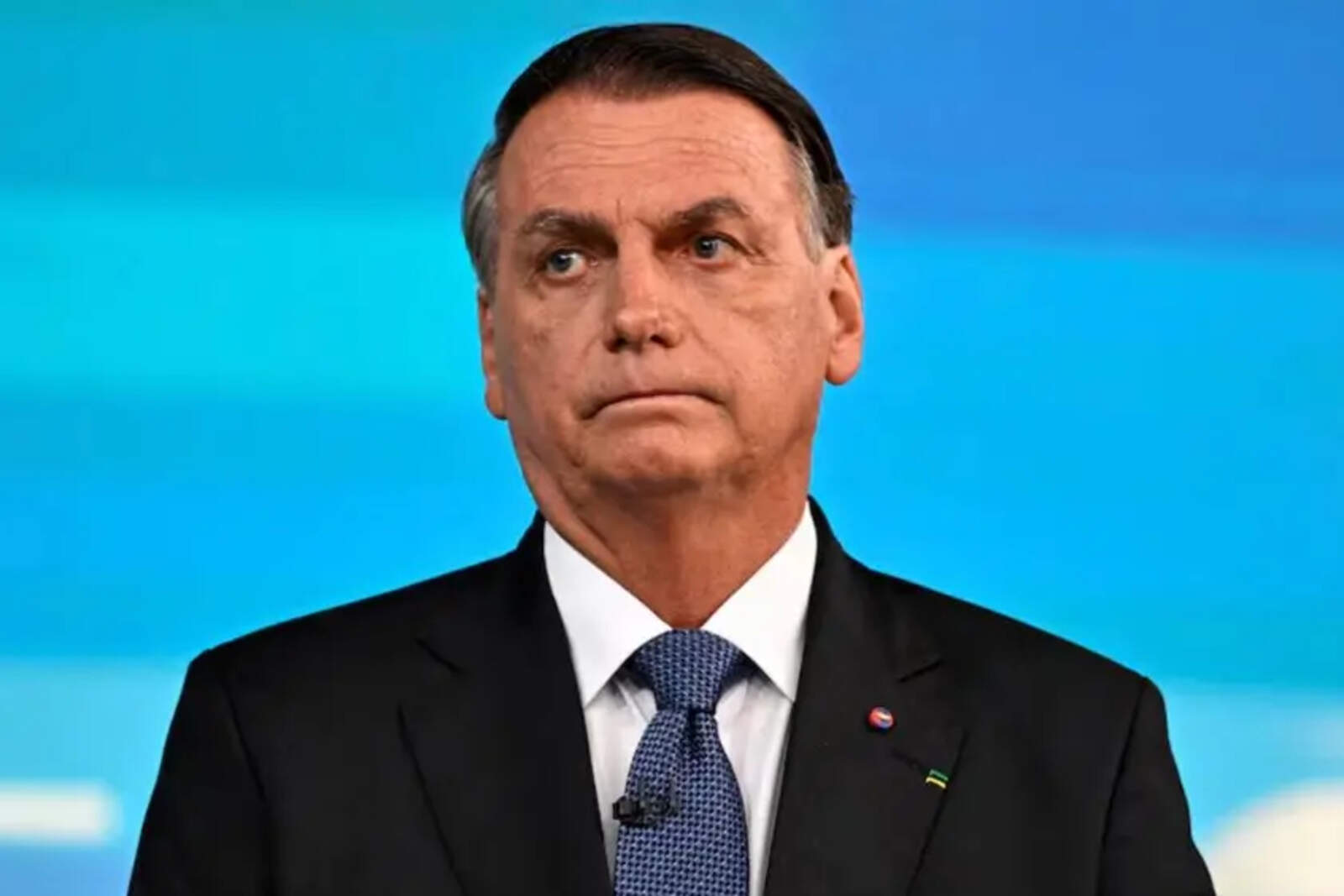
The former president's defense insists that the ruling is "unjust and political" and recalls that Bolsonaro is dealing with aftereffects from the attack he suffered in 2018 and a recent skin cancer diagnosis, conditions that—according to his lawyers—would make his entry into prison risky.
The Brazilian justice system is accelerating steps to imprison former president Jair Bolsonaro at a moment of maximum political tension. The Supreme Federal Court (STF) unanimously rejected the defense's appeals and confirmed the 27-year prison sentence for "attempted coup d'état" and "armed criminal organization". The measure could be executed next week, coinciding with COP30 led by dictator Lula da Silva in Belém.
The case's rapporteur, Alexandre de Moraes, dismissed the arguments regarding alleged omissions in the ruling and ordered the inspection of the Papuda prison, where the former president could be held. That same prison previously held Italian terrorist Cesare Battisti. According to judicial sources, the "Fox" block was prepared to house Bolsonaro under special surveillance.
Jair Bolsonaro, ex presidente del Brasil.
The case has an evident political background. The highest court, composed of former ministers and former lawyers of Lula, has become a central actor in Brazilian politics, aligned with the regime of the Brazilian dictator. The judicial offensive against the former president is taking place while Lula himself faces international scrutiny for his rapprochement with Nicolás Maduro's regime and for the lack of concrete results from the climate summit.
Analysts maintain that Lula's government would use COP30 as a smokescreen to carry out the former president's imprisonment without the issue monopolizing media attention. With the world's focus on Belém and the climate agenda, Bolsonaro's arrest would be relegated to a secondary news item, reducing the internal political impact of a measure that his supporters describe as persecution.
Meanwhile, the Liberal Party seeks to maintain cohesion in the face of the possibility that its leader could be imprisoned. Flavio and Michelle Bolsonaro are already emerging as possible figures to lead legislative lists in 2026, amid uncertainty within the opposition. Tarcisio de Freitas, governor of São Paulo and former ally of Bolsonarism, denounced a "cowardly and illegal persecution."
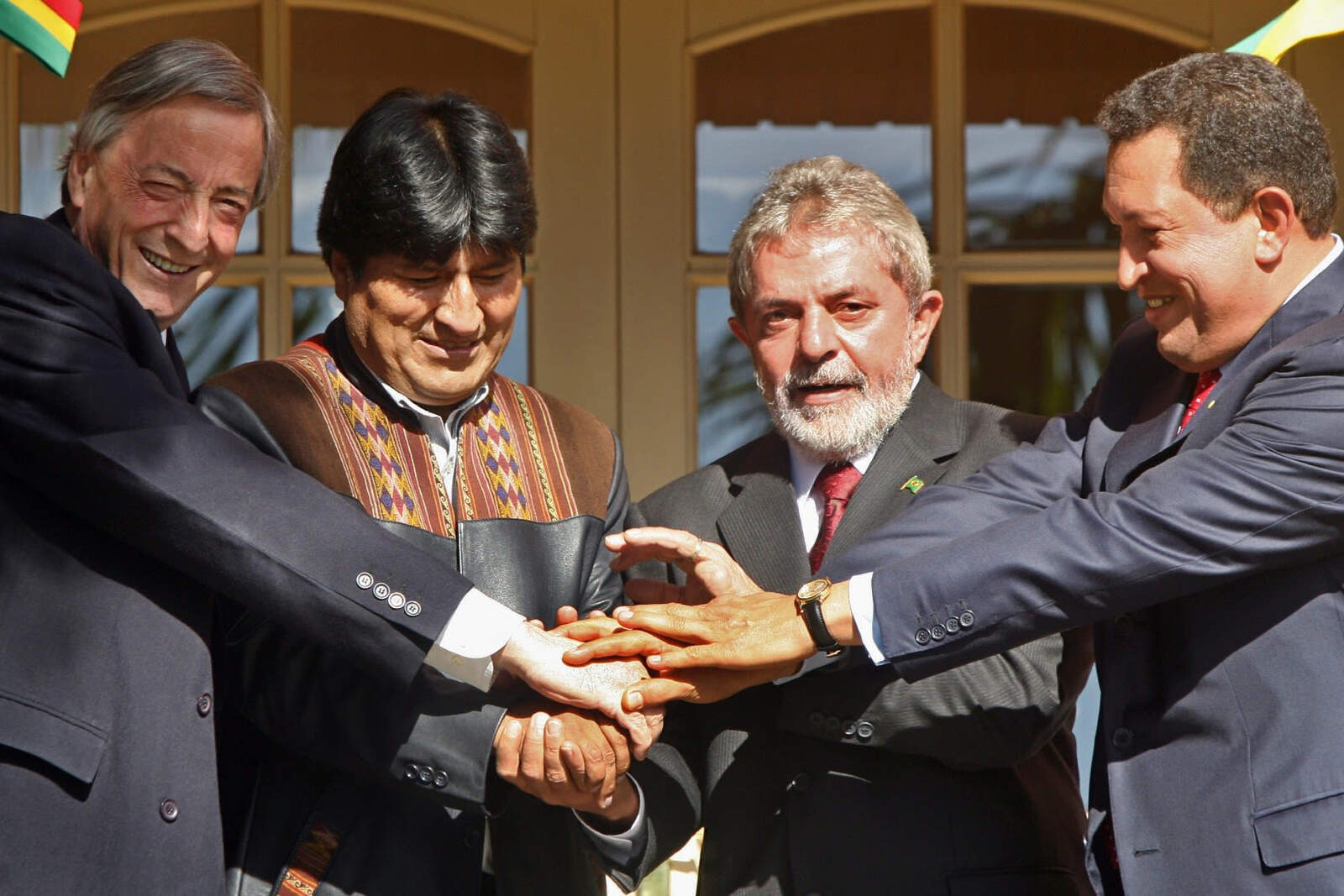
Lula, siempre cercano al progresismo.
In parallel, Lula is taking advantage of the international stage of COP30 to project himself as a regional progressive leader, despite mediocre economic results and growing insecurity. His foreign minister, Mauro Vieira, caused tension with Washington by declaring his "solidarity with Venezuela in the face of U.S. threats", breaking the fragile diplomatic balance that Brazil was attempting to rebuild.
The contrast is clear: while Bolsonaro faces a sentence that many consider a political punishment, Lula displays his power from international forums, shielded by a Supreme Court that no longer hides its partisan role. Brazil, far from consolidating its democracy, is once again torn between judicial persecution and propaganda.