In the bloc, there are still figures trying to sustain it. Amparo Ballivián declared that there are at least twenty committed fronts. Doria Medina also highlighted that they still have citizen support. But the real political weight of those supports is in doubt, many are actors with limited presence.
From the officialdom and Evoist sectors, the breakup was celebrated. Politicians like Nelson Virreira said that the right will never unite. They questioned the lack of proposals and organization, saying that they are only driven by the interest of power. And that they don't represent a true national project.
Tuto Quiroga didn't speak after the proclamation, but his silence was more eloquent than any word. His distancing shows that he doesn't endorse the new candidate and still keeps personal aspirations to continue with his candidacy. Some representatives of his alliance indicated that he will run separately.
The future of the bloc seems uncertain, although some insist that it is still alive, the fractures are deep and quite evident. As the electoral calendar advances, the false opposition succumbed to this war of egos.
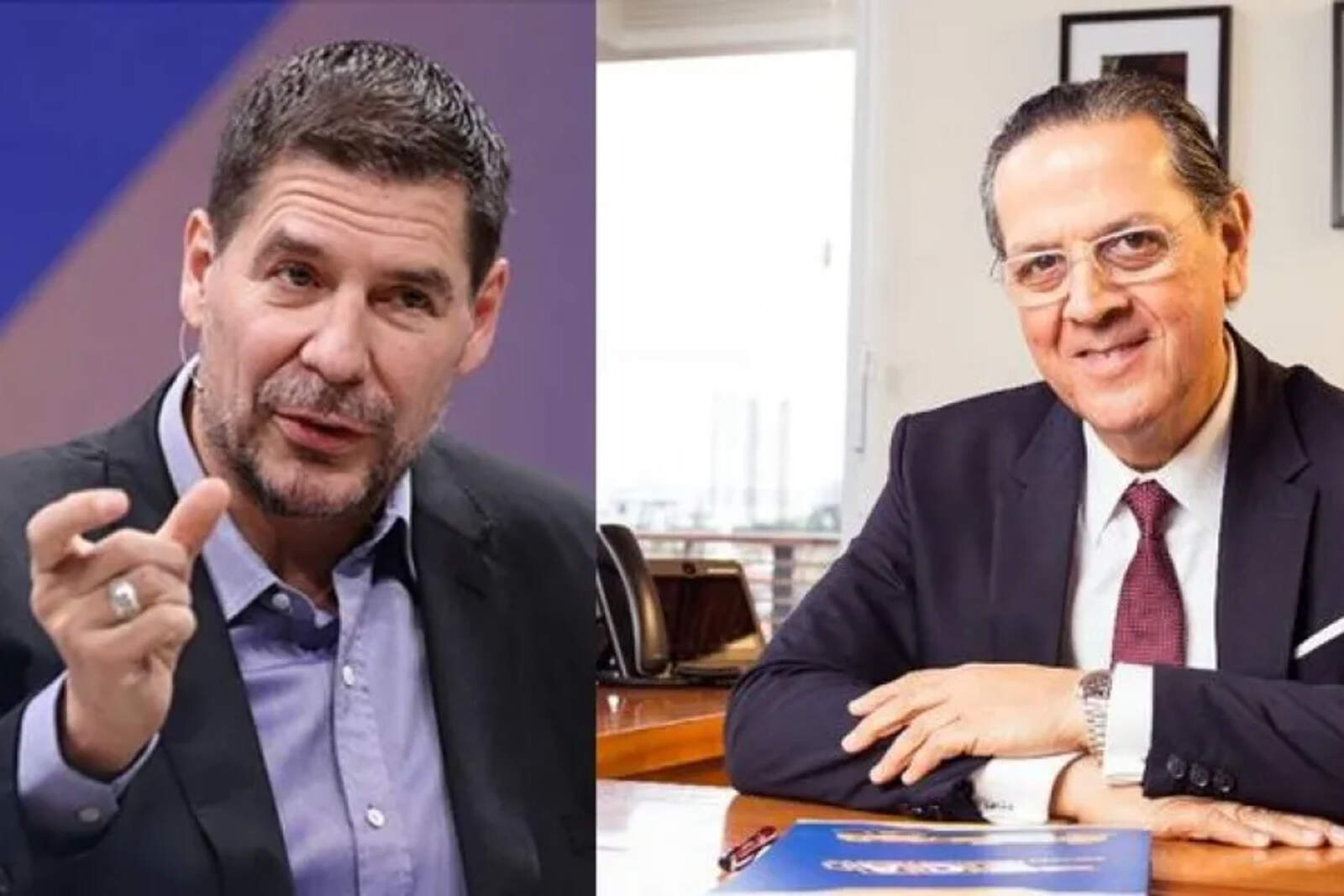
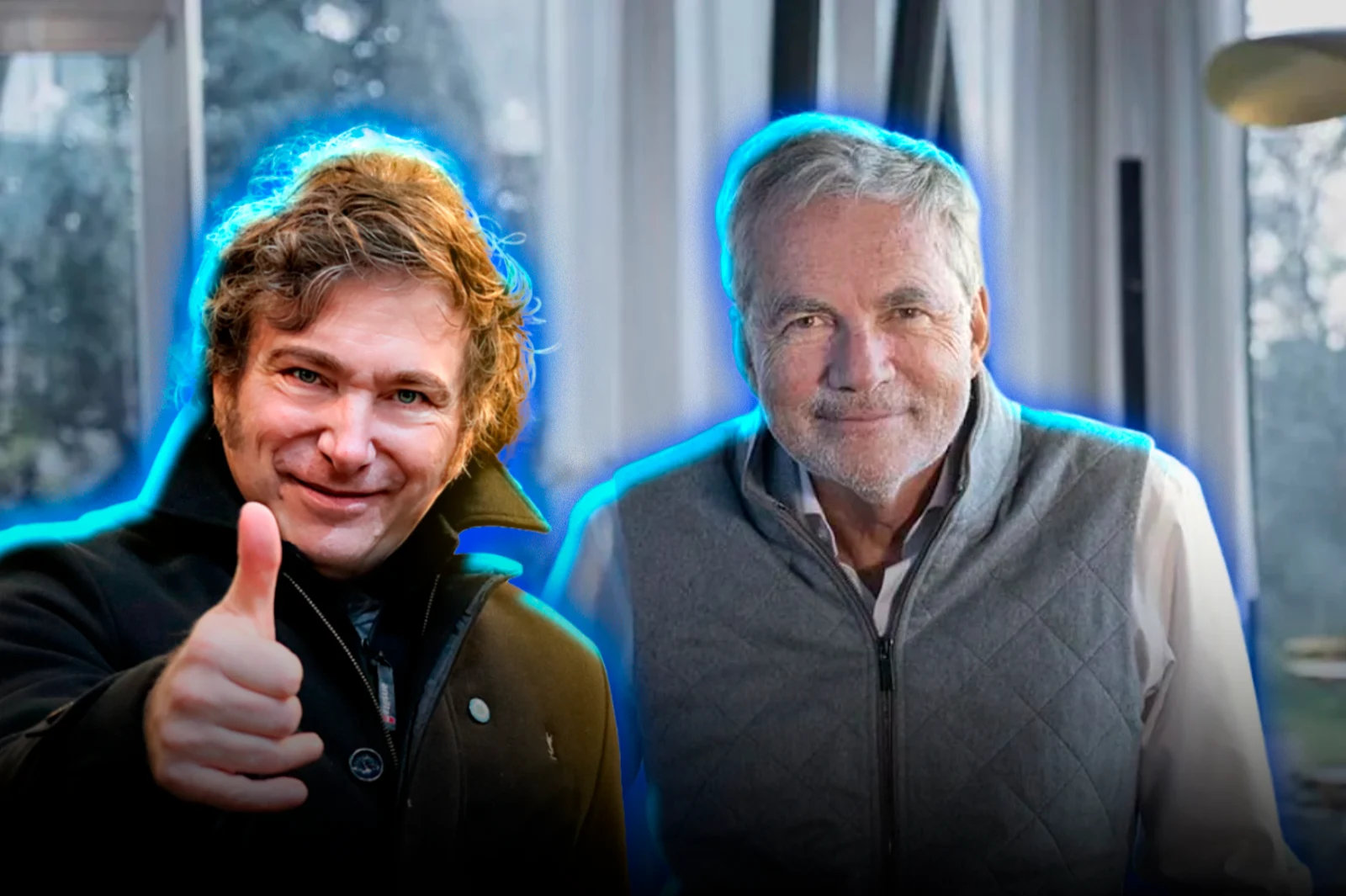
Doria Medina said he is ready for the contest and assures that he can defeat the officialdom. But he does so with a weakened bloc, without Mesa, Tuto, and with Camacho behind bars, the proclamation comes more as an end than a beginning.
The fall of the false unity bloc was caused by the weight of the selfish interests of its own members. Each aspirant preferred to secure a place on the ballot rather than give in for the common good. The obsession with personal protagonism ended up dynamiting any real possibility of an alliance.