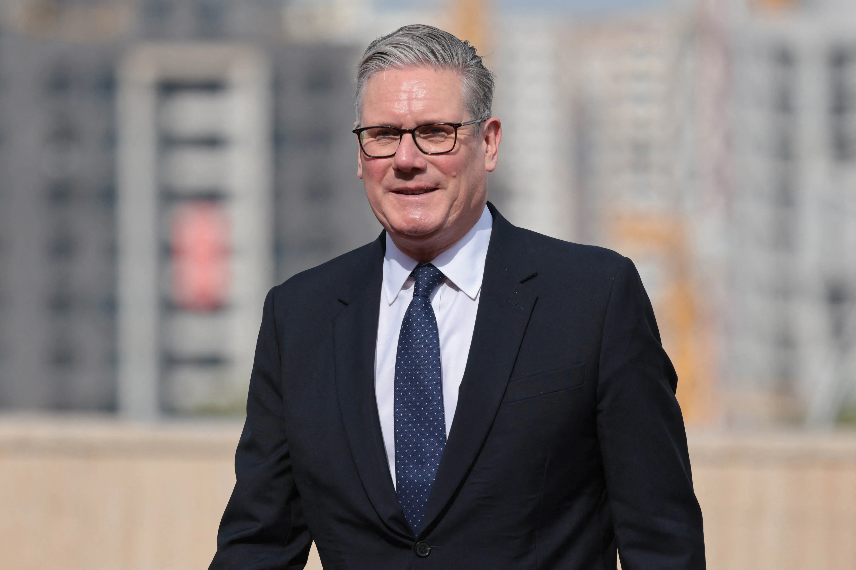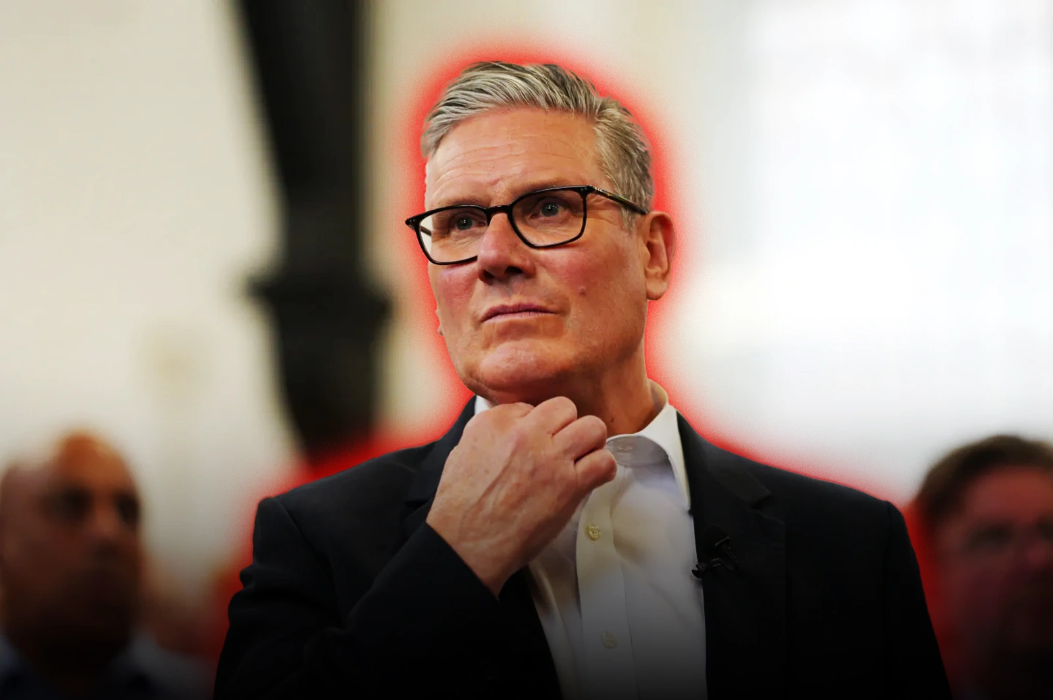











The political continuity of British Prime Minister, Keir Starmer, was seriously compromised this Monday after a day marked by internal rebellions, pressures from within the cabinet, and a growing number of Labour MPs demanding his resignation or a clear timeline for his replacement. The crisis, which deepened following recent electoral defeats suffered by the Labour Party, exposes one of the most delicate moments for Starmer since he came to power.
More than 70 Labour MPs publicly called for the Prime Minister to resign or announce an orderly leadership transition. This figure represents approximately 25% of the ruling party's MPs without ministerial positions and reflects the accelerated deterioration of Starmer's political authority within his own party.
The pressure does not only come from rebellious sectors of the Labour Party. According to various British political sources, several cabinet members have begun to seriously discuss the possibility of an organized succession to avoid a greater collapse of the government.
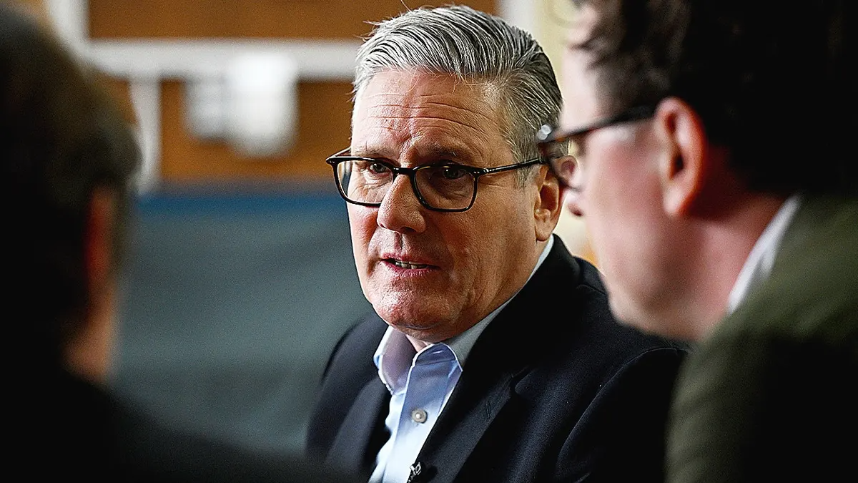
Those Who Called for Starmer's Resignation
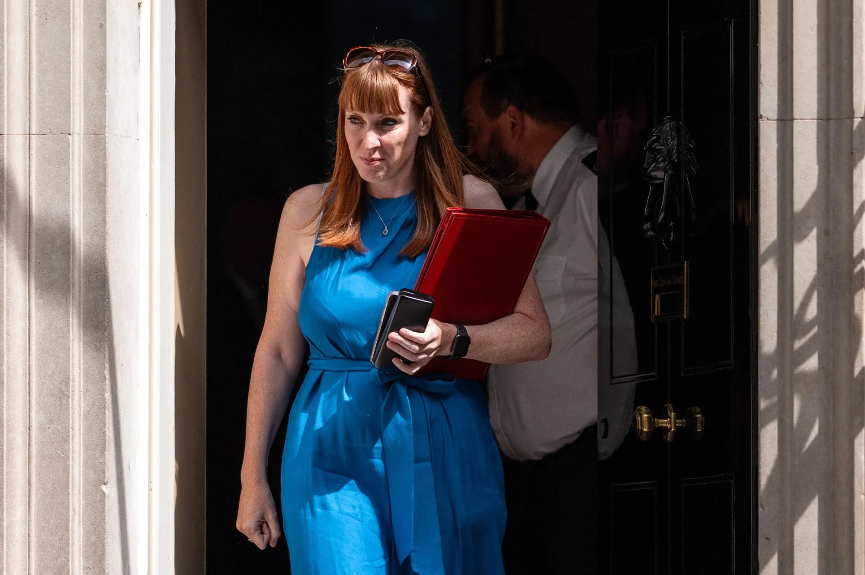
Among those who reportedly raised this need are the Home Secretary, Yvette Cooper, and the Justice Secretary, Shabana Mahmood, who have suggested to Starmer that he consider an orderly exit following the significant political deterioration of the government.
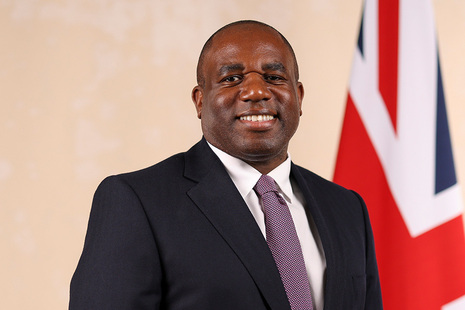
Other important ministers, such as David Lammy and John Healey, have also reportedly held internal discussions on how to manage a potential leadership change without provoking an even deeper institutional crisis. Meanwhile, some cabinet members remain loyal to the Prime Minister and believe that an internal battle could destroy the Labour Party's credibility just months after returning to power.
During a speech delivered on Monday, Starmer attempted to show firmness and rejected the growing calls for resignation. The Prime Minister stated that he will not step down and promised to prove that his critics are wrong. "I will not plunge the country into chaos," he declared, comparing the current situation to the internal struggles that plagued the Conservative Party for years.
However, his words did not manage to halt the wave of internal questioning. Throughout the day, Labour MPs and leaders continued to appear publicly demanding a change in leadership. Among them, Chris Curtis, co-chair of the ''Labour Growth Group'', stood out, a sector considered close to Starmer until recently. Curtis stated that the current Prime Minister no longer represents the change the country needs and called for an orderly transition to begin as soon as possible.
The internal crisis also highlighted deep divisions over who could succeed Starmer if he is ultimately forced to step down. One of the names that has begun to gain traction is that of the Mayor of Greater Manchester, Andy Burnham, considered by many MPs to be a figure with greater popular connection and political leadership.
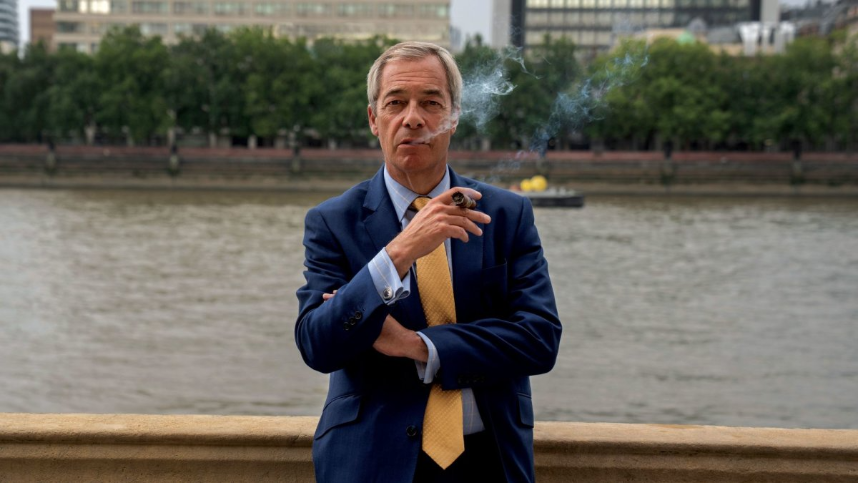
Burnham has been increasing his influence within the party in recent months, and several Labour sectors believe that he could represent a stronger alternative against the significant political advance of Nigel Farage and other right-wing currents that have managed to capitalize on social discontent in various regions of the UK.