The Labour government vetoed Ada Lluch, Joey Mannarino, and Eva Vlaardingerbroek ahead of a protest called by Tommy Robinson, amid accusations of political censorship.
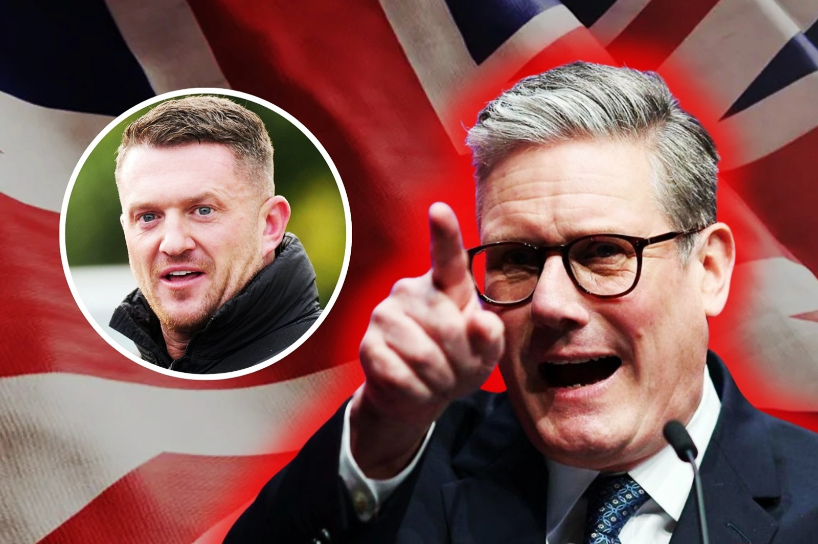
The Labour government of Keir Starmer banned the entry to the United Kingdom of several European and American conservative influencers and activists who planned to participate this weekend in an anti-immigration demonstration organized by Tommy Robinson in London. The measure has once again placed the British Prime Minister at the center of the debate on freedom of expression, political censorship, and mass immigration.
Among those banned are Spanish commentator Ada Lluch, American influencer Joey Mannarino, and Dutch activist Eva Vlaardingerbroek, all known for their strong criticisms of illegal immigration and multiculturalism in Europe. Also banned were other leaders and political figures from Europe linked to nationalist and anti-immigration movements.
The ban was driven by the British Home Office on the grounds that the presence of the activists "is not conducive to the public good." However, criticism quickly targeted Keir Starmer and his government, accused of using the state apparatus to silence opposing voices while continuing to defend increasingly questioned immigration policies within the United Kingdom.
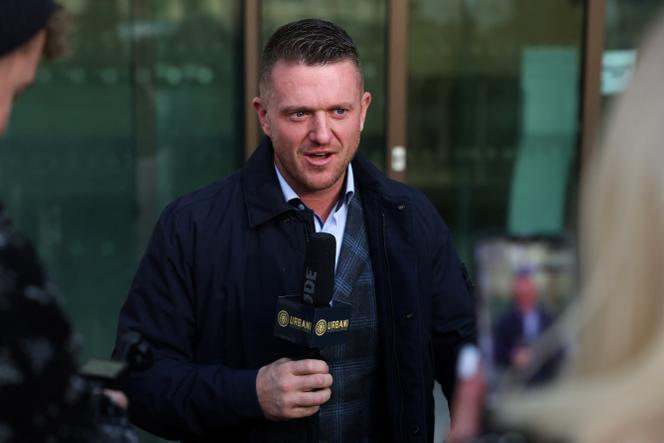
The political activist Tommy Robinson
The reaction from the banned influencers was immediate. Eva Vlaardingerbroek directly accused Starmer of persecuting dissenting opinions and argued that the British government is trying to protect the model of mass immigration imposed in recent years. Joey Mannarino stated that "freedom of expression is dead in the UK," while Ada Lluch denounced that the country "no longer even maintains the illusion of being a liberal democracy."
The demonstration had been organized by Tommy Robinson under the slogan "Unite the Kingdom" and a large turnout was expected, similar to last year's event, when tens of thousands of people participated in protests against illegal immigration, radical Islamism, and insecurity.
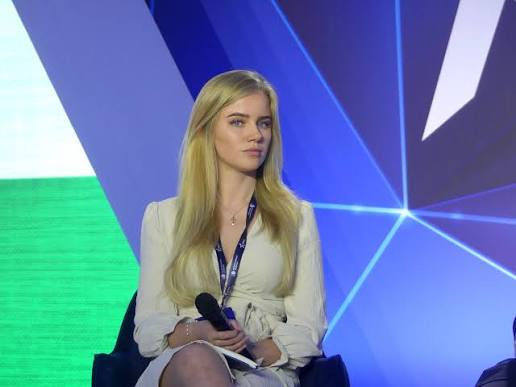
The Dutch activist Eva Vlaardingerbroek
The controversy also occurs at a particularly delicate moment for Starmer's government. The Labour Party is experiencing strong internal tensions, a decline in the polls, and increasing criticism over its handling of immigration and public safety, issues that have fueled the strong electoral growth of Reform UK and more hardline conservative sectors.
While the government maintains that the bans aim to prevent disturbances and extremist speech, conservative sectors argue that Starmer is moving towards an increasingly restrictive model regarding political freedom and public debate. For many critics, the decision to ban foreign figures for their opinions sets a worrying precedent regarding the use of state power to control political discourse within the United Kingdom.