The carbon part from the McLaren Senna never reached the students because of obstacles from the K era
Compartir:
The Kirchnerist Customs Office held an original McLaren Senna wing that had been donated for educational purposes for almost five years at the National Technological University – Tucumán Regional Faculty. The outcome was even worse: the part ended up destroyed in a compaction procedure at Ezeiza International Airport.
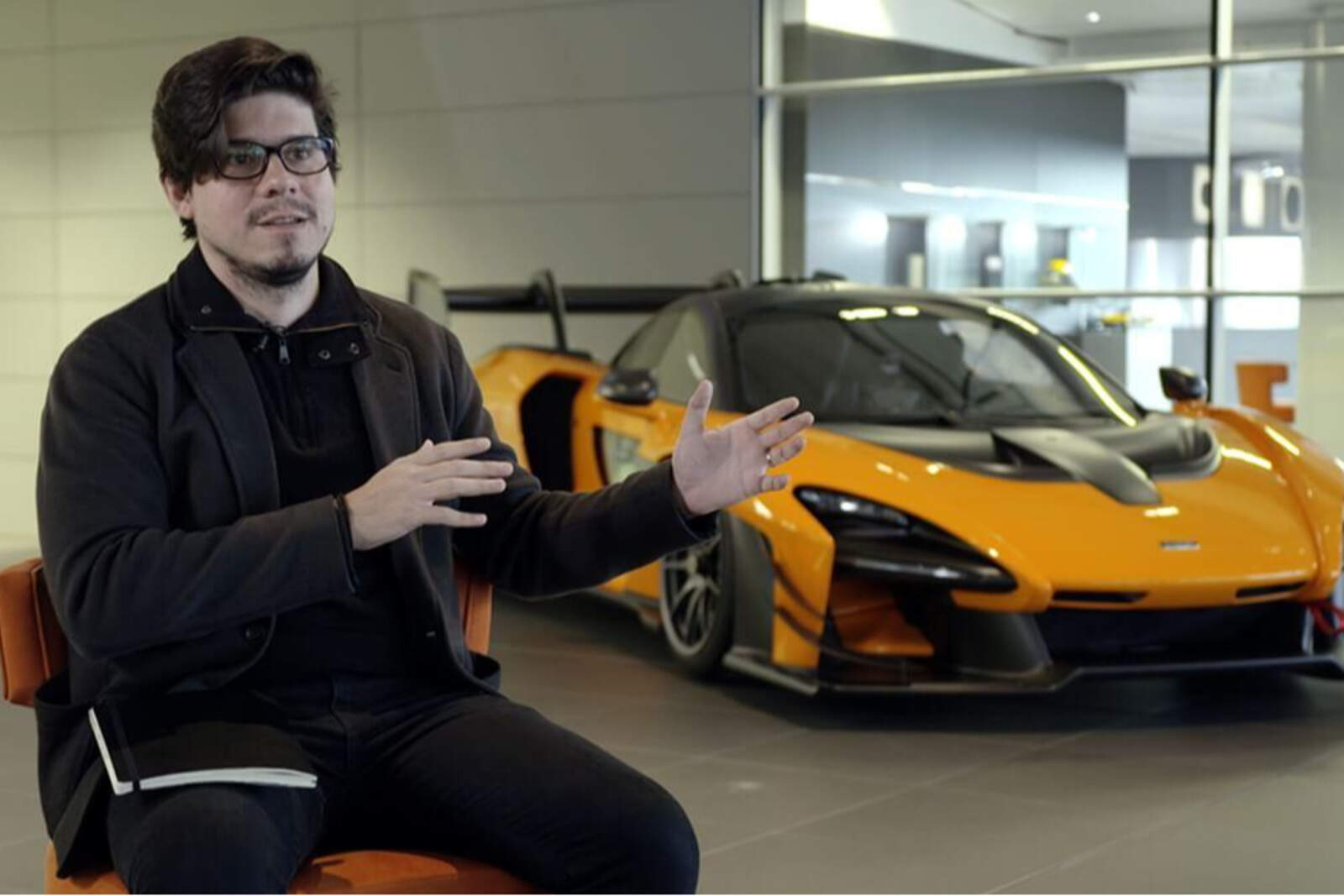
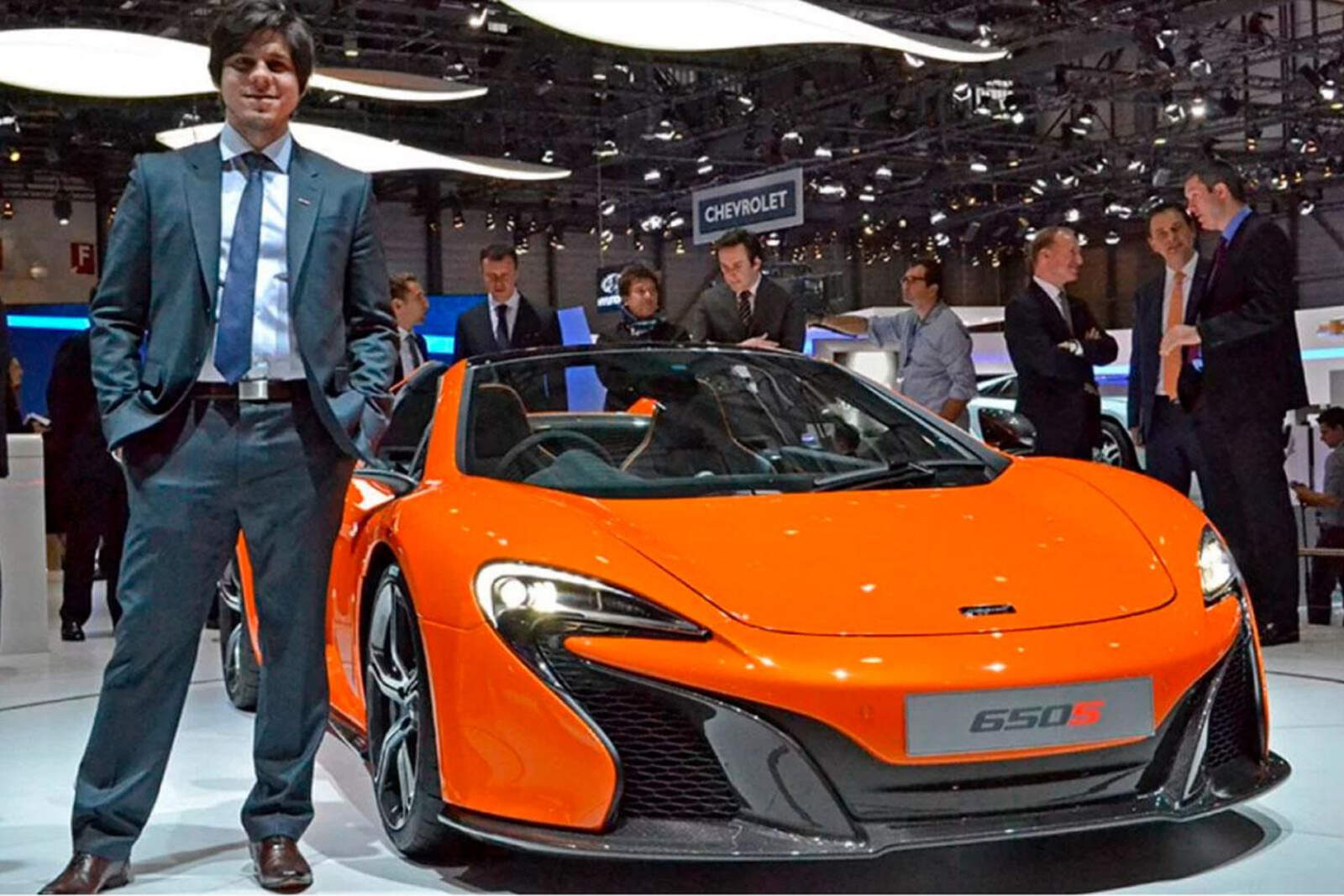
The management of the donation was driven by Esteban Palazzo, a designer from Tucumán who worked at McLaren and took part in projects related to the model created in tribute to Ayrton Senna. Far from any personal benefit, Palazzo managed to get the British automaker to give UTN an original part so that engineering students could analyze cutting-edge technology applied to aerodynamics.
Esteban Palazzo, diseñador argentino del Mc Laren Senna.
The wing, made entirely of carbon fiber, weighs just 4.2 kilos (9.26 pounds) and is designed to withstand up to 1,200 kilos (2,645.55 pounds) of aerodynamic load. In academic terms, it was an exceptional resource: a real laboratory to study advanced materials, structural design, and aerodynamic behavior, something practically inaccessible for an Argentine public university.
However, when it entered the country in 2019, at the very beginning of the Kirchnerist cycle, Customs classified it as an "automotive spare part." Under that criterion, it demanded a Safety Auto Parts Approval Certificate, a procedure designed for parts intended for commercial sale and not for a non-profit educational donation. The bureaucratic interpretation set in motion an endless administrative file.
For years, despite the existence of an official McLaren letter that specified the nature of the gift and the university destination of the part, UTN Tucumán never managed to have the wing released. The case became bogged down in the administrative logic that characterized the Kirchnerist administration: paperwork, out-of-context requirements, and zero common sense.
The end was documented in an official record dated April 2021, when Kirchnerism was still in power. The record stated that, in Ezeiza, officials proceeded to "render unusable, shred, and compact" goods considered leftover, among them the McLaren Senna wing. The technology that was supposed to train engineers ended up reduced to scrap metal by decision of the State.
Esteban Palazzo, diseñador argentino del Mc Laren Senna.
Palazzo himself was clear in interviews: he never wanted the part for himself, but for it to reach the university. The frustration is not only personal. It is institutional and educational. A unique training tool was lost and, at the same time, a discouraging message was sent to international companies willing to collaborate with the Argentine university system.
After the case went viral, official sources indicated that the new authorities, no longer part of the Kirchnerist framework, would be willing to facilitate the entry of a similar future donation if McLaren decides to repeat the gesture. It is a late clarification that doesn't erase the central fact: during the K administration, the state bureaucracy not only blocked an educational donation, it destroyed it.