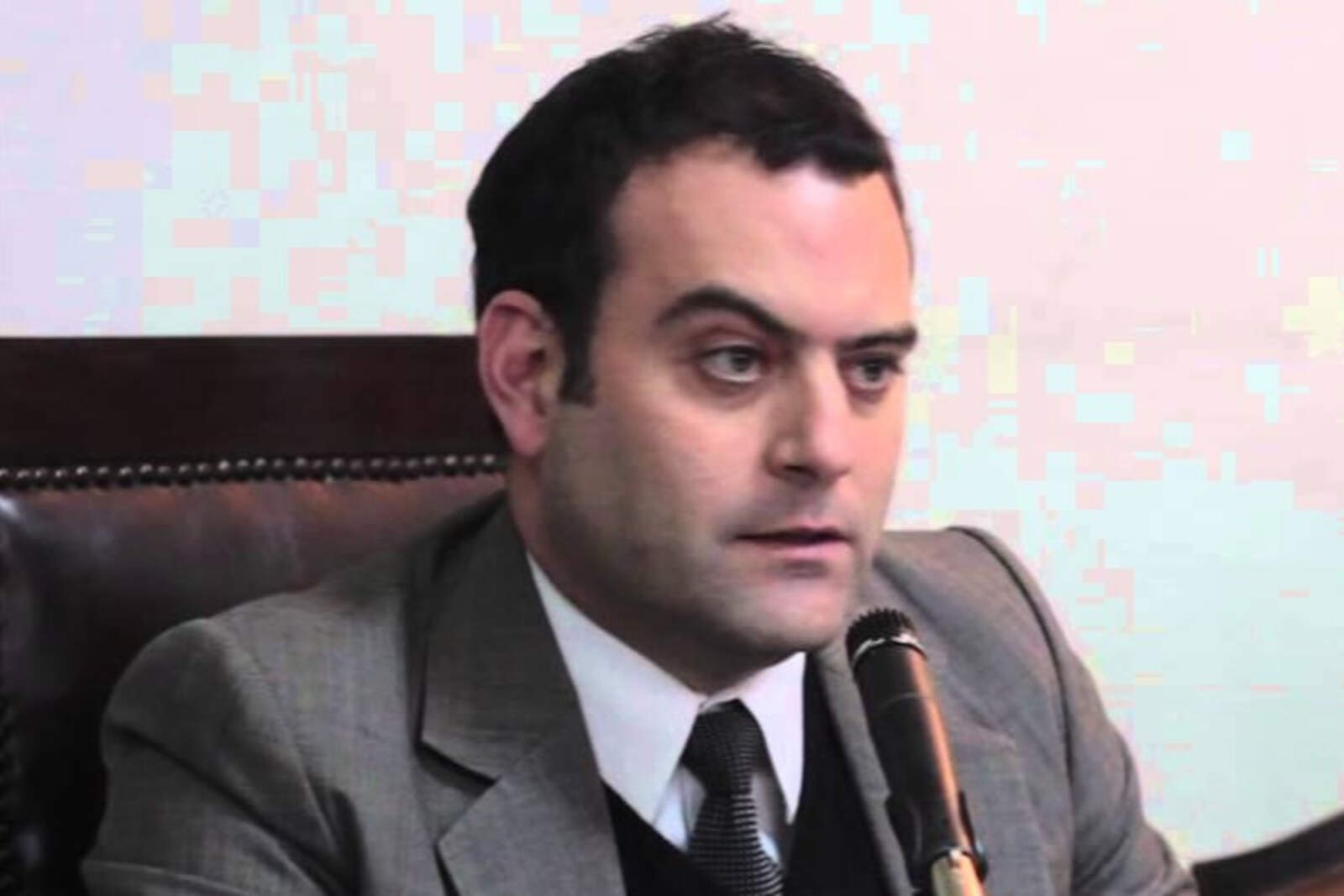
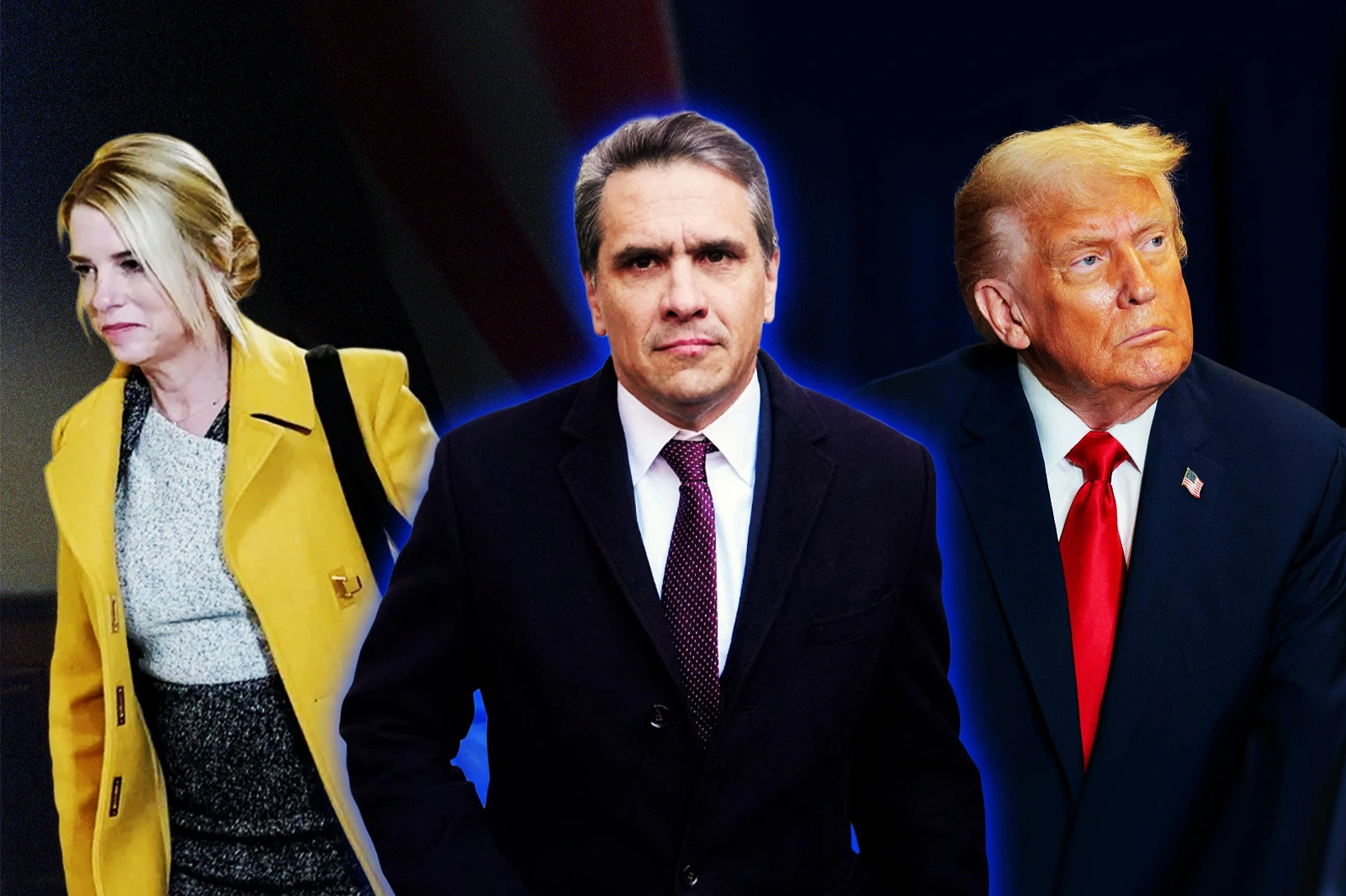
This is Martín Cormick, a lawyer close to La Cámpora and a former official during Cristina Kirchner's government
Compartir:
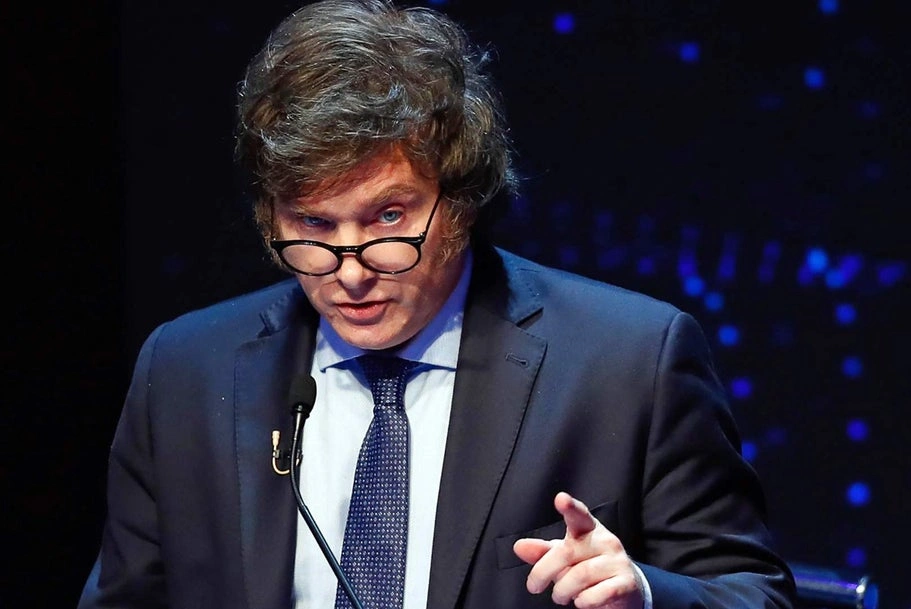
Federal Judge Martín Cormick, close to Kirchnerism and linked to La Cámpora, annulled the anti-roadblock protocol applied by the Government of Javier Milei.
The resolution of the National Security Ministry, declared null and void by the K judge, had established the framework for the actions of the security forces in the face of violent demonstrations and roadblocks, one of the central tools in matters of public order implemented during the administration of Patricia Bullrich and subsequently maintained by the current minister Alejandra Monteoliva.
The decision was adopted on the basis of an amparo action filed by the Center for Legal and Social Studies (CELS), which challenged the legality of Resolution 943/2023, the regulation that launched the so-called anti-roadblock protocol. After analyzing its content, the magistrate concluded that the Security Ministry overstepped into powers that "do not belong to it".
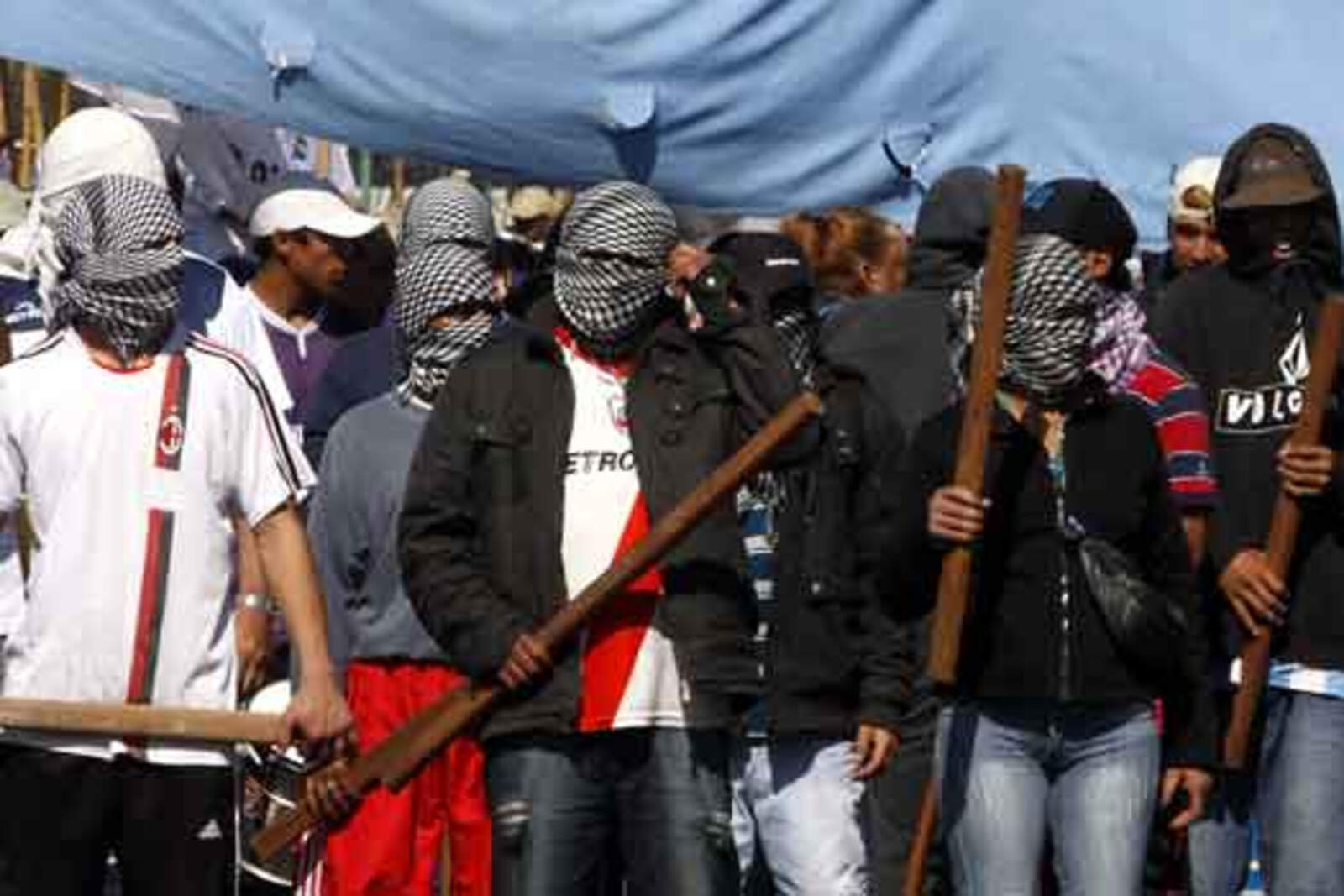
Piqueteros.
Cormick, a lawyer close to La Cámpora, was appointed federal judge by former president Alberto Fernández just over two years ago. Before his arrival to the bench, he served as a PAMI official and as Inspector General of Justice during the final stage of the government of the corrupt and convicted Cristina Kirchner.
In his ruling, the Kirchnerist judge maintained that the public administration lacks the power to issue regulations that, according to him, restrict "essential constitutional rights" without an express legal authorization from Congress.
Among those rights, he mentioned freedom of assembly, freedom of expression, and the right to petition the authorities, even though Milei's Government did not prohibit them at any time. According to the biased criteria of the K judge, any limitation of this kind requires a prior formal law and can't be imposed through a ministerial resolution.
One of the central aspects of the ruling was linked to the concept of flagrante delicto. The now-annulled protocol instructed the federal security forces to intervene immediately in the event of roadblocks or obstructions of traffic routes, since those situations constituted flagrant crimes, that is, criminal acts that are being committed at that very moment.
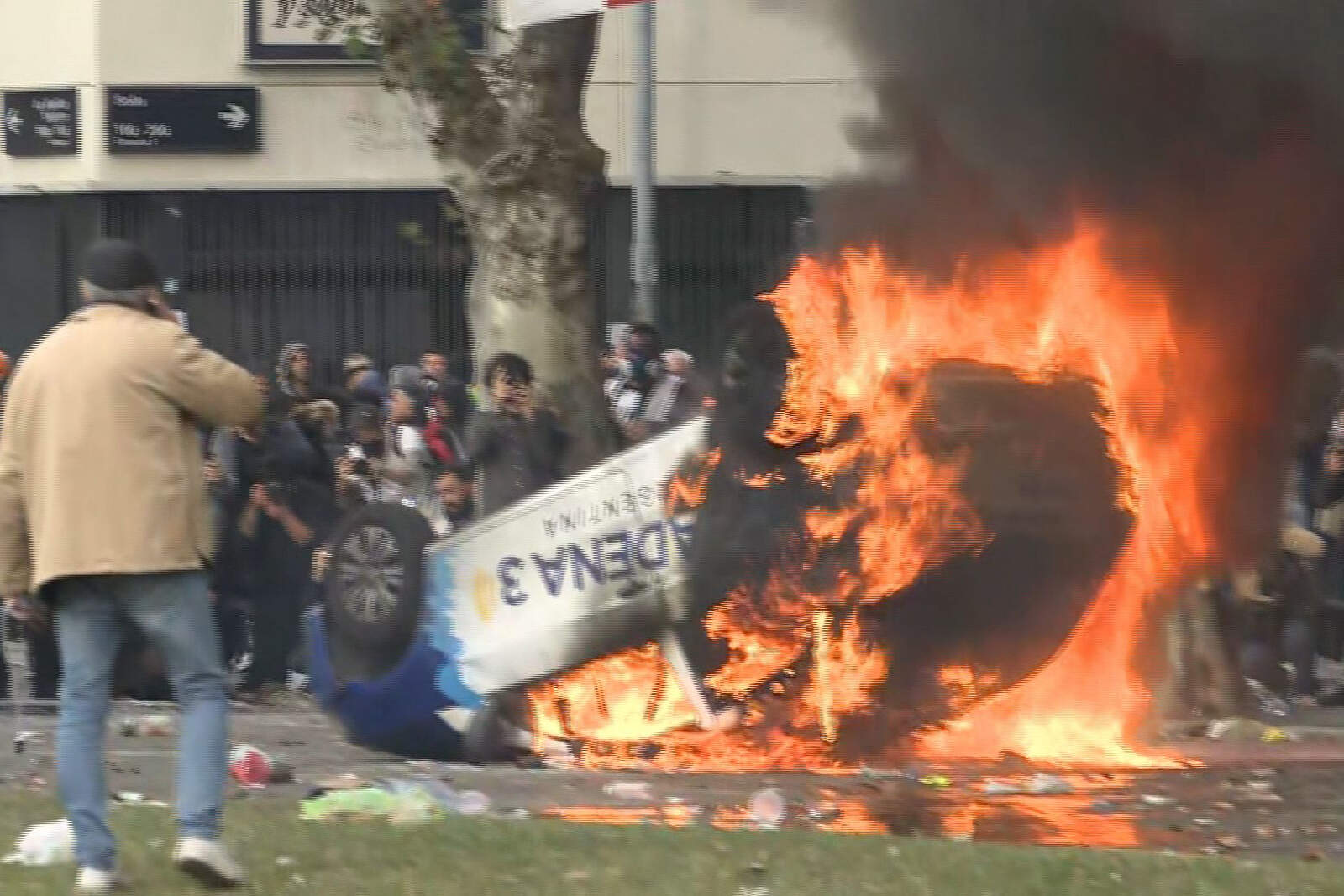
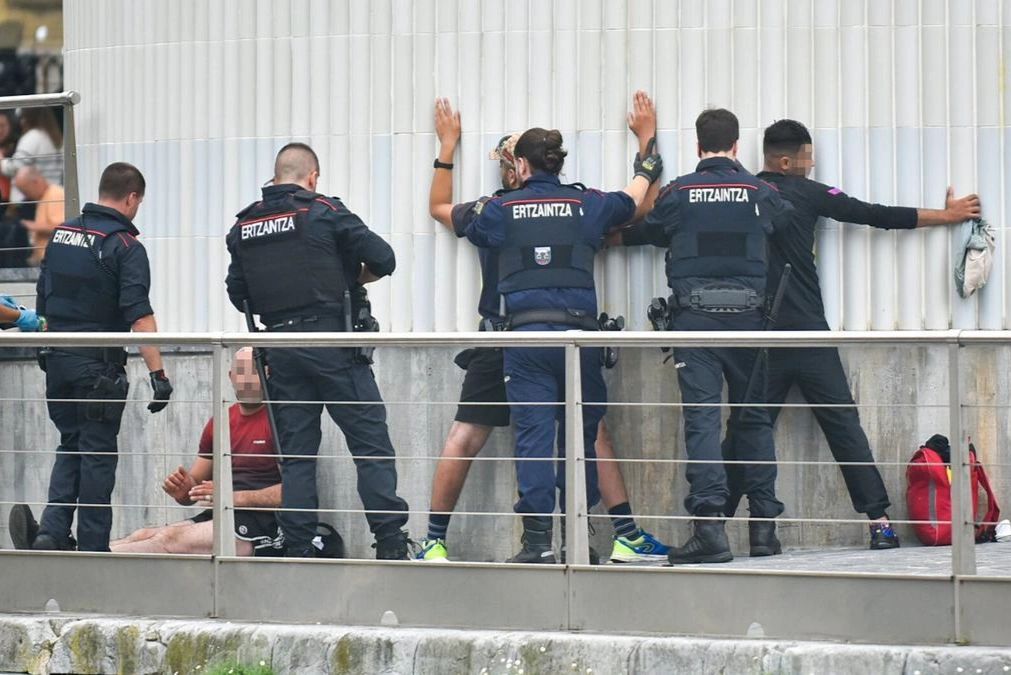
Manifestación violenta.
The judge questioned that interpretation and maintained that "social protest" can't automatically be equated with a criminal offense. In that regard, he stated that it is a complex phenomenon that doesn't, in itself, justify immediate police intervention without a court order.
Cormick also emphasized that the classification of conduct as criminal and the decision to order the use of public force to disperse a violent demonstration belong exclusively to the Judiciary. According to the ruling, those determinations must be made by judges and prosecutors, and not by political authorities or by those responsible for security operations.
This way, the Kirchnerist judge ordered the Security Ministry to refrain from applying the anti-roadblock protocol. However, the ruling can be appealed to higher courts.