Federico Susbielles promoted more taxes and a sharp increase in spending labeled as gender
Compartir:
Bahía Blanca becomes an example of the Kirchnerist fiscal model. Mayor Federico Susbielles, an ultra-K leader aligned with Axel Kicillof, presented the 2026 municipal budget.
This includes two decisions that have caused controversial outrage among residents and productive sectors. It imposes more taxes and pressure on the Petrochemical Hub, while at the same time promoting ridiculous and disproportionate spending under the label of "gender perspective."
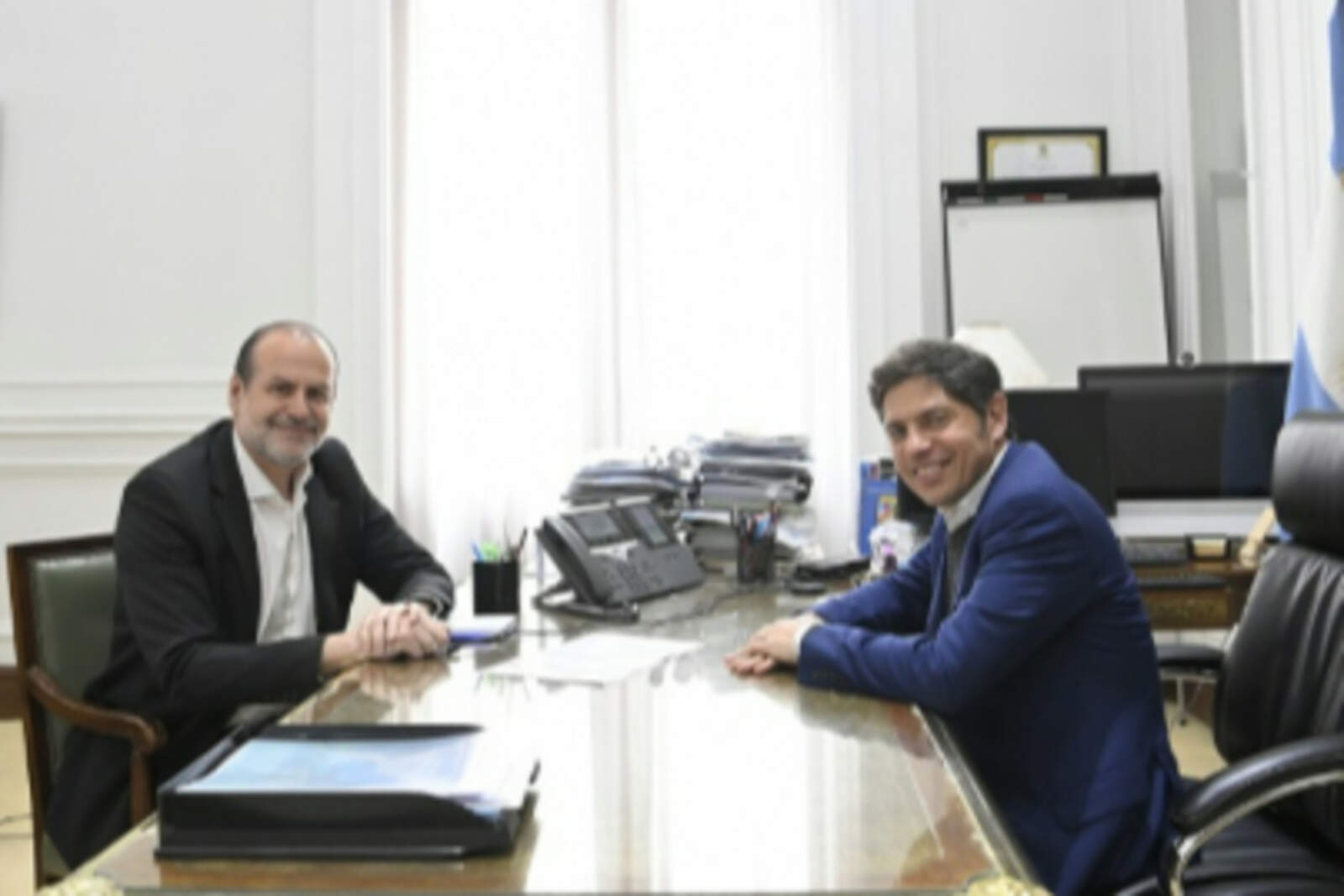
Federico Susbielles junto al gobernador soviético Axel Kicillof
According to the document released this week, Bahía Blanca will allocate in 2026 $12.688 billion —about 8.5 million dollars— to policies labeled with a gender perspective. This is the highest level in local history, and an amount completely disconnected from the municipality's real needs.
The combination of local tax hikes, new fees, and expanding public spending has sparked criticism. It is warned that the municipality is repeating Axel Kicillof's provincial model: when money is lacking, the answer is never to review spending, but rather to impose more taxes on citizens and companies.
The "solidarity fee": a new tax hike to punish those who produce
The budget includes a "solidarity fee", which, as Kirchnerism has accustomed us, was given a "friendly name" to cover up the theft.
In practice, it functions as another tax hike that falls mainly on companies in the Petrochemical Hub: one of the main labor and industrial engines of the region.
In 2024, an additional installment had already been applied to the property tax; now Susbielles is once again increasing fiscal pressure and adding more obstacles. Every time money is needed, instead of reviewing spending, taxes are increased.
This fiscal theft in the municipality knows no limits, since it will also promote fee increases for all taxpayers, extending the impact to merchants, small and medium-sized businesses, and families.
Spending on "gender perspective": an inflated and unexplained budget
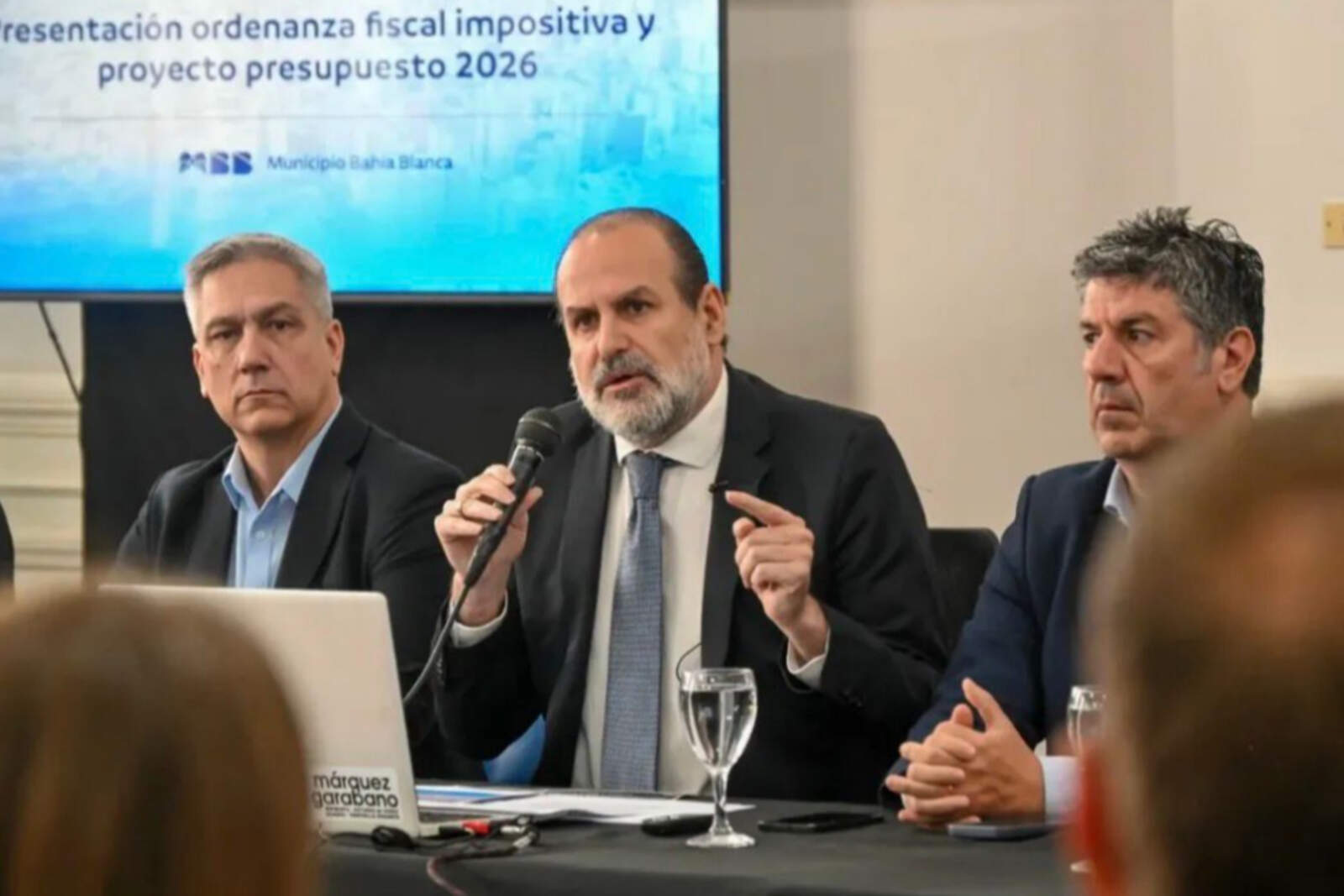
Presupuesto 2026 de Bahia Blanca con exorbitante gasto en políticas de género
The amount allocated to "gender policies" is so high that even analysts aligned with the provincial government acknowledge that it is "striking." But the problem is not just the magnitude of the spending: it is the absolute lack of transparency about what concrete actions will be financed and how their impact will be evaluated.
This lack of clarity makes the issue even more serious, given the practices to which Kirchnerism has accustomed us. We do not know if all that spending really goes there or if it is a label that is later used for discretionary spending.
That is, part of those $12.688 billion could become a political slush fund, disguised under a progressive label that allows the municipality to justify uncontrolled allocations.
The most notable and outrageous thing is that Bahía Blanca has urgent needs due to the climate crisis: street repairs, waterworks, strengthening security, school maintenance, basic services, and a structural deficit in municipal infrastructure.
However, the ultra-Kirchnerist mayor seems to be totally disconnected from reality and decides that almost $13 billion will go to a category that he doesn't explain, doesn't detail, and doesn't account for.
El intendente de Bahía Blanca presentó un presupuesto con fuerte aumento de impuestos
The budget also incorporates an increase of more than 55% in waste collection spending, a service managed by a majority state-owned company, with no competition and no proven efficiency. According to the analysis, this adds to a municipal spending structure that is growing out of control, while residents receive increasingly worse services.
Federico Susbielles thus consolidates the Kirchnerist fiscal model: the taxpayer pays, politicians spend, and municipal priorities are subordinated to a partisan agenda that pressures, collects, and distributes without accountability.