The liberal bloc grew to 13 deputies and will be decisive for the agenda of the Buenos Aires government
Compartir:
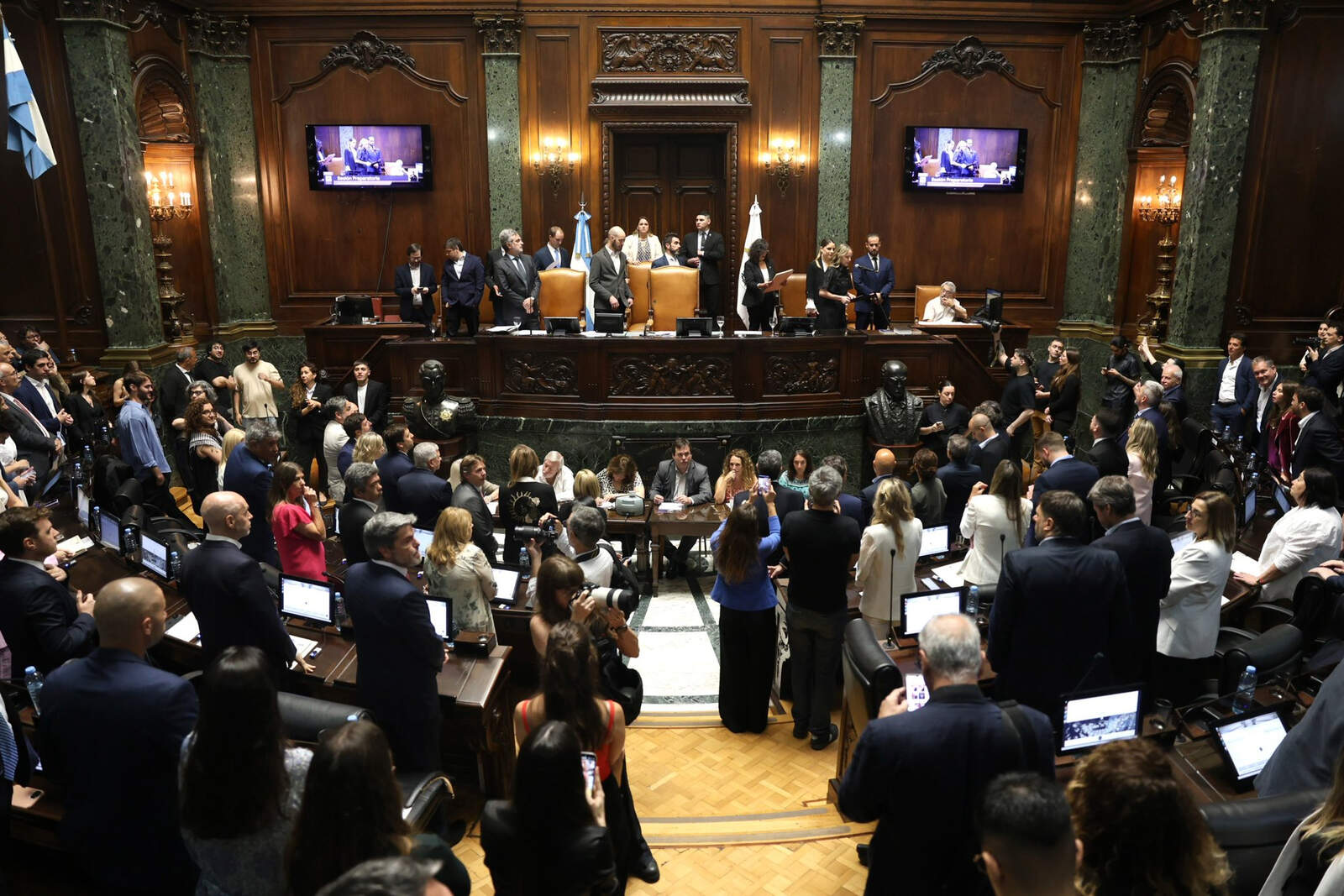
The City Legislature was formally reconfigured after the swearing-in of the new deputies: La Libertad Avanzaexpanded its caucus to 13 legislators, became the second minority, and obtained the Third Vice Presidency, a strategic position in the leadership of the body. With the ruling party far from the 31 votes needed and Peronism unable to gather majorities, the liberal bloc becomes a decisive player for parliamentary agreements.
Vamos por Más —the ruling party— holds only 11 out of 60 seats and keeps institutional control of the Legislature through the Deputy Head of Government, Clara Muzzio, who presides over the body. The distribution of the remaining authorities reflects the new balance of power.
Jura de legisladores 2025.
The dialogue-oriented wing will be the largest: La Libertad Avanza (13), Confianza y Desarrollo (7), and Ciudadanos Unidos-UCR (5). Together, they hold 25 votes and will determine whether the City manages to move forward with reforms, administrative modernization, and fiscal order, or if the chamber becomes trapped in Peronism's logic of obstruction.
On the opposition side, the restructured Kirchnerism under the Fuerza por Buenos Aires brand adds 20 legislators, while the Frente de Izquierda —with greater ideological proximity— retains 2. Despite Peronism's size, its ability to influence the agenda has been seriously limited: without the dialogue-oriented blocs, it has no chance of imposing or blocking key initiatives. Leandro Santoro volvió a jurar como legislador.
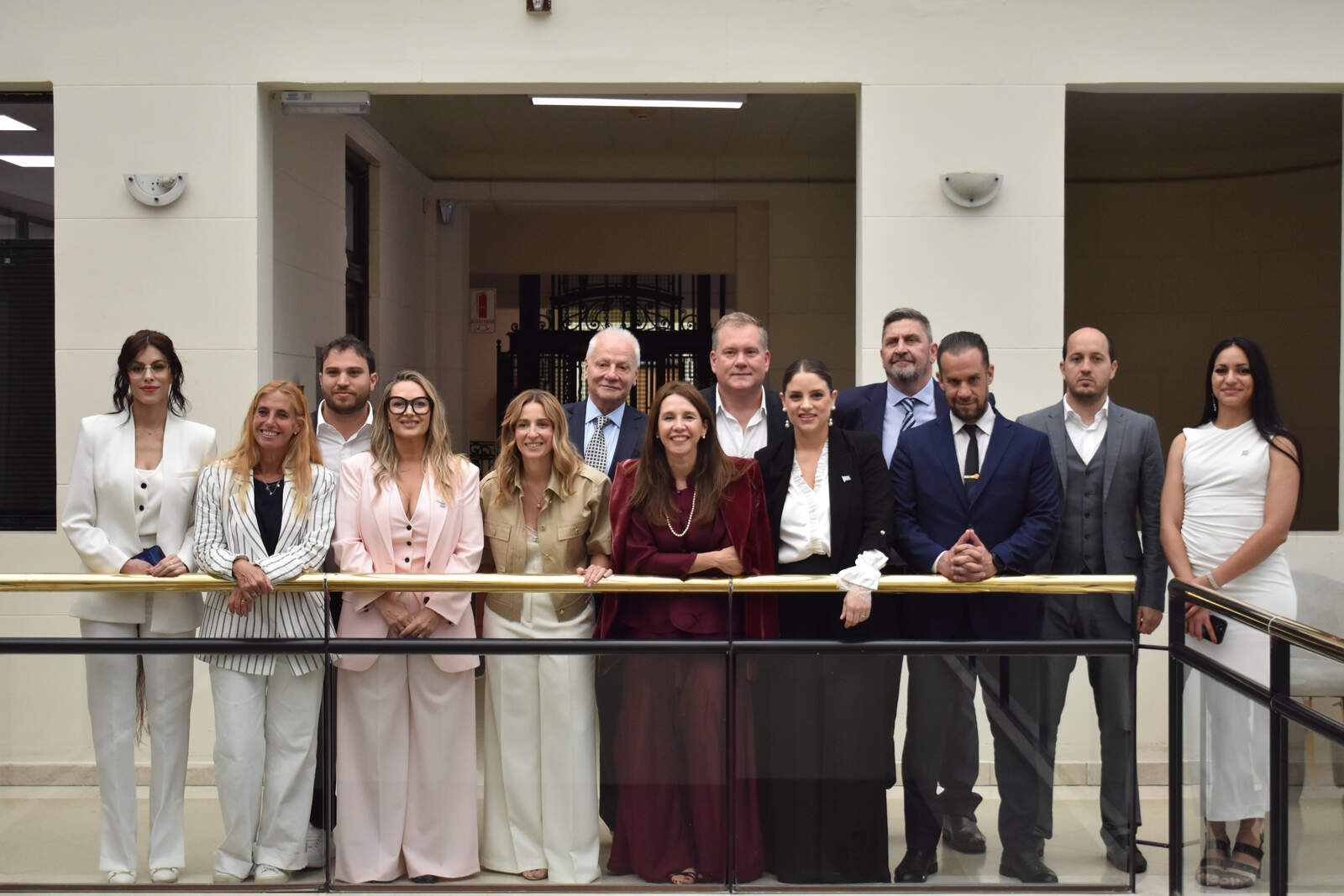
The swearing-in session was marked by the presence of national figures: Martín Menem, Patricia Bullrich, Manuel Adorni, and members of Karina Milei's political team accompanied the liberal legislators and the caucus leader, Pilar Ramírez, in a gesture of explicit support for the City's new parliamentary structure.
Matías López (PRO) was confirmed as First Vice President; Juan Pablo Modarelli (Peronism) will hold the Second Vice Presidency; Juan Pablo Arenaza, a figure aligned with Patricia Bullrich within LLA, was appointed to lead the Third Vice Presidency. The position is significant: it is part of the chamber's leadership and participates in organizing sessions and overseeing the internal political functioning.
With this reorganization, a stage begins in which the City will need to build broad consensus to advance its agenda. PRO retains institutional control, but La Libertad Avanza becomes the indispensable partner, both to ensure governability and to promote pending reforms that require a qualified majority.
Legisladores de LLA en CABA.
Peronism loses centrality in decision-making and faces a scenario where its influence depends entirely on the support —or rejection— of the dialogue-oriented blocs, despite remaining the largest minority in the chamber.
La Libertad Avanza consolidates its leap from emerging force to key player in Buenos Aires politics. With greater size and institutional presence, the liberals now influence every relevant vote and project their weight toward the next electoral cycle, aligned with the reform agenda promoted by President Javier Milei at the national level.