Lithuania warned that Russia may be considering using captured Ukrainian-made drones during the war to carry out possible false flag attacks against critical infrastructure in Baltic region countries, with the aim of blaming Kiev and weakening NATO's support for Ukraine.
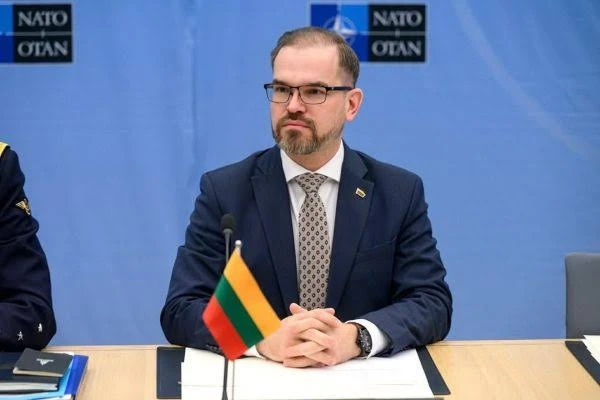
The Lithuanian Minister of Defense, Robertas Kaunas, stated that the intelligence services of his country have identified a possible scenario in which Moscow carries out unconventional kinetic operations against strategic facilities in the region. He explained that Russia may have recovered fragments and components of Ukrainian drones shot down during attacks and defenses in the conflict, allowing it to reconstruct similar devices for use in a deception operation.
''Russia has those pieces or fragments of drones and is capable of building them, adapting them, and turning them into a functional device,'' Kaunas noted. The official indicated that the use of a supposed Ukrainian drone in an attack against a Baltic target would be, according to the assessment of Lithuanian authorities, the most likely false flag scenario.
The Lithuanian Defense Minister warned of possible false flag attacks provoked by Russia within Baltic territory
According to the minister, an operation of this type would have as one of its main objectives to generate doubts within the Atlantic Alliance and reduce Western support for Ukraine. However, Kaunas assured that allied countries will not allow a potential Russian disinformation strategy to affect their commitment to Kiev.
Lithuania's statements come in a context of growing concern on NATO's eastern flank, where several countries have warned about possible hybrid actions by Moscow aimed at pressuring its neighbors and testing Western unity.
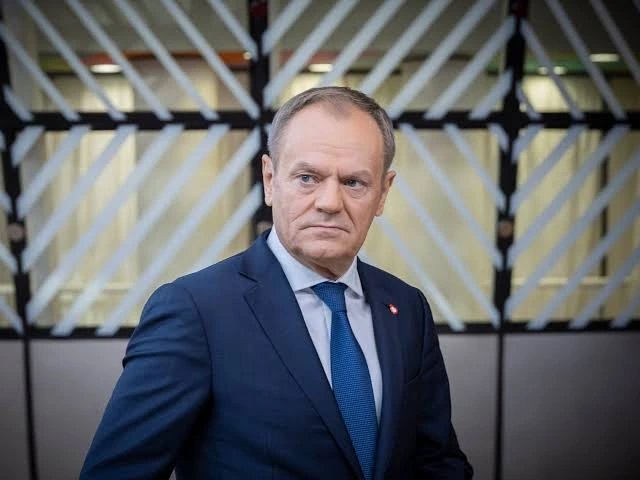
Poland and Latvia have also recently expressed similar concerns. Polish Prime Minister Donald Tusk stated on July 25 that countries in the area share the perception that the security situation is ''highly unstable'' and warned that new escalations could occur in the coming months.
During a summit of eastern NATO nations held in Gdansk, Tusk pointed out that countries bordering Russia, Belarus, and Ukraine must prepare for possible crisis scenarios due to their direct exposure to the consequences of the conflict.
The Prime Minister of Poland warned about the vulnerability the region faces against Russia and also suggested the possibility of a potential military escalation in the coming months
In Latvia, the government has strengthened security at facilities considered strategic after receiving intelligence information about possible threats to critical infrastructure. Prime Minister Andris Kulbergs reported that surveillance has increased at locations such as the underground gas storage facility in Incukalns and areas near a hydroelectric dam located upstream of Riga.
Kulbergs stated that, due to the difficulties Russia faces on the battlefield in Ukraine, Moscow may seek to achieve a ''quick victory'' through hybrid actions. According to the official, the possibility of selective attacks against strategic targets cannot be ruled out.
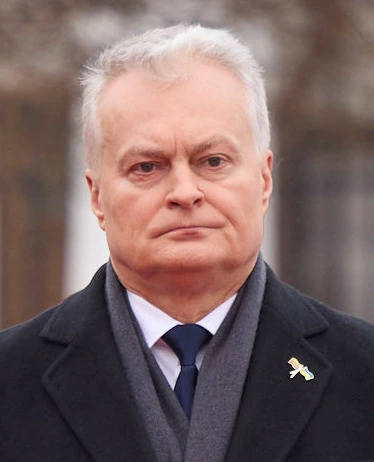
Lithuania also previously announced an increase in protection around energy and transportation facilities after receiving information about possible Russian plans against critical infrastructure. Lithuanian President Gitanas Nauseda acknowledged that there was data on possible limited kinetic operations, although not necessarily large-scale attacks.
The president of Lithuania acknowledged that intelligence anticipates possible Russian operations in the Baltic and strengthened security at power plants
Estonia, for its part, has adopted a more moderate stance. Colonel Ants Kiviselg, head of the Estonian Defense Forces Intelligence Center, stated that recent warnings about possible Russian provocations must also be analyzed within the framework of Moscow's information war against the West. He explained that there are currently no indications of Russian military preparations for an operation in the Baltic countries in the short term.
Tensions are rising as Ukraine intensifies its long-range drone attacks against targets within Russia. Kiev and several NATO countries have accused Moscow of using electronic jamming to divert Ukrainian drones into allied airspace, while Russia claims that Ukraine is deliberately directing cross-border attacks.
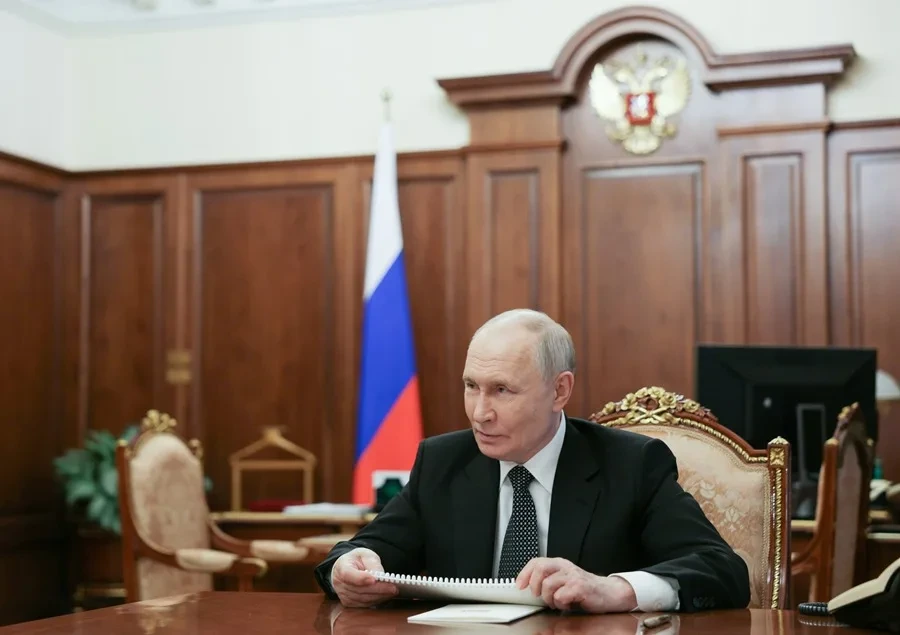
The Kremlin has repeatedly rejected accusations that it seeks to intimidate NATO member countries and has labeled those warnings as attempts to instill fear. However, Baltic authorities remain alert and assert that the protection of strategic infrastructure is a priority in the face of a growing hybrid competition between Russia and the West.
The government of Vladimir Putin rejected the information coming from the intelligence services of Western countries