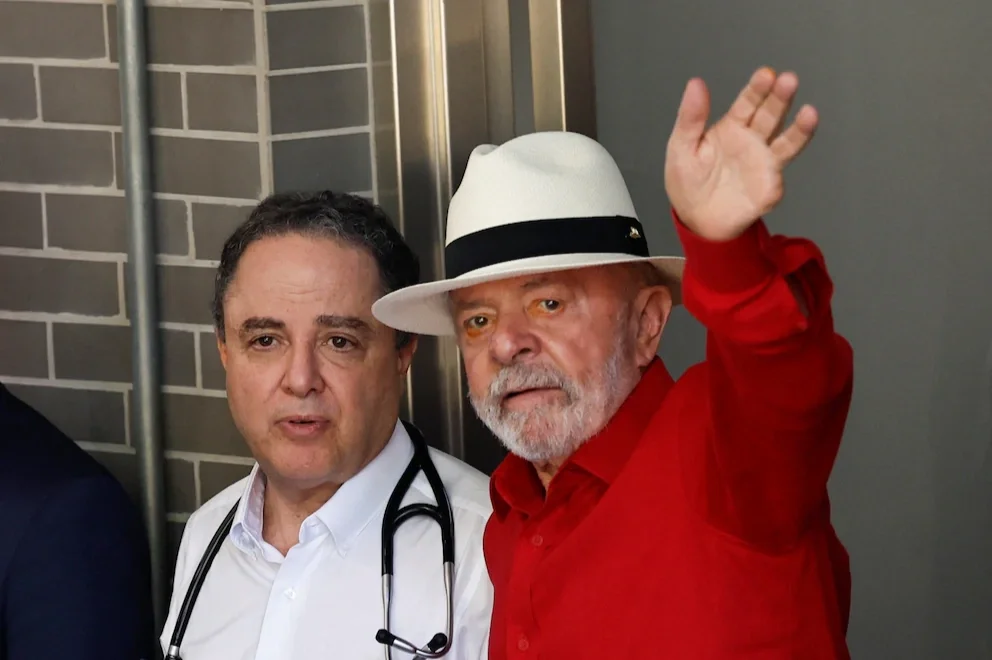

The president of Brazil, Luiz Inácio Lula da Silva, has begun a preventive treatment of radiotherapy after doctors detected and removed a skin cancer lesion on his scalp, at a particularly delicate moment for the leader due to the presidential campaign and the growing political wear of his government.
The leader of the Workers' Party, 80 years old, will have to undergo 15 sessions of superficial radiotherapy over the coming weeks while trying to maintain his candidacy for the presidential elections in October, where he faces one of the most complex electoral scenarios since his return to power.
The news generated a strong political impact in Brazil as it occurs amid a campaign marked by economic deterioration, falling presidential popularity, and the advance of the conservative opposition. In recent weeks, several polls began to show Lula losing ground to Senator Flávio Bolsonaro, son of former president Jair Bolsonaro, and even some surveys already place the ruling party behind the right for the first time since 2023.

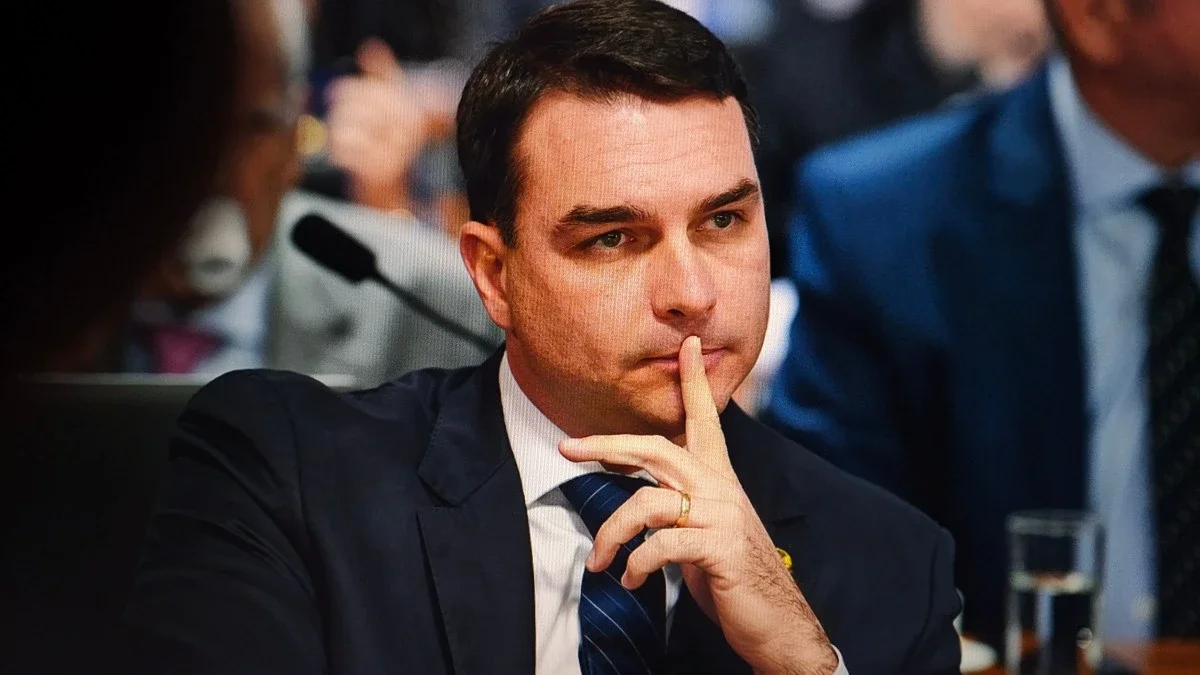
The presidential candidate Flávio Bolsonaro
In recent years, Lula has faced various medical issues that have affected his public image. In 2024, he underwent surgery for a brain hemorrhage after a domestic fall and had previously overcome a laryngeal cancer diagnosed in 2011. Now, the emergence of a new oncological condition reignites the debate about his health status amid the electoral contest.
While the ruling party tries to convey normality and assures that Lula will continue with his political agenda without restrictions, opposition leaders have begun to question whether the president is truly capable of facing another intense presidential campaign and potentially governing for another four years.
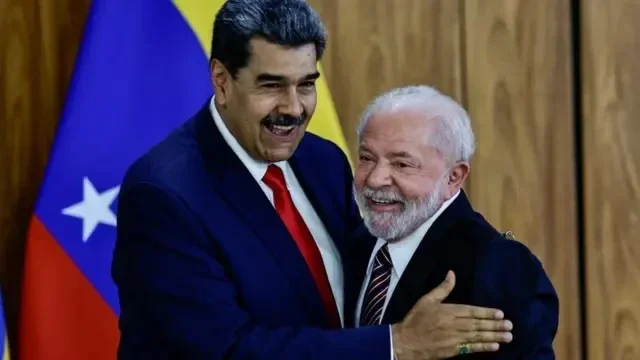
The former dictator Nicolas Maduro alongside President Lula da Silva
The medical treatment also coincides with a moment of strong economic and political pressure for the Brazilian government. Inflation, increased public spending, and falling business confidence have affected the president's image, while the opposition seeks to establish the idea of an exhausted political cycle within lulism.
Despite the adverse outlook, Lula insists on competing again and maintains an intense public agenda to try to reverse the negative trend in the polls. However, the progression of his health issues and the political wear of his administration have already begun to become one of the main topics of debate in the Brazilian presidential campaign.