These statements are being made in a context of intense diplomatic activity, with the United States moving forward with efforts to facilitate a change of leadership in the South American country.






Former Venezuelan dictator Nicolás Maduro and his wife, Cilia Flores, face narcoterrorism charges in the United States justice system
These statements are being made in a context of intense diplomatic activity, with the United States moving forward with efforts to facilitate a change of leadership in the South American country.





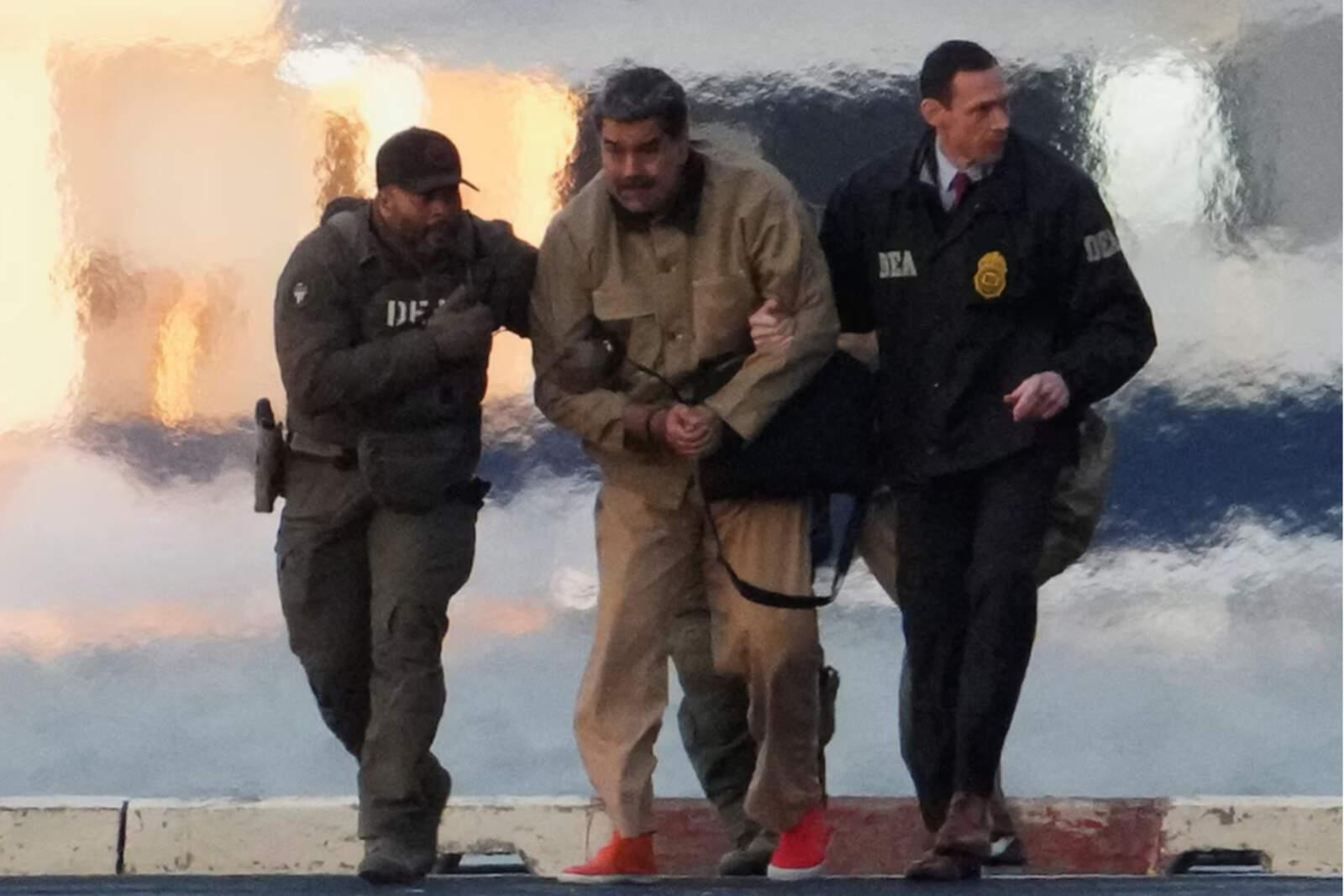
Former Venezuelan dictator Nicolás Maduro is appearing this Monday before a federal court in New York City, after having been captured by United States Army forces during an operation carried out at dawn on Saturday. Alongside him, his wife also appeared, Cilia Flores, identified by the U.S. justice system as a central part of the power and financing structure of the Chavista regime.
The court file was placed under the supervision of federal judge Alvin K. Hellerstein, a magistrate with extensive experience in high-profile cases, whom President Donald Trump publicly described as “highly respected”. The case focuses on charges of narcoterrorism, conspiracy for international drug trafficking, and unlawful association, crimes that the Department of Justice considers strategic within the fight against transnational organized crime.
According to United States federal law, defendants who violate the Controlled Substances Act as part of a continuing criminal enterprise can face extremely severe sentences. In this context, Maduro could be eligible for the death penalty if he is found guilty, according to information reported by U.S. media outlets such as the New York Post.
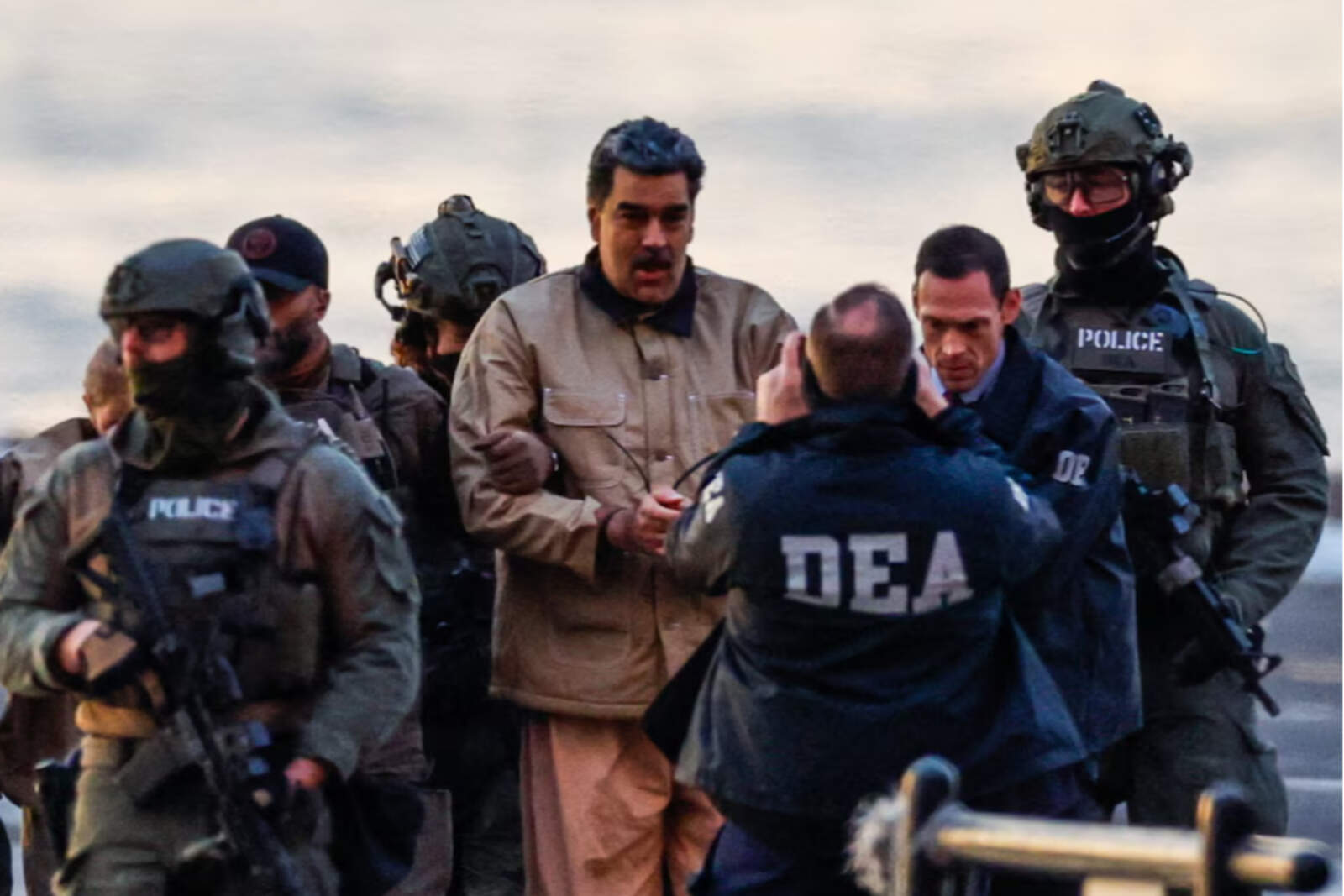
Prosecutors maintain that the former Venezuelan president led for years a drug trafficking network that used state structures to facilitate the shipment of drugs to the United States and other international destinations. The indictment highlights the systematic nature of the operations and the use of the Venezuelan state apparatus as cover.
President Donald Trump referred to the case on Sunday night and stated that Venezuelan Vice President Delcy Rodríguez “is cooperating” with the United States within the framework of the political transition process in Venezuela. In parallel, Rodríguez publicly called for a “balanced and respectful” relationship with Washington and urged everyone to “work together on a cooperation agenda” after Maduro's capture.
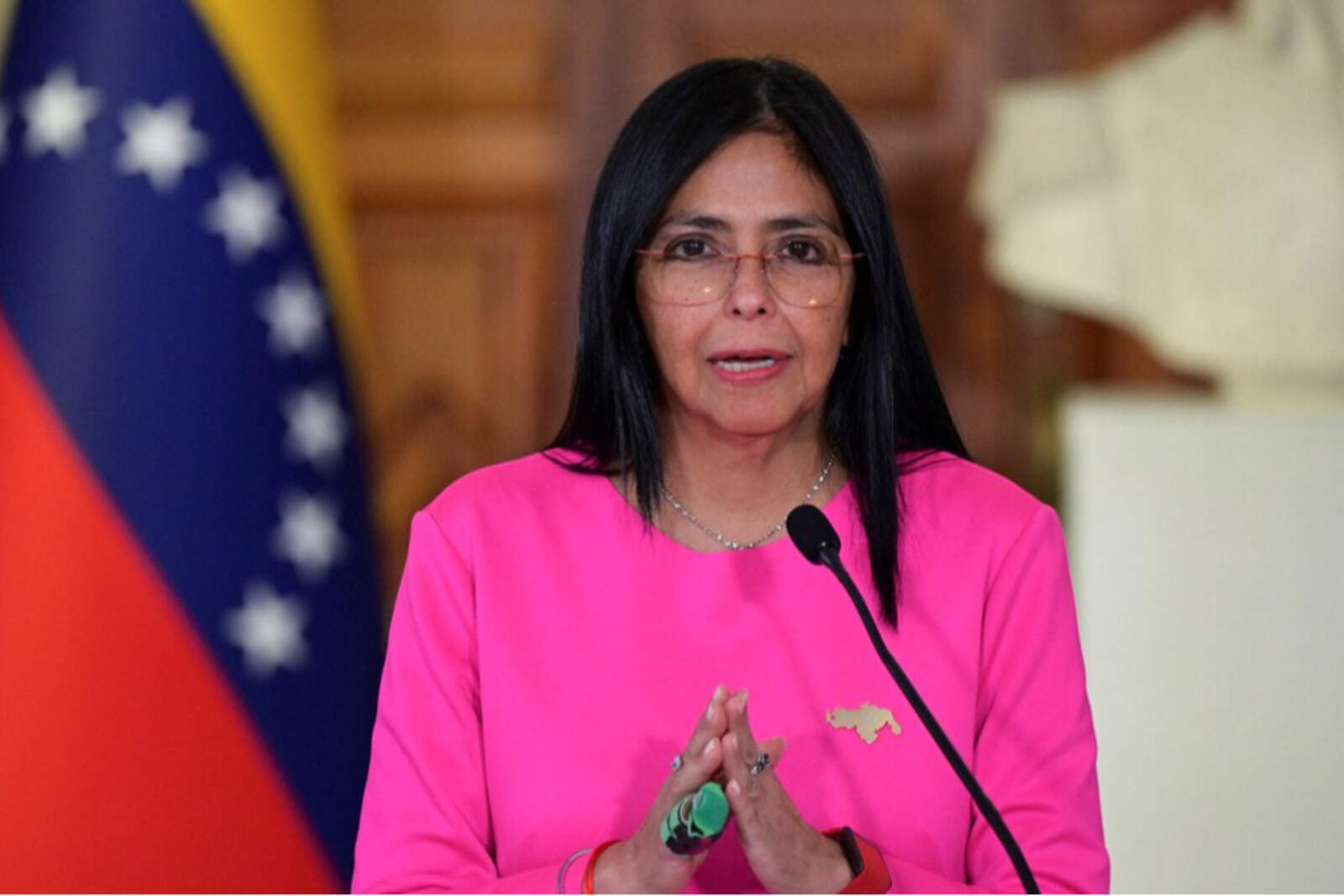
Officials from the U.S. administration confirmed that work is actively underway on the formation of an interim government in Venezuela. Secretary of State Marco Rubio indicated that the priority is to define a stable political framework that will make it possible to guarantee the democratic transition and maintain the strategic influence of the United States in the region.
From Washington, officials emphasize that the objective is to avoid a power vacuum and to lay the foundations for institutional reconstruction after years of economic collapse, structural corruption, and international isolation under the Chavista regime.
Maduro's appearance before the U.S. justice system marks a historic turning point for Venezuela and for the region. The case not only places at center stage the drug trafficking accusations that weighed on the regime for years, but also redefines the geopolitical board in Latin America.
Meanwhile, as the judicial process moves forward in New York, the international community is closely following the diplomatic moves and political decisions that could open a new chapter for Venezuela, after decades of authoritarianism and institutional deterioration.