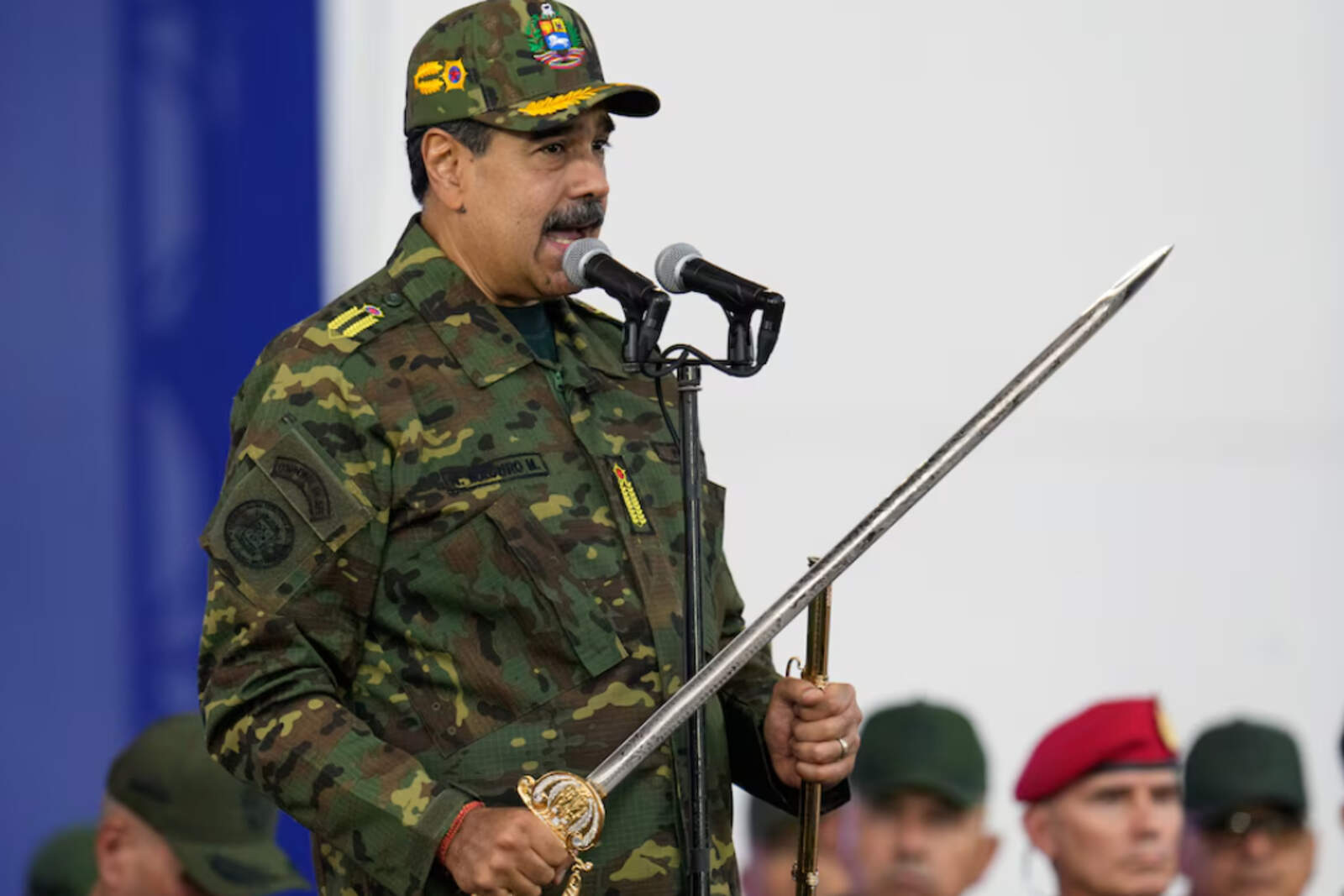

Five months after the U.S. military deployment in the Caribbean, the narco-dictator Nicolás Maduro is experiencing his moment of greatest political weakness. Sources close to the regime admit that the Chavista leader is living barricaded and in panic over a possible U.S. surgical strike, a possibility that Donald Trump's White House keeps open as part of its maximum pressure strategy to force a democratic transition.
The increase in international pressure led Maduro to reinforce his personal security, restrict his movements, and suspend public appearances, aware that his hold on power no longer depends on popular support but on the backing of a small and increasingly paranoid circle.
Trump evaluates scenarios for the regime's orderly exit
Washington is actively working on a post-Maduro transition framework. Internal documents show that the Trump administration is analyzing opposition plans to reform the Venezuelan state in the first 100 hours and the first 100 days, a process that would include free elections in the first year.
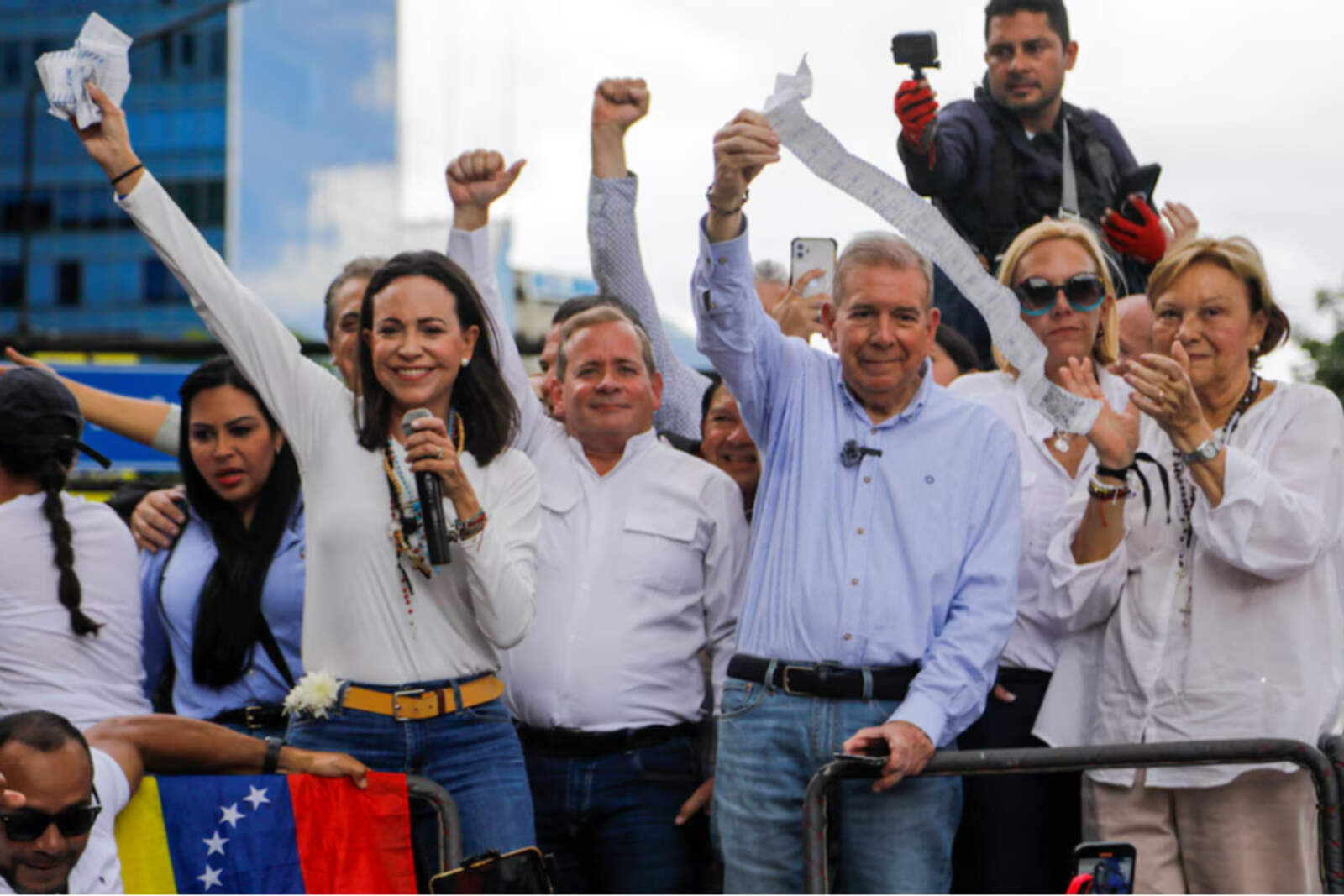
Opposition leader María Corina Machado, recently honored with the 2025 Nobel Peace Prize, presented reports detailing the Venezuelan military structure and projecting a limited purge of the repressive apparatus. According to that analysis, only a small segment of the high command would be irreducible.