The Venezuelan narco-dictator sent a letter to the organization that brings together oil-producing countries to stop the 'aggression' from the United States
Compartir:
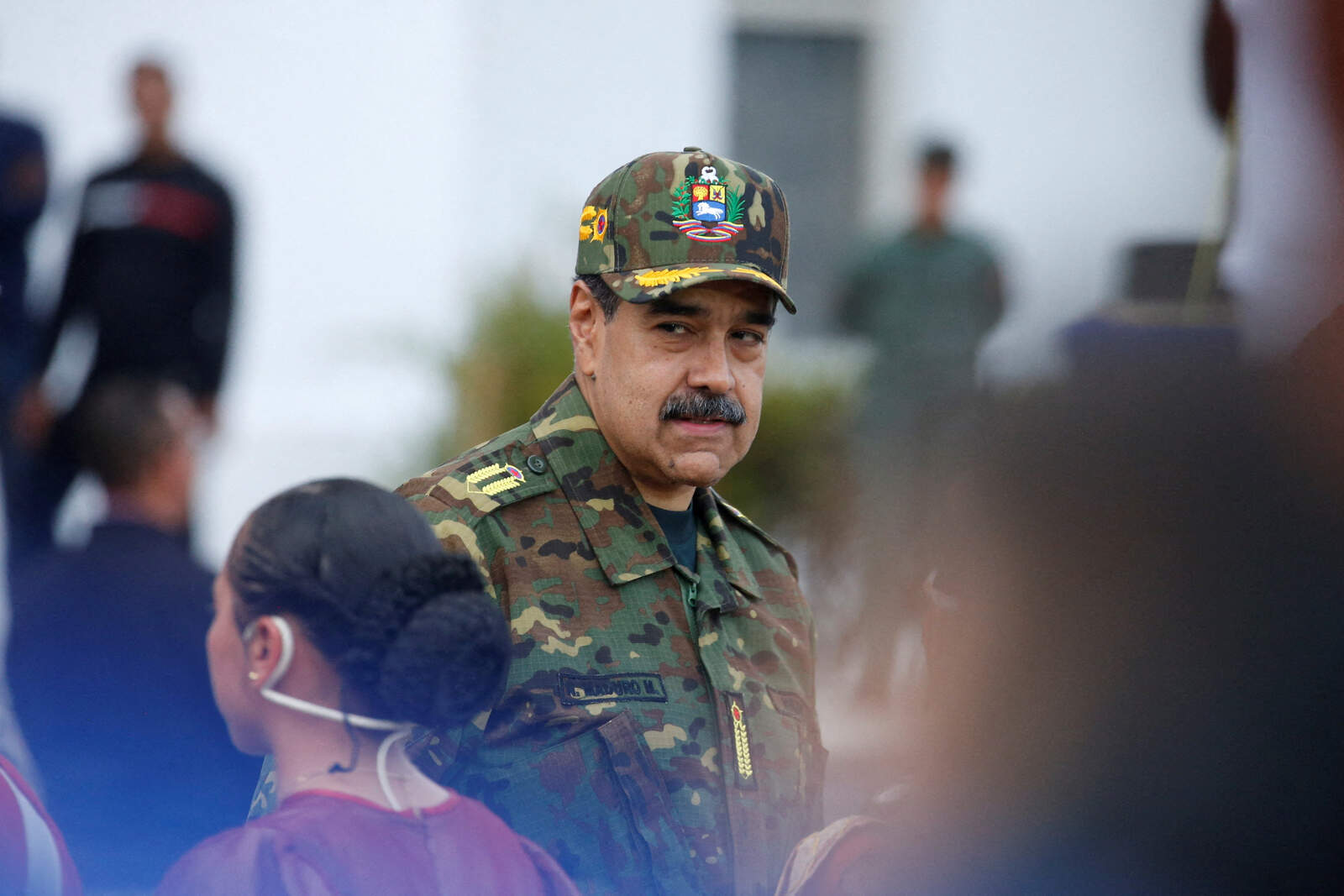
The Venezuelan dictator Nicolás Maduro requested this Sunday that the Organization of the Petroleum Exporting Countries (OPEC) intervene to stop what he described as "U.S. aggression," referring to the anti-narcotics operation that Washington has maintained in the Caribbean since August.
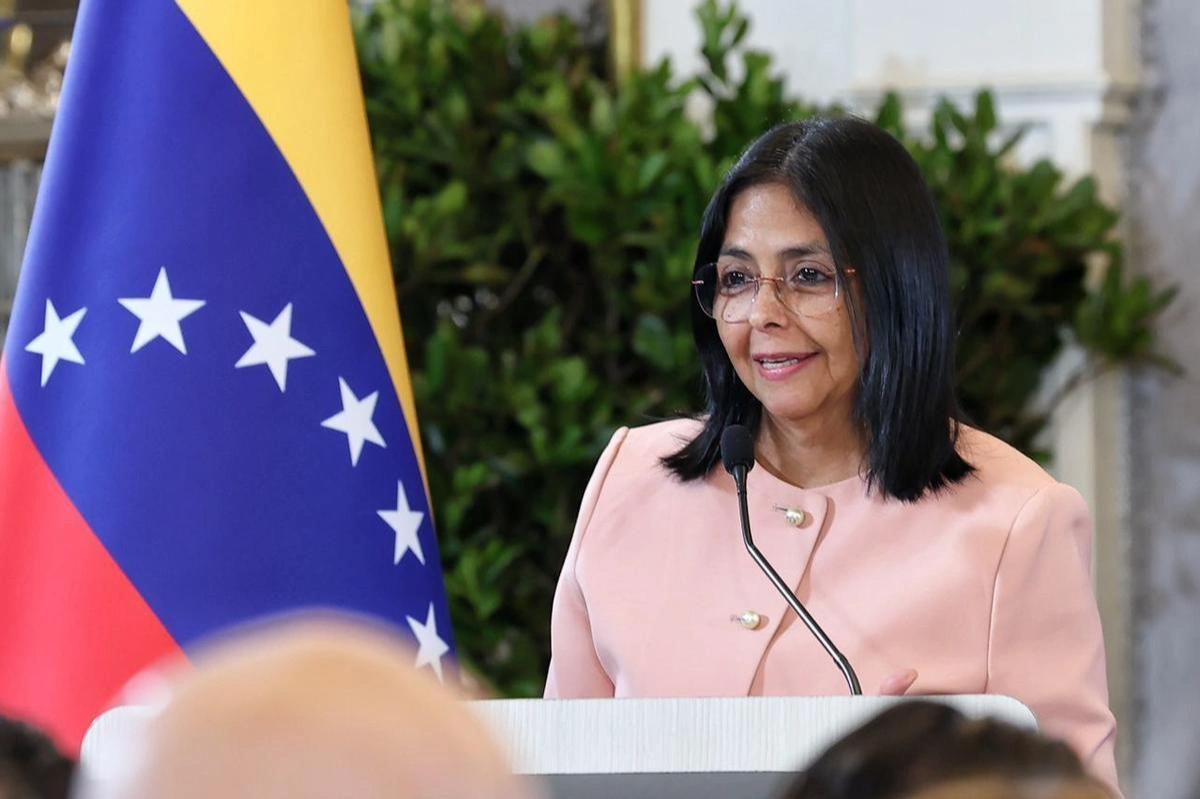
The request was presented in a letter released during the second 2025 ministerial conference of the OPEC+ alliance, where the vice dictator Delcy Rodríguez read the message addressed to the member countries.
In the document, Maduro accuses the United States of attempting to overthrow him and seize the "largest oil reserves in the world," and claims that the U.S. military deployment, which includes destroyers, fighter jets, and an aircraft carrier, places the stability of the Venezuelan oil industry and the global energy market "in grave danger."
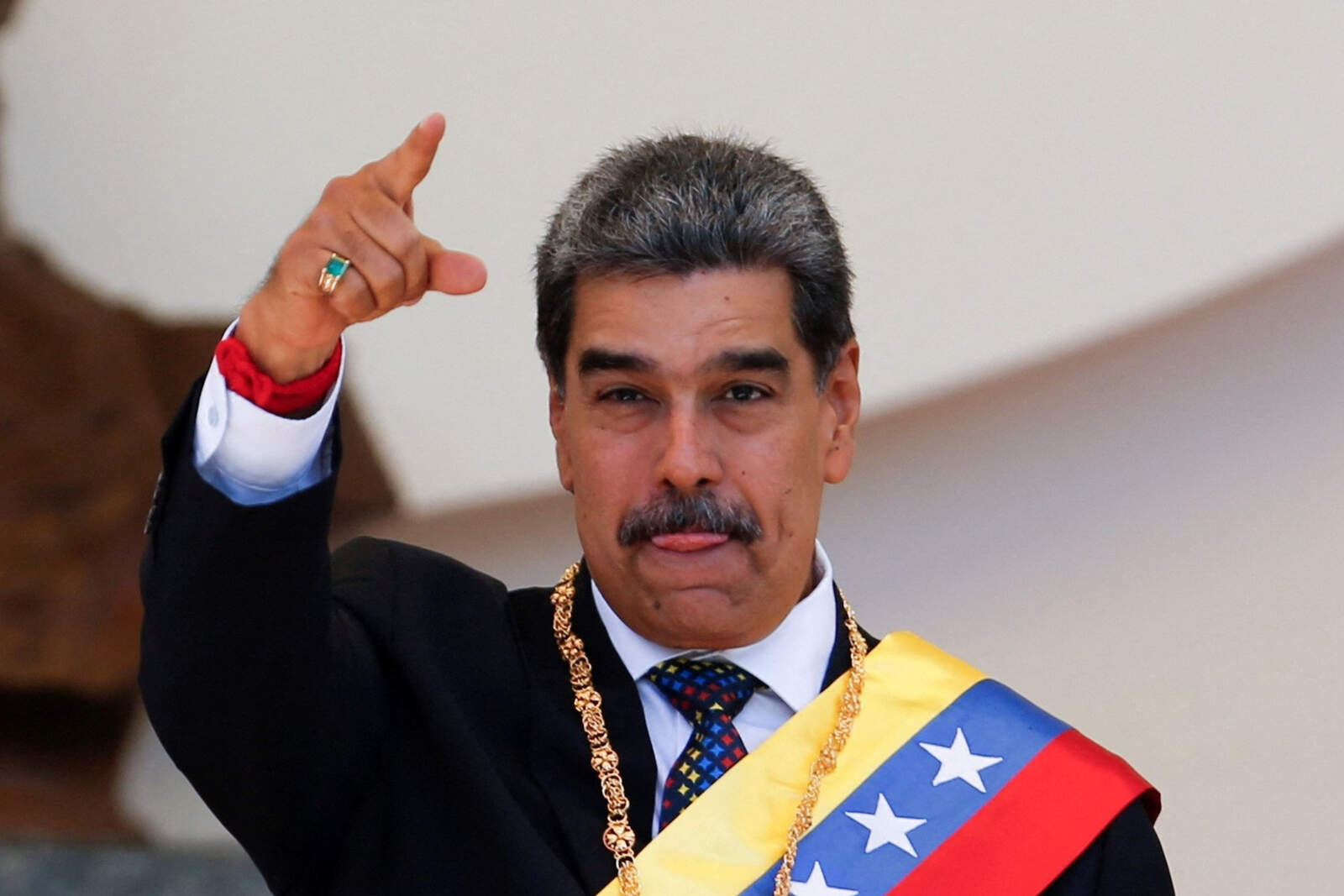
El dictador socialista de Venezuela acusó a Estados Unidos de querer derrocarlo para quedarse con sus reservas petroleras
However, this narrative repeats the usual pattern of the Chavista government, which tends to attribute problems that largely stem from years of mismanagement, corruption, and institutional destruction to the "external enemy."
The PDVSA crisis, whose collapse began long before the current tensions, is widely considered a result of political decisions made by the regime itself: appointments without technical qualifications, internal purges, chronic underinvestment, and opaque management that led the company, once one of the most efficient in the world, to operate today with deteriorated infrastructure and minimal production capacity.
Maduro's warnings about a threat to the global oil market contrast with reality: Venezuela no longer has the energy weight it had before the Chavista administration.
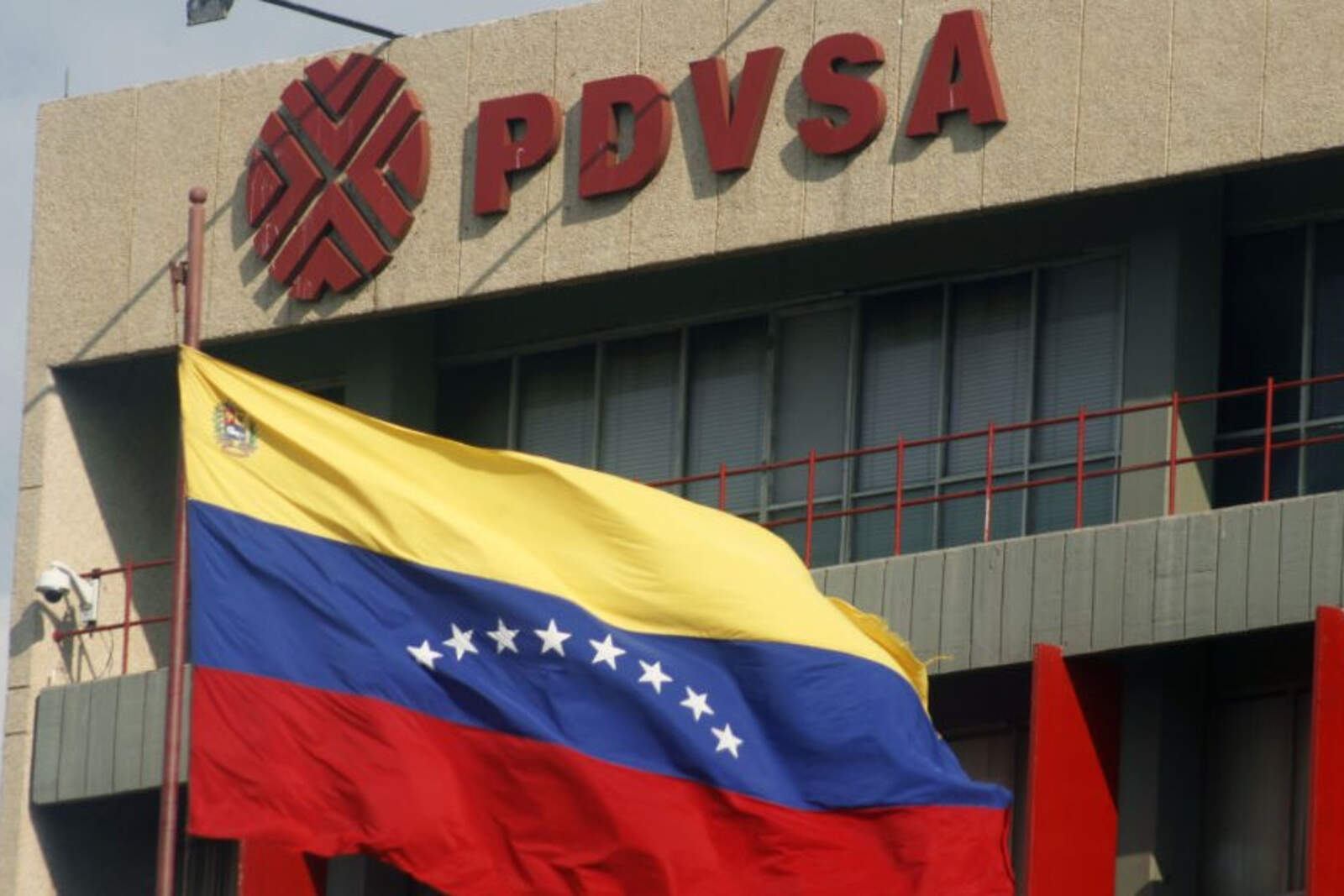
La crisis de PDVSA, causada por la dictadura de Maduro, ha sido determinante para explicar la situación actual de Venezuela
The international situation became even more complicated after the U.S. president, Donald Trump, declared that Venezuelan airspace should be considered "completely closed", which led Washington to issue an air alert due to increased military activity in the area.
Six international airlines suspended their flights to the country following the warning, and this Sunday the Russian travel agency Pegas Touristik did the same, canceling its operations to the island of Nueva Esparta.
The decision directly affects an already weakened tourism sector and hits Nueva Esparta especially hard, which since 2021 had benefited from tourism agreements with Russia that allowed thousands of visitors to arrive. Despite this new loss, Maduro's regime is trying to minimize the impact and keeps only two air routes to Russia, operated by the state-owned Conviasa.
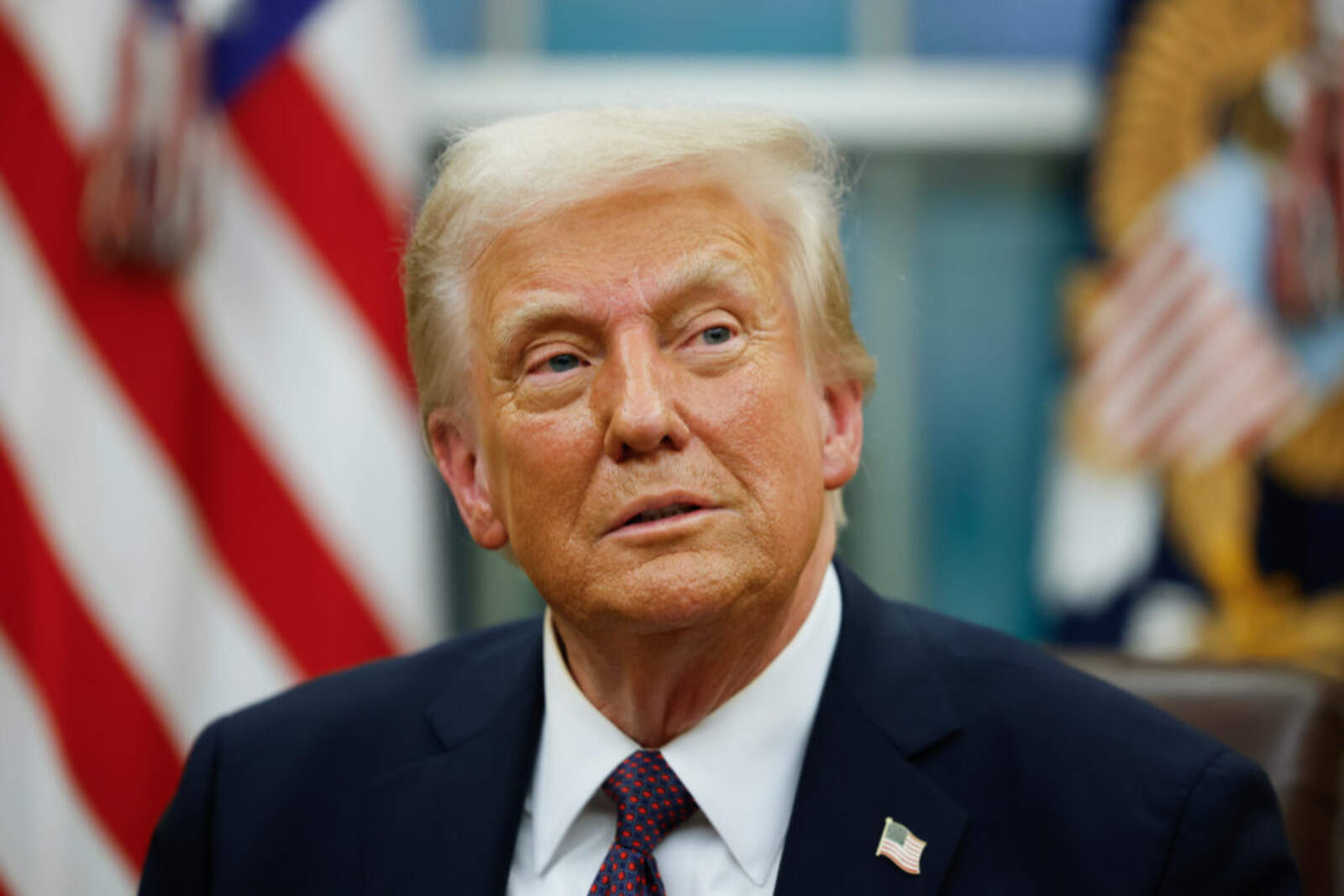
Trump declaró recientemente que el espacio aéreo de Venezuela se debe considerar totalmente cerrado
Although the official discourse insists on blaming the United States exclusively for the country's isolation, experts point out that the government's domestic policy, characterized by authoritarianism, violations of political rights, and lack of guarantees for investments, has been the main cause of Venezuela's international deterioration.
In this context, Maduro's call to OPEC translates more into an attempt to obtain political legitimacy among his allies than a concrete strategy to address the economic, energy, and diplomatic crisis the country is experiencing.