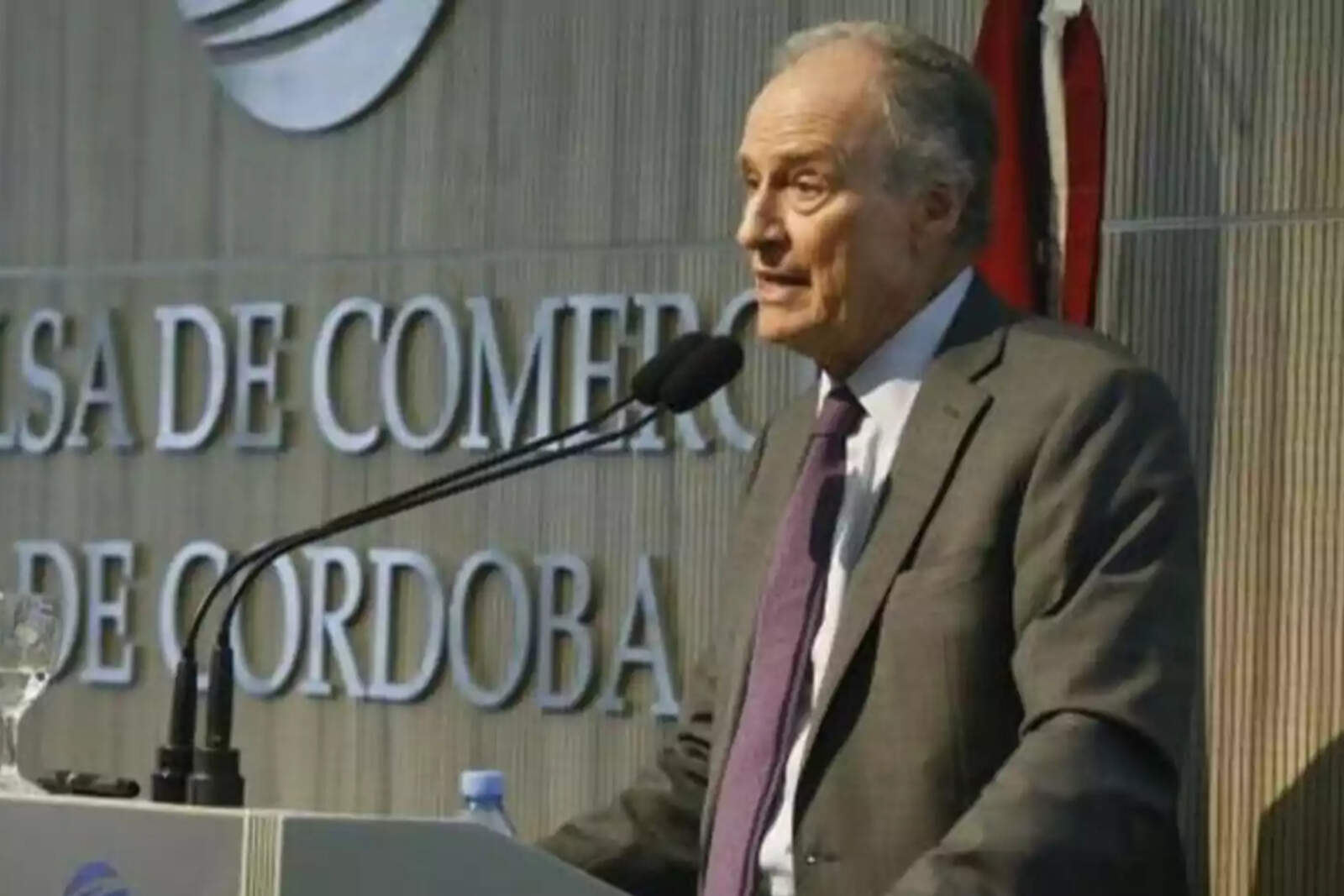
In Córdoba, the president of the local Stock Exchange, Manuel Tagle, described the historic trade agreement as "an extraordinary step" that will allow the country to rejoin the world.
"I'm very liberal, we've been defending these ideas from the Stock Exchange and I believe the agreement is an extraordinary step," stated the head of Grupo Autocity.
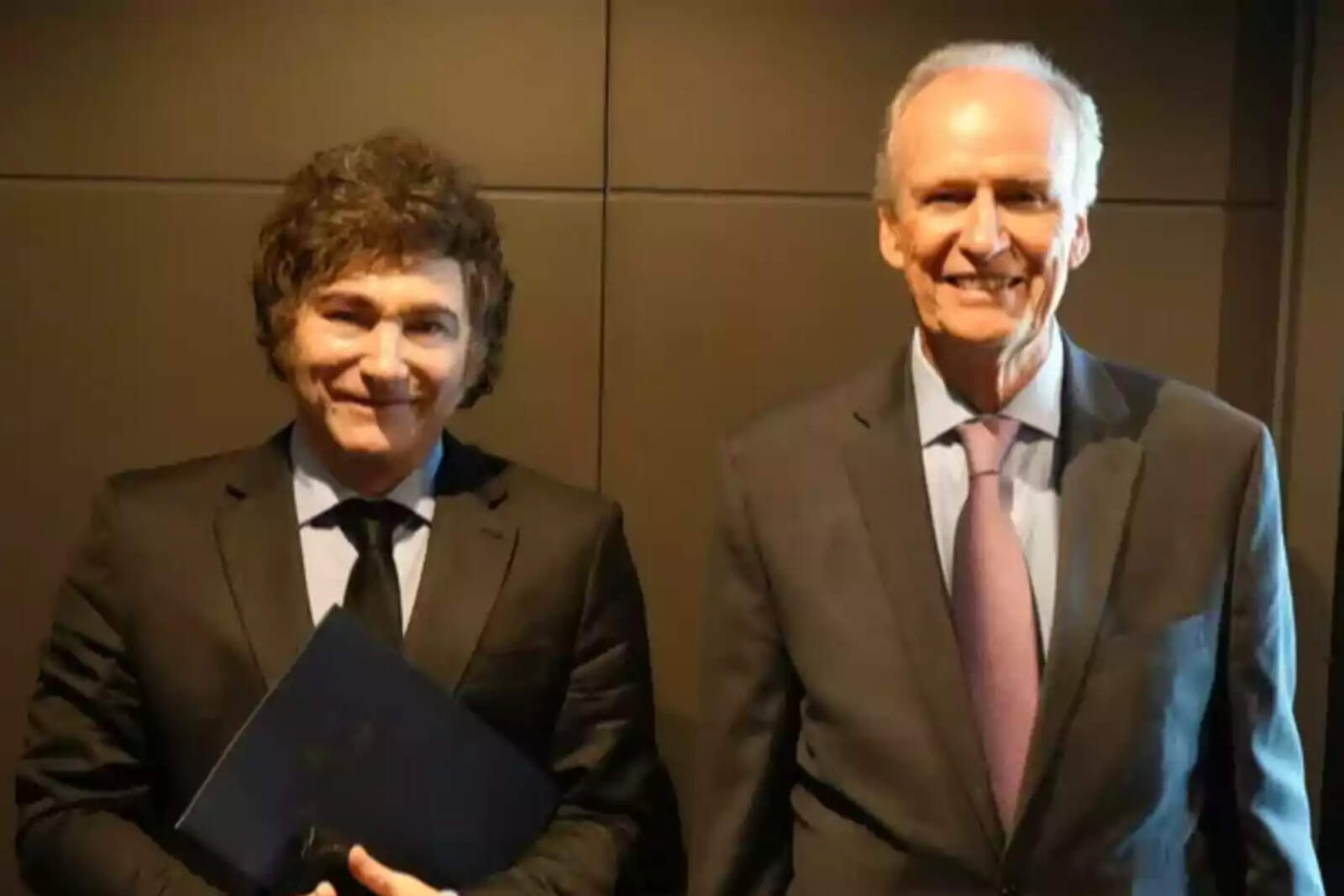
El presidente Javier Milei y Manuel Tagle.
"I believe that what President Milei has done, with the support he received from the United States, first financially and by giving backing to a country like ours, due to liberal ideological affinities, has truly been a gigantic step, something unprecedented in the world," he added.
"This free trade agreement is yet another step, which means that Argentina is beginning to integrate into the world in a serious and decisive way. One only needs to look at our supermarket shelves, compared to the shelves of open countries, such as Uruguay, Chile, or let's say the United States, the diversity of products available and the prices," he added to Cadena 3.
Manuel Tagle's praise for Milei's administration
Tagle praised President Milei's administration by pointing out that "I believe Argentina must take this step no matter what and integrate with the appropriate prudence. I believe that Milei will do it because he's orthodox in ideological matters, but he's pragmatic at the same time. He's not a person who's destroying Argentina's productive structure with these decisions."
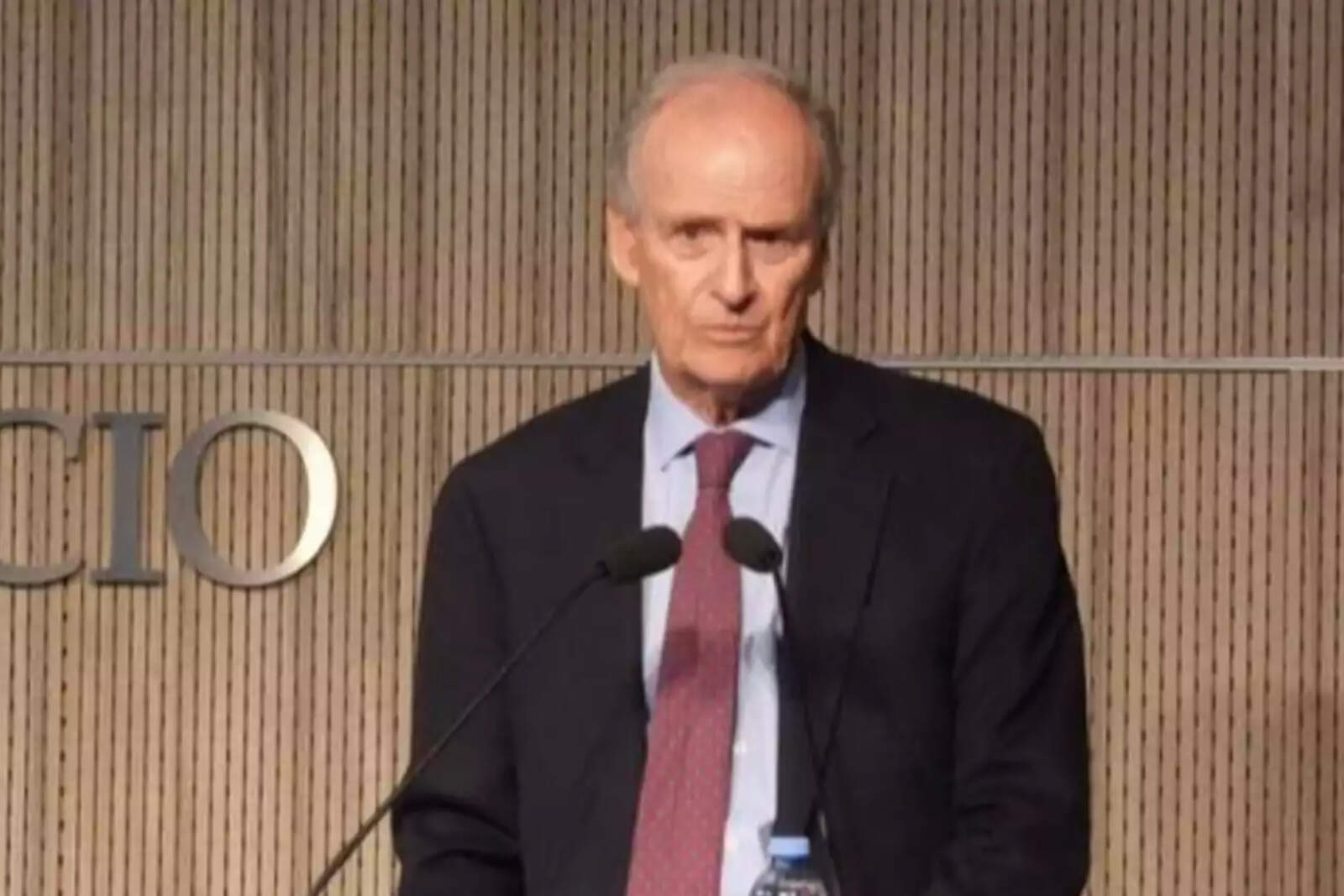
Manuel Tagle elogió el acuerdo con Estados Unidos.
"The October 26 elections were categorical and provided extraordinary momentum for the government to be strengthened, to be validated by the Argentine people, with a liberal policy and an adjustment plan that we thought society wouldn't support, yet it did. So, I believe that this is a unique situation in the last 100 years of the country's history," he stated.
Manuel Tagle and the upcoming economy in Argentina
Regarding the upcoming economy, Tagle pointed out that businesspeople "have to be willing to invest. We sell cars and we know our margins will decrease, we know we're going to make less money than with the demagogic populism of Kirchnerism. Back then, we made money more easily."
"Now we have to compete, now we have to lower prices because there's more supply and we have to be more efficient, but what we businesspeople can't do is choose policies that benefit us and harm 52% of Argentines who were poor until two years ago under the Kirchnerist government," he continued.
"That's unacceptable, we really have to integrate that part of Argentine society into the productive process, that workforce, and have them start becoming registered workers as will happen with labor reform, and have them truly become dignified people from a labor standpoint, with protection, with a health plan, retirement protection, and at the same time be able to integrate into the productive process," he concluded.