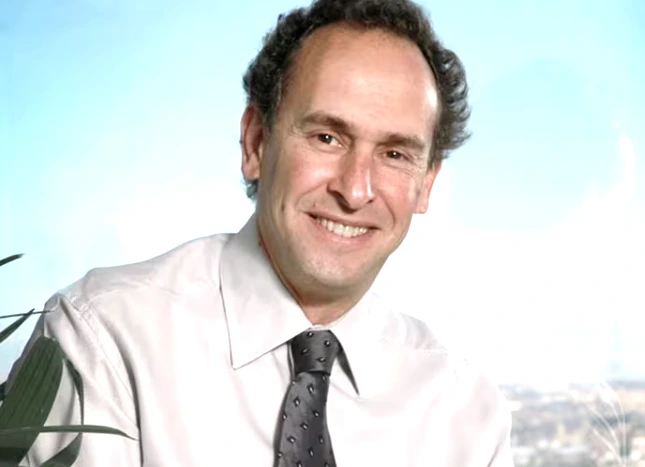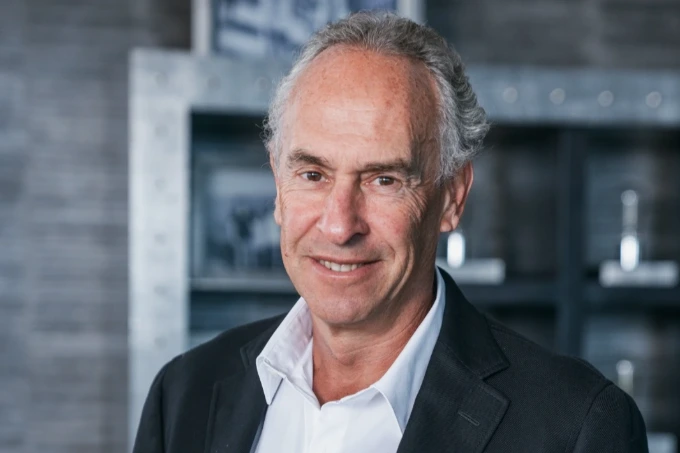

Marcelo Mindlin has become one of the entrepreneurs who most clearly bet on the new economic cycle in Argentina. Through Pampa Energía, TGS, Sacde, and other companies in the Emes Group, the businessman committed direct and indirect investments of around US$15 billion, a large part of which is related to energy, infrastructure, and production.
The latest major operation was the acquisition of Loma Negra, the country's leading cement company, which added to his growing business network. Mindlin became the majority shareholder along with the Redwood and Moneda-Patria Investments funds, in a bet that seeks to take advantage of the expected growth in construction and infrastructure due to the new economic scenario.
During the celebration for Loma Negra's 100th anniversary, Mindlin highlighted precisely the opportunities generated by the new investment regime promoted by the government of Javier Milei. Argentina has nearly US$150 billion in projected investments under the RIGI, according to the businessman, and these projects will require large quantities of cement, energy, and other strategic inputs.
A Million-Dollar Bet on Vaca Muerta
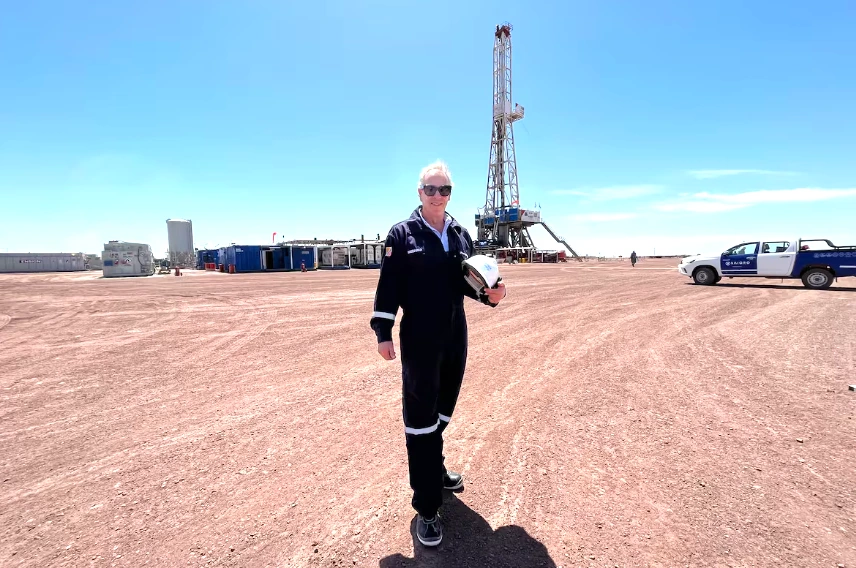
The main driver of Mindlin's expansion is energy. Pampa Energía joined the Incentive Regime for Large Investments (RIGI) to develop Rincón de Aranda, one of the major oil projects in Vaca Muerta, with an investment exceeding US$4.5 billion.
The field already produces about 27,000 barrels per day and aims to reach 45,000 barrels per day by 2027. The growth in production will also allow for increased Argentine exports and generate revenues of over US$1.2 billion annually.
The bet does not end with oil. Through TGS, Mindlin allocated US$700 million to expand the Perito Moreno gas pipeline and plans another US$3 billion to build infrastructure for processing and exporting natural gas liquids from Bahía Blanca.
Additionally, there is an investment of US$2.7 billion from Fértil Pampa to build the largest granulated urea plant in the region in Bahía Blanca. The project will use gas from Vaca Muerta and aims to reduce Argentina's dependence on imported fertilizers.