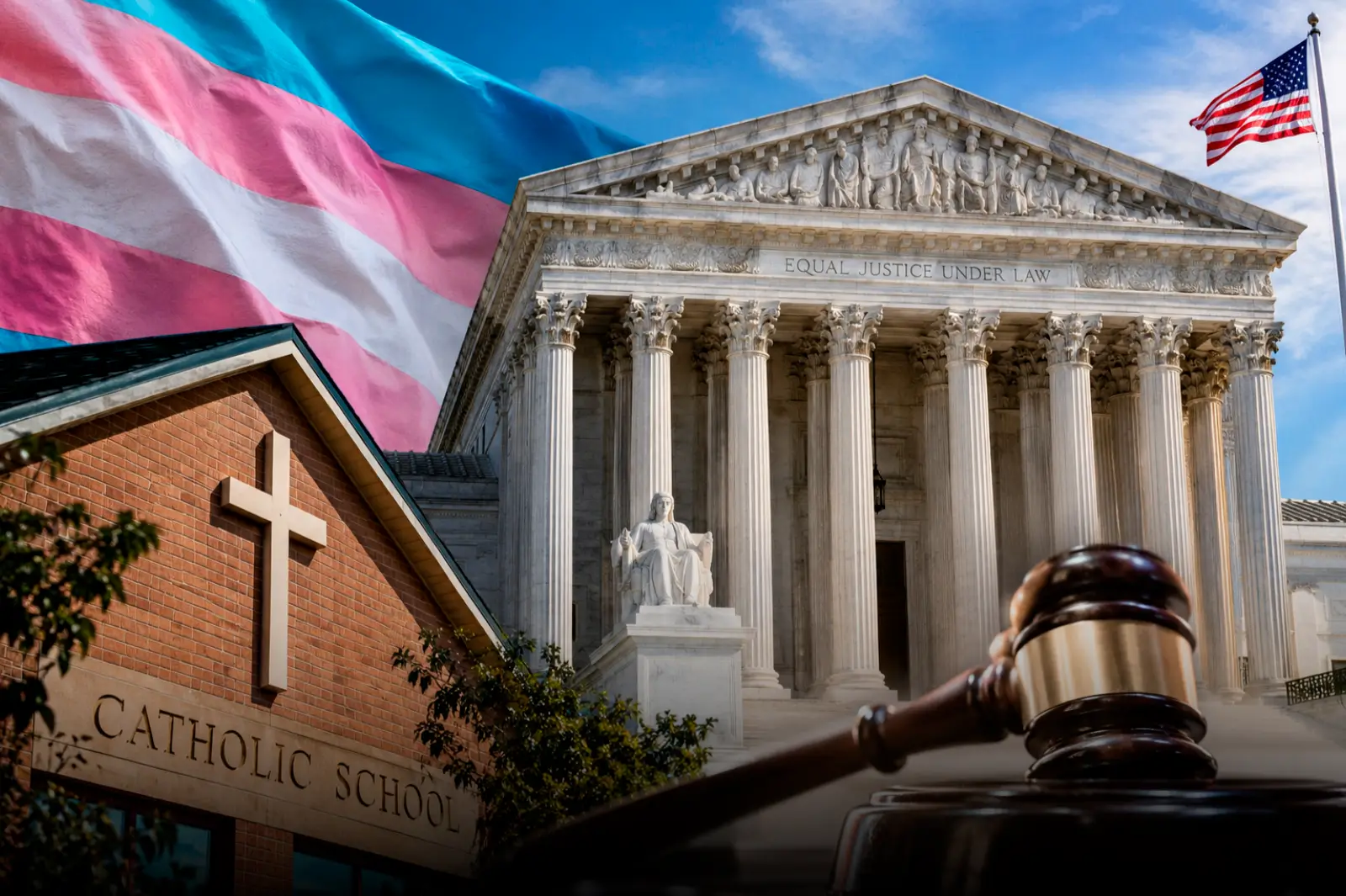
The Supreme Court of the United States showed signs on Tuesday of support for several Catholic institutions that challenged the conditions imposed by Colorado to participate in a public preschool education program. During a hearing, the conservative justices questioned whether the state forces religious centers to sign a non-discrimination commitment related to sexual orientation and ''gender identity'' of students and their parents, under the threat of excluding them from public funding.
The case pits religious freedom protected by the First Amendment against the state's anti-discrimination policies. At the center of the controversy is the ''Universal Preschool'' program, launched in 2023, which offers 15 hours a week of free preschool education to all four-year-old children in Colorado.
The initiative allows participation from public, private, and religious establishments, but requires that all sign an agreement committing to not condition the enrollment of minors on the sexual orientation or gender identity of their parents or the students themselves.
The U.S. Supreme Court gave a nod to Catholic schools in Colorado in the face of a court dispute against the state for attacking religious liberties
The Archdiocese of Denver and several Catholic parishes believe that this requirement violates their religious convictions and constitutes a form of discrimination against faith-based institutions. The argument is that the government cannot force them to abandon their doctrinal principles as a condition for accessing a public benefit available to other educational establishments.
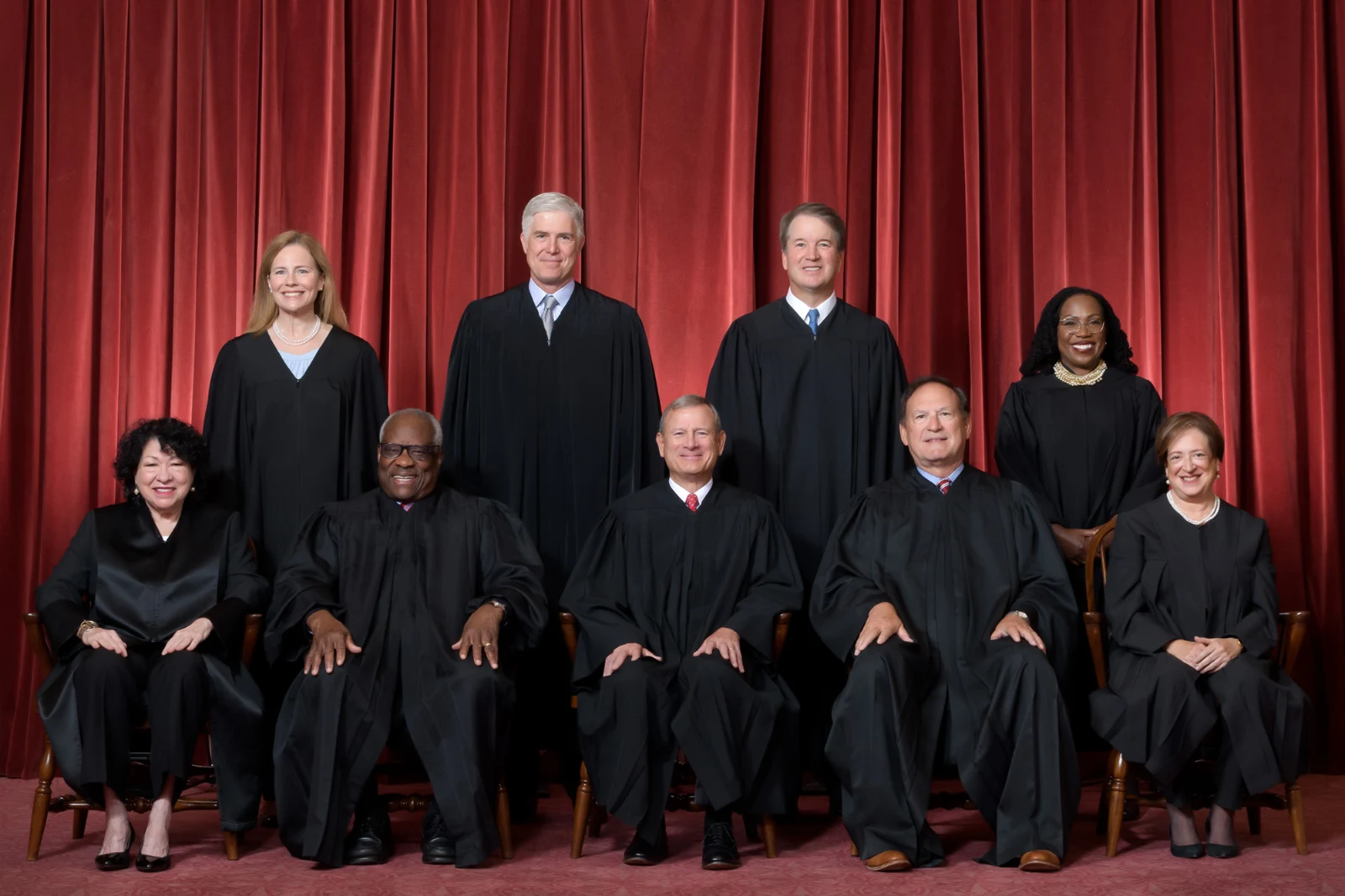
During the hearing, Justices Samuel Alito, Neil Gorsuch, Brett Kavanaugh, and Amy Coney Barrett questioned different aspects of the state regulation. The Chief Justice, John Roberts, also expressed doubts about the arguments from both sides, although he raised questions about the scope of the protection requested by the schools.
Gorsuch suggested that Colorado might be using an administrative requirement to evade previous Court decisions that protected religious institutions against restrictive state policies. ''The Constitution tends to deal with substances, not shadows and procedures,'' he noted.
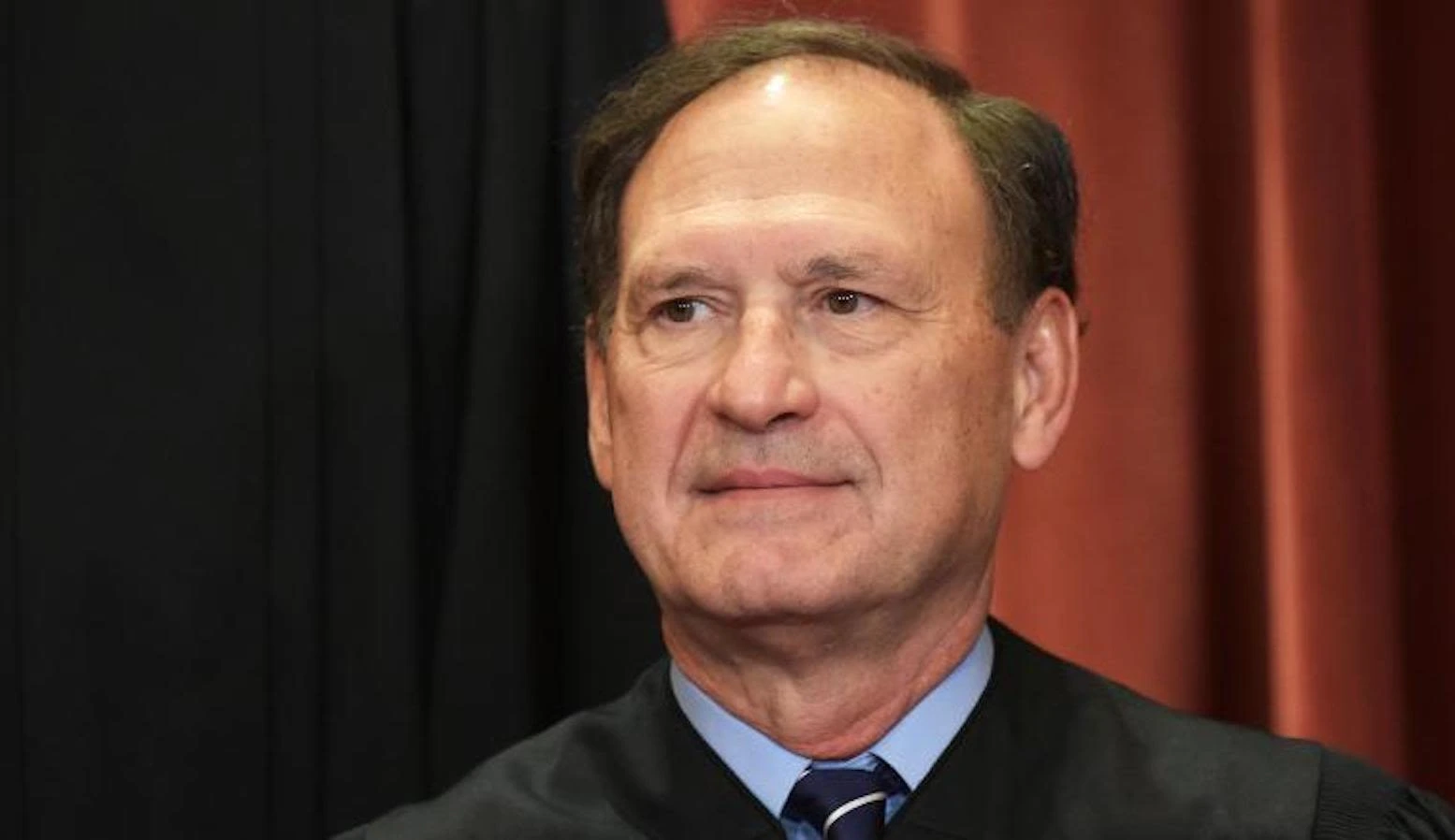
Samuel Alito, along with other conservative judges, extensively questioned state legislation.
For his part, Kavanaugh questioned why the state allows centers to establish admission preferences for secular reasons, but does not contemplate an equivalent exception for religious institutions. ''You can have a vegetarian school, but you can't have a Catholic school,'' he stated.
Barrett also doubted Colorado's justification and noted that she found it hard to imagine that the regulation served any purpose other than to affect religious establishments.
The legal controversy revolves around two precedents from the Supreme Court. In ''Sherbert v. Verner'' (1963), the highest court established that the government cannot withdraw public benefits from a person because of their religious practices, unless it demonstrates a sufficiently strong justification. In contrast, in the ruling ''Employment Division v. Smith'' (1990), it determined that neutral and generally applicable laws can be upheld even when they affect certain religious beliefs.
Colorado schools argue that the state cannot take public benefits away from people because of their religious ideals
The parishes requested that the Smith precedent be overturned, although the Court decided not to directly address that issue at this instance. Alito, who previously advocated for the elimination of that doctrine, clarified that he would not request its revocation during this hearing.
The Democratic justices Sonia Sotomayor, Elena Kagan, and Ketanji Brown Jackson defended Colorado's position. Sotomayor asked whether institutions would reject a child solely because their parents were homosexual. The parishes' attorney, Nicholas Reaves, responded that a refusal could be allowed when it constituted a sincere religious exercise.
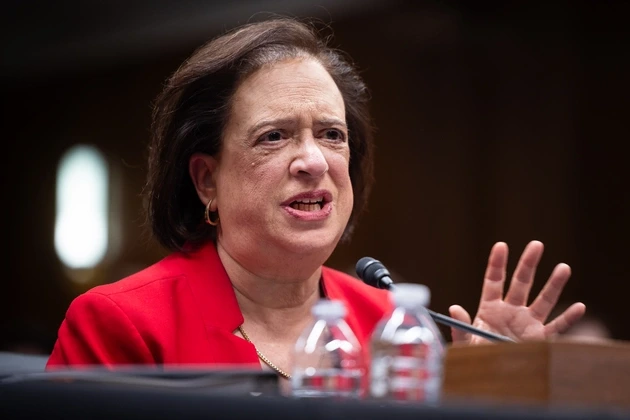
Kagan questioned whether the schools intended to receive preferential treatment, while Jackson argued that there was not a sufficiently clear distinction between a religious objection to same-sex couples and a potential exclusion for racial reasons.
Progressive judges, on the other hand, lined up behind the state government's disastrous stance
The administration Trump intervened in favor of the parishes. The Department of Justice argued that current precedents on religious freedom present contradictions and requested stricter protections for believers participating in public benefit programs.
The lawsuit was filed in 2023 by ''St. Mary Catholic Parish'', ''St. Bernadette Catholic Parish'', the Archdiocese of Denver, and Catholic parents Daniel and Lisa Sheley, after Colorado rejected a request for a religious exemption.
The archdiocese operates 34 preschool centers and seeks to maintain the ability to admit families that agree to respect its Catholic teachings on sexuality and gender. The plaintiffs also noted that the state provides exceptions for certain providers, including those serving children with disabilities, but refuses to offer an equivalent consideration for religious reasons.
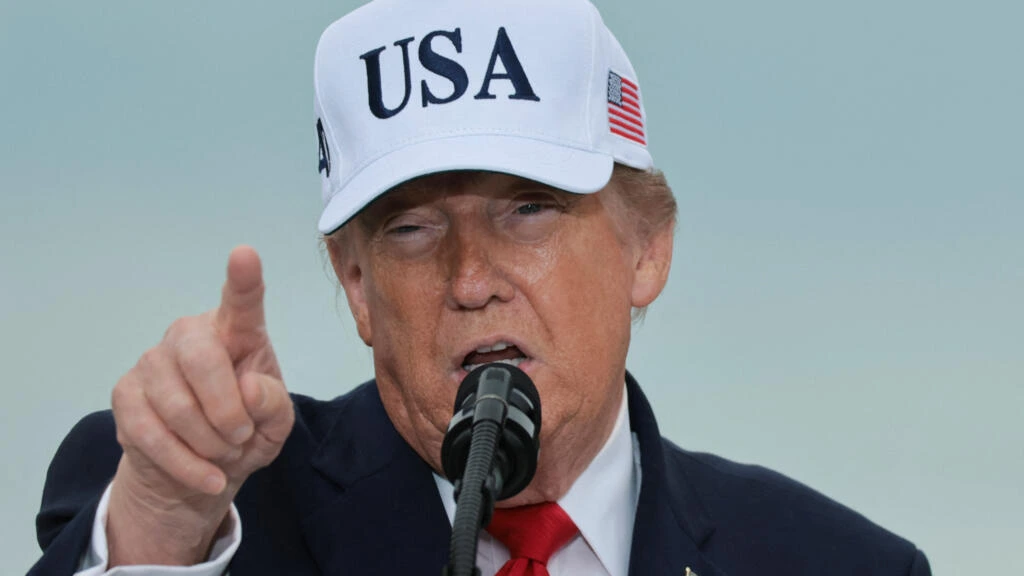
The Trump administration sided with Catholic schools and called for greater protections for believers
Lower courts rejected the request for a permanent ban on the state requirement. Now, the Supreme Court's final decision could set an important precedent on the limits of government power to impose conditions on religious institutions receiving public funds.
Since 2018, Colorado has lost three significant disputes before the highest court related to LGBT protections and religious or expressive freedom. The most recent occurred in March, when the justices ruled 8-1 against the application of a state ban on conversion therapies to the conversations of a Christian counselor.
The ruling in ''St. Mary Catholic Parish v. Roy'' is expected by the end of June. The outcome could determine whether religious institutions must renounce fundamental principles of their doctrine to participate in taxpayer-funded programs.