The naval blockade halted Iranian exports by about USD 25 billion and left the regime without loading crude onto tankers during September; nonetheless, it warned that Washington will respond if they cross its red lines
In light of the evident success of the U.S. stance, European allies of the G7 showed their usual diplomatic caution. During the two days of meetings in Paris, representatives from Europe urged Marco Rubio to avoid a new military escalation. The French Foreign Minister and host of the event, Jean-Noël Barrot, acknowledged that the risk of greater conflict “has not been completely ruled out”, adding: “Otherwise, we would not have dedicated so much time and energy in the last two days” to the matter with Marco Rubio and the leadership of Qatar.
For his part, the United Kingdom minister, Ed Miliband, called for a “total diplomatic effort” after warning that the state of “neither war nor peace” generates instability. Ed Miliband stated that “the status quo is economically bad for us and is not a stable balance”, demanding the complete reopening of the Strait of Hormuz, a key maritime passage through which before the war one fifth of the oil and gas traded globally passed.
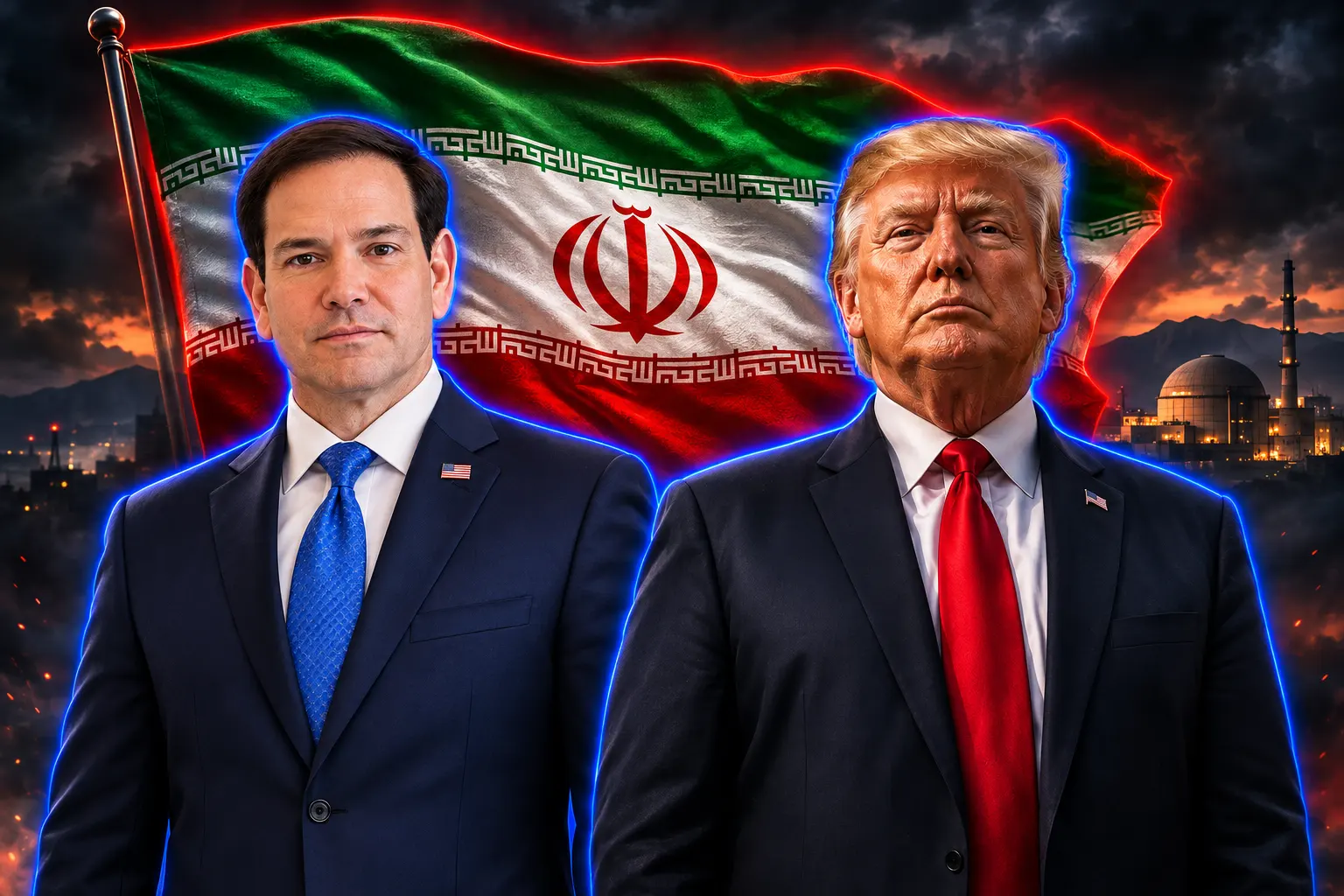
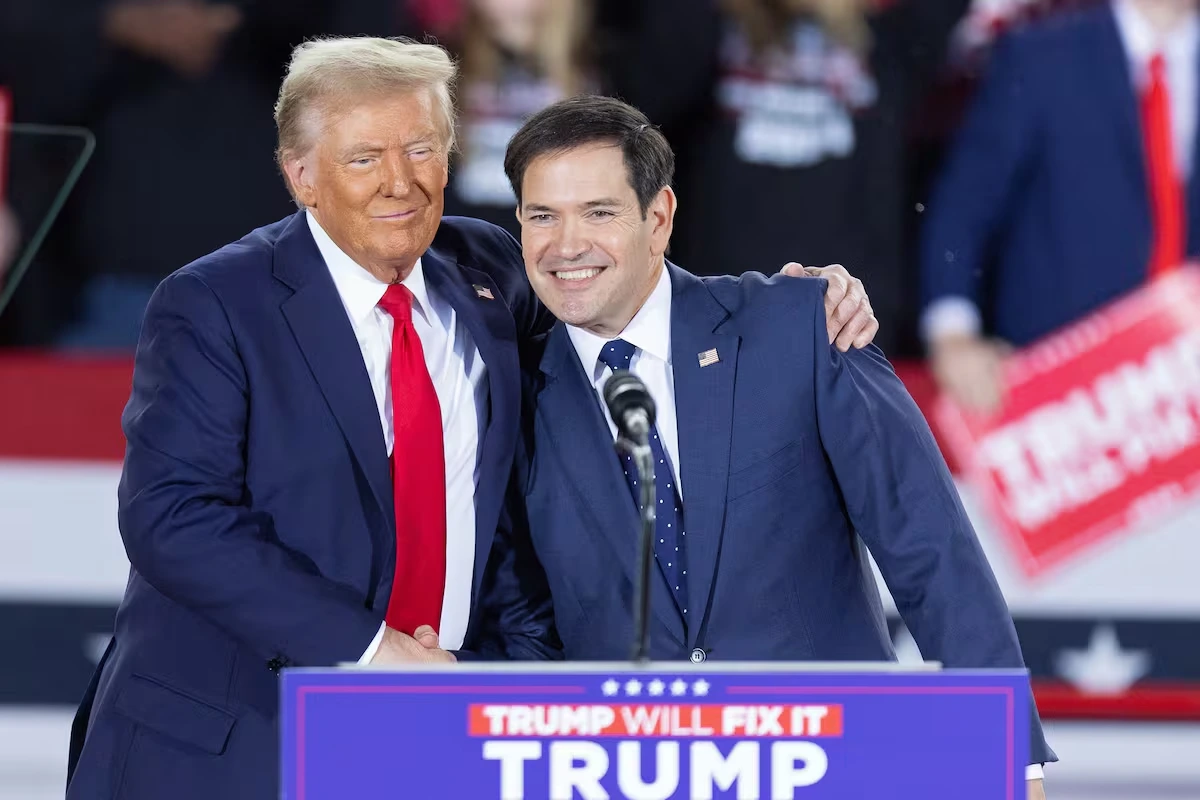
Donald Trump and Marco Rubio
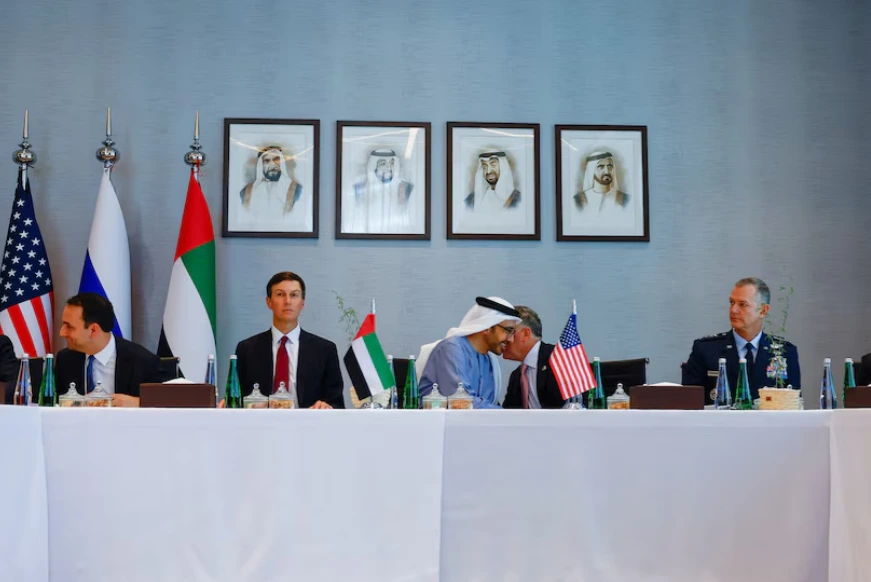
In an off-agenda meeting, the Prime Minister and Foreign Minister of Qatar, Sheikh Mohammed bin Abdulrahman Al Thani, held parallel meetings at the G7 with the Foreign Ministers of the United Kingdom, France, Germany, Italy, and Saudi Arabia. The previous Monday, Sheikh Mohammed bin Abdulrahman Al Thani had personally met with President Donald Trump at the White House (the first meeting of the U.S. president with a foreign leader after the legislative elections on November 3), during which Donald Trump highlighted the push towards the end of hostilities.
The timeline of events that have led the Iranian regime to its current crossroads is detailed below:
February 28: The war began with bombings by the United States and Israel that neutralized the Iranian supreme leader, Ali Khamenei. Iran responded with attacks on U.S. targets, Gulf nations, and merchant vessels, effectively closing the Strait of Hormuz. April 8: A ceasefire was agreed upon with the mediation of Pakistan. April 13: After talks in Islamabad failed, the United States established a blockade of Iranian ports. June 17: A memorandum of understanding was signed that temporarily lifted the naval measure. July 7: Hostilities resumed and fighting for control of the Strait of Hormuz began. July 14 (one week after hostilities resumed): the United States reimposed the naval blockade, which remains fully active and has suffocated the finances and logistics of the Iranian regime.
In a strong display of geopolitical firmness, the administration of President Donald Trump has dealt a decisive blow against tyranny in the Middle East. The Secretary of State of the United States, Marco Rubio, stated this Tuesday, during the G7 Foreign Ministers summit held at the George C. Marshall Center of the Talleyrand Hotel in Paris, France, that Washington does not need to resume large-scale combat operations against Iran. The reason is categorical: the economic strangulation driven by the White House through relentless sanctions and a tight naval blockade is completely dismantling the structure of the Iranian regime.
During his remarks to the media in Paris, Marco Rubio made it clear the absolute effectiveness of the economic strategy of the Trump administration. “The economic campaign is so devastating that at this moment there is no need for large-scale combat operations”, stated the head of U.S. diplomacy. Marco Rubio explained that President Donald Trump concluded that the United States achieves “the same objective by economic means”.
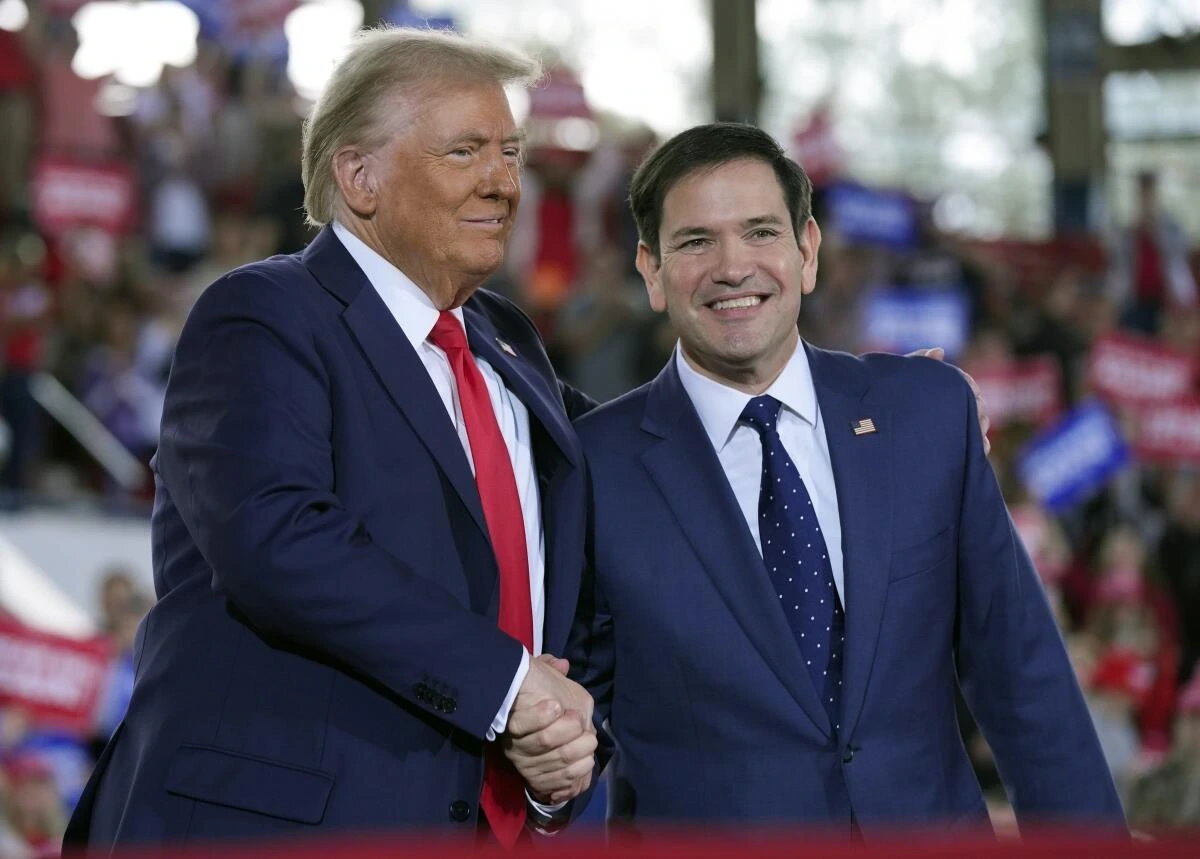
Donald Trump and Marco Rubio
However, the Secretary of State warned that the military option remains intact on the table: if the theocracy of Tehran dares to cross the “red lines”, U.S. armed forces “are ready” and the regime will pay “a terrible price”. Official figures confirm the financial collapse of the Iranian regime under the rigor of U.S. measures. Marco Rubio emphasized that “the economic pain being inflicted on Iran and that regime is extraordinary and grows every day”. The figures of the trade strangulation are compelling:
Before the conflict, Iran exported nearly 2 million barrels per day of crude oil. In September, the theocracy failed to load oil onto any tanker, according to maritime tracking data from Bloomberg. The U.S. Central Command (Centcom) estimates that the naval blockade has halted Iranian exports worth USD 25 billion.
In terms of diplomatic negotiations, Marco Rubio was realistic but inflexible in light of the lack of seriousness from Tehran authorities. “Iran would love an agreement. The problem is that the conditions they keep putting forth are absurd. They are not even serious. But that could change”, stated the Secretary of State. These remarks come after last week Mohsen Rezaei, Secretary of the Supreme National Security Council of Iran, attempted to condition Washington by demanding the acceptance of seven unacceptable conditions.
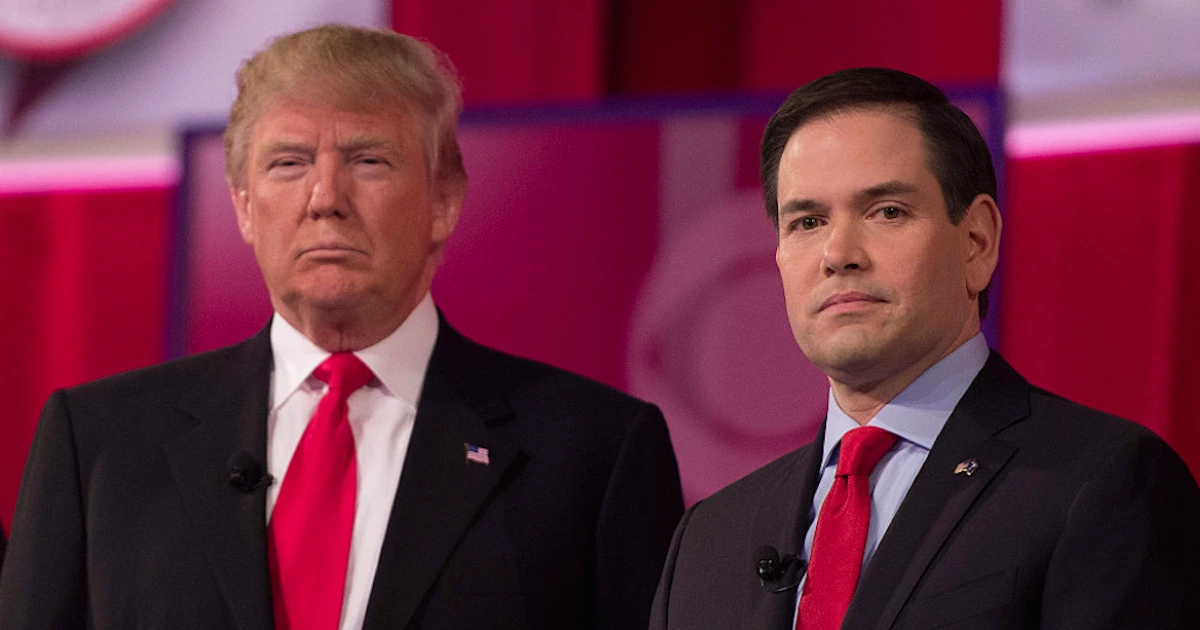
Donald Trump and Marco Rubio
Reinforcing the strategic superiority of U.S. policy, Marco Rubio argued that time is on the side of the firm economic pressure exerted by Donald Trump: “Sooner or later, you have to eat, you have to pay your own fighters, your own security forces”. And he stated unambiguously: “In the end, economic realities penetrate the skull of the most radical lunatic”.