The founder of Mercado Libre expressed his anger through a post on social media
Nuevo
Agregar La Derecha Diario en
Compartir:
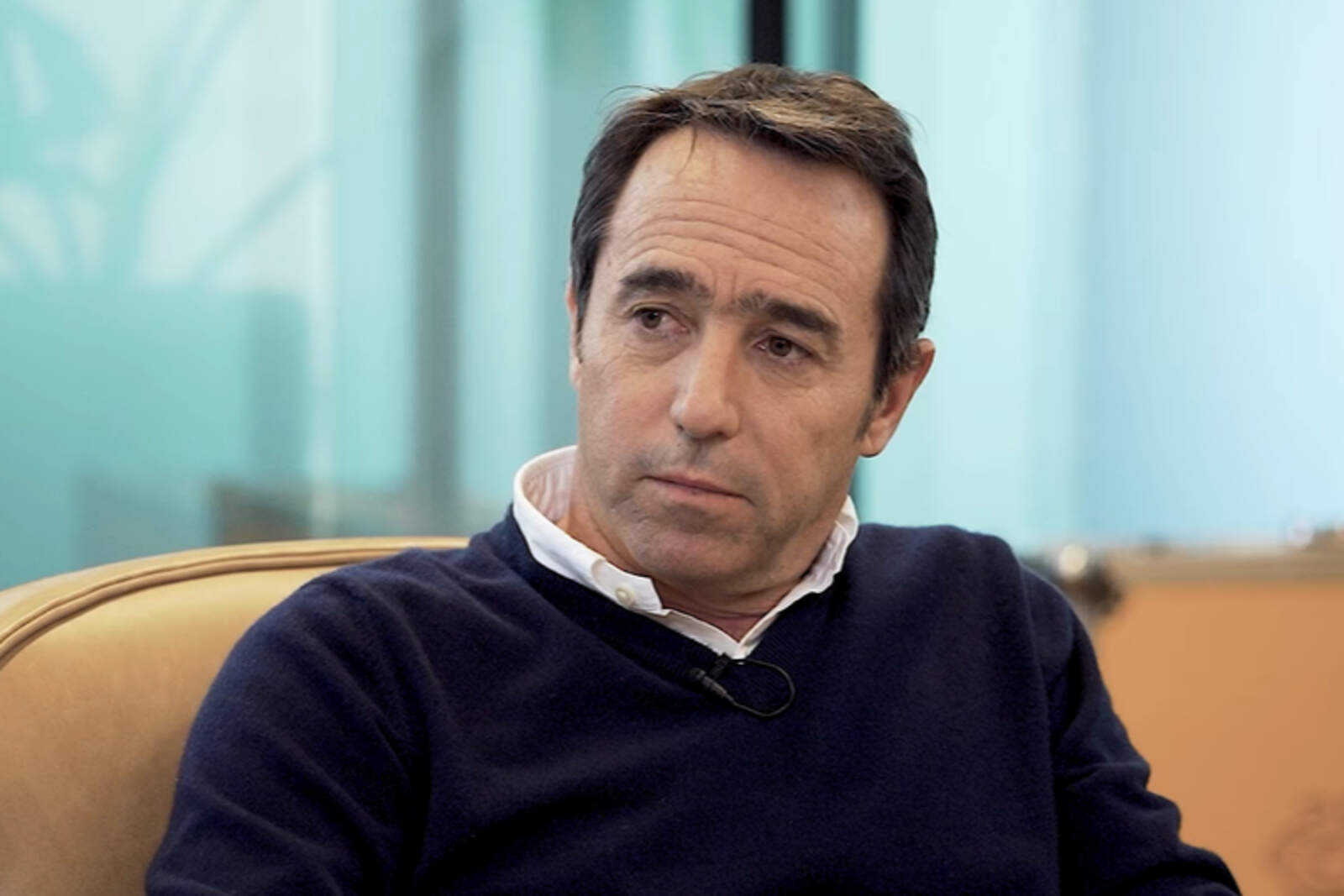
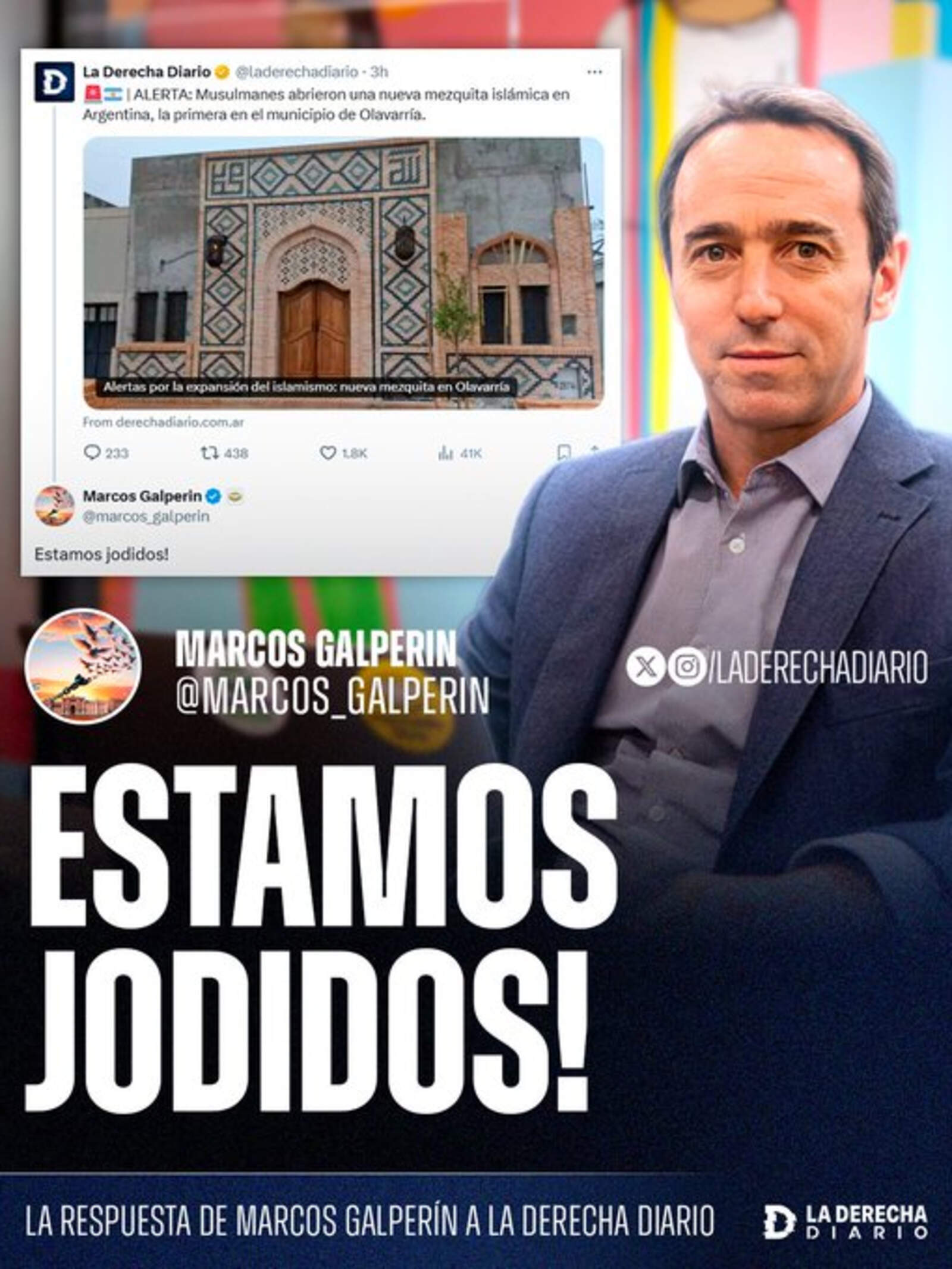
The founder of Mercado Libre, Marcos Galperin, lamented the opening of the first Islamic mosque in the Buenos Aires municipality of Olavarría, approved by the government of Axel Kicillof.
In response to a post by La Derecha Diario, where the news was reported, the Argentine businessman expressed his anger: "We're screwed!".
This is not the first time Galperin has spoken out about this dangerous religion and its negative effects on countries. A few months ago, he also criticized the growing weight and influence of illegal Muslim immigration in Europe.
Through his account on the social network X, the founder of Mercado Libre had stated that "currently, it seems that the first two Islamic countries to have nuclear weapons will be France and the United Kingdom. The West should plan accordingly".
El fundador de Mercado Libre, Marcos Galperin
He later clarified: “Let me correct that statement: it seems that the next two Islamic countries to have nuclear weapons, after Pakistan, will be France and the United Kingdom”.
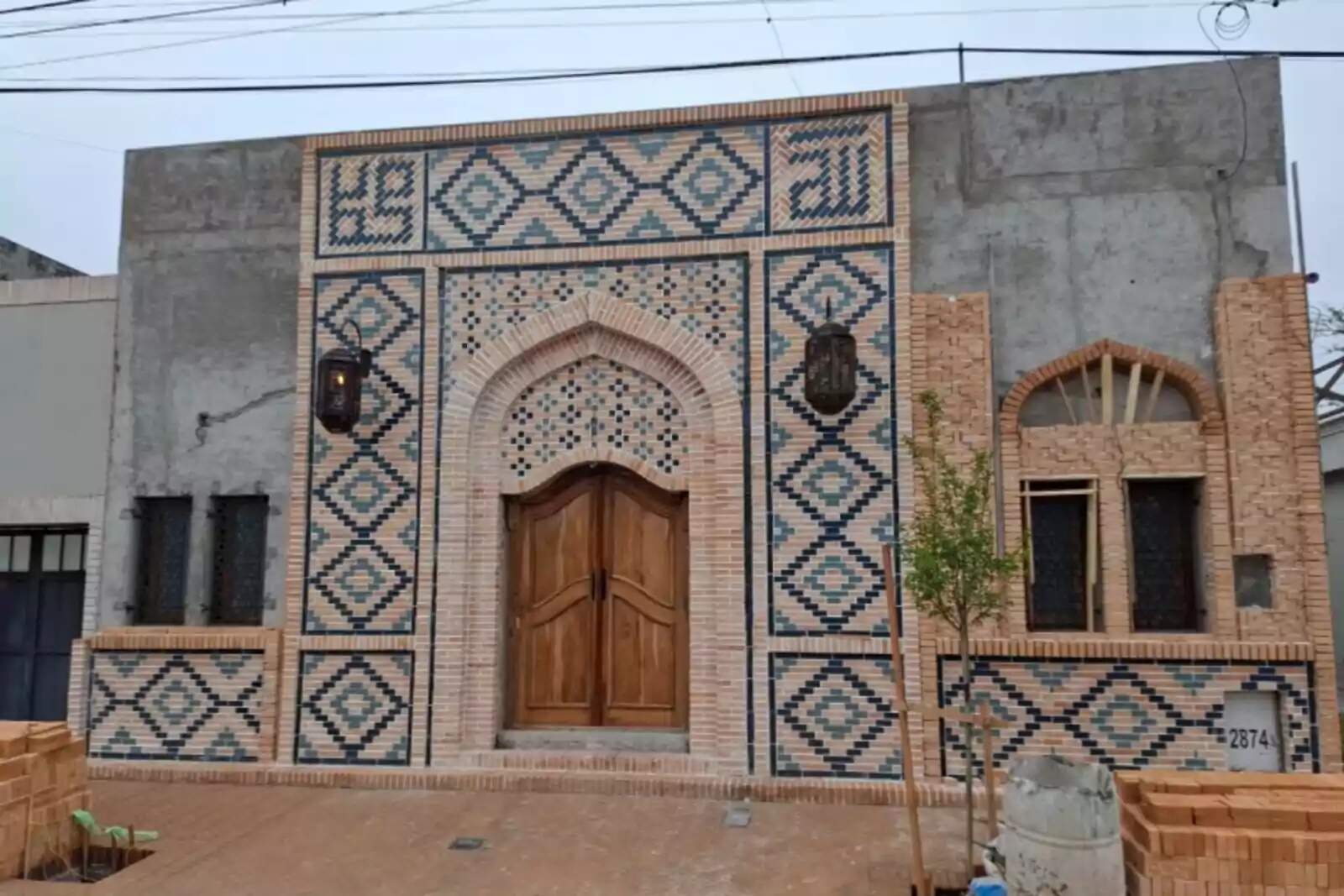
The inauguration of the first mosque in Olavarría
The recent inauguration of the first mosque in Olavarría, led by a Sufi master who arrived from Türkiye, once again raised alarms about the advance of Islamic religious structures in the interior of Argentina. Although the opening, held last Monday, was presented as a gesture of plurality, security experts and regional analysts warn of risks of radicalization or covert indoctrination.
The event was attended by the leader of the Naqshbandi order, Mawlana Shaykh Muhammad Adil Efendi, who arrived from Istanbul as part of a tour of South America. His visit to Argentina, Brazil, Chile, and other countries is part of a network for the expansion of Islamic branches promoted from abroad.
La primera mezquita en Olavarría
“The idea of building a mosque in Olavarría is old. We Muslims have been here for 16 years, I am a native of here and we brought Islam in March 2010. It starts on that date in quotes, because there are people here who are Muslim and are not aware of it,” said Yasuf, a member of the community. In a global context marked by the resurgence of religious essentialisms, the arrival of international figures to small communities in the country doesn't go unnoticed.
Argentina keeps diplomatic relations with nations where political Islam has institutional weight —such as Iran or Türkiye—, and there have already been worrying precedents. In 2013, reports from the Intelligence Secretariat (SIDE) mentioned the possible infiltration of agents linked to the Iranian regime in cultural centers in the Buenos Aires metropolitan area. The terrorist attack against AMIA remains an open wound that reminds of the need for active vigilance in the face of any network with opaque international ties.