The government will implement a joint plan with the provinces to prevent the waterway from being used for drug trafficking
Compartir:
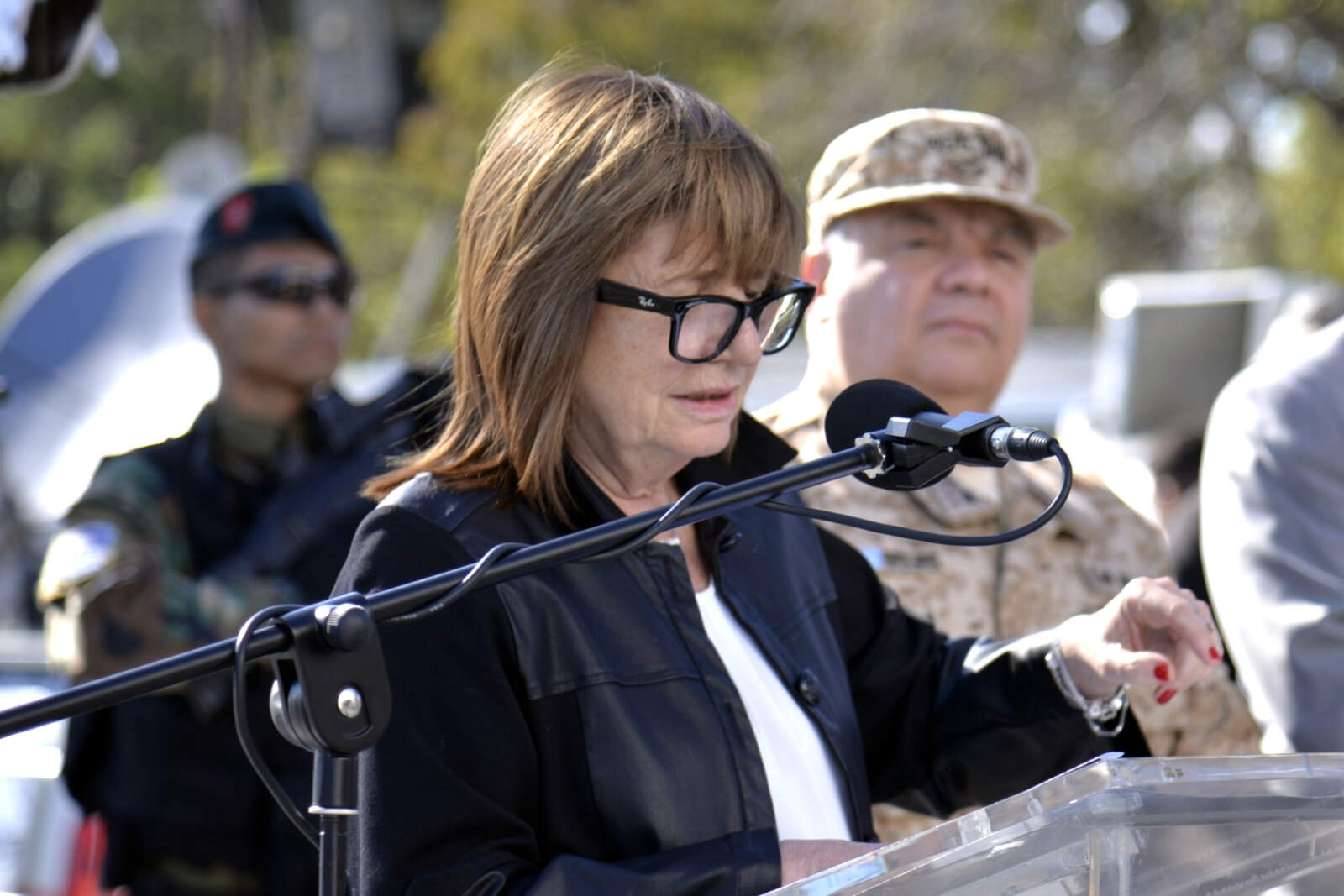
Security Minister Patricia Bullrich presented the Paraná Plan on Monday, a comprehensive strategy aimed at strengthening state control over the Paraguay-Paraná Waterway, the central axis of Argentine trade and one of the continent's main river routes.
The operation seeks to block drug trafficking, human trafficking, and smuggling along a corridor that, for years, has been the scene of organized crime's advance. “We said we wouldn't leave a single millimeter of the country under the control of criminal gangs and today we reaffirm it: not a single millimeter of our waters either,” Bullrich stated during the presentation.
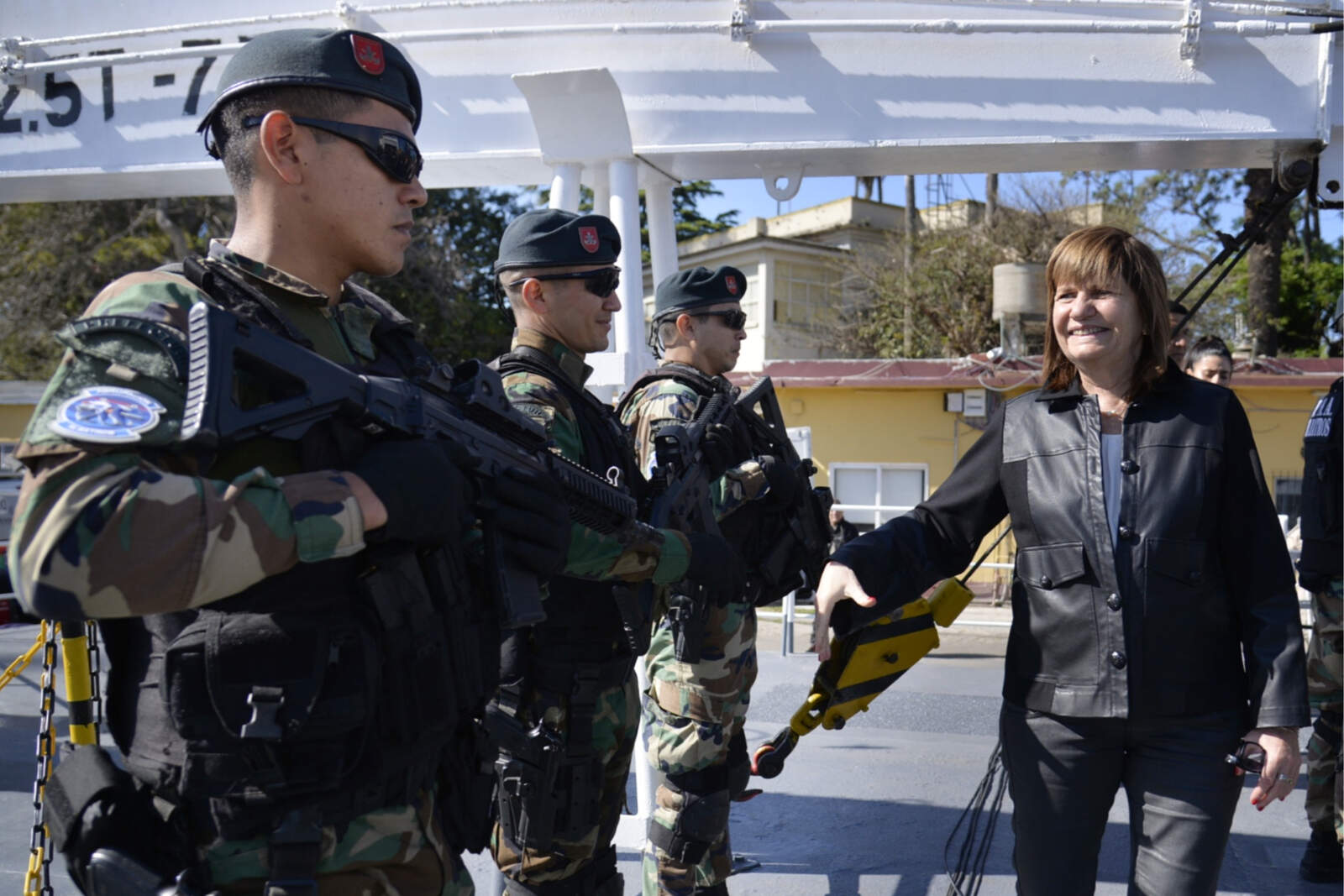
Bullrich junto a personal de las fuerzas
The minister emphasized that the plan marks a turning point in river security policy and that the objective is clear: “The waterway will not be a highway for crime.” According to her explanation, the river border is “the first bastion to prevent drugs and crime from crossing our borders.”
The Paraná Plan involves coordinated work between the national government, the provinces, and the country's strategic agencies. The five federal forces participate, along with Immigration and Customs, in a joint deployment that covers the area from Rosario to Isla del Cerrito, a critical zone due to its location in the triangle between Chaco, Corrientes, and Paraguay.
Bullrich announced the reactivation of technological equipment that had been inactive for years and the installation of special units in hot spots. “We are working in the heart of the waterway, with technology, intelligence, and territorial presence. From Isla del Cerrito, gangs won't be able to advance,” she stressed.
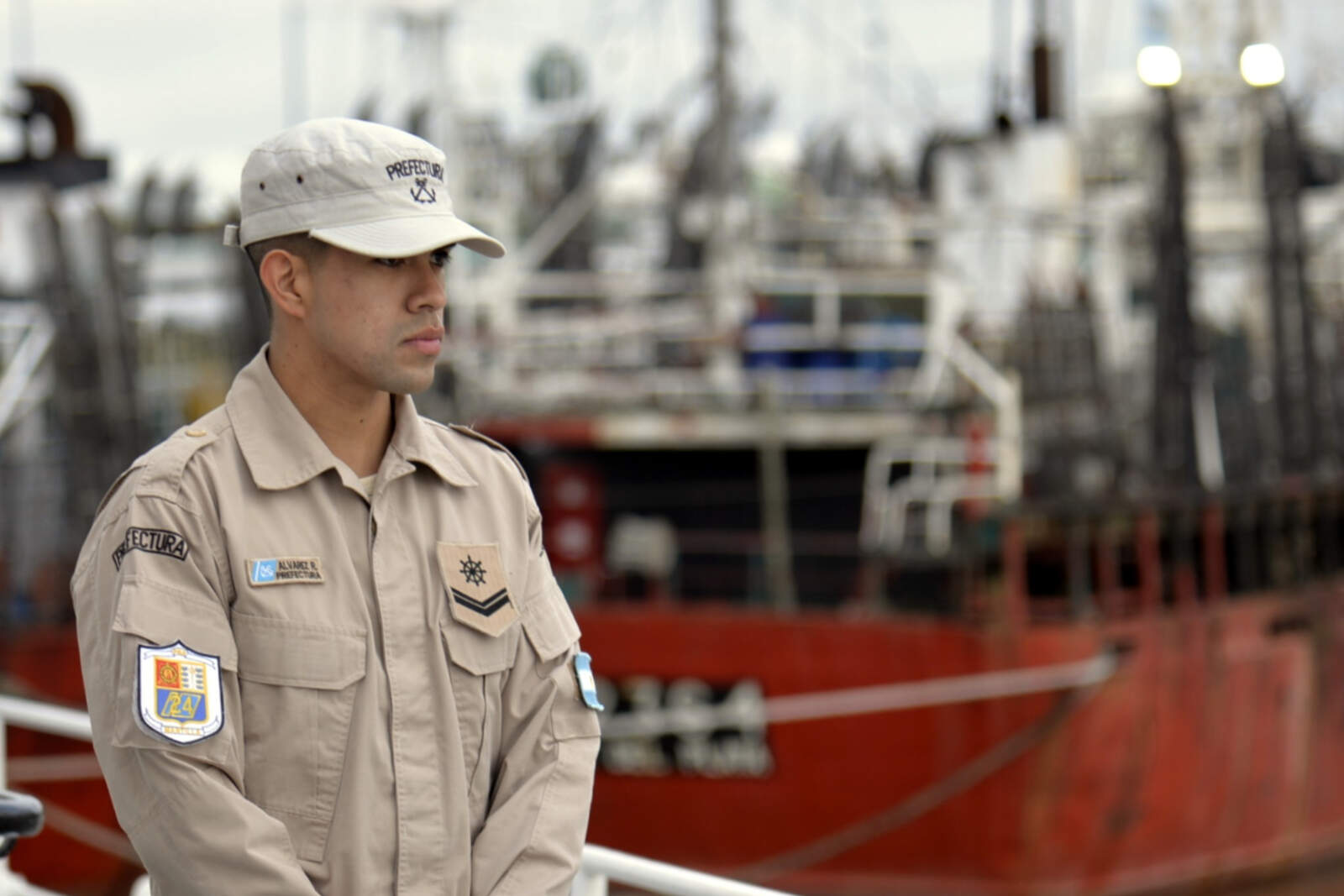
Personal dedicao al control de la hidrovía.
During the presentation, Bullrich communicated live with the Secretariat of Security, provincial authorities, and operational personnel deployed along the 3,400 kilometers (2,113 miles) of the Paraná. “This is a comprehensive plan that involves all of Argentina. Today is a key day not only for Chaco and Corrientes, but for all the provinces through which the waterway passes, and even for Paraguay, with whom we will work in cooperation,” she added.
The minister concluded her speech by reaffirming the national government's commitment to the fight against drug trafficking and organized crime. “We are going all in. We have the highest seizure figures in Argentine history and the most dangerous gangs behind bars. We are organizing ourselves to be where control is most difficult. We have declared an all-out war on crime, in every meter (3.28 feet) of land and now also in every kilometer (0.62 miles) of our waters.”